Woody Allen’s 2011 film, Midnight in Paris, serves as both a cinematic love letter to the French capital and a complex meditation on nostalgia, creative ambition, and the human propensity to idealize the past. By weaving a narrative that transitions between the contemporary experiences of screenwriter Gil Pender and the vibrant, artistic milieu of 1920s Paris, the film transformed the city into a central character. Since its release, the production has functioned as a significant cultural touchstone, influencing tourism patterns and cementing the visual identity of Paris in the minds of international audiences.
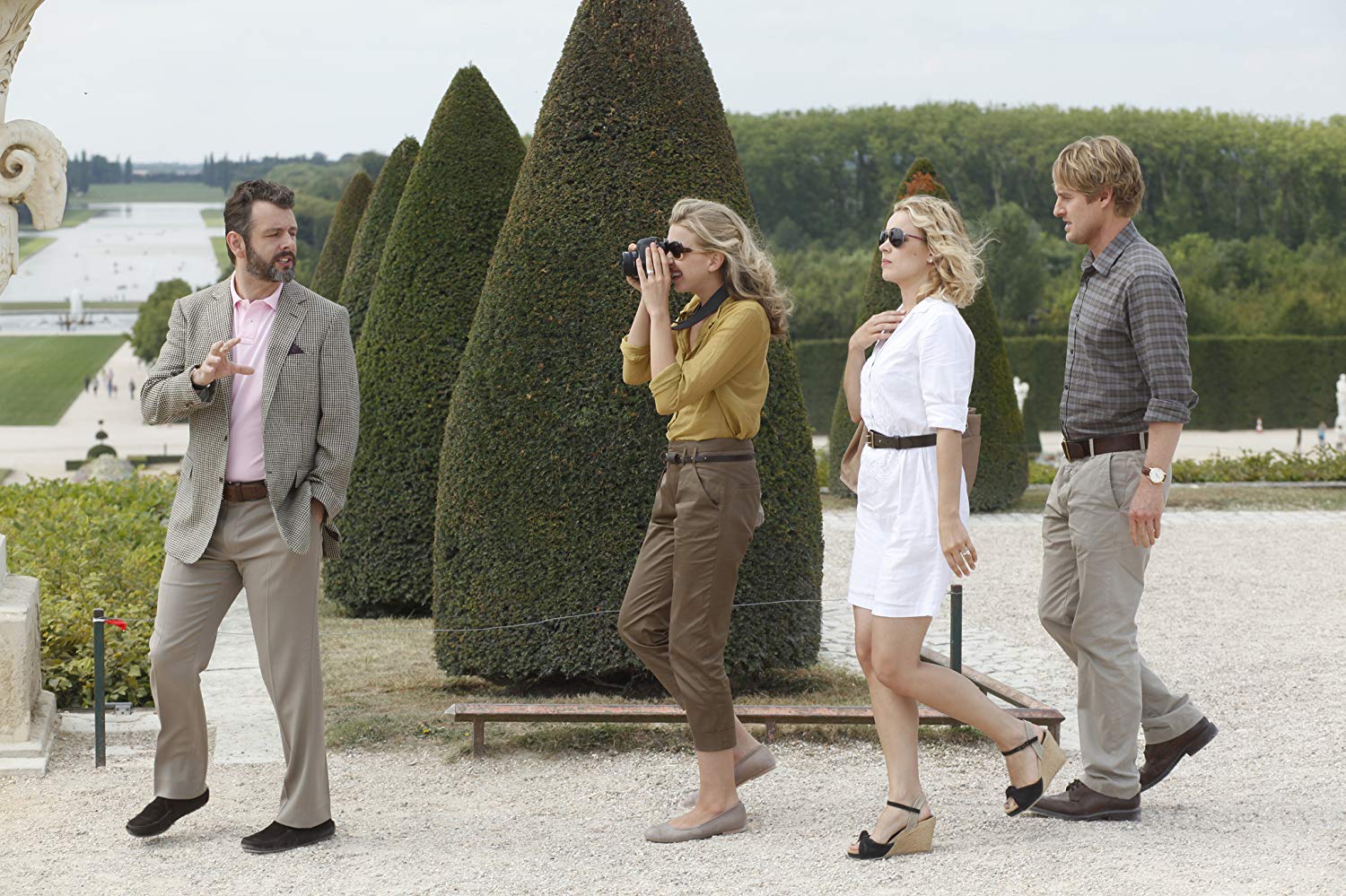
The production of the film utilized a diverse array of authentic Parisian locales, grounding the surreal elements of the script in the tangible reality of the city. From the verdant expanses of Claude Monet’s gardens in Giverny to the historic architecture of the Left Bank, the shooting locations serve as a map of the city’s intellectual and artistic history.
Thematic Foundations and Narrative Context
At its core, the film explores the concept of "golden age thinking," a psychological phenomenon where individuals believe that a different era would have been superior to their own. Gil Pender, the protagonist, finds himself dissatisfied with his modern life—marked by a strained relationship with his fiancée, Inez, and a lack of fulfillment in his career as a Hollywood screenwriter. His nightly, inexplicable journeys to the 1920s allow him to interact with figures such as F. Scott and Zelda Fitzgerald, Ernest Hemingway, Pablo Picasso, and Salvador Dalí.
The script, which earned Allen an Academy Award for Best Original Screenplay, posits that the desire to escape to the past is a form of denial. This thematic depth has prompted extensive academic and critical discussion regarding the intersection of history, art, and the present moment. The film’s historical accuracy, while stylized for narrative effect, remains rooted in the reality that Paris in the 1920s was indeed a global epicenter for literary and artistic innovation, particularly for expatriate communities.
A Chronology of Iconic Shooting Locations
The film’s production team meticulously selected locations that reflect both the grandeur of Parisian landmarks and the intimate, atmospheric charm of the city’s lesser-known corners.
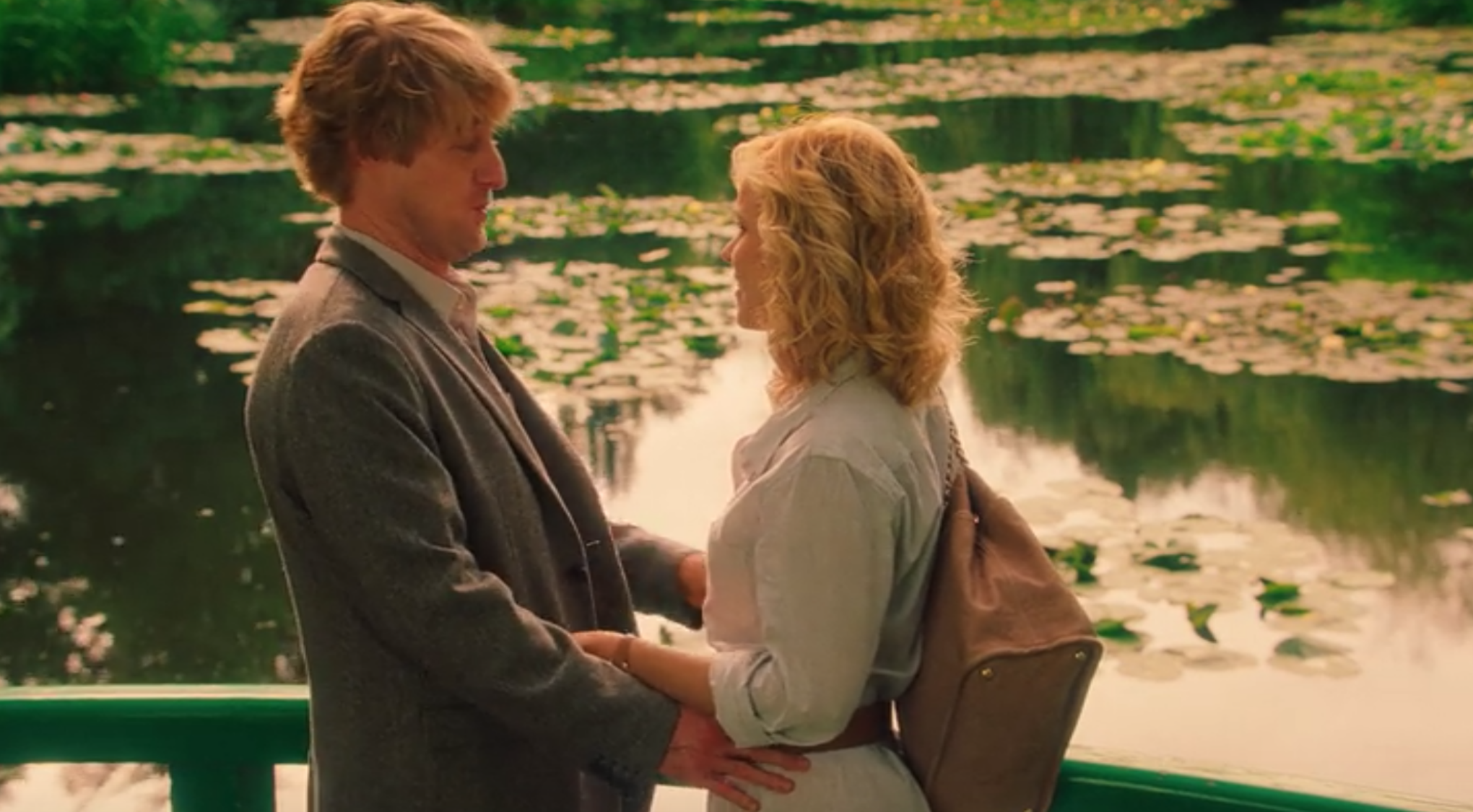
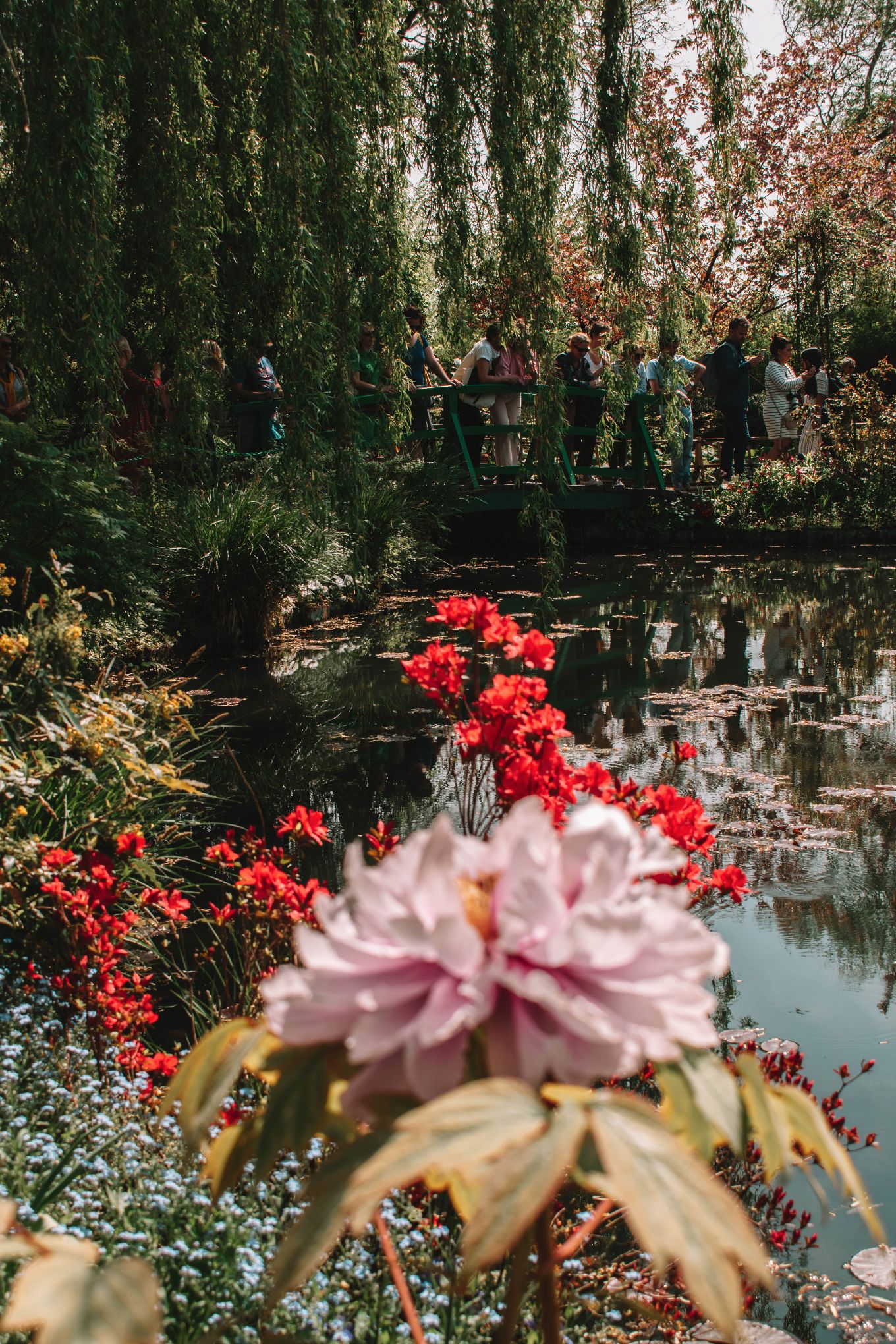
The Opening Sequence: Giverny
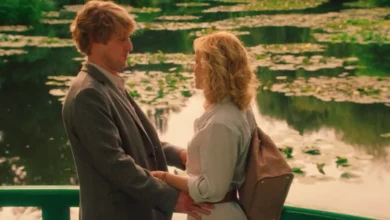
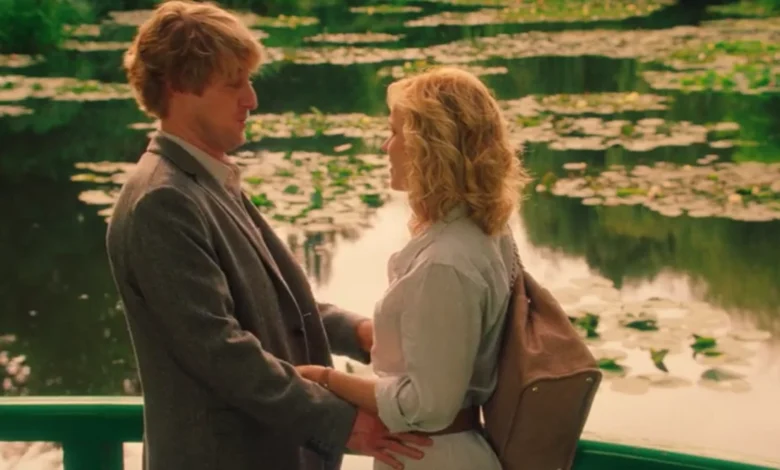
The film opens with a montage of the city, transitioning quickly to the Claude Monet Water Garden in Giverny. Located approximately 75 kilometers from Paris, these gardens served as the inspiration for many of Monet’s late-career masterpieces. The bridge featured in the film remains a primary destination for tourists seeking to replicate the opening imagery of the production.
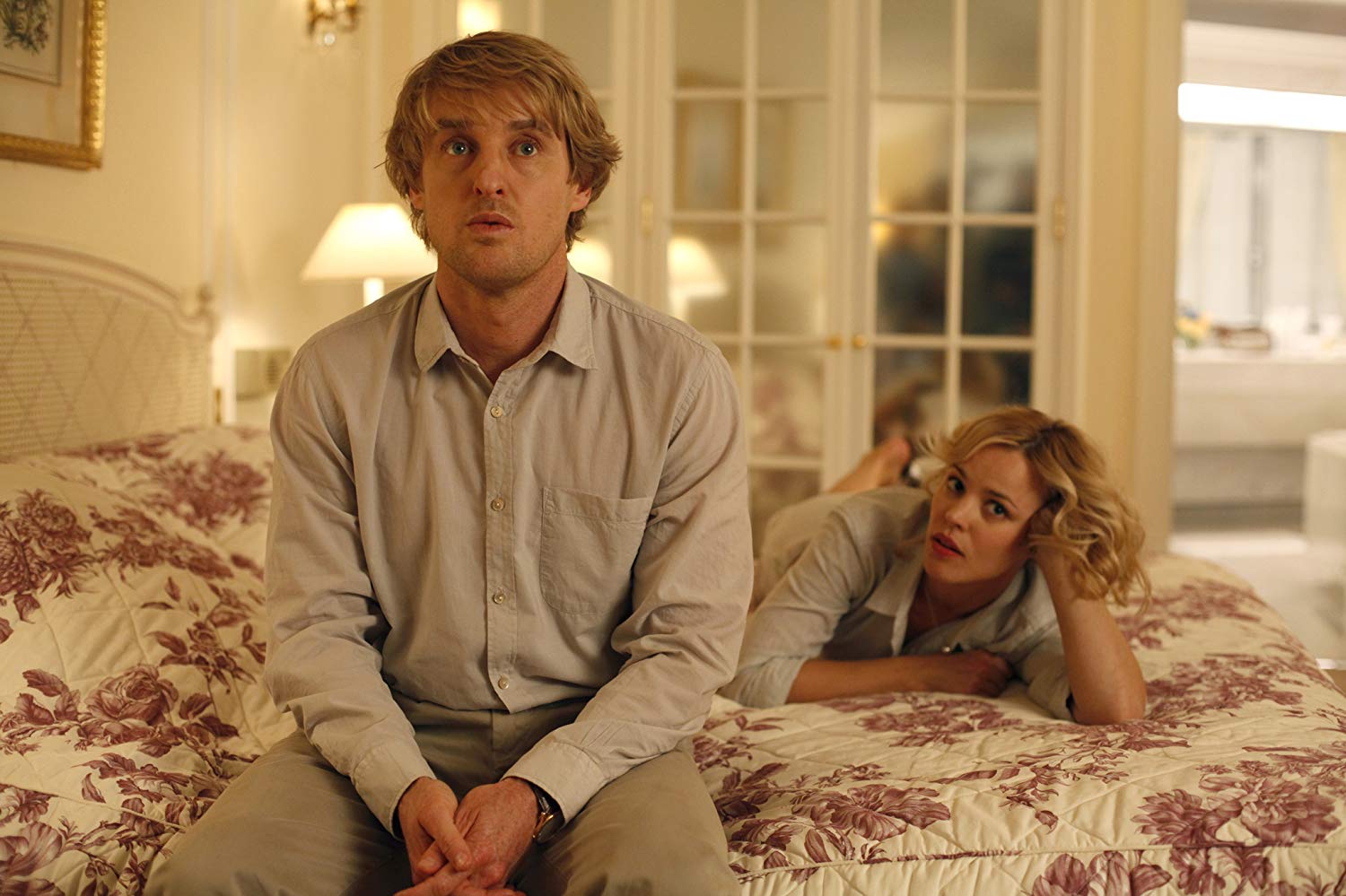
The Hotel Bristol and Le Meurice
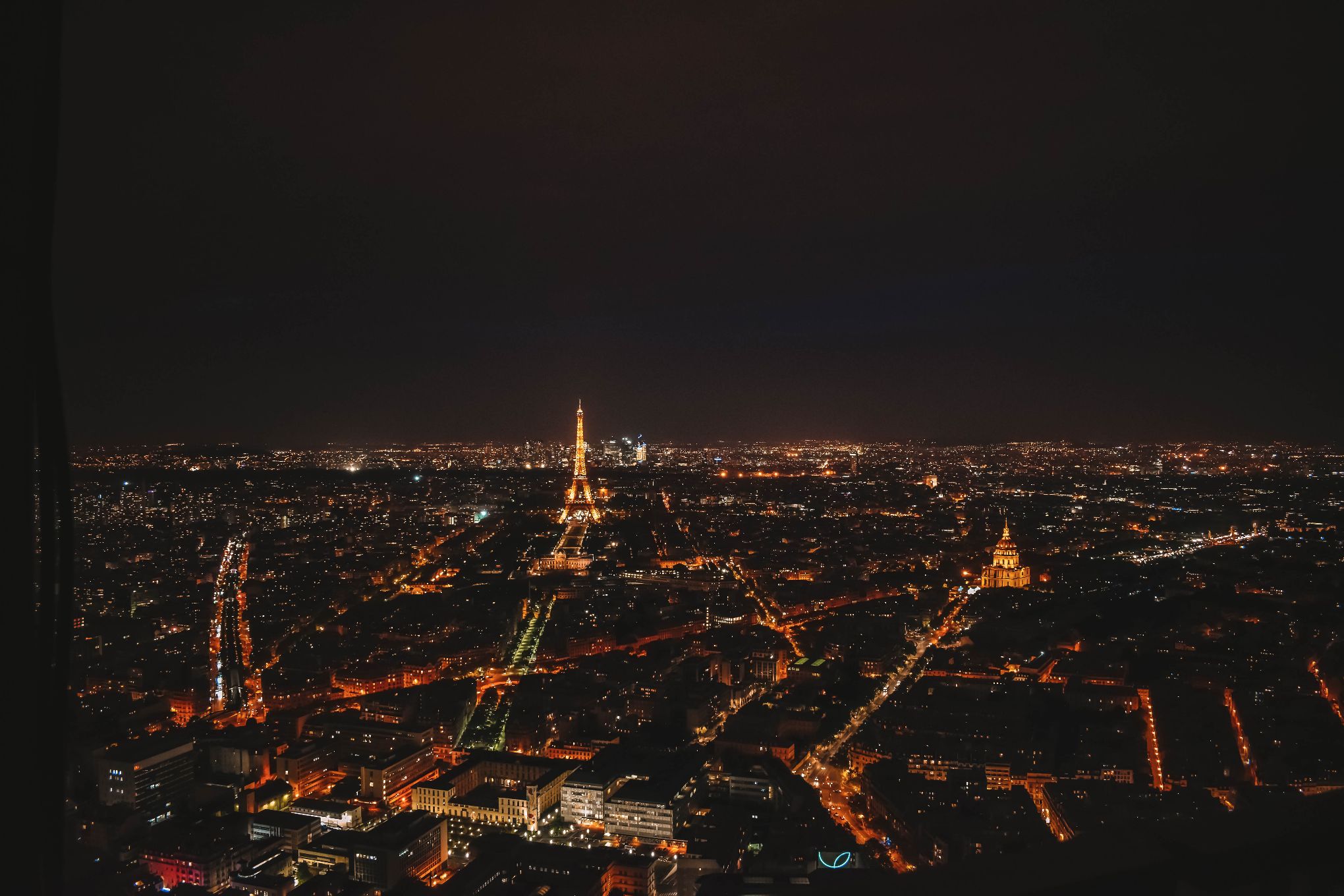
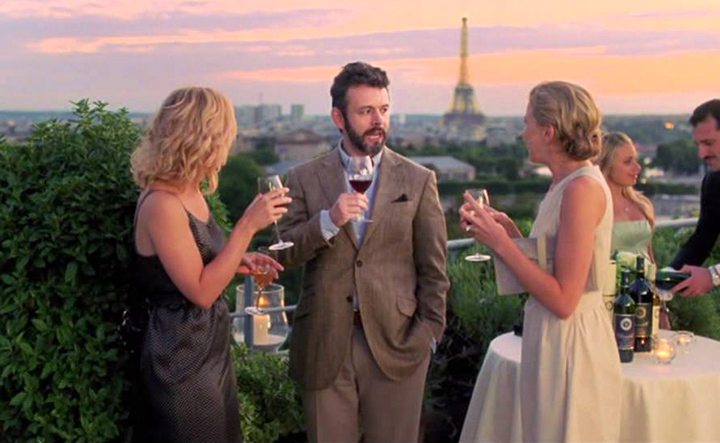
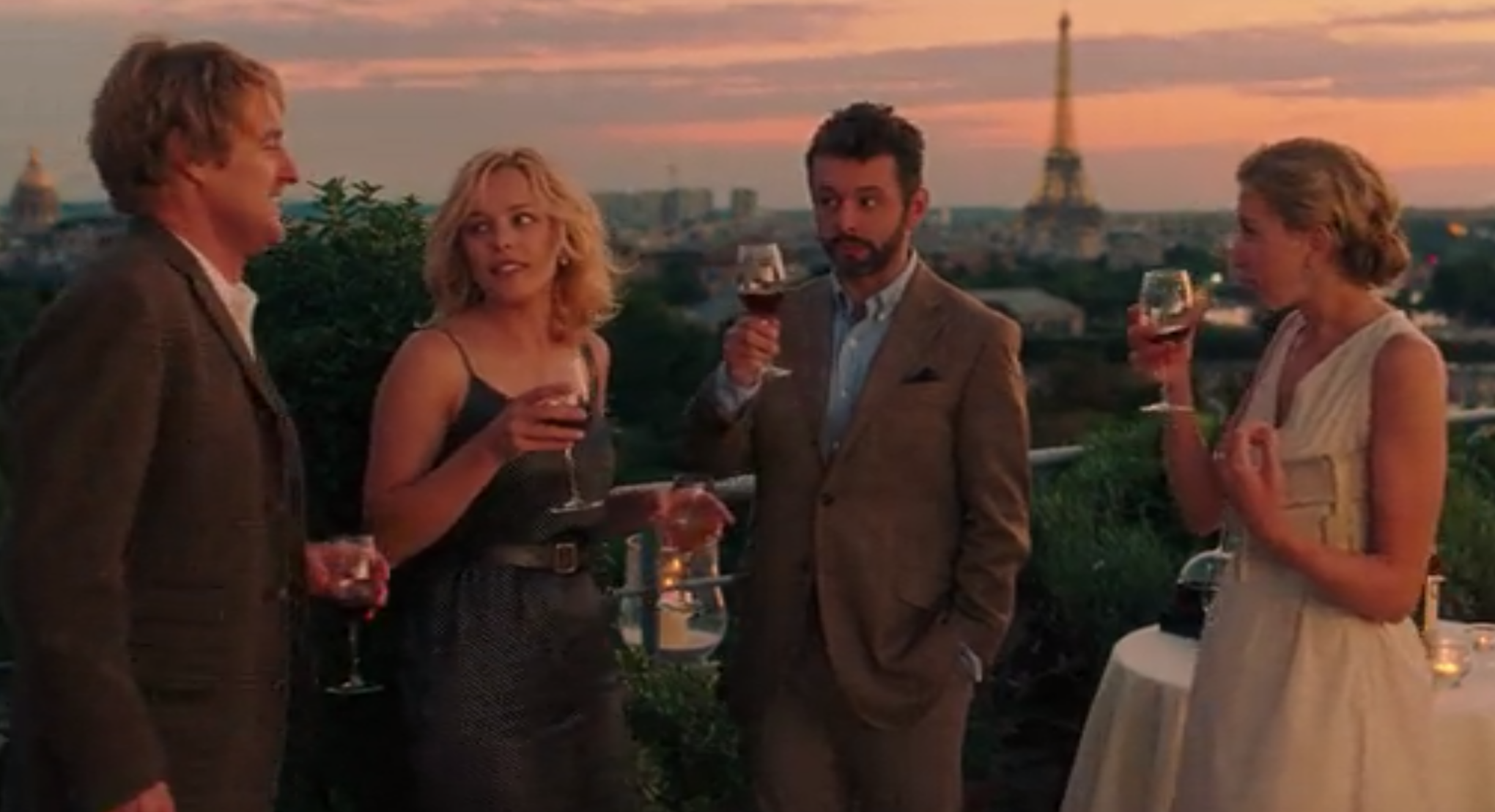
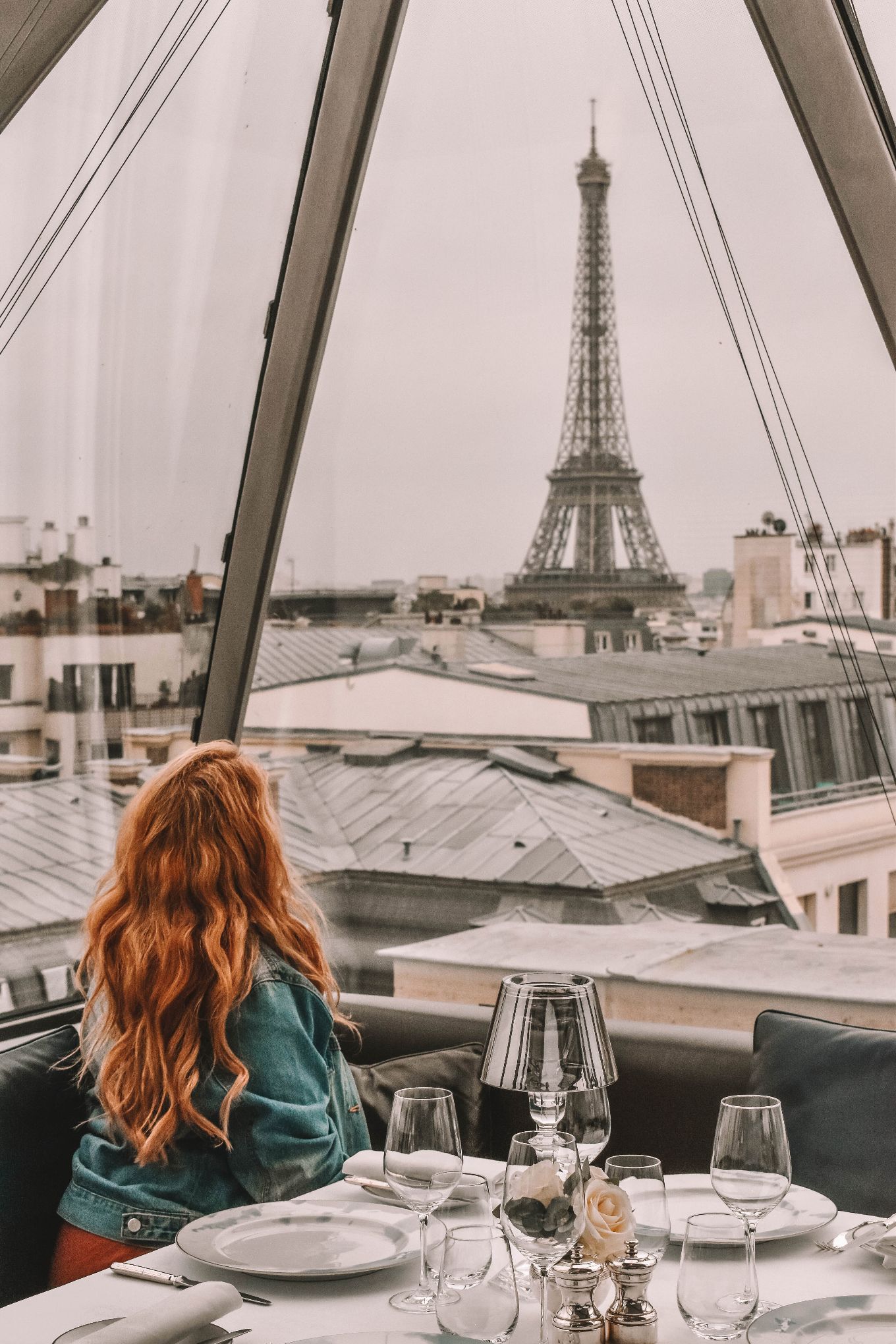
The characters in the film reside at the Hotel Le Bristol, an iconic establishment located at 112 Rue du Faubourg Saint-Honoré. The hotel’s distinct Parisian aesthetic provided a backdrop for the film’s domestic scenes. Additionally, the rooftop bar scenes were captured at Le Meurice, specifically on the terrace of the La Belle Étoile suite, which offers a panoramic view of the Eiffel Tower and the Tuileries Garden.
The Left Bank and the Literary History
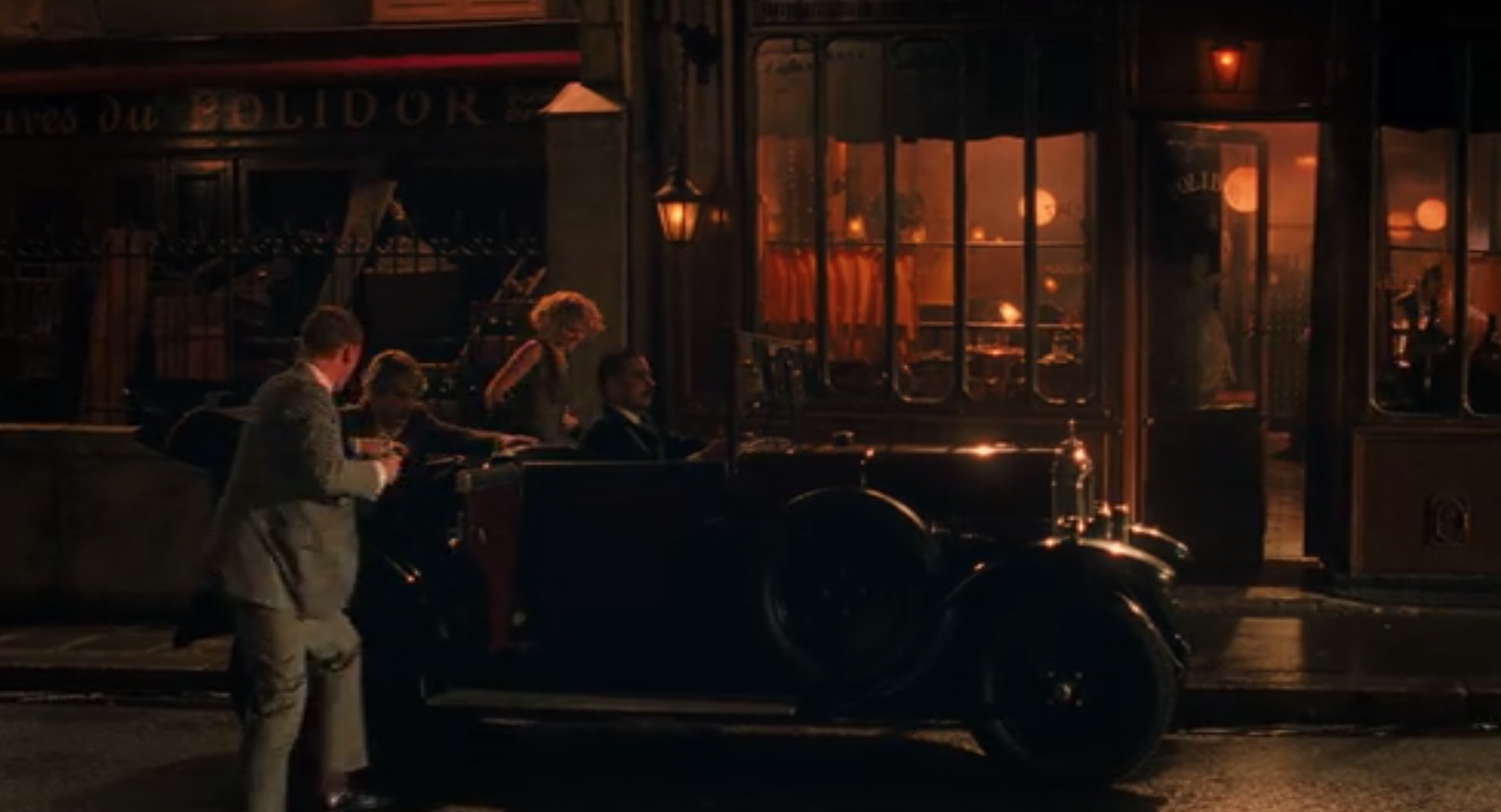
A significant portion of the film takes place on the Left Bank (Rive Gauche), a district historically associated with the intellectual life of Paris. The Polidor restaurant, located at 41 Rue Monsieur le Prince, features prominently as a haunt for the 1920s literary figures. The restaurant, which has operated since 1845, retains much of its original decor, providing an authentic setting for the historical sequences. Similarly, the Shakespeare and Company bookstore, situated near Notre Dame, serves as a symbolic link to the city’s long-standing literary traditions.
The Supernatural Transition
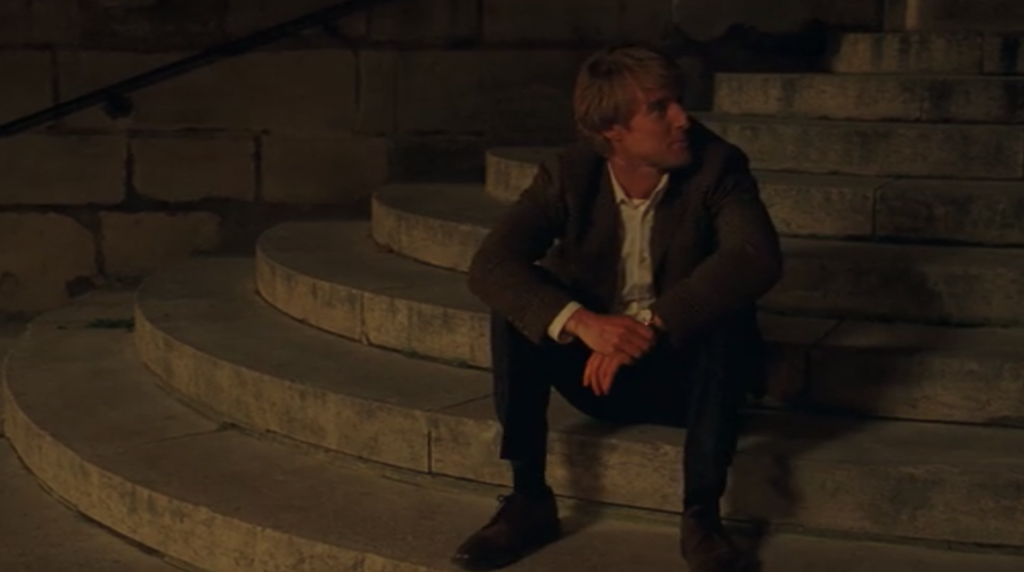
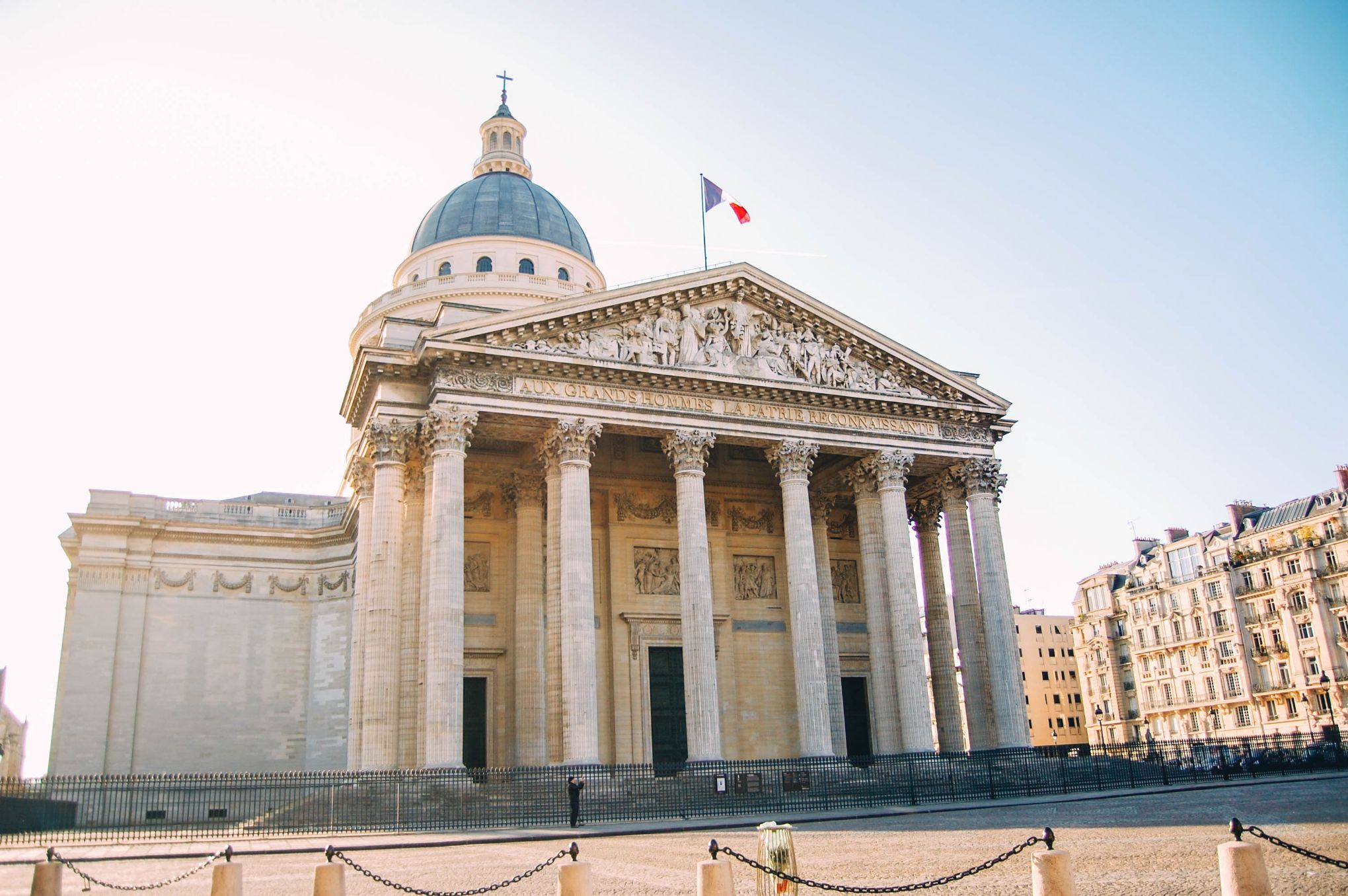
The pivotal moment where Gil enters the 1920s occurs near the Saint-Étienne-du-Mont church, located in the 5th arrondissement near the Panthéon. The steps of this church provided the physical transition point for the character’s temporal travel. The precise location is at the corner of Rue de la Montagne Sainte-Geneviève and Place de l’Abbé Basset.
Supporting Data and Tourism Impact
The release of Midnight in Paris coincided with a period of significant growth in the French tourism sector. Data from the Paris Convention and Visitors Bureau indicates that films featuring prominent Parisian landscapes often result in a measurable increase in foot traffic to specific landmarks.
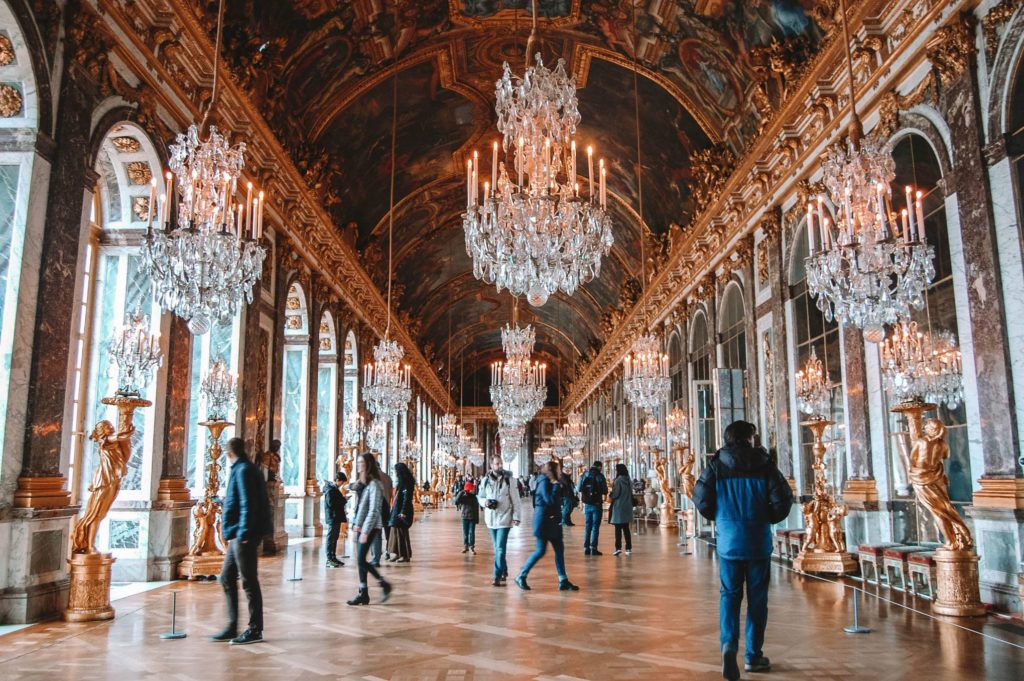
For instance, the Musée de l’Orangerie and the Rodin Museum, both of which appear in the film, reported steady increases in international visitors in the years following the film’s 2011 premiere. The association of these museums with the film’s high-profile cast and its romantic portrayal of the city reinforced the status of these institutions as essential stops for cultural tourists.
Furthermore, the film’s influence on the "literary tourism" market cannot be understated. By highlighting the works of Hemingway and the lifestyle of the "Lost Generation," the film spurred renewed interest in Hemingway’s memoir, A Moveable Feast. This book, which details the author’s own life in 1920s Paris, became a staple for travelers wishing to understand the historical context behind the film’s narrative.
Critical Reception and Cultural Implications
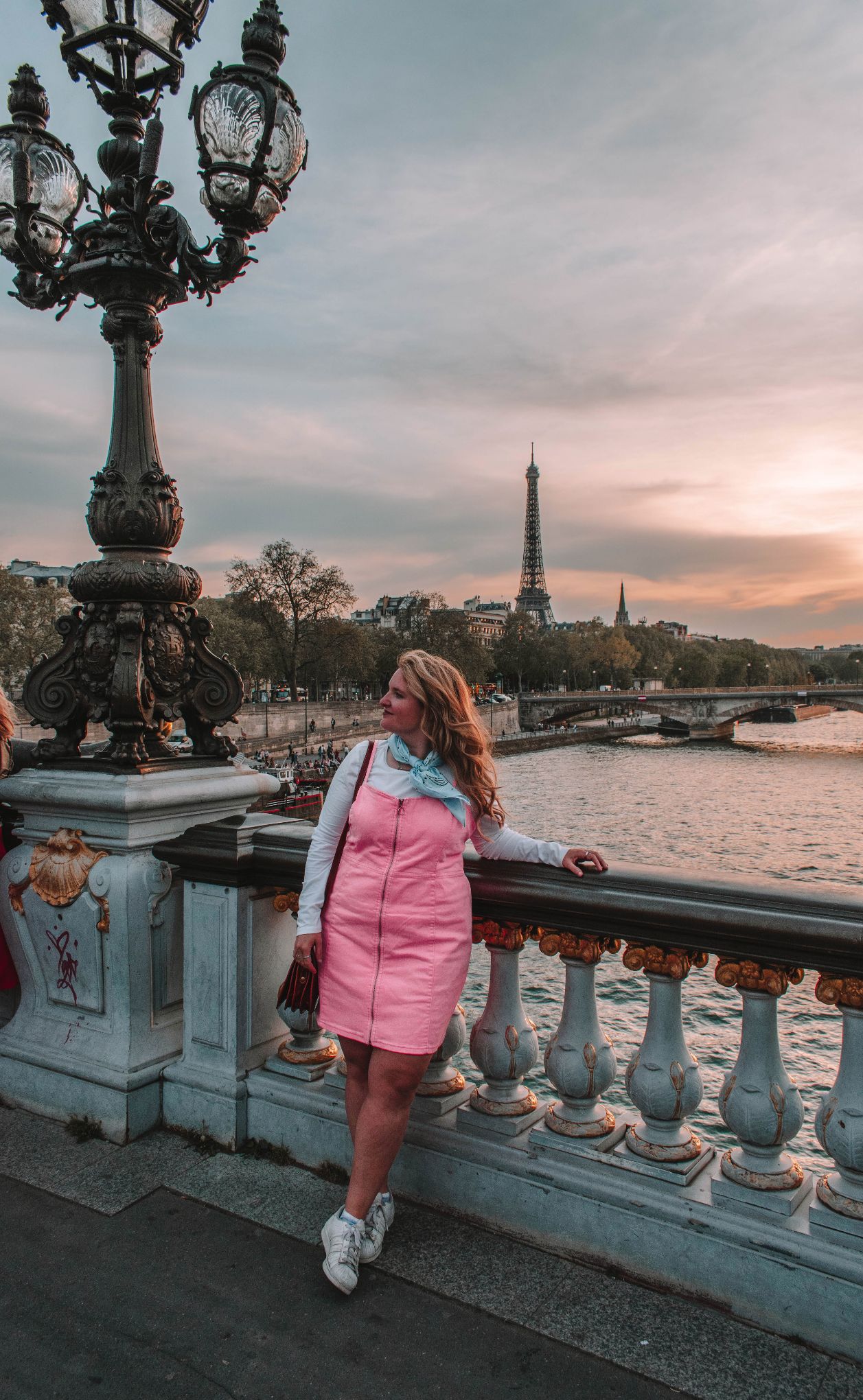
Upon its release, the film was largely praised for its cinematography and the performance of Owen Wilson as Gil Pender. Critics noted that Allen’s ability to capture the "light" of Paris was a significant technical achievement. The film’s lighting, particularly during the rain-drenched final scenes on the Pont Alexandre III, helped define the modern aesthetic of Paris on screen.
However, the film also faced scrutiny regarding its portrayal of history and the romanticization of the 1920s. Some historians argued that the film simplifies the complexities of the era, focusing primarily on the privileged expatriate class while ignoring the socio-political struggles of the period. Despite these critiques, the film’s cultural impact remains undiminished, serving as a primary point of reference for contemporary depictions of Paris.
The Role of Paris as a Living Set
The logistical challenge of filming in Paris is well-documented. Production crews must navigate strict regulations regarding historical preservation and public space usage. The film successfully utilized the city’s architecture to create a sense of continuity between the 1920s and the present. The use of natural light and the integration of actual city landmarks, such as the Pont Neuf and the streets of Montmartre, allowed the director to minimize the need for studio-built sets.
The sequence in Montmartre, where the characters walk down the steps of the Rue du Chevalier-de-La-Barre with the Sacré-Cœur Basilica in the background, serves as a case study in effective location scouting. By utilizing the existing elevation and the iconic silhouette of the basilica, the production team established a sense of place that is instantly recognizable to global audiences.
Broader Impact on Urban Identity
Beyond its cinematic success, Midnight in Paris has influenced the way Paris is marketed as a destination. The film emphasizes a "timeless" quality, encouraging visitors to seek out cafes, bookstores, and streetscapes that feel removed from the pressures of the modern world. This emphasis on the "slow" experience of the city—strolling, observing, and reflecting—aligns with broader trends in sustainable and experiential tourism.
The recurring motif of rain throughout the film, famously noted by the character Gil as a feature that makes the city "drop-dead gorgeous," has arguably altered how tourists perceive Parisian weather. Instead of viewing rain as a deterrent, visitors are increasingly encouraged by the film’s aesthetic to embrace the moody, atmospheric potential of a rainy day in the capital.
Conclusion
Midnight in Paris stands as a complex work that captures the intersection of reality and fiction. By documenting the city through the lens of a time-traveling protagonist, the film invites viewers to look at Paris not merely as a collection of monuments, but as a living repository of history and creative inspiration. Whether through the lens of the literary history of the Left Bank or the architectural grandeur of the city’s bridges, the film’s legacy is firmly tied to the enduring appeal of the Parisian landscape. As a piece of cultural history, it continues to influence how the world views the "City of Light," ensuring that the romanticized vision of the 1920s remains a permanent fixture in the global imagination.