In an extraordinary display of human resilience and personal transformation, 52-year-old Robert Cowden is currently executing a 5,200-kilometer transcontinental expedition that bridges the American heartland with the southern coast. Accompanied solely by his pointer-mix dog, Enzo, Cowden has transitioned from a life defined by the depths of addiction to one characterized by radical endurance, traversing the United States on foot before shifting to the waterways of the Ohio and Mississippi river systems. This journey, which began in New Haven, Kansas, in April 2026, serves as a physical manifestation of Cowden’s commitment to sobriety and his pursuit of a stabilized future.
The Genesis of the Expedition
The impetus for Cowden’s journey was rooted in a profound personal crisis. Prior to the expedition, Cowden faced a series of life-altering setbacks, including the loss of his career, personal assets, and his primary residence due to a protracted battle with alcohol addiction. Faced with the choice between entering a residential treatment facility—which would have necessitated surrendering his dog, Enzo—or seeking an alternative path, Cowden chose a third option: an odyssey of rehabilitation through movement.
The decision to embark on this journey was not merely a physical challenge; it was a logistical and psychological necessity. By choosing to walk and later canoe, Cowden maintained the companionship of Enzo, whom he credits as a vital source of emotional stability. The expedition has been structured as a two-stage endurance test: a 2,000-kilometer trek from Kansas to Pittsburgh, Pennsylvania, followed by a 3,200-kilometer aquatic journey from the headwaters of the Allegheny River to the Gulf of Mexico.
Phase I: The Walking Chronology
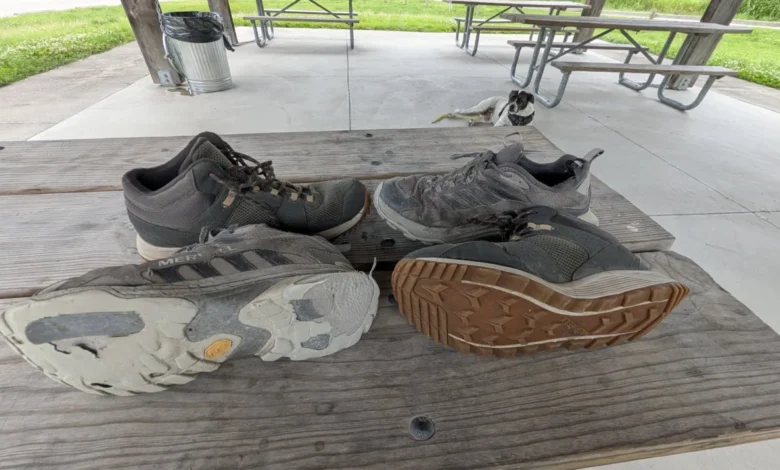
Cowden departed New Haven, Kansas, in April 2026. For the next five months, his daily existence was defined by the rhythm of the road. To manage the physical toll of such a distance, Cowden utilized a specialized cart to transport his camping gear, supplies, and, when the terrain or Enzo’s fatigue required it, his canine companion.
The walking stage necessitated a nomadic lifestyle, forcing Cowden to rely on local infrastructure, public resources, and, frequently, the spontaneous charity of strangers. While public perception of long-distance solo travel often highlights the dangers of the open road, Cowden’s experience has stood in stark contrast to the common narrative of isolation. During his transit through Missouri, Cowden noted that while the primary cautionary advice he received from onlookers centered on potential threats from “creepy or bad people,” his lived experience was marked by an overwhelming degree of hospitality. This social support network, both digital and physical, became a critical component of his operational success.
By September 2026, Cowden successfully concluded the overland portion of his journey in Pittsburgh, Pennsylvania, having traversed the American Midwest and the Ohio River Valley. This phase served as a crucible, testing his physical endurance while simultaneously providing the structured environment necessary to maintain his newfound sobriety.
Phase II: The Aquatic Transit
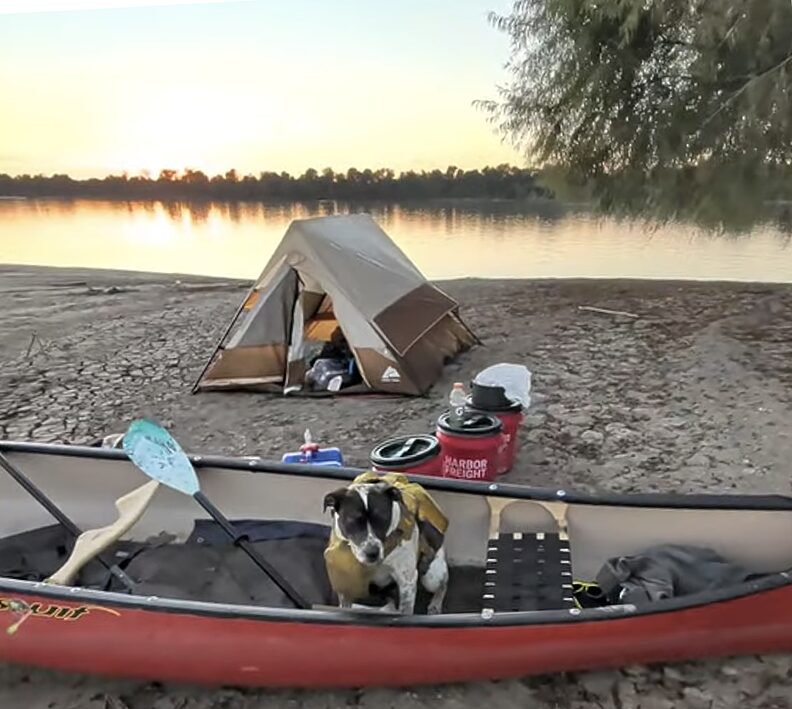
Upon reaching Pittsburgh, the expedition transitioned to the river stage. On the Allegheny River, Cowden and Enzo launched their canoe, beginning the final 3,200-kilometer leg toward the Gulf of Mexico. This phase introduced a new set of challenges, shifting the primary physical burden from the lower extremities to upper-body endurance and navigational focus.
The route from Pittsburgh involves navigating the Ohio River—a major tributary of the Mississippi—which presents distinct environmental hazards, including variable currents, industrial river traffic, and the necessity of managing long, slow stretches of water. Cowden and Enzo are currently maintaining a target pace of approximately 20 kilometers per day. The objective is to reach the confluence of the Ohio and Mississippi rivers in Illinois within a 40-day window, a critical milestone that will place them on the final stretch of the southward journey.
Logistical and Data-Driven Challenges
The logistical complexity of a 5,200-kilometer, multi-modal expedition requires rigorous planning. Long-distance endurance travel of this nature is statistically rare and carries significant risks related to exposure, nutritional deficiency, and equipment failure. For an individual in recovery, the journey also requires constant vigilance regarding psychological health.
From a data perspective, the expedition highlights the intersection of modern connectivity and traditional travel. Through the use of social media platforms and a dedicated expedition website, Cowden has turned his journey into a documented public record. This transparency serves a dual purpose: it provides a level of safety through public accountability and offers a platform for others struggling with similar life crises. Experts in behavioral health often note that for individuals in recovery, the establishment of "pro-social goals"—such as completing a major project or physical challenge—can serve as a powerful tool for long-term sobriety, provided the individual has adequate support systems in place.
The Role of Canine Companionship
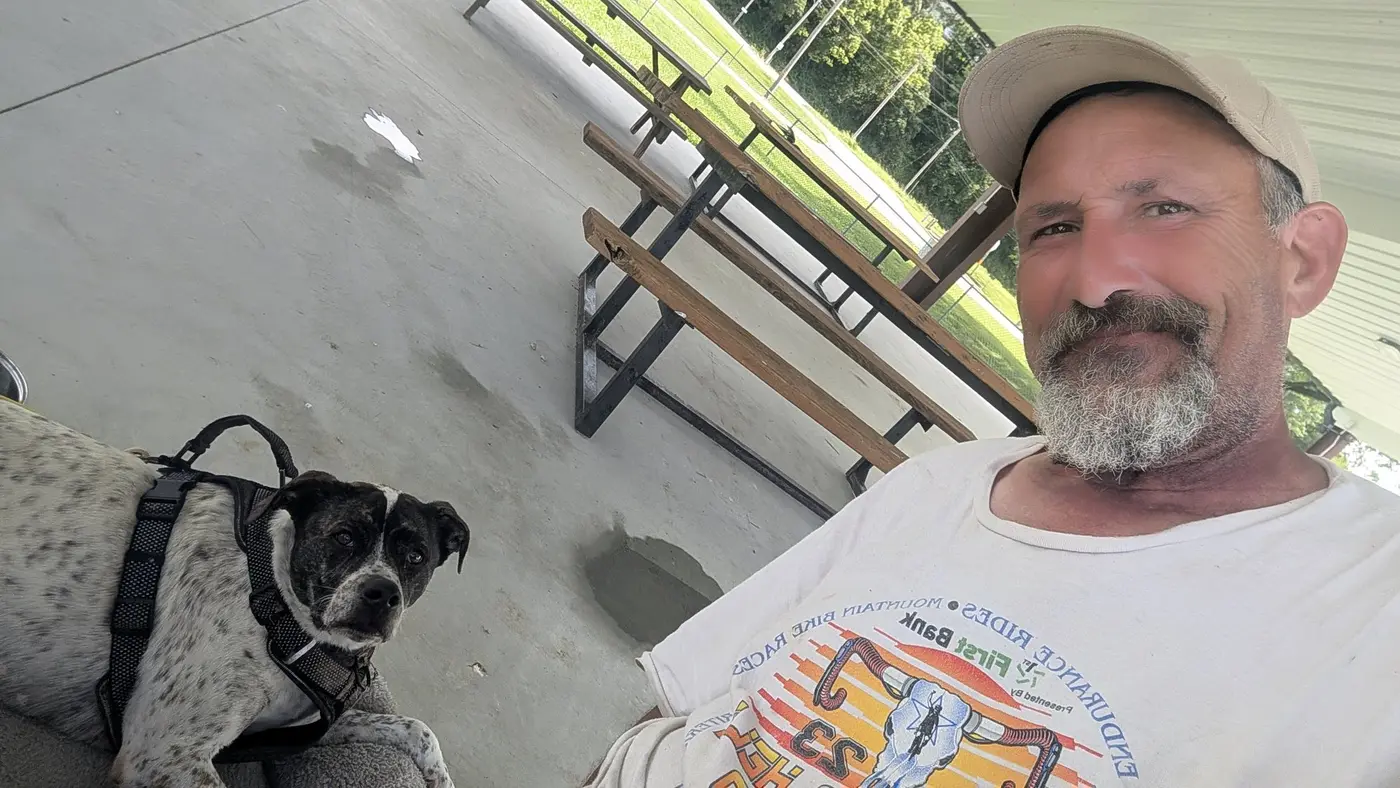
Enzo’s presence throughout the journey is more than incidental; it is a central element of the narrative. The human-animal bond, particularly during periods of high stress and prolonged solitude, has been shown to reduce cortisol levels and improve mood regulation. For Cowden, Enzo represents a responsibility that enforces a routine. The dog’s requirements for food, hydration, and rest ensure that Cowden adheres to a disciplined schedule, a fundamental component of his recovery program. The logistical integration of a dog into such a journey—necessitating space in a canoe and additional supplies—also adds a layer of complexity that has forced Cowden to remain organized and future-oriented.
Broader Implications and Public Reaction
The story of Cowden and Enzo has resonated within the endurance community and among those who monitor the therapeutic potential of long-distance travel. While the journey is inherently personal, its public nature has invited commentary on the state of addiction treatment and the lack of pet-inclusive resources in conventional recovery centers.
The fact that Cowden chose to walk across the country rather than abandon his dog speaks to the barriers many face when seeking help. Animal-assisted therapy is a recognized clinical field, yet the logistics of accommodating pets in residential treatment programs remain a hurdle. Cowden’s expedition inadvertently highlights this gap in social services. By succeeding in his journey, he provides a narrative of agency, suggesting that for some, the road to recovery is not found in a sterile clinical environment but through the reclamation of one’s autonomy in the natural world.
Looking Ahead: The Final Leg
As of late 2026, the expedition is proceeding toward the confluence of the Mississippi River. The remaining distance to the Gulf of Mexico is significant, and the environmental conditions of the lower Mississippi valley will present their own challenges, particularly as the season turns toward winter.
Cowden has expressed that upon completion of the journey, he has housing waiting for him—a critical marker of successful reintegration into society. This destination serves as the "finish line" for more than just the expedition; it represents the conclusion of his transition from a state of homelessness and addiction to a state of permanent, stable recovery.
The expedition remains a work in progress. For those following the journey, the updates provided on the "Enzo The Great" platform offer a real-time look at the variables involved in such a trek: the maintenance of gear, the negotiation of river currents, and the daily maintenance of the bond between man and dog. As Cowden continues to paddle toward the Gulf, the expedition stands as a quiet testament to the idea that massive personal change is possible, provided the individual is willing to take the first step—or, in this case, the first few million steps.
The success of this journey will ultimately be measured not by the kilometers covered, but by the stability Cowden finds when the canoe finally reaches the Gulf and the journey, in its current form, comes to an end. For now, the focus remains on the next 20 kilometers, the next campsite, and the next day of sobriety.