
Navigating international travel in the modern era requires reliable, high-speed mobile data, transforming smartphones from optional luxury items into essential travel tools. Whether booking high-speed rail tickets, navigating historic cobblestone streets via digital maps, or translating foreign menus on the fly, a connected device is critical for a seamless journey. However, utilizing an iPhone or Android smartphone abroad can quickly become a costly and confusing endeavor for travelers who fail to navigate the labyrinth of international roaming fees, carrier restrictions, and local mobile infrastructure.
With virtually all modern smartphones manufactured after 2016 featuring full hardware compatibility with European mobile networks, technical device limitations are rarely the primary obstacle. Instead, travelers face a fundamental economic and logistical choice: leverage costly international add-on plans provided by domestic carriers or bypass them entirely by purchasing prepaid local physical SIM cards or digital eSIM profiles. Understanding the nuances of these options can mean the difference between effortless connectivity and exorbitant roaming bills upon returning home.
Evaluating American Mobile Carrier International Plans

For most travelers based in the United States, the path of least resistance involves contacting domestic mobile network operators—such as Verizon, AT&T, or T-Mobile—to activate an international roaming add-on. Major carriers have established direct service agreements with European telecommunications providers, allowing a domestic smartphone to connect automatically to a local network upon landing abroad, sometimes requiring only a simple toggle of international roaming settings in the device operating system.
Despite the convenience, this approach often carries severe financial and performance drawbacks. Traditional daily international passes typically cost a minimum of $10 to $15 per day, frequently capping high-speed allotments or throttling data speeds down to sluggish 3G or 2G speeds once minor thresholds are reached. Industry analysts and frequent travelers have long noted that throttled speeds struggle significantly with basic data-heavy tasks such as loading real-time GPS navigation or rendering detailed interactive maps.
Among major U.S. carriers, plan structures vary significantly. T-Mobile historically disrupted the market by offering unlimited texting and data in over 210 countries on select mid-to-high-tier plans, though high-speed LTE data is typically capped at 5GB before dropping to unlimited 2G speeds. For shorter trips, this allowance frequently suffices; however, extended itineraries often exhaust the allotment prematurely, necessitating supplementary data passes. Meanwhile, competitors like Verizon and AT&T lean heavily on daily fee structures that charge users per day for limited high-speed allotments, making extended travel via domestic roaming economically prohibitive.
The Advantages and Mechanics of European SIM and eSIM Plans
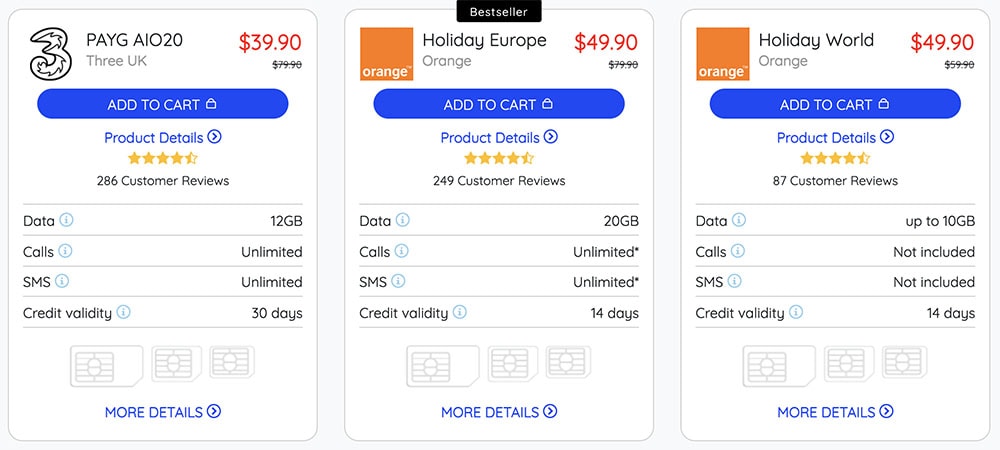
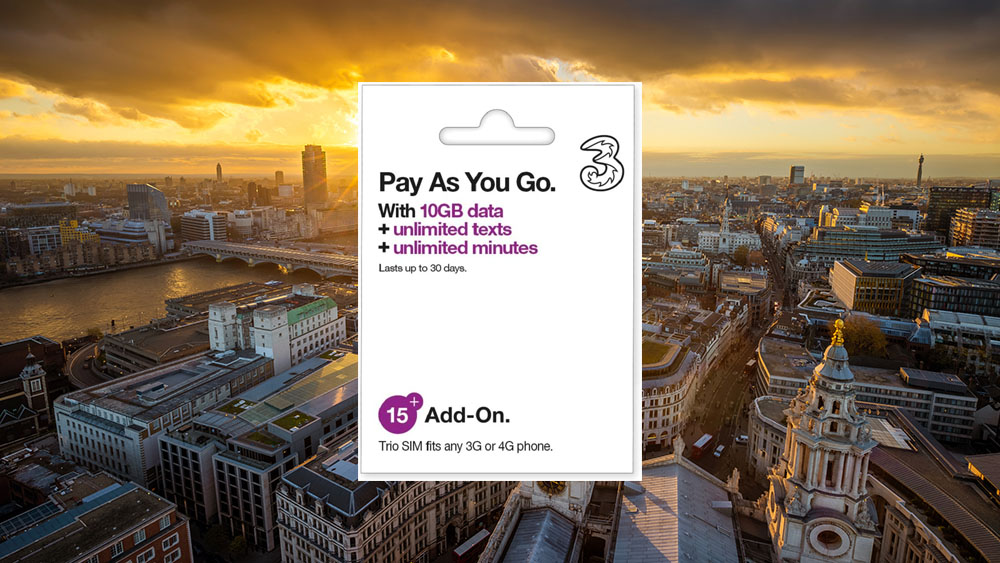
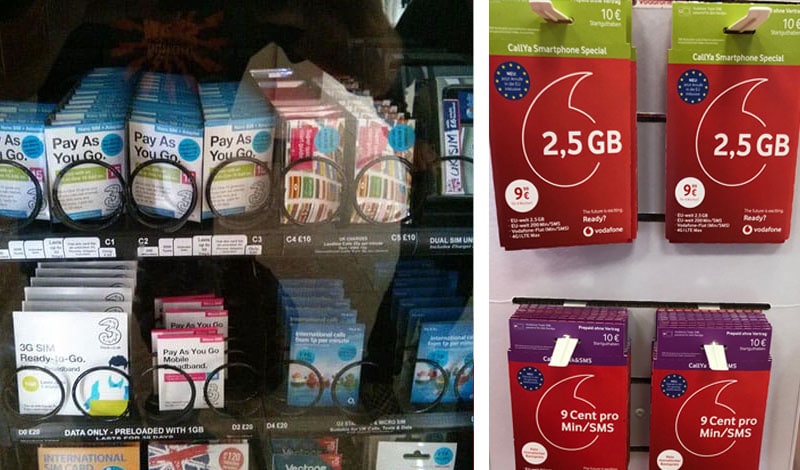
To circumvent the high costs and bandwidth throttling associated with domestic carrier roaming, savvy travelers increasingly turn to prepaid European SIM cards or embedded subscriber identity modules (eSIMs). Because the European telecommunications market features intense competition among dozens of regional carriers, pricing remains remarkably low while performance standards stay exceptionally high.
Regulatory shifts within the European Union have further simplified cross-border travel. Under EU legislation, international roaming charges within member states were officially abolished, meaning a prepaid SIM card purchased in one EU country functions seamlessly across other member nations without incurring extra surcharges. Travelers can frequently secure generous data packages—such as 20GB of high-speed data accompanied by local talk and text—for a fraction of the cost of domestic carrier daily passes.
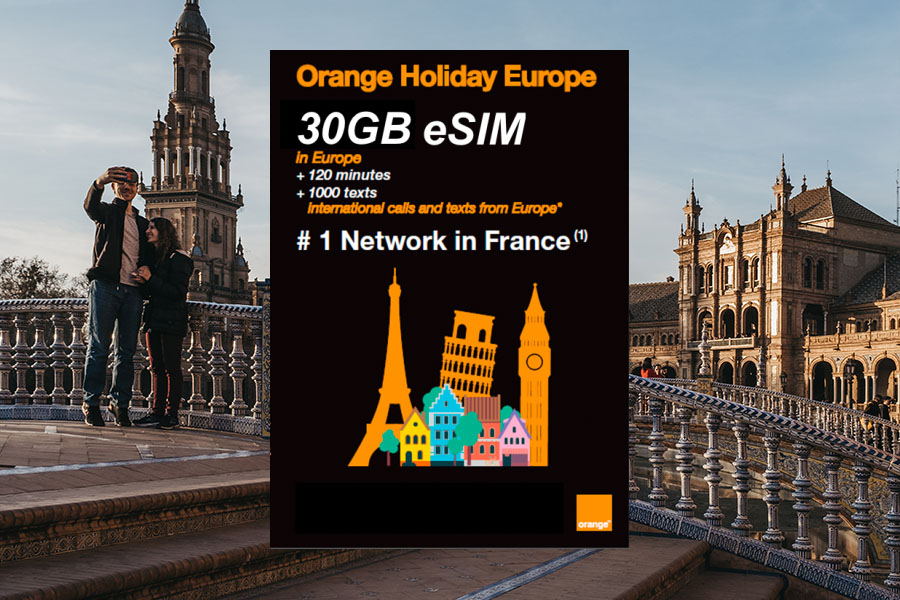
The advent of eSIM technology has revolutionized this process further. Unlike traditional physical SIM cards, which require users to extract their native carrier card and store it carefully to prevent loss, eSIM profiles are downloaded digitally directly onto compatible devices. This capability allows travelers to maintain their domestic phone number for essential two-factor authentication texts while running a local European data plan concurrently. Industry-leading providers such as SimOptions, Holafly, and Bouygues Telecom offer specialized travel packages ranging from fixed data caps to unlimited data options tailored explicitly to short- and long-term visitors.
Unlocking Requirements and Logistics

Before attempting to utilize a foreign SIM card, travelers must ensure their smartphone is factory unlocked. Many domestic mobile operators deploy software locks to restrict devices to their proprietary networks until contractual obligations or device financing agreements are fully satisfied. Consumers must contact their carrier well in advance of departure to request an official network unlock. Failure to do so renders foreign SIM or eSIM installations ineffective, forcing travelers to rely on expensive domestic roaming alternatives or utilize older, unlocked backup devices.
For travelers whose carriers refuse to unlock contracted phones, alternative strategies include utilizing an older, fully unlocked secondary smartphone strictly for navigation and messaging abroad. Because older devices easily handle essential applications like Google Maps, WhatsApp, and web browsers, they serve as reliable, low-risk travel companions that minimize the financial exposure of losing or damaging a primary device.

Practical Strategies for Minimizing Data Consumption Abroad
Even with affordable data plans, managing background data consumption remains a critical skill for international travelers. Modern smartphone operating systems constantly synchronize cloud backups, download software updates, and refresh social media feeds in the background, rapidly depleting data allowances without user intervention.
To optimize data usage during a European excursion, travelers should implement several proactive measures:
- Restrict Background Data: Access device settings to manually disable background data permissions for non-essential applications, reserving data connectivity strictly for navigation, communication, and logistical tools.
- Download Offline Maps: Major navigation platforms, including Google Maps, allow users to download comprehensive geographic regions for offline use. Because global positioning system (GPS) sensors operate independently of cellular data networks, offline mapping functions with high accuracy even without an active data connection.
- Leverage Wi-Fi Intelligently: While complimentary public Wi-Fi is widely available in European cafes, transit hubs, and hospitality venues, relying on it exclusively is often impractical for spontaneous travel needs. Use secure Wi-Fi connections for heavy data tasks like media uploads while maintaining a mobile data baseline for on-the-go necessities.
- Utilize Messaging Alternatives: Internet-based communication platforms such as WhatsApp have achieved near-universal adoption across Europe, frequently serving as the primary communication channel for local businesses, restaurants, and hospitality hosts.
Broader Implications for the International Travel Sector
The transition toward digital eSIM infrastructure and competitive prepaid regional data markets reflects a broader evolution in global mobility. As telecommunications regulations continue to favor consumer flexibility and cross-border data harmonization, travelers are no longer captive to the exorbitant pricing models historically imposed by legacy domestic carriers. By planning ahead, verifying device compatibility, and opting for local prepaid solutions, international visitors can secure robust, high-speed connectivity while significantly reducing overall travel expenses.