Orient Express Venezia Brings Maximalist Grandeur to the Historic Palazzo Donà Giovannelli

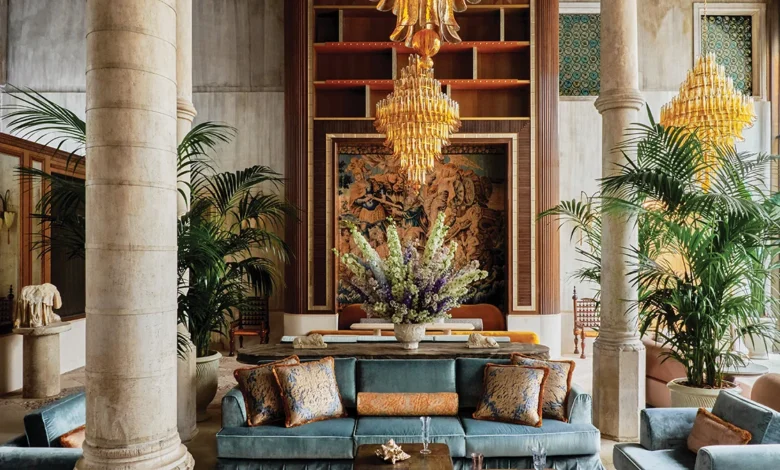
The unveiling of the Orient Express Venezia marks a transformative moment in the landscape of luxury hospitality within Italy, signaling a robust revival of the historic Palazzo Donà Giovannelli in the Cannaregio district. After an exhaustive eight-year restoration process, the 47-room property has emerged as a synthesis of Venetian architectural heritage and contemporary maximalist design. Overseen by the acclaimed designer Aline Asmar d’Amman—whose portfolio includes the meticulous restoration of the Hôtel de Crillon in Paris—the project represents a significant investment by the Orient Express brand, now a subsidiary of the Accor hospitality group.
A Chronology of Architectural Preservation
The Palazzo Donà Giovannelli is a structure of immense historical pedigree, dating back to the 15th century. Its evolution from a private noble residence to a premier hospitality destination has been a project of careful structural stewardship. The building is distinguished by its rare double-frontage design, offering access to two separate canals, a feature that provides both logistical advantages for private water-taxi arrivals and an expansive sense of light and space rarely found in the dense urban fabric of Venice.
The restoration timeline spanned nearly a decade, reflecting the complexities inherent in preserving fragile Renaissance-era frescoes, original mosaic flooring, and the intricate stone masonry of the Venetian Gothic facade. Throughout the construction phase, the primary objective was to marry the structural integrity of the 1400s-era palazzo with modern engineering standards, ensuring that the property meets the expectations of 21st-century travelers while retaining the soul of its noble origins.
Design Philosophy and Aesthetic Intent
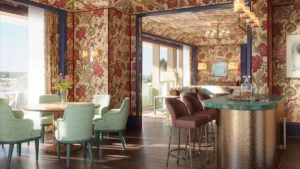
The interior narrative of the hotel is described by design teams as a “maximalist fever dream,” utilizing materials that honor Venice’s historical role as a nexus of trade and craftsmanship. This includes the extensive use of custom textiles from the historic Bevilacqua weaving house, which has been producing traditional velvets and silks in Venice since the 18th century. Complementing these fabrics are hundreds of bespoke Murano-glass chandeliers, which serve as focal points in the grand common areas.

The most dramatic architectural element is the octagonal staircase, a centerpiece of the lobby that serves as a sculptural bridge between the building’s historical layers. The property’s common areas—ranging from the gilded ballroom to the meticulously preserved mosaic-tiled halls—are designed to mimic the dramatic staging of an opera set, a subtle nod to the city’s long-standing connection to the performing arts.
The Signature Suite Experience
The hotel features 47 rooms, with the six signature suites located on the piano nobile—traditionally the most important floor of a Venetian palace, characterized by higher ceilings and grander proportions. These suites range up to 1,560 square feet and serve as a curated exhibition of the building’s history.
For instance, the Colori Persi suite was designed to evoke the “lost colors” of Venice—the muted, atmospheric palettes that have characterized the city’s aging facades for centuries. In contrast, the Cherubini Suite anchors its aesthetic around an original frieze by the 19th-century artist Sebastiano Santi, depicting delicate angelic figures. This historical artifact is juxtaposed with a mid-century modern chandelier by the legendary Venetian designer Carlo Scarpa, illustrating the property’s commitment to layering different eras of Italian design.
Gastronomy and Cultural Programming
Dining at the Orient Express Venezia is positioned as a critical component of the guest experience, with a focus on historical and local narratives. The signature restaurant, La Casati, is named after the eccentric Marchesa Luisa Casati, a renowned patron of the arts and former owner of the building that now houses the Peggy Guggenheim Collection. The culinary direction is led by Heinz Beck, a world-renowned chef whose presence underscores the hotel’s ambition to compete with the most prestigious dining establishments in the city.
The beverage program is anchored by the Wagon Bar, an Art Deco-inspired space that serves as a direct homage to the brand’s origins as a premier rail service. This thematic consistency aligns with the broader strategic vision of the Orient Express brand, which is currently expanding its portfolio to include the launch of the La Dolce Vita train fleet. By situating this property in close proximity to the city’s main railway hub, the brand is creating a seamless link between luxury rail travel and high-end residential hospitality.

Strategic Location and Market Positioning
The Cannaregio location is a deliberate strategic choice that differentiates the property from competitors situated in the more congested districts of San Marco or those requiring boat transfers to the island of Giudecca. By occupying a site that is both accessible to major tourist attractions and tucked away in a quieter, more authentic residential district, the Orient Express Venezia offers a level of discretion that appeals to ultra-high-net-worth travelers.
Market analysts suggest that the property serves as a bridge between the traditional grand hotels of the 20th century and the experiential luxury demanded by modern travelers. While historic hotels like the Cipriani or the Gritti Palace have long defined Venetian luxury, the Orient Express Venezia introduces a more narrative-driven, design-heavy approach.
Implications for the Venetian Hospitality Sector
The entry of this property into the market has broader implications for Venice’s tourism economy. As the city continues to navigate the challenges of over-tourism and the delicate balance of heritage conservation, high-value, low-density developments are increasingly viewed as a viable path forward. The restoration of a site like the Palazzo Donà Giovannelli not only preserves a significant cultural asset that might otherwise have fallen into disrepair but also redirects high-end visitor flow away from the most heavily impacted tourist corridors.
Furthermore, the integration of the hotel with the upcoming Orient Express train service suggests an evolving business model where transport and accommodation are vertically integrated. This ecosystem approach aims to capture the traveler for the duration of their entire journey, from their arrival by rail to their stay in a palace, creating a branded experience that is difficult to replicate.
As the hotel begins its first full cycle of operations, industry observers will be monitoring how the property manages the duality of its public-facing grandeur and the private, high-security requirements of its clientele. With the infrastructure of the Orient Express train network expected to expand significantly in the coming years, the Venezia property is well-positioned to become the flagship anchor of a new, highly curated Italian luxury corridor. The success of this project will likely set a benchmark for future hospitality restorations in historic cities, where the preservation of the past is no longer an obstacle to modern luxury, but its greatest asset.