Beyond the Pharaohs: Why Luxor’s Hidden West Bank Treasures Demand a Slower Travel Pace

When travelers arrive in the historic Egyptian city of Luxor, their itineraries are almost invariably dominated by a standardized checklist: the colossal hypostyle halls of Karnak Temple, the sprawling complex of Luxor Temple, and the subterranean royal sepulchers of the Valley of the Kings. While these monumental structures serve as the definitive gateways to ancient Thebes, travel industry experts and regional historians increasingly argue that rushing away from the West Bank after checking off these headline sites deprives visitors of a deeper understanding of antiquity. Beyond the primary tourist corridors lies an intricate network of lesser-known temples, ancient workers’ villages, and historical residences that offer profound insight into the socio-economic and artistic fabric of ancient Egypt.
Shifting Focus: Moving Beyond the Mainstream Circuit
Tourism data consistently demonstrates that the vast majority of international visitors to Upper Egypt concentrate their time on major national heritage sites. According to the Egyptian Ministry of Tourism and Antiquities, millions of travelers pass through monumental zones like Karnak and the Valley of the Kings annually. However, this heavy concentration often leads to rapid, superficial sightseeing, characterized by crowded tour groups and strict itineraries that leave little room for contemplation.
Travel specialists note that a burgeoning segment of cultural tourists is beginning to reject this breakneck pace. By extending stays by even a single day, travelers can unlock the quieter, more intimate archaeological layers of the West Bank. This shift aligns with broader trends in high-end cultural tourism, which prioritize immersive, slow-paced exploration over checklist-driven travel.
Medinet Habu: The Underrated Architectural Masterpiece
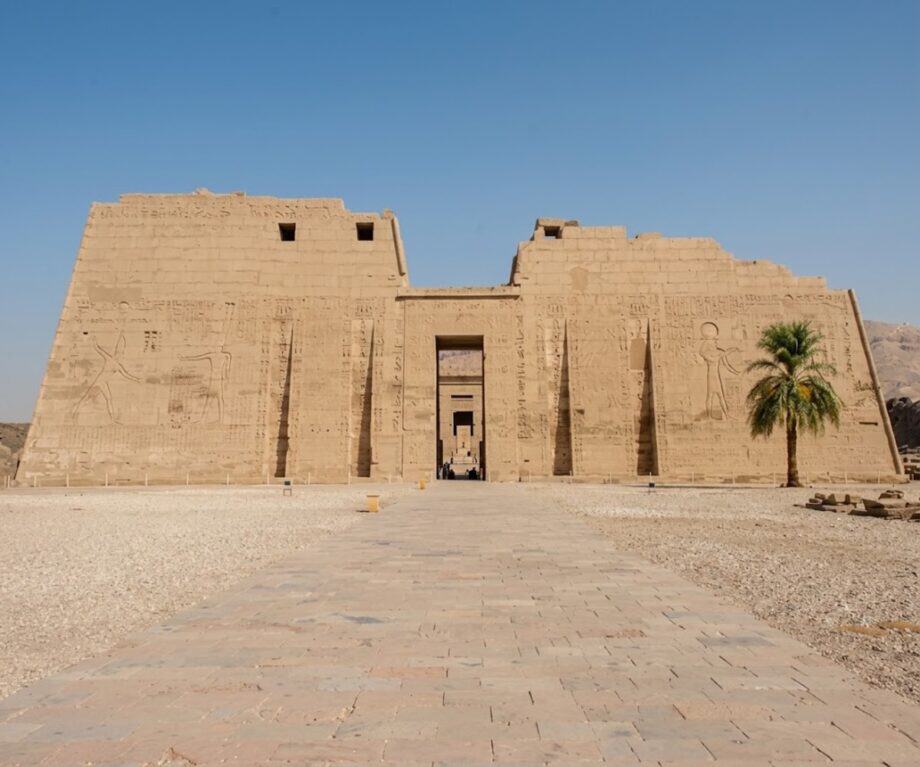
Among the most compelling alternative sites on the West Bank is Medinet Habu, the vast mortuary temple of Ramesses III belonging to the Twentieth Dynasty (c. 1186–1155 BCE). While Karnak often overwhelms visitors with sheer scale, Medinet Habu offers an astonishingly well-preserved narrative of military triumph and religious architecture.
The exterior walls of the temple feature deep, highly detailed relief carvings depicting the pharaoh’s decisive naval and land battles against the Sea Peoples—a crucial historical event that reshaped the Eastern Mediterranean at the end of the Bronze Age. Because fewer tour groups linger here compared to the Valley of the Kings, visitors have the rare opportunity to examine intricate hieroglyphs and vibrant remnants of ancient paint without the pressure of heavy crowds. Historians emphasize that studying Medinet Habu immediately after visiting Karnak provides a valuable comparative perspective on how New Kingdom monarchs utilized monumental art to legitimize their rule.
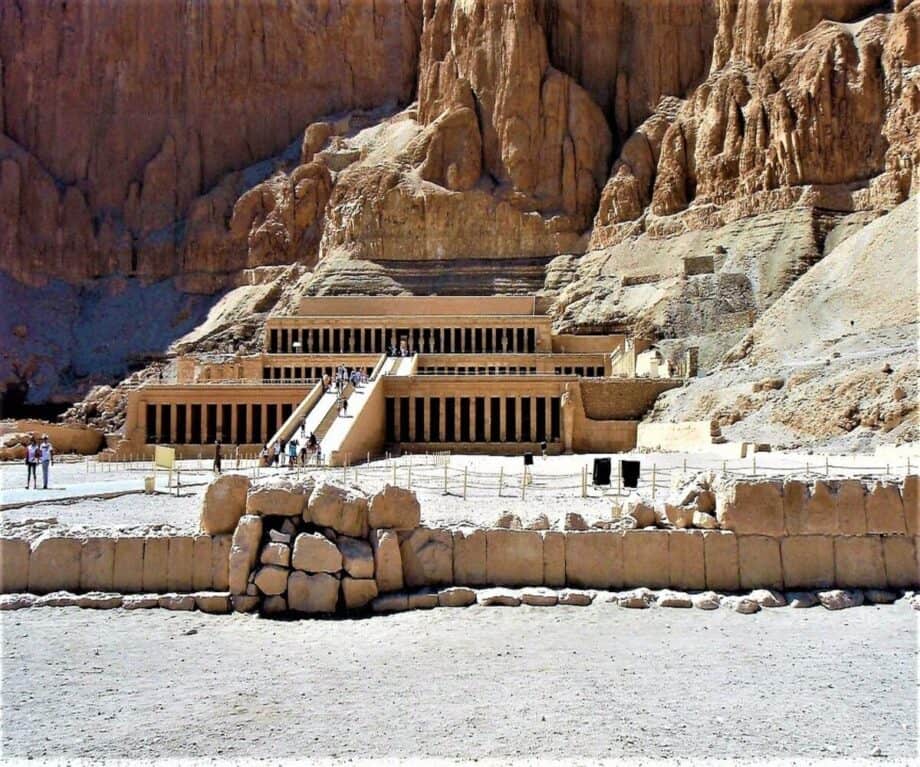
Deir el-Medina: Uncovering the Lives of the Artisans
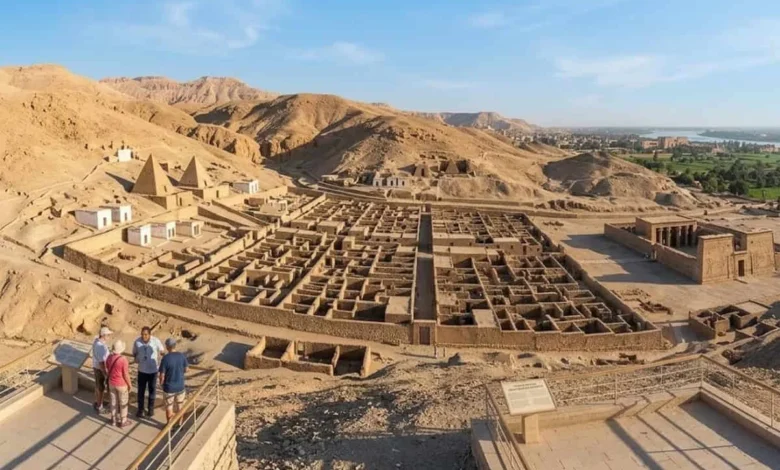
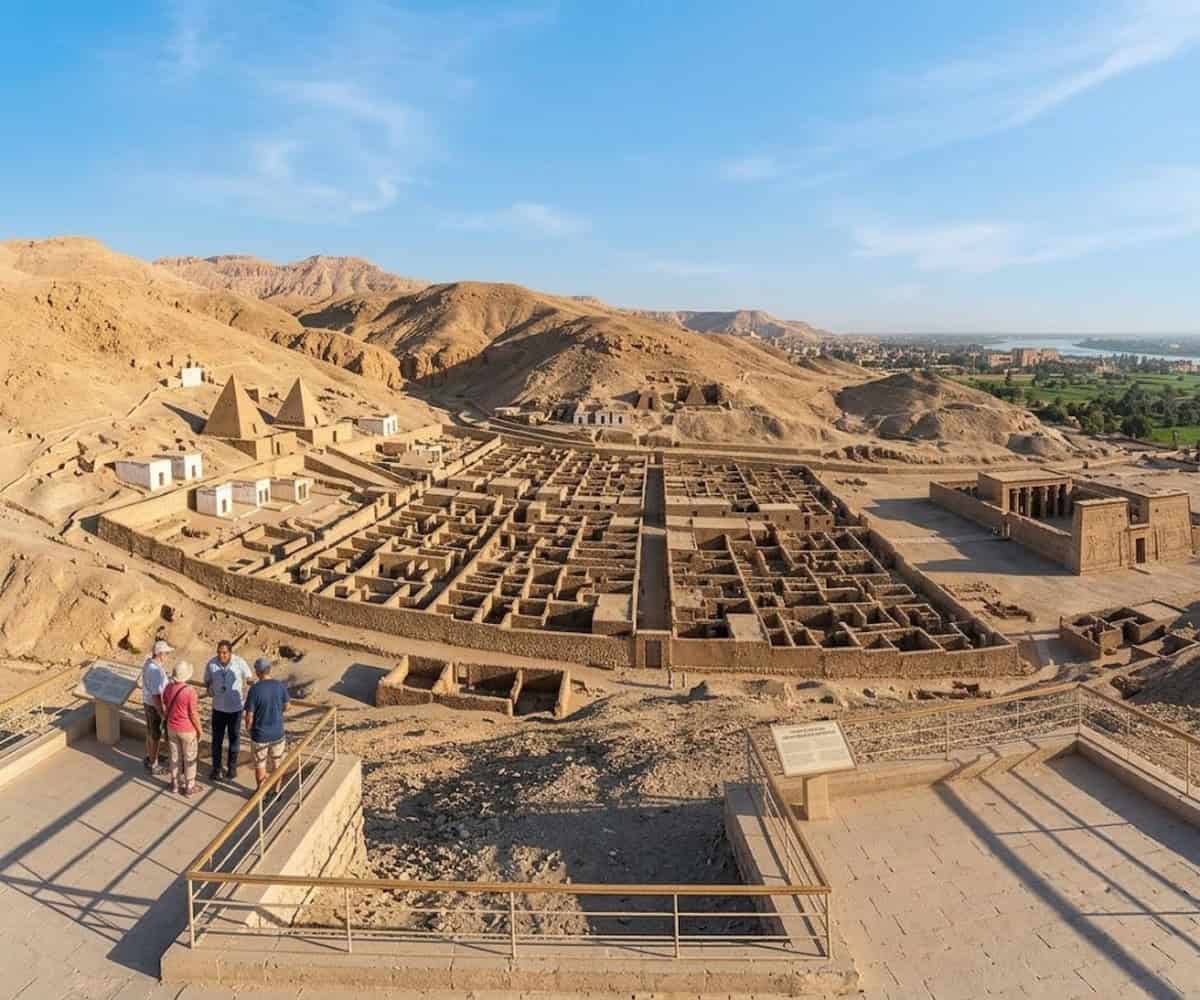
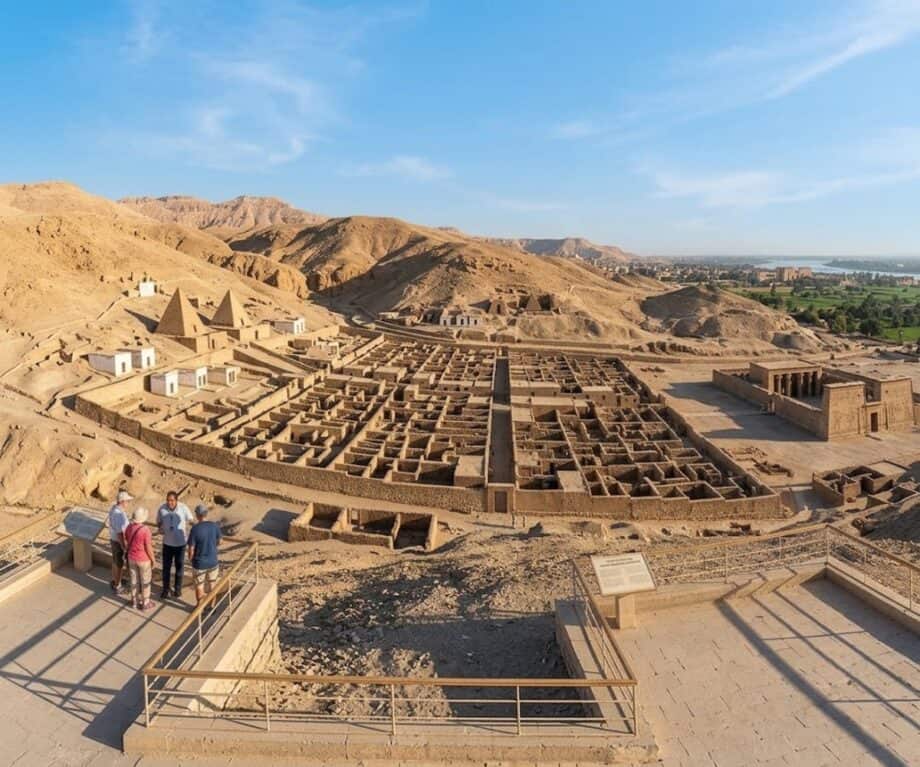
Shifting from royal propaganda to the realities of daily life, Deir el-Medina presents one of the most significant archaeological settlements from the ancient world. Located in a small valley between the Valley of the Kings and the Valley of the Queens, this site served as the isolated, walled community for the artisans, sculptors, and painters who constructed and decorated the royal tombs.
Excavations at Deir el-Medina have yielded tens of thousands of ostraca—flakes of limestone and pottery shards inscribed with administrative texts, legal documents, personal letters, and even poetry. These artifacts provide modern historians with unprecedented insight into the socioeconomic status, literacy rates, and daily struggles of working-class ancient Egyptians, including records of the world’s first recorded labor strike during the reign of Ramesses III. Walking through the foundations of the mud-brick houses and exploring the decorated tombs of the craftsmen themselves—such as the Tomb of Sennedjem—humanizes a civilization otherwise defined by monolithic stone and divine kingship.
The Tombs of the Nobles: A Window Into Daily Existence
While royal tombs focus almost exclusively on the netherworld, the Tombs of the Nobles, scattered across the hills of Sheikh Abd el-Qurna and Qurnet Murei, offer a vivid pictorial encyclopedia of everyday Egyptian life. These private sepulchers belonged to viziers, governors, and high-ranking priests of the New Kingdom.
The interior wall paintings diverge sharply from the religious texts found in royal burial chambers. Instead, they depict agricultural cycles, banqueting scenes with musicians and dancers, manufacturing processes, and family portraits. Art historians note that these tombs provide invaluable data regarding ancient Egyptian fashion, diet, technology, and social hierarchy. For the culturally curious traveler, exploring these smaller tombs offers a vital counterbalance to the grand narratives of the pharaohs.
Carter House and the Rediscovery Era
Connecting ancient history with modern archaeological exploration, the Carter House sits near the entrance to the Valley of the Kings. This mud-brick residence was the home of British archaeologist Howard Carter, who, alongside his financial backer Lord Carnarvon, discovered the intact tomb of Tutankhamun (KV62) in November 1922.
Restored and opened to the public, the house preserves Carter’s living quarters, darkroom, and the equipment he used during the decade-long cataloging of Tutankhamun’s treasures. Industry analysts point out that integrating sites related to the history of archaeology helps bridge the vast chronological gap between modern visitors and the ancient builders, contextualizing the immense patience and scientific rigor required to uncover Thebes’ hidden legacies.
The Ramesseum: Beauty in Fragmented Scale
Though heavily weathered by time and largely reduced to architectural fragments, the Ramesseum—the mortuary temple of Ramesses II—remains a powerful testament to the architectural ambitions of Egypt’s most prolific builder. Built during the Nineteenth Dynasty, the temple once featured massive seated colossi of Ramesses II, the remnants of which still lie shattered across the courtyards, inspiring Percy Bysshe Shelley’s famous sonnet, Ozymandias.
Rather than viewing the site’s ruined state as a disadvantage, heritage experts argue that the Ramesseum encourages active historical imagination. Standing among the fallen columns allows visitors to comprehend both the immense scale of New Kingdom architecture and the relentless forces of environmental and human degradation that reshaped the landscape over three millennia.
Implications of Slow Tourism for Luxor’s Economy
The rising interest in secondary archaeological sites carries significant implications for regional tourism management and local economies. Traditional mass-tourism models often concentrate economic benefits within a few high-profile zones, leading to severe infrastructural strain and tourist congestion.
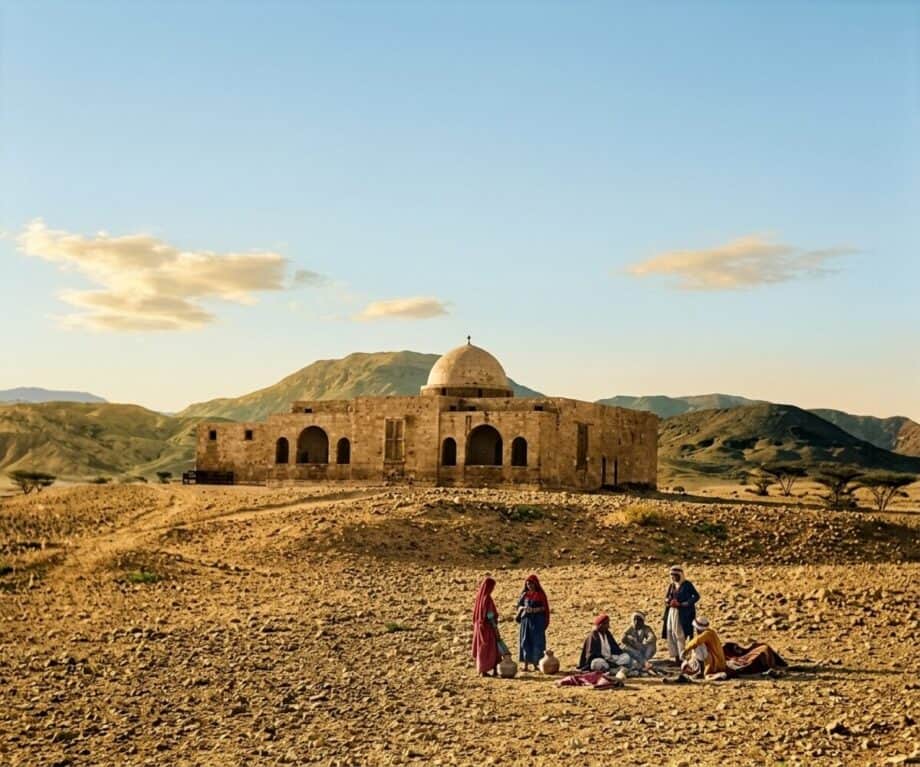
By diversifying itineraries to include sites like Medinet Habu, Deir el-Medina, and the Tombs of the Nobles, tour operators can distribute visitor traffic more evenly across the West Bank. This decentralization supports local service providers, craftspeople, and site guardians outside the primary urban centers. Furthermore, industry stakeholders note that private, highly customizable itineraries are increasingly replacing rigid group bus tours, allowing travelers to dictate their own pacing and engage more deeply with lesser-known historical assets.
Conclusion: Rewarding Patience in Ancient Thebes
Luxor’s enduring allure lies in its immense historical density, a landscape where every acre holds millennia of human endeavor. While the primary monuments will always command global attention, the city’s true character is often revealed in its quieter corners. By resisting the temptation to rush through a standardized checklist and instead allotting adequate time for the West Bank’s secondary sites, travelers can transform a conventional sightseeing excursion into a genuine historical engagement. Ultimately, Luxor rewards not the speed of the tourist, but the patience of the explorer.