Epic kayak journey 4000km from Kamchatka to Chukotka marks a historic milestone in arctic maritime exploration.

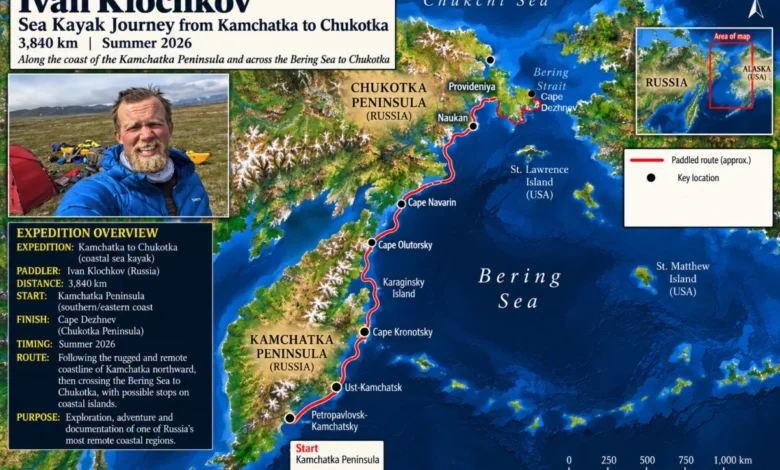
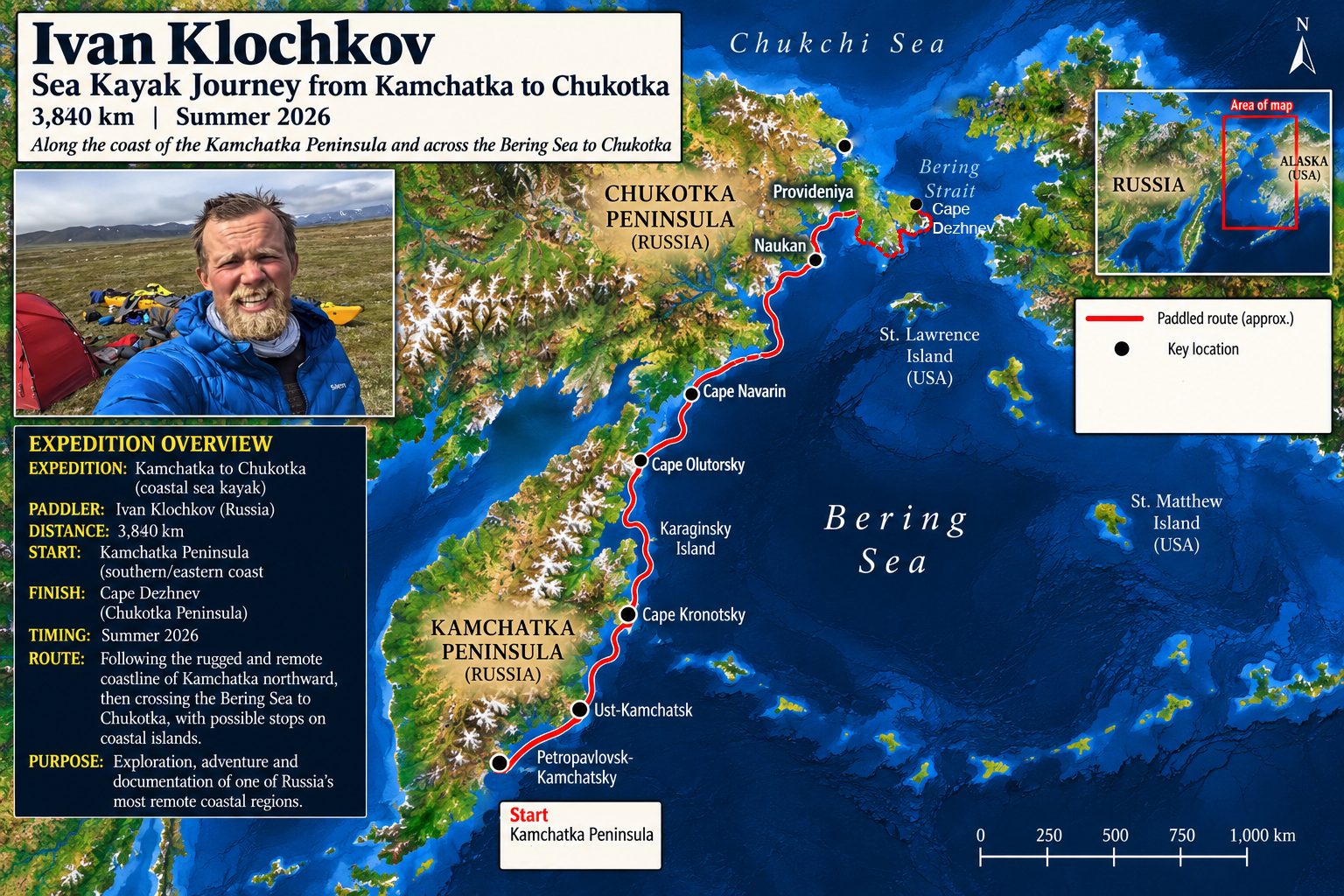
In a display of extraordinary endurance and maritime skill, Russian kayak guide Ivan Klochkov has completed a 3,840-kilometer expedition along the northeastern coastline of the Russian Federation. Traversing the unforgiving waters from Petropavlovsk-Kamchatsky in Kamchatka to the remote village of Uelen in Chukotka, Klochkov’s journey stands as the most significant sea kayaking endeavor in the region since the landmark 1999–2000 expedition by adventurer Jon Turk, who famously paddled from Japan to Alaska.
The expedition, which spanned 124 days, serves as a testament to both the physical demands of Arctic exploration and the logistical complexity of navigating one of the world’s most isolated marine environments. Klochkov reached his final destination on September 1, successfully navigating past Cape Dezhnev—the easternmost point of the Asian continent—which overlooks the Bering Strait and the North American continent beyond.
A Chronology of the Expedition
The genesis of the journey dates back approximately 18 months, during which time Klochkov engaged in rigorous physical training and logistical planning. Drawing inspiration from the historical routes established by early 21st-century explorers, he officially launched his kayak from Petropavlovsk-Kamchatsky on May 24.
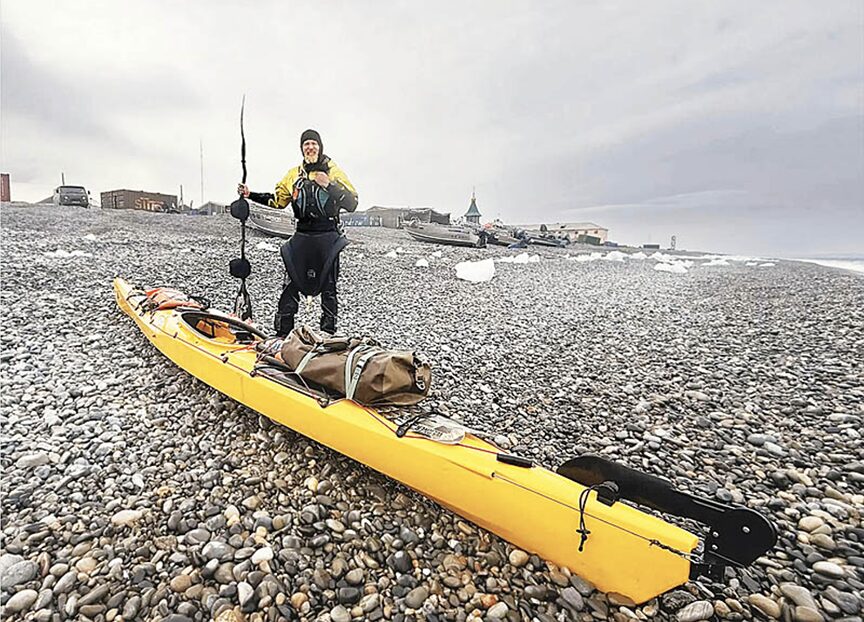
The initial phase of the expedition was a collaborative effort. Klochkov was accompanied by his father for the first 627 kilometers of the journey, a stretch that allowed for a structured start along the Kamchatka Peninsula. Following this segment, the mission transitioned into a solo endeavor. For the remaining 3,213 kilometers, Klochkov navigated the North Pacific and Arctic waters entirely on his own.
The pace of the expedition varied significantly based on geographic obstacles and weather patterns. Among the most challenging segments was the stretch between Ust-Kamchatka and the border of Chukotka. During this phase, geological constraints—specifically long, precipitous cliff sections that offered no opportunity for landing or refuge—necessitated a high-intensity push. Klochkov covered 600 kilometers in just 17 days, a pace that highlights the necessity of constant movement in areas where the coastline offers no sanctuary from the elements.
The Environmental and Biological Challenges
The northeastern coast of Russia is characterized by volatile weather systems, persistent fog, and extreme isolation. For a solo kayaker, the primary threat is not merely the sea state but the interaction with the regional apex predators.
Throughout his journey, Klochkov documented frequent encounters with brown bears along the coastlines of Kamchatka. These animals, often curious and opportunistic, posed a consistent threat to his base camps. To mitigate the risk of nocturnal intrusion, Klochkov utilized portable electric fencing systems, a standard but essential safety protocol for explorers operating in high-density bear habitats.
As the expedition moved further north into the Chukotka region, the wildlife risks evolved. The transition from brown bear territory to the range of the polar bear required an even higher level of vigilance. The logistical burden of carrying supplies for a multi-month journey, while simultaneously maintaining defensive measures against large carnivores, underscores the technical difficulty of the expedition. Despite these hazards, documentation provided by the explorer confirms that he maintained his equipment and safety protocols throughout the 124-day duration.
Contextualizing the Route: History and Geography
The route taken by Klochkov mirrors some of the most historic maritime corridors in the North Pacific. The Bering Strait, which separates Asia from North America, has long been a focal point for explorers seeking to understand the connectivity of the Arctic.
The influence of Jon Turk’s 1999–2000 expedition remains a significant benchmark in this field. Turk’s success in bridging the gap between Japan and Alaska via the Russian coast proved that such a feat was possible with the right equipment and timing. Klochkov’s journey updates this narrative, providing modern data on current coastal conditions, ice patterns, and the feasibility of long-range sea kayaking in an era of shifting Arctic climates.
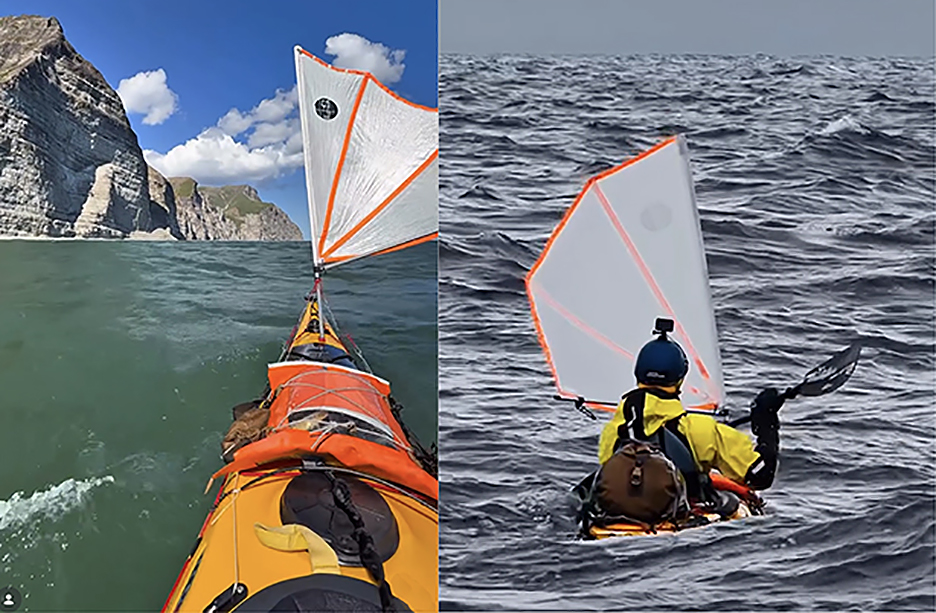
By utilizing a small sail to supplement his paddling, Klochkov demonstrated an understanding of the region’s prevailing wind patterns. This hybrid approach—combining traditional human-powered propulsion with wind assistance—is increasingly common in modern sea expeditions as it allows for greater speed during favorable weather windows, reducing the time spent exposed to the harsh, unpredictable conditions of the open ocean.
Broader Implications for Arctic Exploration
The successful completion of this 3,840km route holds implications for the small but dedicated community of polar and maritime adventurers. First, it demonstrates that even as geopolitical tensions and environmental changes complicate international movement, the physical challenge of the Russian Far East remains a viable frontier for elite explorers.
Second, the expedition serves as a vital case study in solo survival logistics. The ability to sustain a long-term expedition without external resupply points for hundreds of kilometers at a time is a rare skill set. The data gathered during this trip, including the mapping of landing sites and the documentation of wildlife behavior, adds to the collective body of knowledge regarding the northeastern Siberian coast.
From a scientific perspective, although the expedition was not explicitly categorized as a research mission, the photographic and video evidence captured by Klochkov provides a contemporary visual record of the coastal terrain. This is particularly valuable given the relative lack of consistent, high-resolution documentation for these remote areas.
Professional and Logistical Considerations
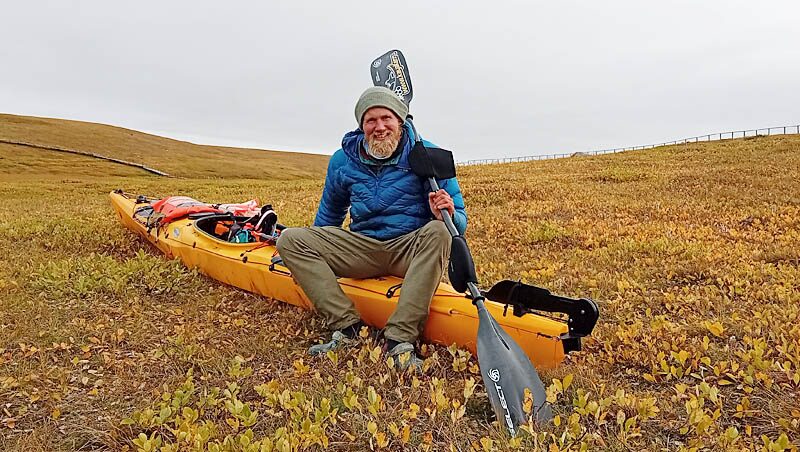
The success of the expedition was heavily reliant on Klochkov’s experience as a professional kayak guide. His ability to read the sea, identify safe landing zones, and manage the psychological strain of extreme isolation was critical to his survival. Furthermore, the use of modern communication and navigation technology—which was necessary for tracking and safety—contrasts with the primitive conditions he faced on the ground.
While social media and digital connectivity are often viewed as secondary to the core mission of an expedition, in this case, it served as a primary means of verification. Despite the complex legal and administrative environment regarding foreign technology platforms in Russia, the documentation provided via digital channels has allowed the international community to witness the progression of the journey in real-time.
Conclusion and Legacy
The 4,000km journey from the base of Kamchatka to the northern tip of Chukotka is more than a mere athletic feat; it is a significant chapter in the annals of modern exploration. By successfully traversing these waters, Ivan Klochkov has effectively linked his name to the legacy of the few who have dared to navigate the perilous, cold-water corridors of the Russian Far East.
As the Arctic continues to undergo rapid transformation, the lessons learned from such expeditions—regarding equipment, wildlife management, and the sheer endurance of the human spirit—will likely inform the planning of future adventurers. The journey remains a stark reminder of the vastness of the natural world and the persistent human desire to test the boundaries of what is possible in the world’s most remote corners. For the local communities in places like Uelen, the arrival of such an expedition is a reminder of the historical significance of the Bering Strait and the enduring human connection to the sea.