The Karavshin Range of Kyrgyzstan: A New Frontier for Big-Wall Climbing in Central Asia

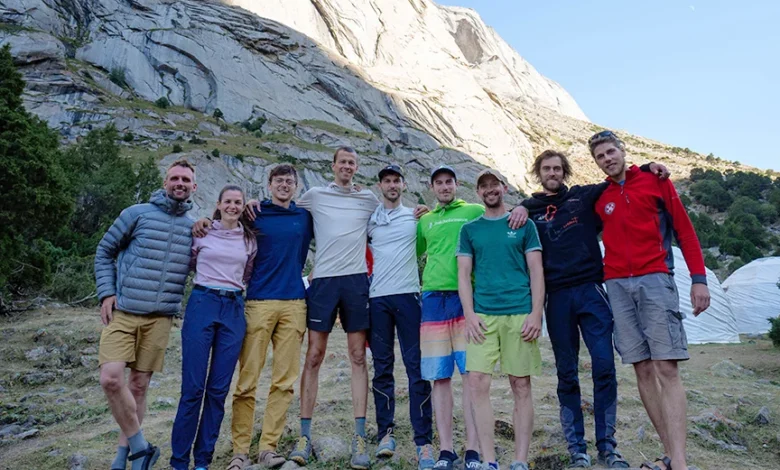
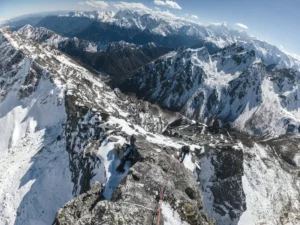
The Karavshin Range, situated within the rugged Pamir-Alay mountains of Kyrgyzstan, has officially cemented its reputation as a premier global destination for big-wall climbers. Throughout the month of August, a nine-member expedition team from the Croatian Mountaineering Association successfully navigated the granite cathedrals of the Ak-Su and Kara-Su valleys. This region, often characterized by granite walls reaching elevations of 5,509 meters, is increasingly being referred to by the international climbing community as the Patagonia of Central Asia—a testament to the aesthetic quality of its rock and the vertical challenges it presents.
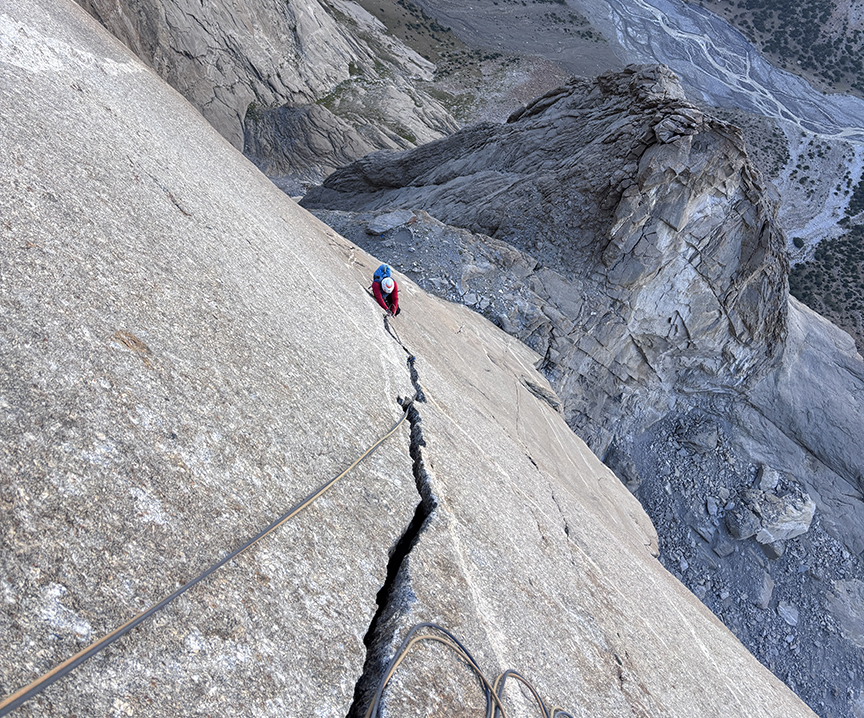
The Croatian expedition, led by a cohort of veteran and younger climbers, spent four weeks conducting a series of ascents that included both classic routes and the establishment of new, technically demanding lines. While the expedition demonstrated the immense potential of the region for future alpinism, it also highlighted the logistical and health-related realities of operating in such remote, high-altitude environments.
Chronology of the Expedition
The team’s arrival in August coincided with the peak climbing season, a period when the valleys see a influx of international mountaineers. The expedition began with acclimation and the repetition of established classics, most notably the legendary Perestroika Crack. This 900-meter route on the north face of the 4,240-meter Pik Slesova is widely considered the crown jewel of the area, graded at 7a. The Croatian climbers executed a variety of styles, with some members successfully free-climbing the route, while others completed it in a single, high-intensity push lasting nearly 18 hours.

The team’s most significant contribution was the establishment of a new route on the 4,430-meter Pik Breeze, which they named Canned Horse. The line, spanning 930 meters across 23 pitches with a grade of 6c A0, required two days of intense physical exertion. The team departed base camp at 5:00 a.m., traversing precarious scree slopes before committing to a couloir below the west ridge. Negotiating loose rock and navigating complex crack systems, the team bivouacked on a cramped ledge that barely accommodated their small group. They reached the summit the following day, marking a significant achievement in regional exploration, particularly given that the history of prior attempts on that specific face remained shrouded in uncertainty.
In the latter half of the month, the expedition shifted focus toward the Central Pyramid of Ortotyubek. Sinisa Skalec and Ivan Vitez, two of the team’s most active members, attempted a new line to the left of the established Take It Easy route. However, this effort was curtailed on August 26 as the cumulative impact of gastrointestinal illness forced a retreat.

Logistical Realities and Health Challenges
A persistent issue that shadowed the expedition was the widespread prevalence of foodborne illness. Deputy leader Lukas Grbac Lackovic reported that nearly every member of the team suffered from severe gastrointestinal distress at various points during the month. Symptoms included persistent fever, abdominal bloating, and physical weakness, which hampered the team’s ability to operate at peak performance.
The situation became critical when team member Eva Pejic developed an illness so severe that she was unable to navigate the terrain back to civilization independently. Her evacuation involved an 11-kilometer transport effort, supported by her teammates and other international climbers stationed in the base camp area. Pejic was eventually transported to the city of Osh, where she underwent medical treatment and recuperation.

Reflecting on these challenges, Grbac Lackovic noted that while the regional outfitters are highly efficient at managing permits, security, and transport, the food and hygiene standards at base camps remain a significant point of concern. For future expeditions, the team suggests that self-sufficiency in nutritional planning and the procurement of independent water filtration and cooking equipment are not merely luxuries, but essential requirements to maintain the health of climbers in the region.
The Karavshin Range as a Climbing Hub
The Karavshin region, specifically the Ak-Su and Kara-Su valleys, has undergone a transformation over the last two decades. Following the turn of the millennium—a period marked by geopolitical instability that once deterred international visitors—the valley has emerged as a stable and highly sought-after destination. The year 2026 saw an estimated 100 climbers pass through the area, representing a diverse cross-section of the global mountaineering community, including teams from the United States, Japan, Chile, and across Europe.

Despite the "Patagonia of Central Asia" moniker, the region offers a distinct experience compared to its South American counterpart. The Karavshin Range is characterized by more predictable, favorable weather in August, allowing for a higher volume of climbing days. Furthermore, the proximity of the granite walls to the base camp—often reachable within 15 minutes in approach shoes—stands in stark contrast to the grueling, multi-day glacier approaches common in the Southern Patagonian Ice Field.
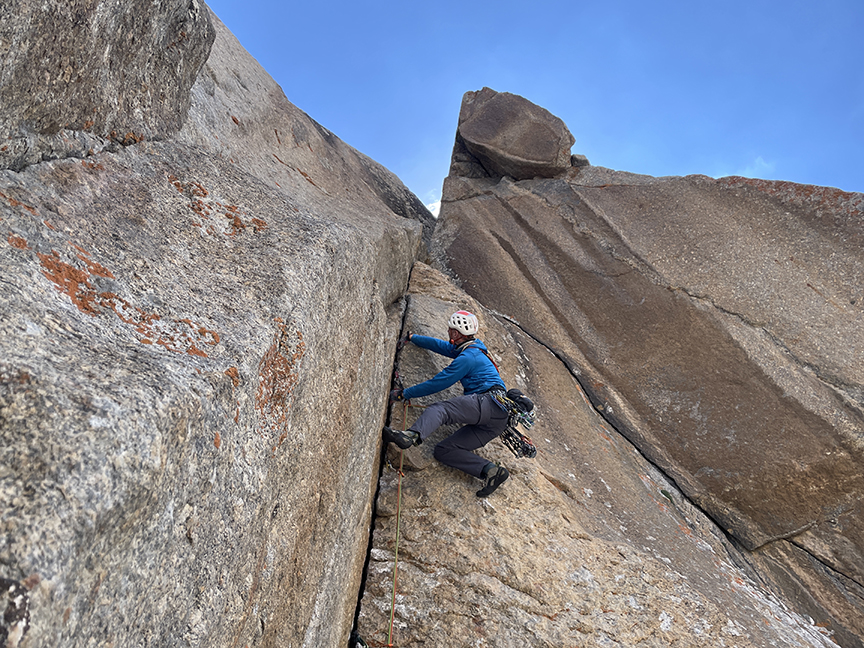
However, the nature of the rock itself presents a different set of challenges. The granite is closer in texture to that of Patagonia than to the smooth, clean surfaces of Yosemite. The primary obstacle for climbers is the presence of vegetation and accumulated dirt within the cracks, which requires active cleaning. The most popular routes have been maintained by previous generations of climbers, but for those seeking new, unclimbed lines, significant labor is required to prepare the rock for safe, aesthetic ascent.

Safety and Geopolitical Context
Security in the region is currently viewed as robust, though the proximity to the Tajikistan border necessitates a cautious approach. Entry into the valleys requires passage through military checkpoints, where documentation is strictly verified. The current system relies heavily on local outfitters, who act as intermediaries to manage the complex permit applications. This bureaucratic layer, while potentially daunting for independent travelers, ensures that mountaineers remain in compliance with local regulations and are accounted for by regional authorities.
Lukas Grbac Lackovic praised the local Kyrgyz population for their honesty and reliability, noting that despite the harshness of the environment, the local infrastructure for expedition support has proven to be highly professional. This positive assessment of the local culture and the ease of navigation is likely to further catalyze the influx of international teams in the coming years.

Implications for the Future of Central Asian Alpinism
The Croatian team’s experience underscores a broader trend: the democratization of high-end big-wall climbing in remote regions. With the most "obvious" lines already claimed in historical climbing hubs like the Alps or the North American ranges, mountaineers are increasingly looking toward Central Asia.
The potential for new, high-quality routes in the Karavshin Range remains vast. While the main, accessible faces have been heavily documented, the side valleys, such as the Orto-Chashma Gorge, offer virtually untapped territory. However, the future of the region as a sustainable climbing destination depends on several factors:
- Infrastructure and Hygiene: As the volume of climbers increases, the current base camp model will need to modernize its waste management and food handling processes to avoid the health crises that plagued the 2026 season.
- Environmental Stewardship: The practice of cleaning dirt and grass from cracks is essential, but it also necessitates a discussion on ethics. Maintaining the "clean" status of new routes without overly bolting the granite will be critical to preserving the character of the range.
- Information Sharing: While digital guidebooks and informal networks at base camps currently serve as the primary sources of information, there is a growing need for a centralized, transparent repository of route data to ensure safety and prevent redundant efforts.
The Croatian expedition serves as a case study for modern alpine exploration: a mixture of high-level technical success and the humbling reality of human vulnerability in the wilderness. As the Karavshin Range continues to grow in popularity, it stands as a testament to the enduring human drive to seek out new vertical challenges in the world’s most remote corners. For the climbing community, the lesson is clear: Central Asia is no longer just a destination for high-altitude peaks; it is a world-class arena for technical granite climbing, provided one is prepared for the logistical complexities that come with the territory.