Sahara Desert Luxury Tourism: A Detailed Report on Erg Chebbi Expeditions and Cultural Integration in Merzouga

The rapid expansion of high-end desert tourism in Morocco’s Erg Chebbi dune region has transformed remote landscapes into sophisticated hospitality hubs, blending traditional nomadic lifestyles with modern luxury amenities. Recent expeditions, such as those conducted near the border town of Merzouga, highlight a shifting travel paradigm where visitors seek immersive cultural engagement rather than brief, superficial sightseeing. This report examines the operational dynamics, economic implications, and cultural integration surrounding luxury desert camps, specifically focusing on the multi-day itineraries managed by adventure operators in the region.
Geographical Context and Infrastructural Growth
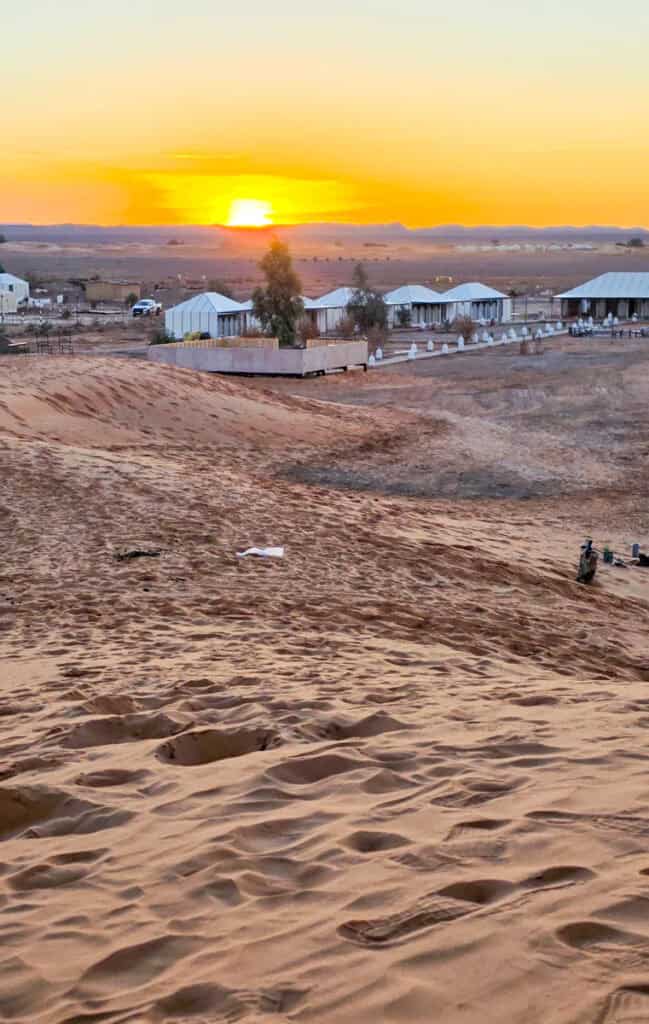
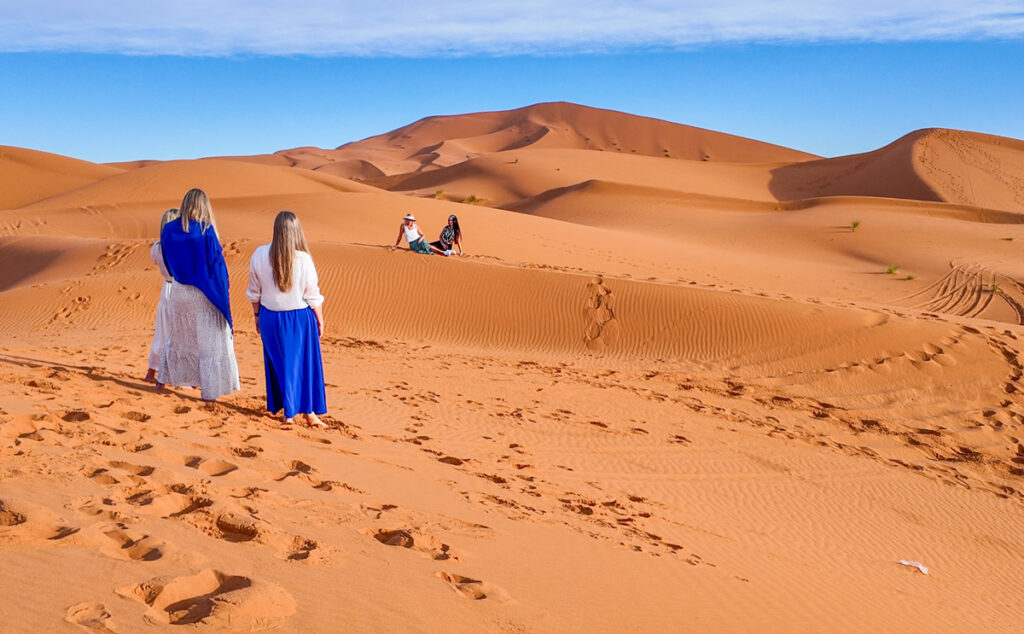
The Erg Chebbi dune system, situated approximately 560 kilometers from Marrakech near the Algerian border, spans roughly 28 kilometers in length with sand ridges reaching heights of up to 150 meters (490 feet). Historically, travel into this environment was restricted to rugged camel caravans and rudimentary Berber shelters. However, the maturation of regional infrastructure—including the expansion of paved transit networks connecting major urban centers like Fes and Marrakech to the desert fringes—has facilitated the rise of luxury tented camps.
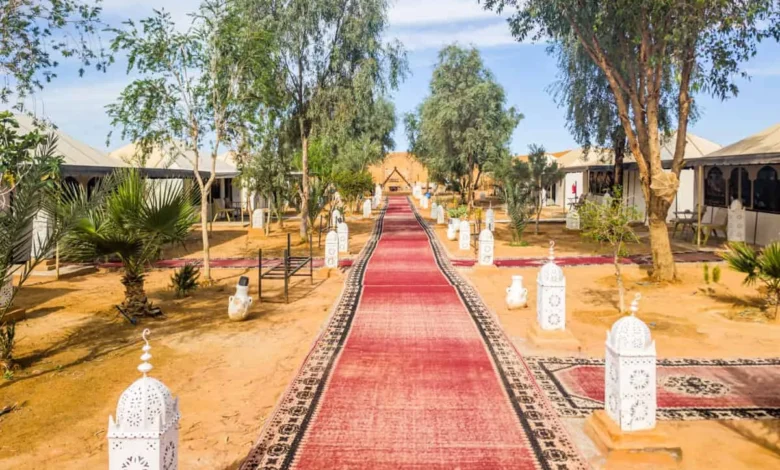
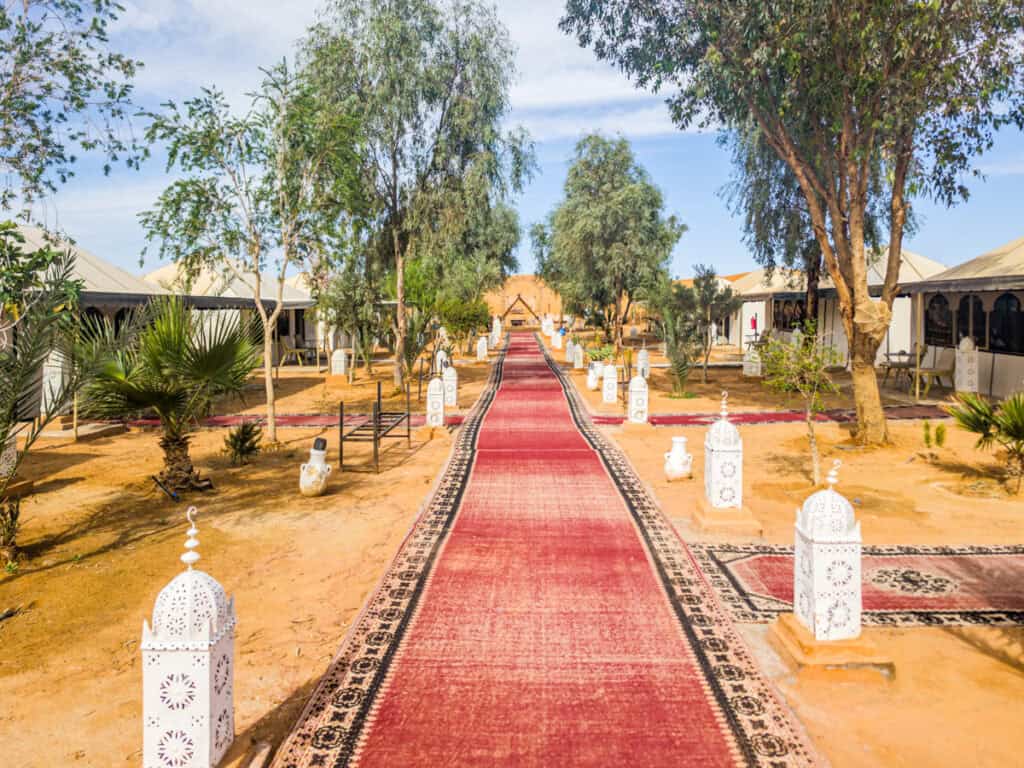
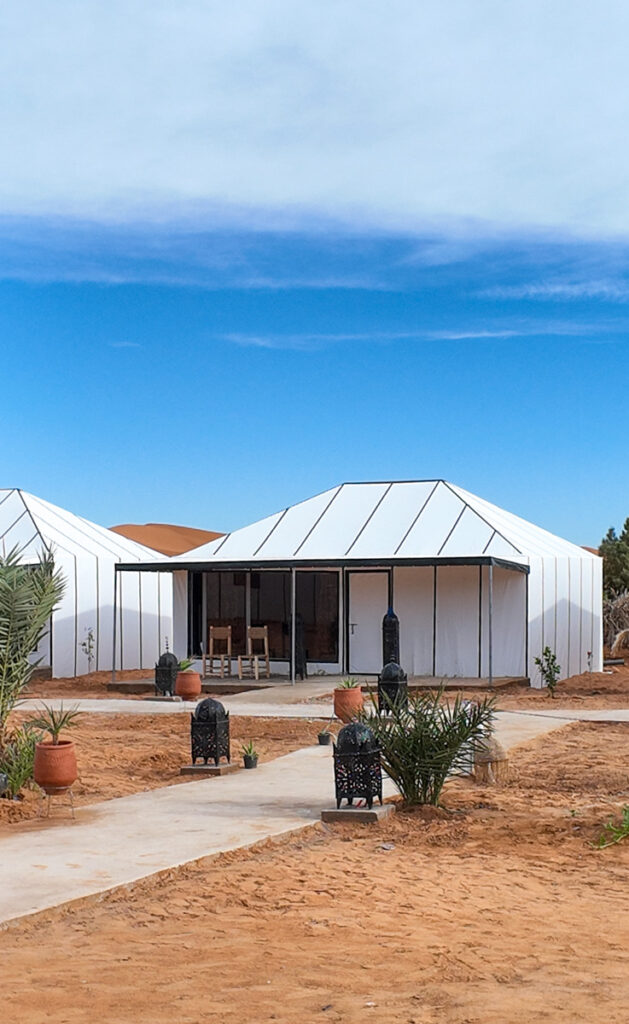
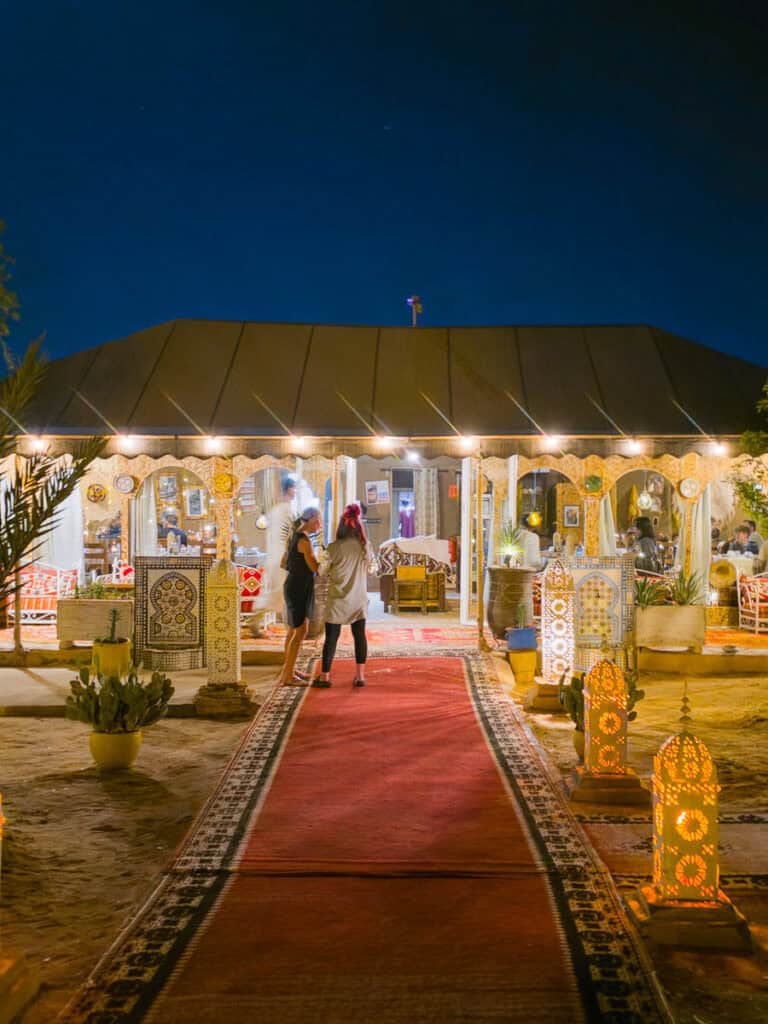
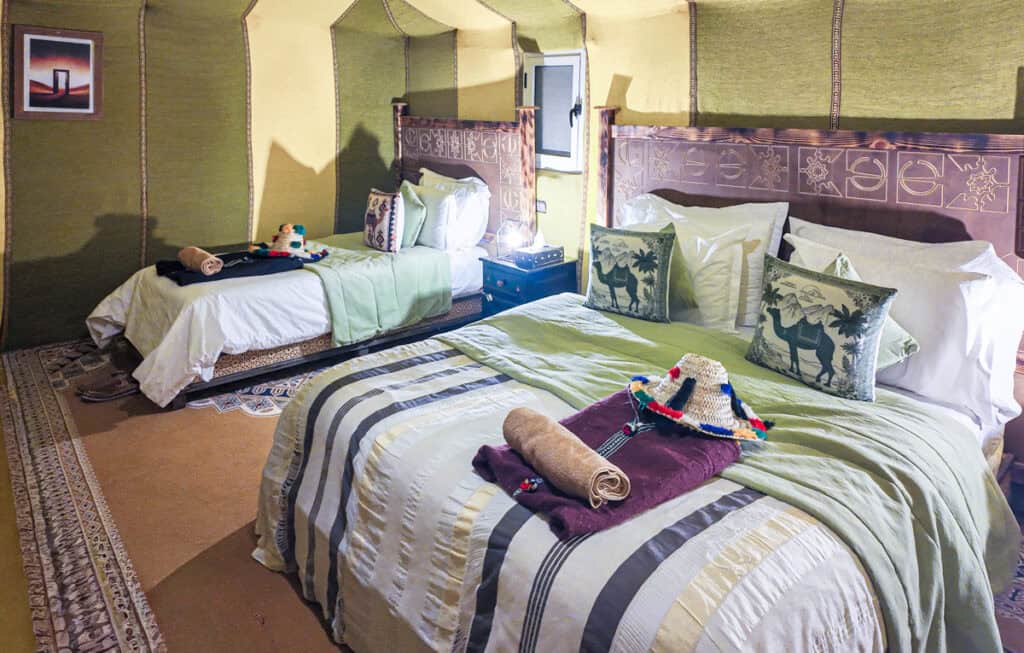
Modern luxury camps, such as the Sahara Majestic Luxury Camp, redefine the remote desert experience by integrating modern architectural conveniences into canvas structures. Unlike traditional bivouacs featuring communal latrines, contemporary luxury iterations incorporate en-suite facilities with hot water, stable electrical grids, and insulated double or twin bedding. This infrastructural evolution has broadened the demographic reach of desert tourism, making multi-night excursions accessible to travelers who might otherwise forego primitive camping conditions.
Chronology of a Two-Day Desert Itinerary
A standard multi-day expedition into the Erg Chebbi dunes typically follows a structured chronological framework designed to maximize environmental engagement and minimize physical fatigue.
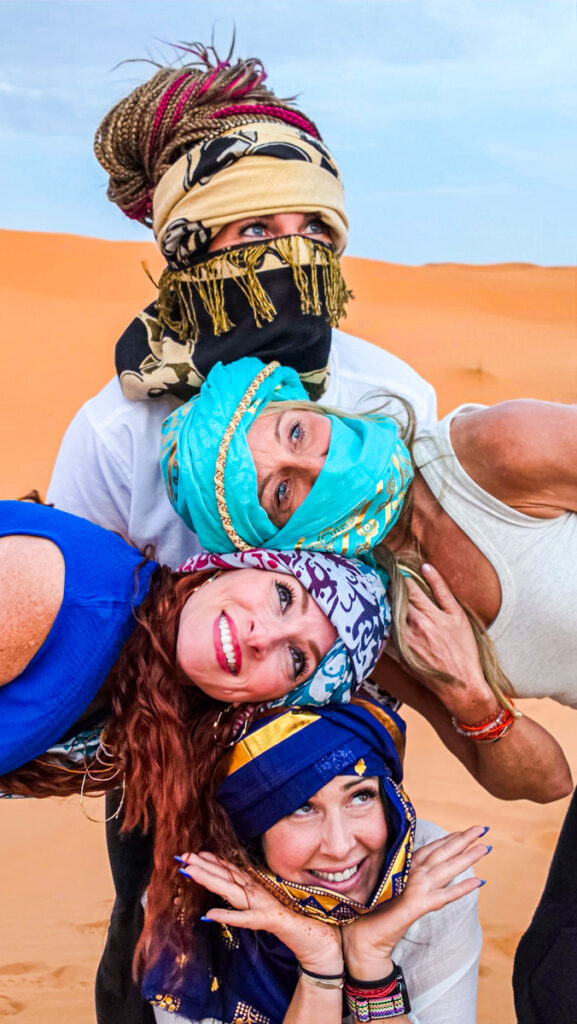
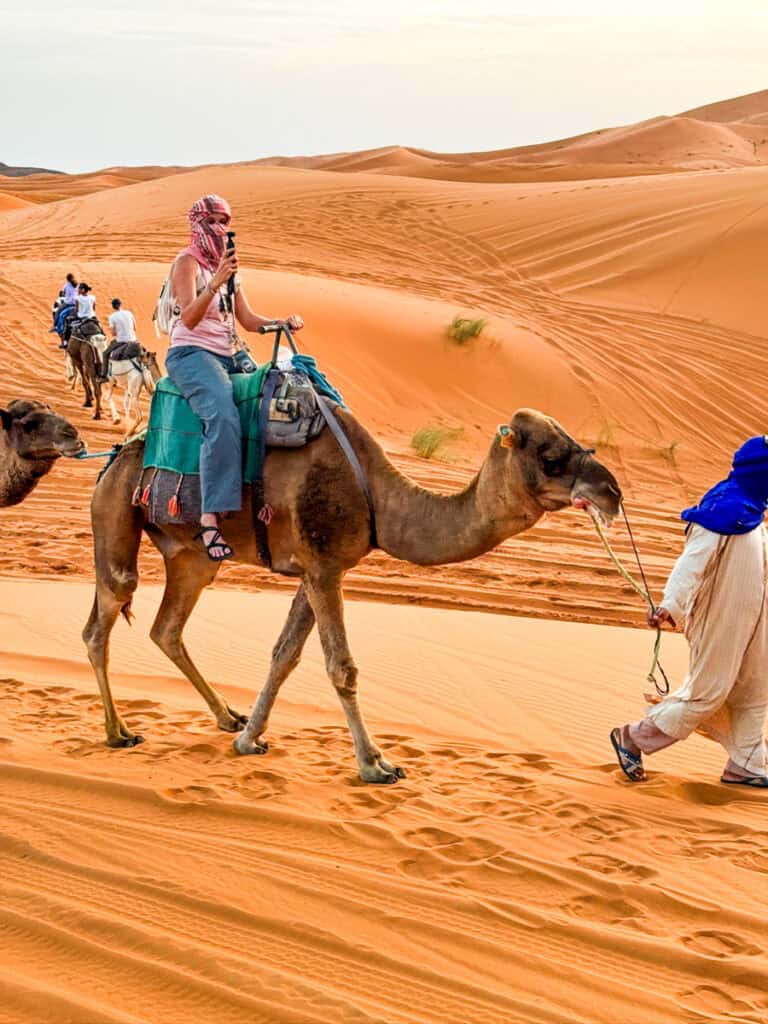
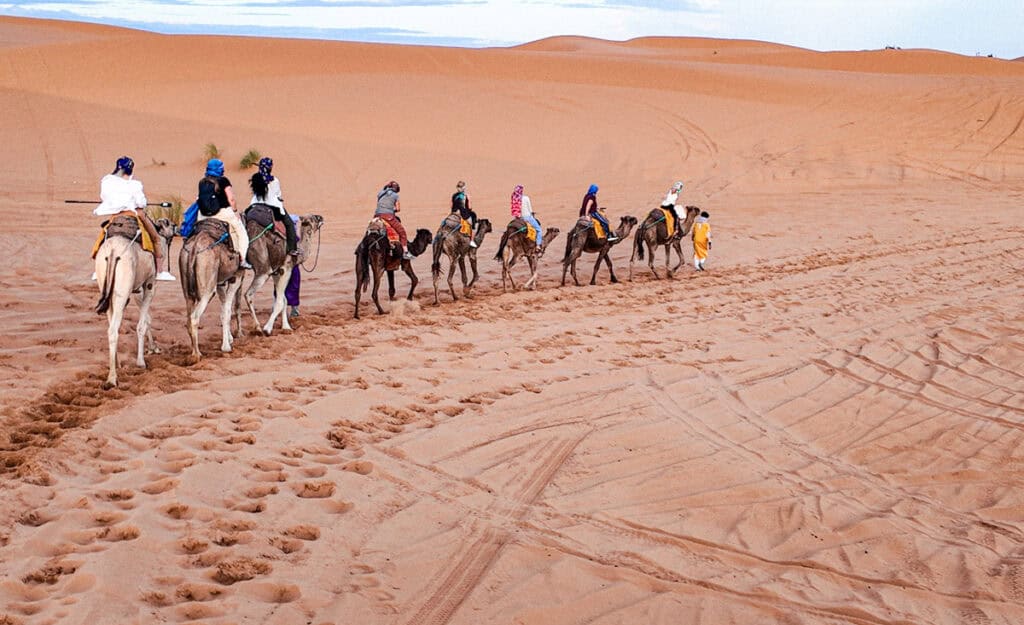
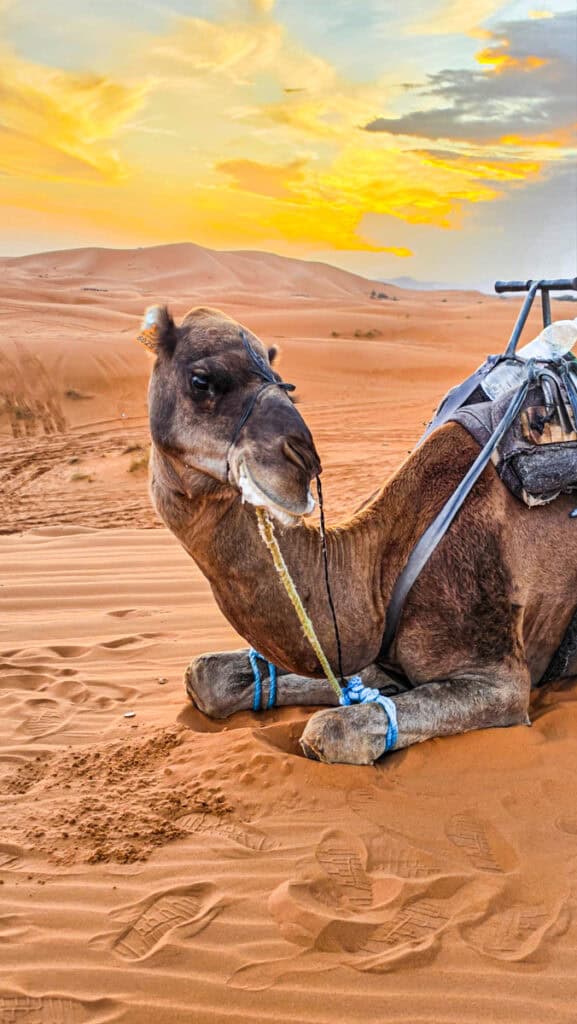
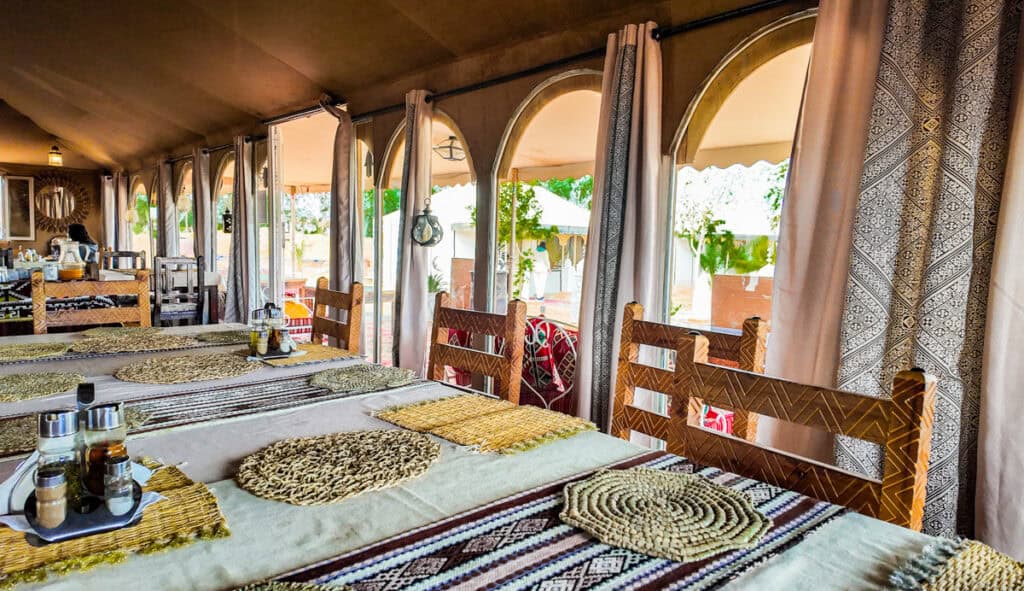
Day One centers on transition and arrival. Travelers typically arrive via private 4×4 transport or bus at the perimeter where motorized vehicles can no longer safely navigate the shifting sands. Luggage is transferred to dedicated support vehicles, while participants embark on a traditional dromedary (one-humped camel) trek lasting approximately 90 minutes. This journey culminates in a ridge stop for sunset viewing before arriving at the camp under moonlight. Evening activities generally consist of a traditional, multi-course Berber dinner served in a central dining pavilion, followed by early rest to prepare for dawn activities.
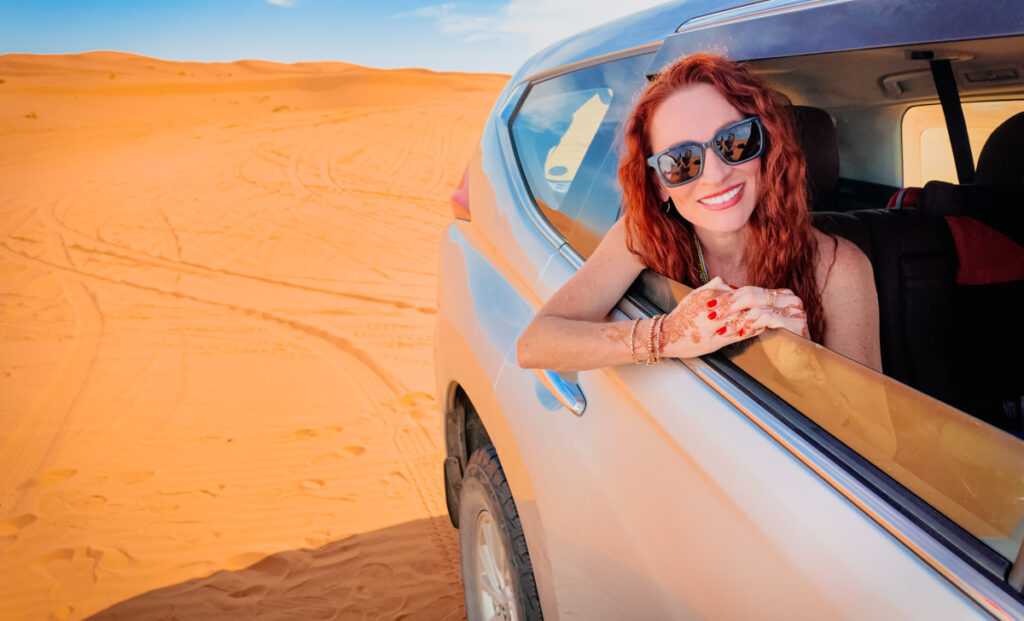
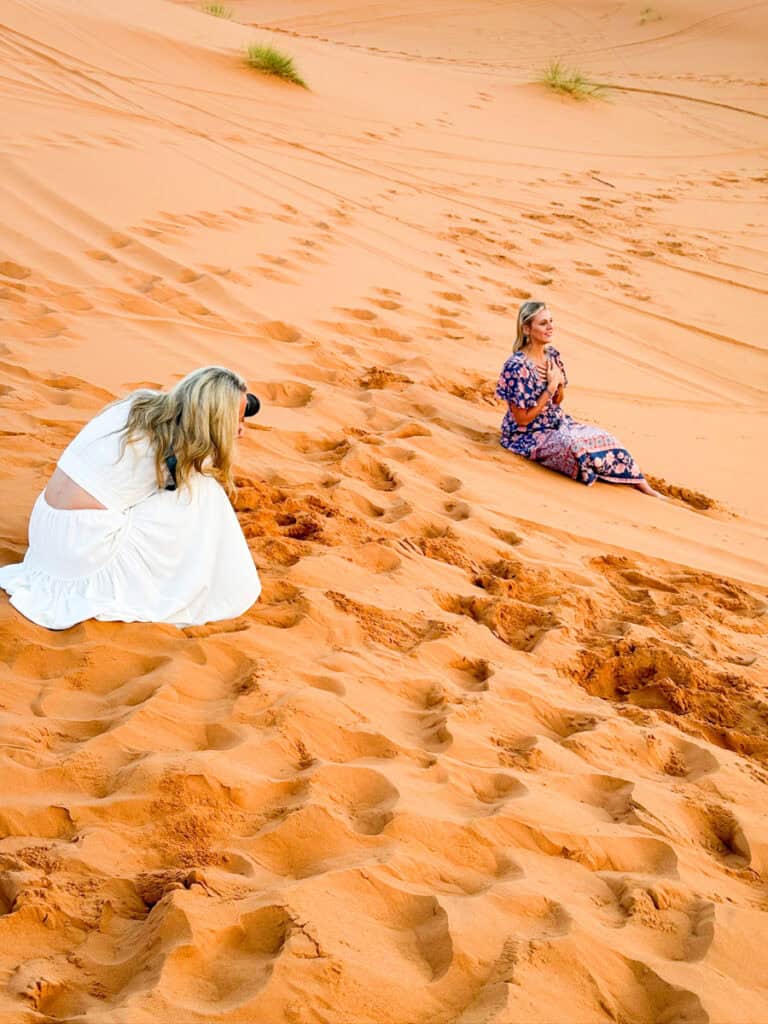
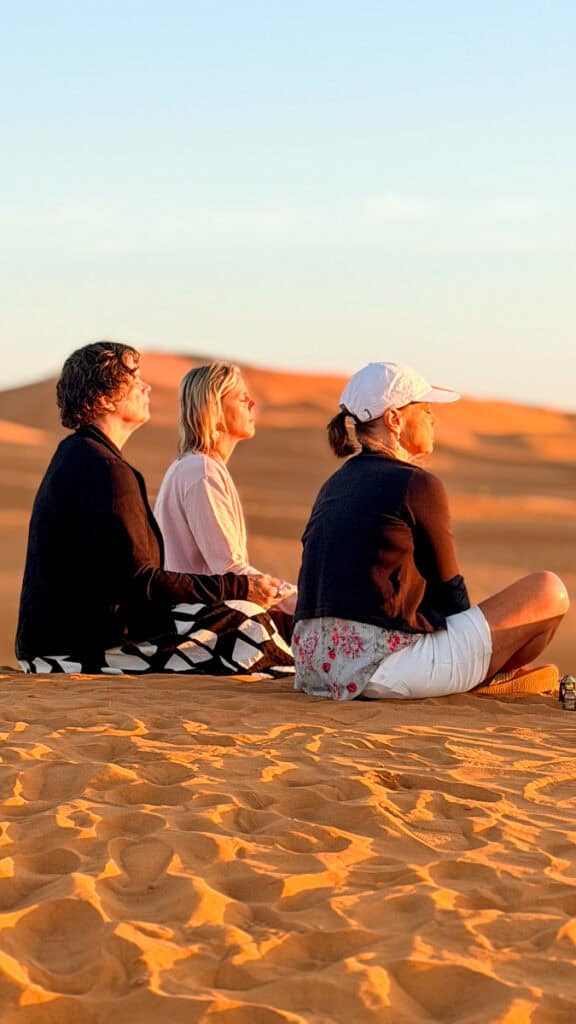
Day Two prioritizes local exploration and high-intensity desert recreation. Morning schedules commence with sunrise observation sessions atop the dunes, frequently utilized for landscape photography and meditation. Following a traditional breakfast of Berber omelets and local grains, the afternoon features a comprehensive 4×4 excursion through the surrounding desert communities. This includes visits to communal agricultural projects dependent on ancient irrigation systems, coffee stops near desert oasis lakes, and cultural immersion in the village of Khamlia.
Cultural Heritage and Community Integration in Khamlia
A vital component of contemporary desert itineraries is the cultural exchange facilitated within Khamlia, a village situated approximately seven kilometers south of Merzouga. Khamlia is internationally recognized for its preservation of Gnawa music—a spiritual, trance-inducing art form historically rooted in the heritage of sub-Saharan Africans brought north across the Sahara.
In 2019, UNESCO inscribed Gnawa music onto its Representative List of the Intangible Cultural Heritage of Humanity, acknowledging its cultural significance. Tourism initiatives in Khamlia allow visitors to interact directly with local musicians, learn traditional drumming techniques, and understand the historical narratives embedded in the music. Furthermore, organized luncheons hosted by local nomad families provide critical economic support to populations navigating the seasonal migration between desert lowlands and mountain pastures. Operators emphasize that structured community tourism ensures direct financial benefit to residents who manage the ecological and climatic challenges of the region.
Recreational Logistics and Safety Regulations
Beyond cultural tourism, the Erg Chebbi region serves as a major hub for adventure sports, prominently featuring quad biking (ATVs) and sandboarding. Local operators regulate these activities through speed-limited vehicles to ensure participant safety while navigating steep, shifting dunes.
Safety guidelines and logistical planning are critical components of desert administration. Due to extreme thermal fluctuations—where daytime temperatures in October average 30°C (86°F) before dropping to 10°C to 14°C (50°F to 57°F) at night, and winter temperatures occasionally fall below freezing—operators stress the necessity of layered clothing and adequate hydration. Furthermore, medical preparedness, such as accommodating dietary restrictions (including comprehensive gluten-free protocols implemented by camp kitchens), reflects a professionalization of regional hospitality standards.
Socioeconomic Implications and Industry Analysis

The integration of high-end tourism into the Merzouga region carries significant socioeconomic implications. Economically, the demand for specialized camp staffing, culinary services, artisanal crafts, and guided transport provides sustainable employment for local Berber communities, mitigating the economic vulnerabilities associated with traditional pastoralism.
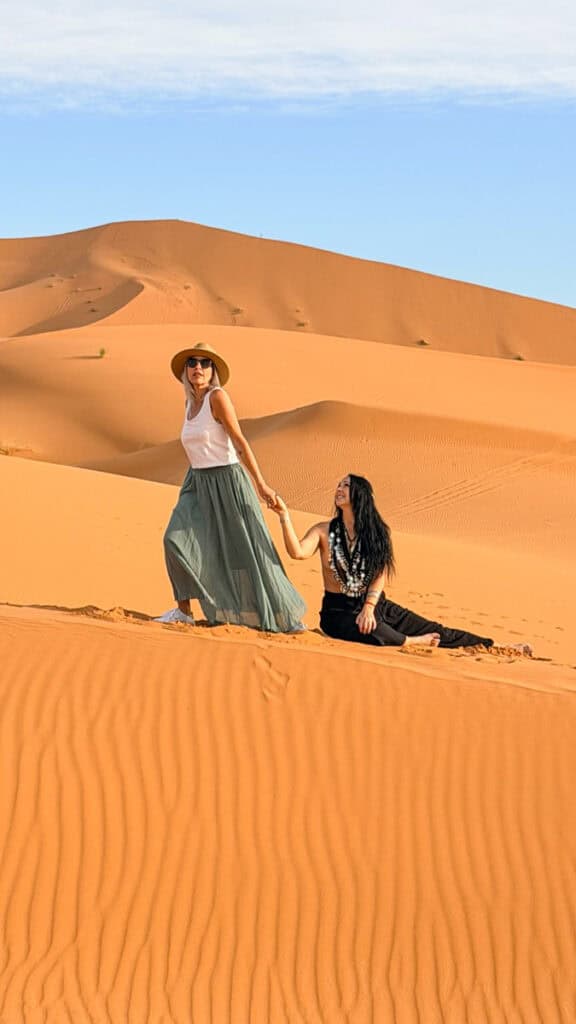
However, analysts note potential environmental pressures resulting from increased vehicular traffic, water consumption, and waste generation in an ecologically fragile desert biome. Sustainable camp management practices—such as waste reduction, responsible water usage, and the utilization of solar energy—are increasingly becoming baseline requirements for operators seeking accreditation and consumer approval.
Conclusion
The evolution of Sahara desert camps in Merzouga reflects a broader trend within global adventure tourism: the demand for deeply immersive, culturally respectful, and logistically seamless experiences. By balancing high-end comfort with authentic community engagement, the region continues to attract international travelers seeking connection with both the natural environment and indigenous cultural traditions. As infrastructure improves and sustainable tourism practices take root, the Erg Chebbi dunes remain a cornerstone of Morocco’s tourism economy.