Nichupté Bridge: Transforming Connectivity and Travel Efficiency in the Mexican Caribbean

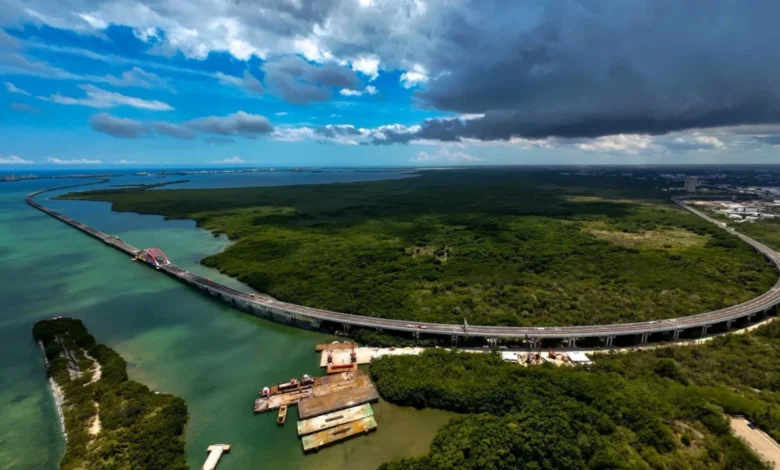
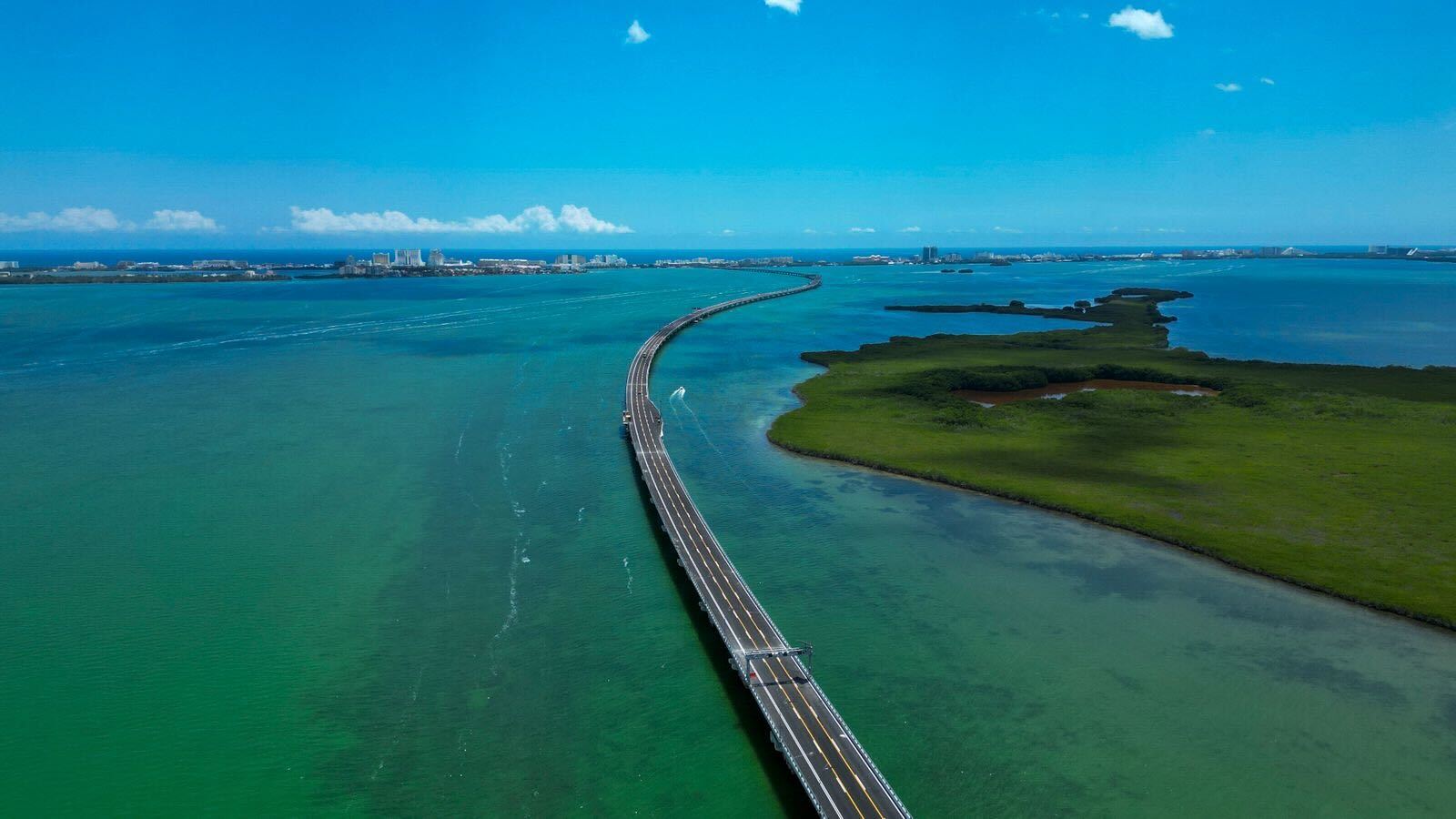
The newly inaugurated Nichupté Bridge represents a significant shift in the logistical infrastructure of the Mexican Caribbean, serving as a critical artery designed to alleviate chronic traffic congestion in one of the world’s premier tourism hubs. By establishing a direct, elevated link between downtown Cancún and the iconic Hotel Zone, the project effectively circumvents the bottlenecked Kukulcán Boulevard, which has historically served as the singular major conduit for the city’s massive influx of visitors and local workers. This infrastructure development is not merely a feat of engineering; it is a strategic maneuver by the Mexican government to modernize the region’s capacity, streamline tourism logistics, and enhance the quality of life for the residents of the Quintana Roo state.
A Strategic Solution to Urban Congestion
For decades, the growth of the Cancún Hotel Zone—home to thousands of hotel rooms, luxury resorts, and high-end dining establishments—outpaced its transit infrastructure. As the number of international arrivals surged past record-breaking levels annually, the existing road network struggled to accommodate the volume of taxis, shuttle buses, and private vehicles. The Nichupté Bridge addresses this by providing an alternative route, allowing traffic to bypass the congested urban core and significantly reducing travel times from the mainland to the beach-side properties.
Transportation analysts have noted that the bridge’s design specifically targets the "last mile" experience of international travelers. Often, the most stressful portion of a tropical vacation is the transit from the airport to the resort, a period frequently marred by extended periods of idling in heavy traffic. By optimizing this route, the project aims to minimize "logistical friction," thereby improving the overall perception of the destination among discerning travelers who increasingly prioritize efficiency alongside the comfort of luxury amenities.
Chronology and Project Development
The conception of the Nichupté Bridge emerged from a broader federal commitment to upgrading the infrastructure of the Yucatán Peninsula. Discussions regarding the project began in earnest following a series of assessments conducted by the Secretariat of Infrastructure, Communications, and Transportation (SICT). The government recognized that without a secondary access point, the economic viability of the Hotel Zone would eventually be compromised by the inability to facilitate the movement of goods and labor effectively.
Construction commenced with a focus on environmental mitigation, given the bridge’s path over the sensitive Nichupté Lagoon ecosystem. Over the subsequent years, the project became a cornerstone of the regional development plan, necessitating complex engineering solutions to ensure structural integrity while respecting the local maritime environment. The finalization and opening of the bridge in 2026 mark the culmination of a multi-year effort that involved collaboration between federal authorities, local stakeholders, and private contractors. The bridge’s profile was prominently elevated on the international stage during the EDGE 2026 conference in San Diego, where the Mexican Caribbean Tourism Board showcased the project as a testament to the region’s forward-thinking approach to tourism infrastructure.
Supporting Data and Economic Implications
The economic impact of the bridge is substantial. Cancún remains the primary gateway to the Mexican Caribbean, with the region attracting millions of visitors annually. Data from the Secretariat of Tourism (SECTUR) indicates that improved transport connectivity directly correlates with higher tourist satisfaction and increased spending within the local economy. By facilitating easier access to the city’s downtown, the bridge encourages visitors to explore local culture, art, and gastronomy beyond the confines of their all-inclusive resorts.
Furthermore, the bridge serves as a vital component in the logistical chain for the local workforce. Thousands of employees commute daily from the mainland to the Hotel Zone; reducing their commute times is estimated to improve worker productivity and reduce the operational costs for hospitality businesses. While specific figures regarding the reduction in carbon emissions from idling vehicles are still being calculated, initial traffic modeling suggests a measurable decrease in fuel consumption and localized air pollution.
Perspectives from Regional Leadership
The reaction from key figures in the tourism sector has been overwhelmingly positive. Andrés Martínez Reynoso, CEO of the Mexican Caribbean Tourism Board, has characterized the project as a "transformational milestone." In his official statements, Reynoso emphasized that the bridge is not just about moving cars; it is about "future-proofing" the region. He noted that as global travel expectations evolve, destinations that fail to invest in the underlying "rhythm of travel" risk losing their competitive edge.
The sentiment is echoed by local business owners and hoteliers, who have long lobbied for infrastructure improvements that address the bottlenecking of the main tourist corridors. The consensus among regional planners is that the Nichupté Bridge provides the necessary foundation for continued growth, ensuring that the Mexican Caribbean remains an attractive proposition for global investors and vacationers alike.
Looking Toward the Future: The EDGE 2027 Milestone
The announcement at the EDGE 2026 conference that the 2027 iteration of the event will be held in the Cancún–Riviera Maya corridor highlights the global confidence in the region’s new infrastructure. Hosting a major international tourism forum in the wake of such a significant capital improvement project is designed to signal to the world that the Mexican Caribbean is open, efficient, and modern.
The broader implications of this development are clear: the focus is shifting from simply increasing visitor numbers to improving the quality of the visitor experience. This pivot is essential as the competition between luxury beach destinations intensifies. The "seamlessness" of a destination—how easily one can navigate from a transit hub to a hotel, and from a hotel to a city center—has become a key performance indicator for successful tourism management.
Infrastructure as a Catalyst for Regional Integration
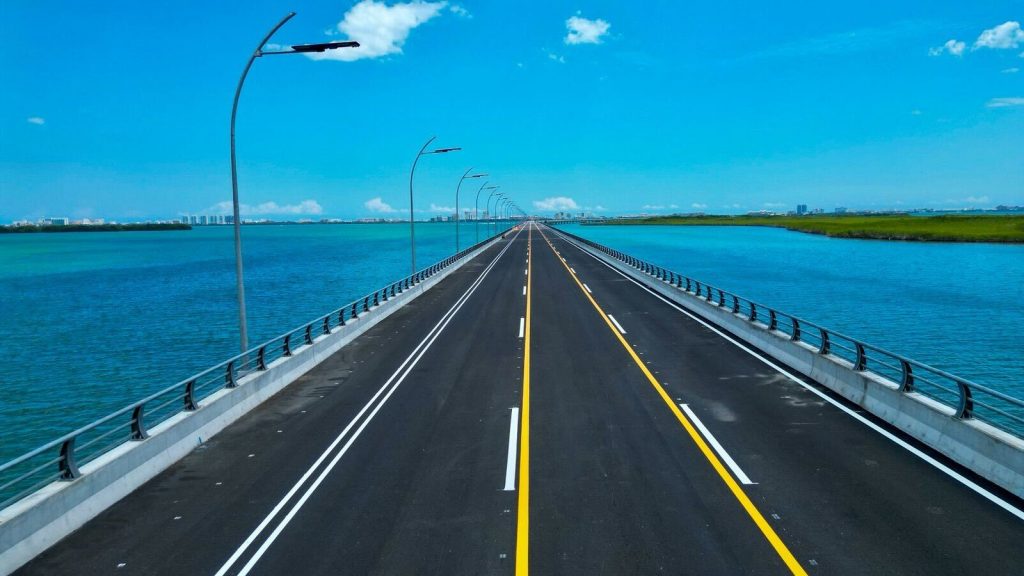
Beyond the immediate benefit of reducing traffic for tourists, the Nichupté Bridge acts as a catalyst for deeper regional integration. By bridging the physical gap between the traditional, local-centric downtown and the tourism-centric Hotel Zone, the project fosters a more cohesive economic environment. It encourages a cross-pollination of activities that was previously hampered by the difficulty of transit.
Future infrastructure projects in the region are expected to follow a similar philosophy. Whether through the expansion of public transportation networks or the enhancement of existing arterial roads, the objective remains the same: to create a sustainable and fluid environment that can support the demands of a high-growth tourism market.
Conclusion: A New Standard for Tourism
The Nichupté Bridge is emblematic of a modern approach to destination management. It recognizes that in an era of global connectivity, the "in-between" moments of travel are just as important as the destinations themselves. By removing the stress of congestion, the local authorities have made a conscious choice to prioritize the traveler’s time and experience. As the region prepares to host further international events and welcome increasing numbers of global citizens, the bridge stands as a physical manifestation of a strategic vision—a vision where infrastructure, economics, and tourism work in tandem to create a more resilient and welcoming destination.
For the traveler, the result is perhaps best summarized as the restoration of lost time. Whether it is an extra hour to enjoy a sunset, a more comfortable arrival at a resort, or the newfound ability to easily access the rich cultural offerings of downtown Cancún, the Nichupté Bridge is set to become an indispensable part of the Mexican Caribbean experience. It is a quiet, yet profound, upgrade that elevates the standard of travel in one of the world’s most beloved coastal regions.