The Ultimate Guide to Exploring Jerome Arizona: The Largest Ghost Town in the United States

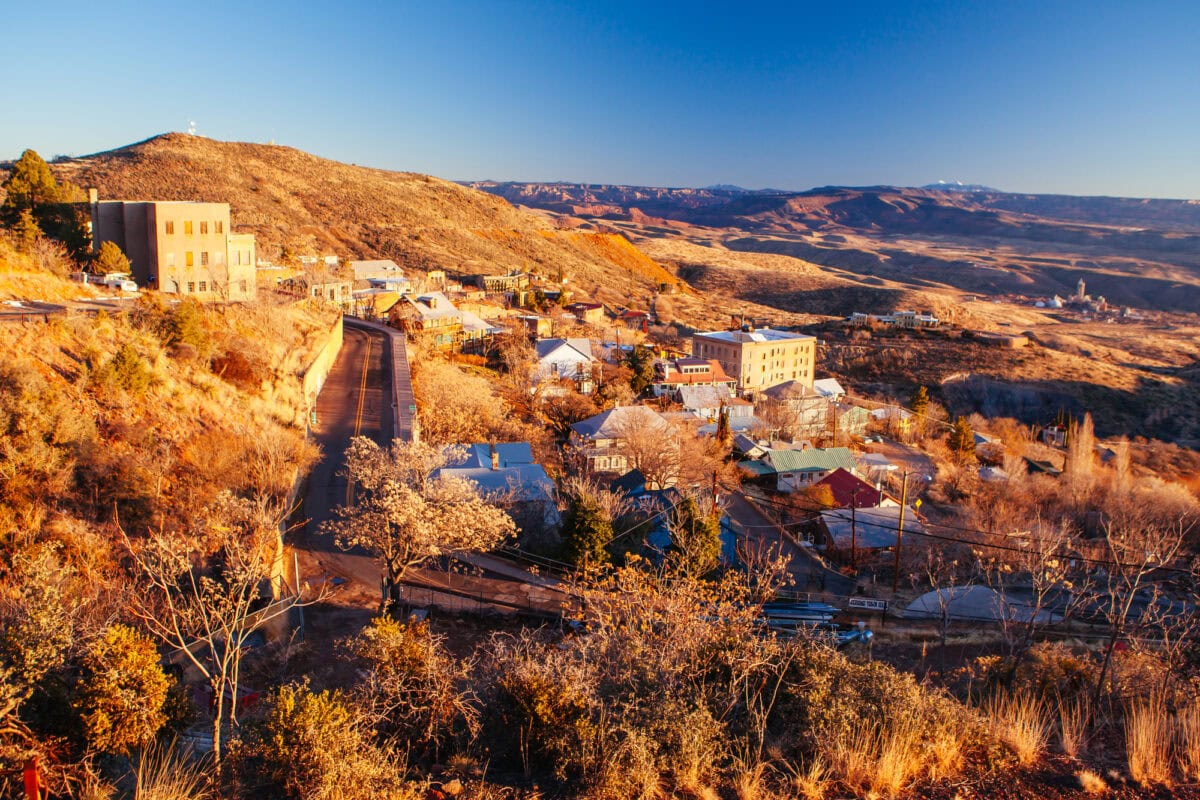
Perched precariously on the side of Cleopatra Hill in the Black Hills of Yavapai County, Arizona, the town of Jerome serves as a living monument to the American West’s industrial evolution. Often cited as the largest ghost town in the United States, Jerome represents a unique intersection of copper mining history, architectural preservation, and artistic reinvention. Unlike many abandoned sites that have succumbed to complete ruin, Jerome maintains a resilient, albeit unconventional, community of approximately 500 permanent residents who have curated the town’s past into a significant cultural landmark.
Historical Context and Industrial Rise
Jerome’s existence is inextricably linked to the United Verde Copper Company. Established in 1876, the town experienced a massive population surge during the late 19th century, eventually reaching a peak of roughly 15,000 residents in the 1920s. During this era, the town was frequently referred to as the "Wickedest Town in the West," a moniker earned through its high concentration of saloons, brothels, and opium dens that catered to the transient workforce of the deep-shaft copper mines.
The geological reality of the town, however, proved to be its greatest challenge. The entire municipality is built over a complex network of unstable underground tunnels and sits upon the Verde Fault. Throughout the early 20th century, the town faced repeated structural threats from ground shifting, dynamite-induced tremors, and landslides. By 1953, the economic viability of the mining operations collapsed, leading to the closure of the mines and the subsequent exodus of nearly the entire population.
The Transformation into a Cultural Landmark
Following the mass departure of the mining workforce, Jerome narrowly escaped the fate of becoming a true "ghost town." In the 1960s, a wave of artists, retirees, and counter-culture figures began moving into the abandoned structures, attracted by the low cost of living and the dramatic, rugged topography.
This influx of creative residents shifted the town’s identity from a resource-extraction hub to a destination for tourism and the arts. In 1967, the federal government officially recognized this transformation by designating the town as a National Historic Landmark District. This designation protected more than 100 historic buildings, ensuring that the Victorian-era architecture and industrial remnants would remain intact for future generations.
Chronology of Key Institutional Milestones
- 1876: Discovery of copper deposits leads to the initial settlement of the region.
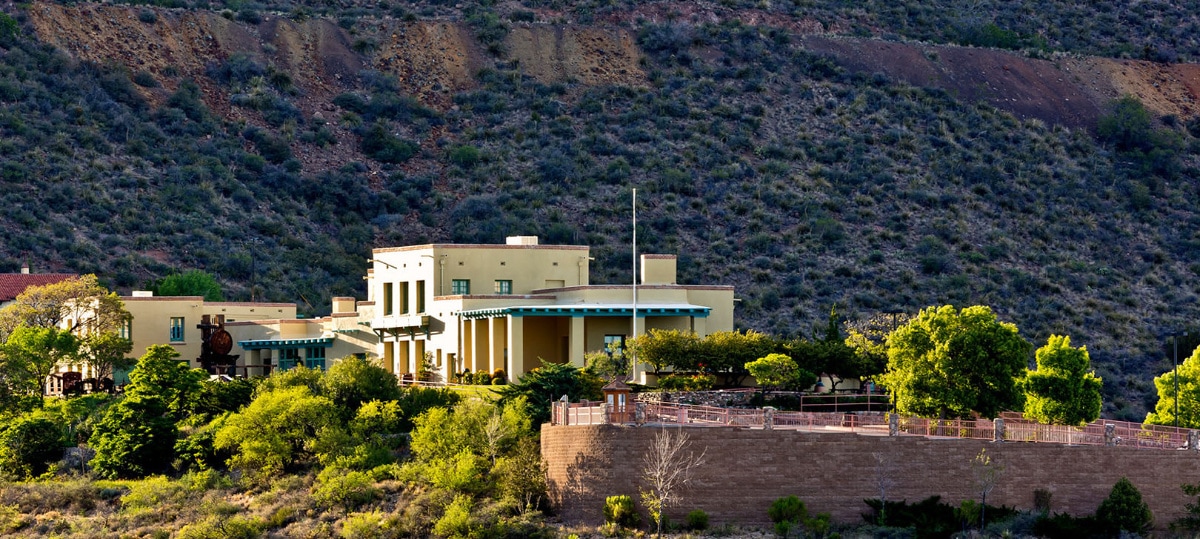
- 1916: The Douglas Mansion is constructed, which later serves as the anchor for the state historic park.
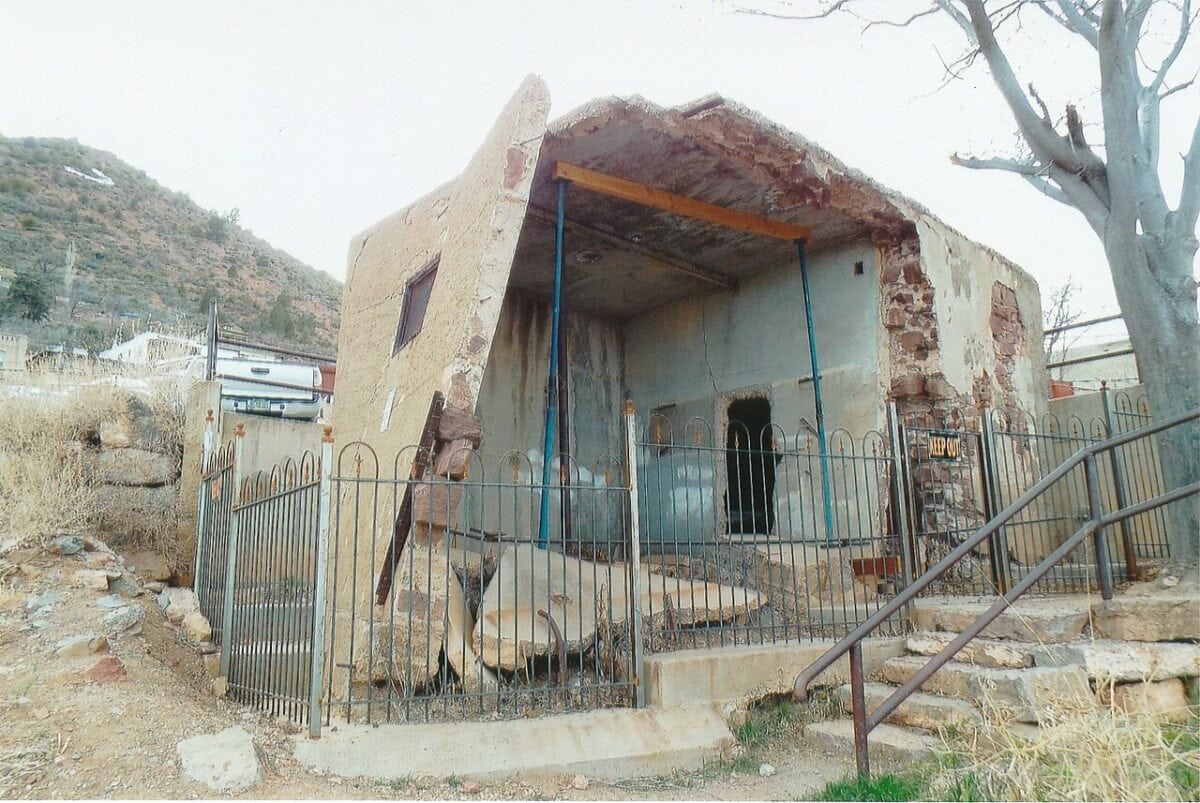
- 1938: The "Sliding Jail" begins its slow descent due to mining-related soil instability; it eventually moves 225 feet from its original foundation.
- 1953: United Verde Copper Company ceases operations, triggering an economic crisis and population decline.
- 1967: Jerome is officially designated a National Historic Landmark District.
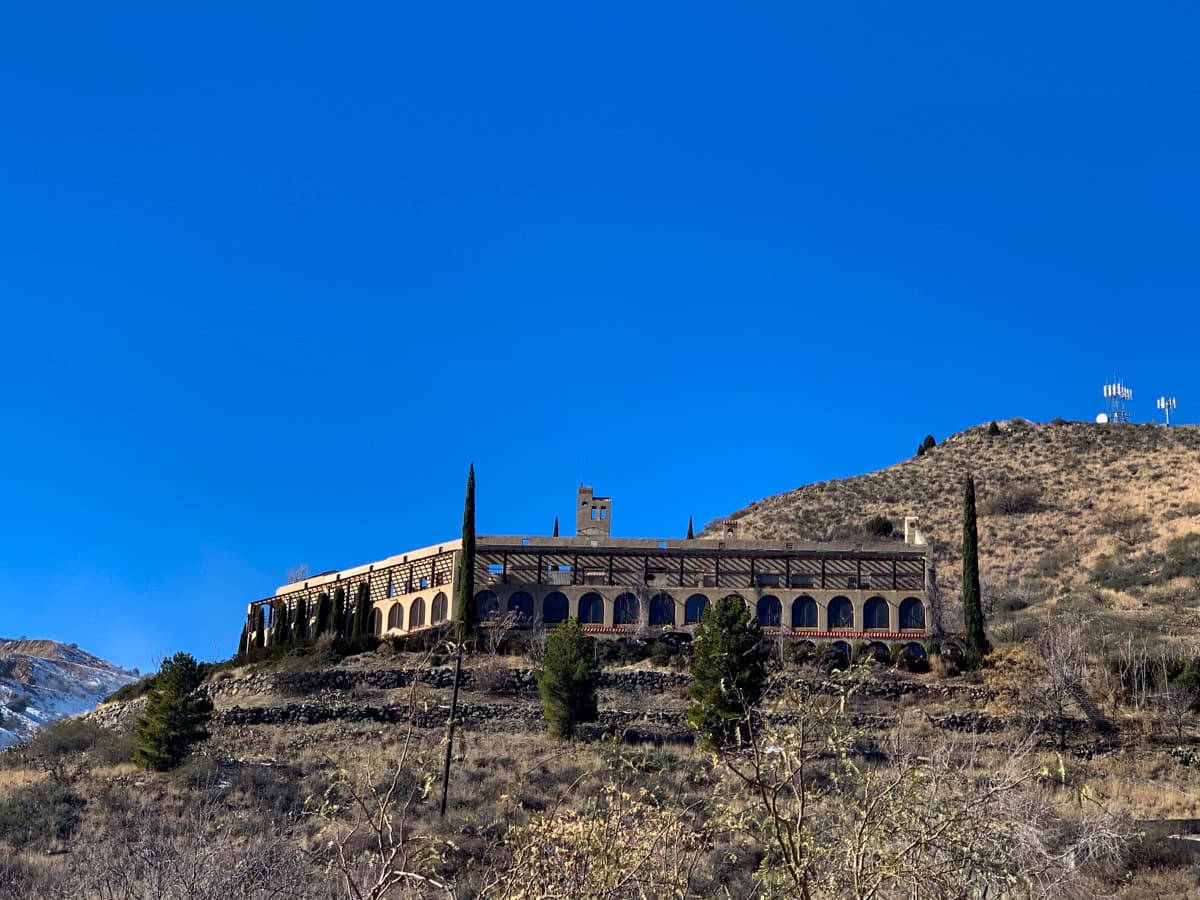
- 1996: The historic United Verde Hospital is renovated and reopened as the Jerome Grand Hotel.
Economic and Geological Implications
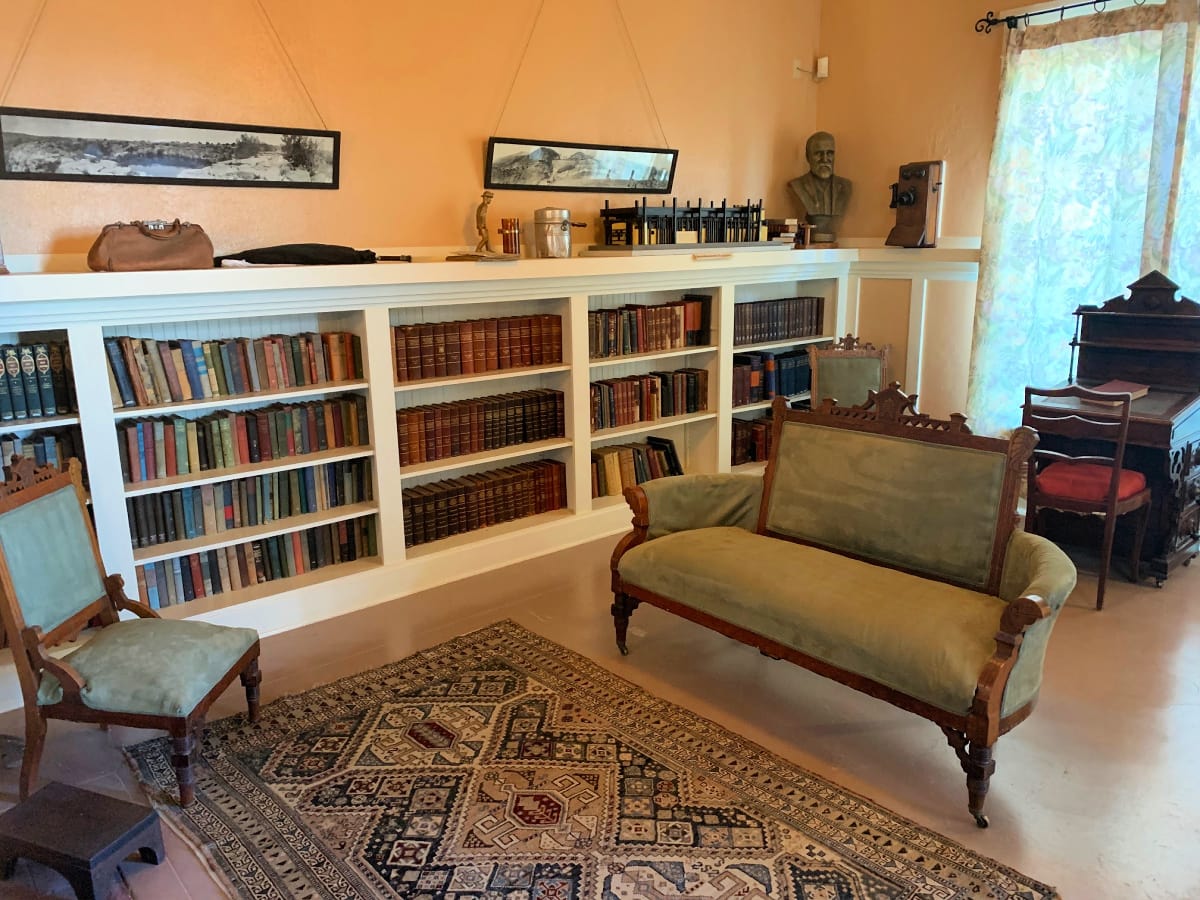
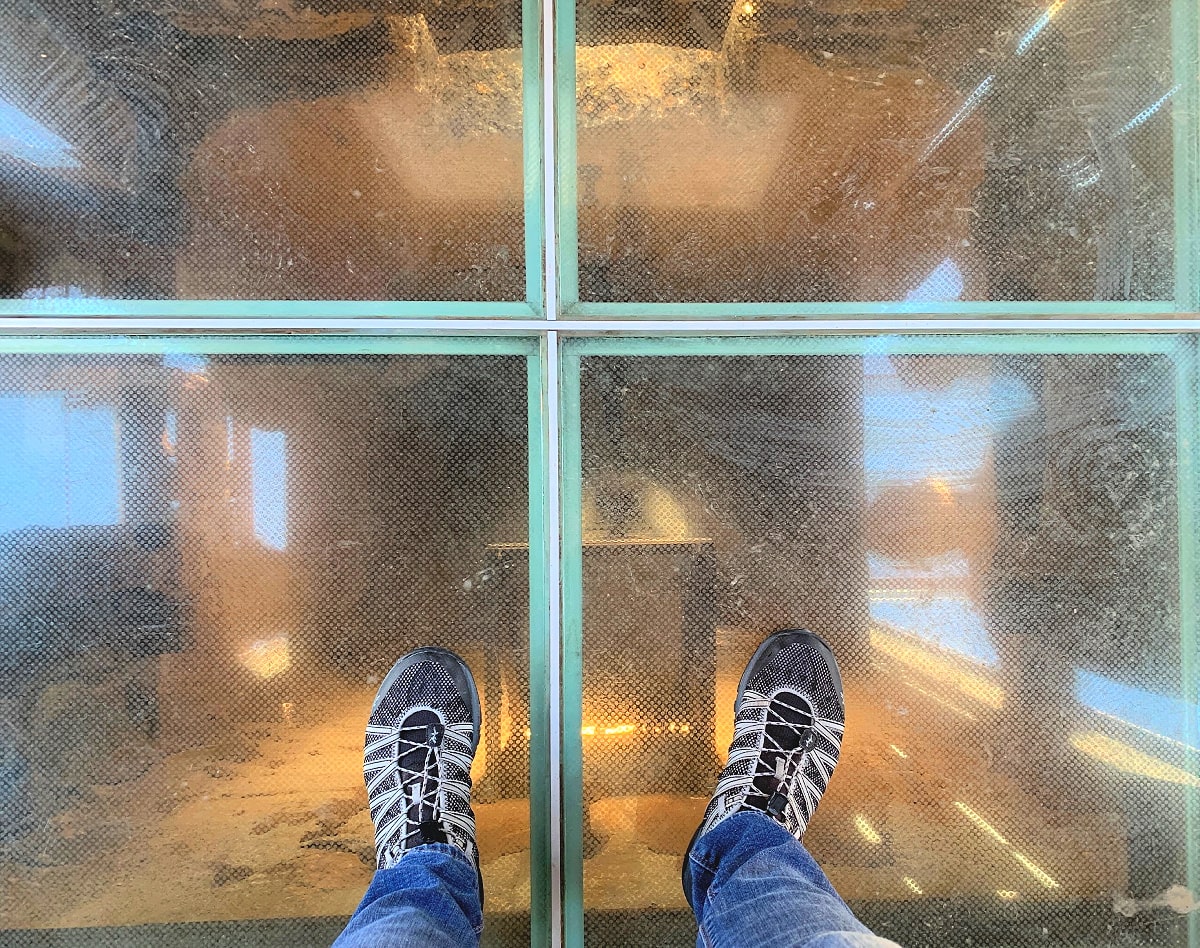
The town’s current economy relies almost exclusively on heritage tourism and the arts. The management of the Jerome State Historic Park, situated in the former Douglas Mansion, provides a factual account of the town’s geological instability and mining engineering. Models displayed within the park demonstrate the "Swiss cheese" nature of the earth beneath the town, a direct result of decades of aggressive extraction.
The maintenance of such a town requires constant oversight. Because the town is essentially a series of steep terraces, local authorities must balance the preservation of historic facades with modern safety regulations. The "Sliding Jail" remains the most visible evidence of this geological volatility, standing as a static reminder of the environmental costs associated with the early mining industry.
Cultural Attractions and Local Infrastructure
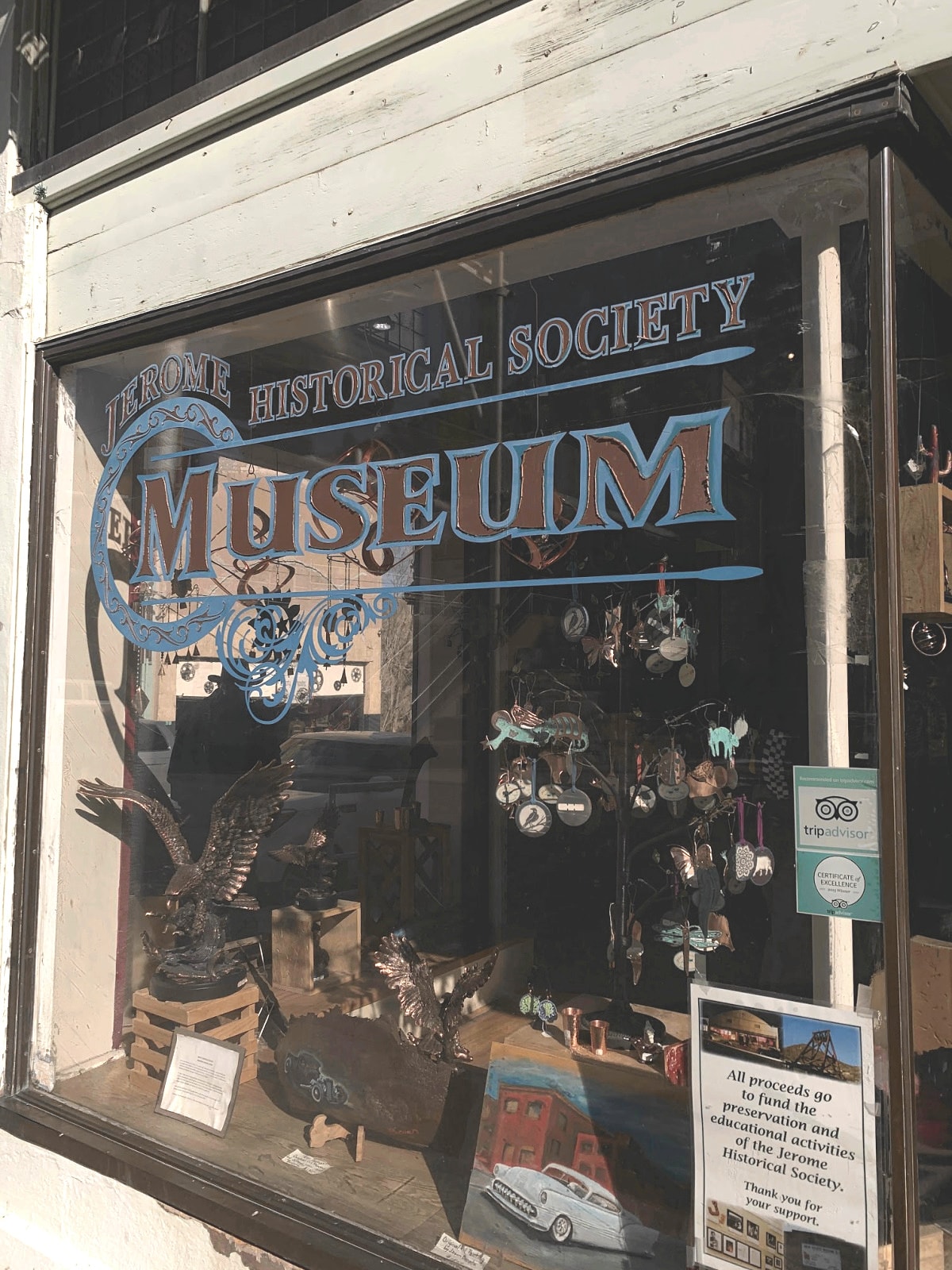
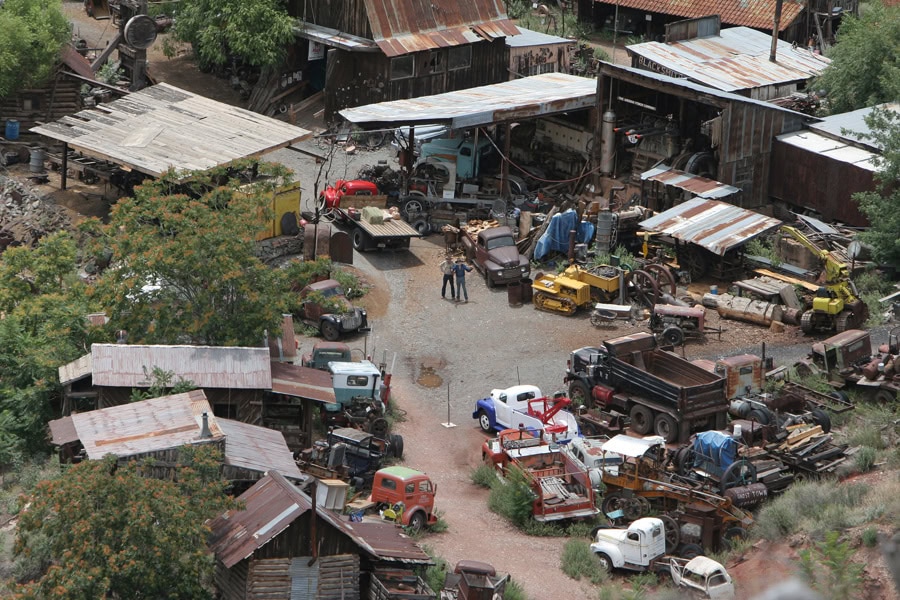
Today, the town offers a multifaceted experience for visitors that moves beyond simple ghost stories. The Jerome Historical Society Mine Museum serves as the primary repository for artifacts, providing a data-driven look at labor conditions and technological advancements in 19th-century mining.
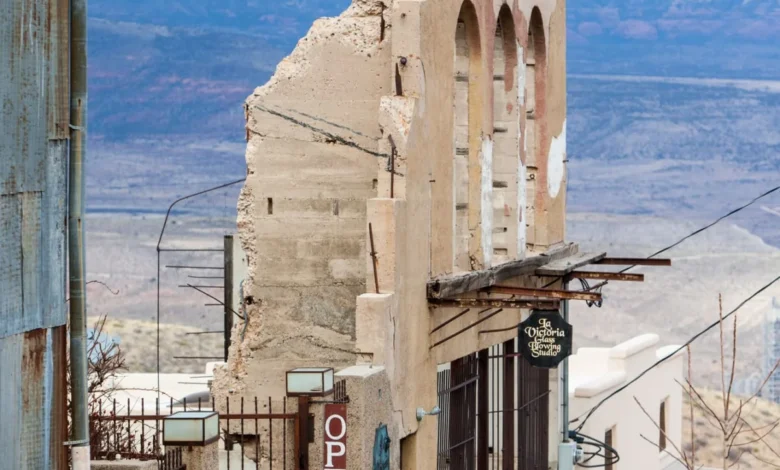
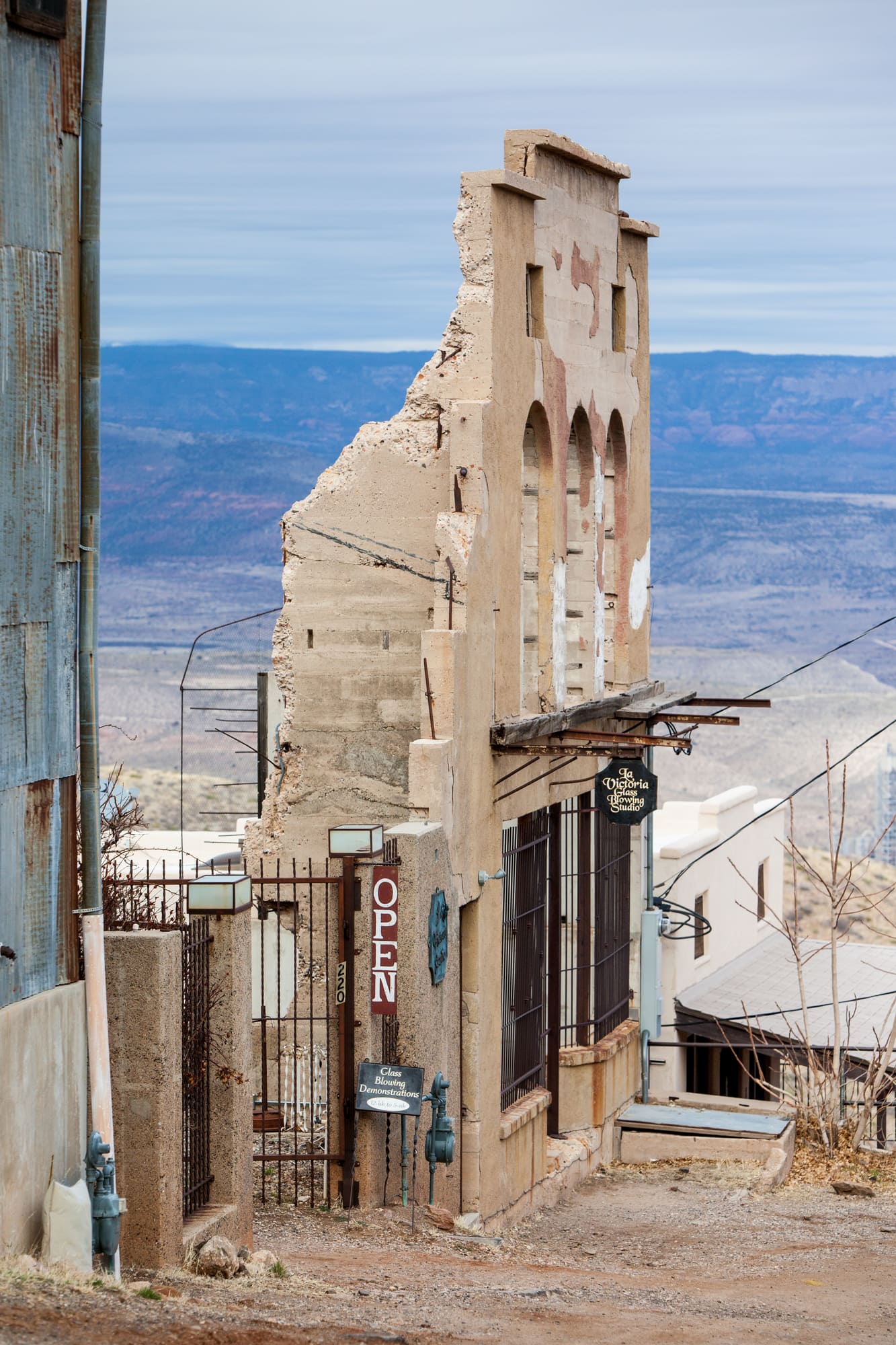
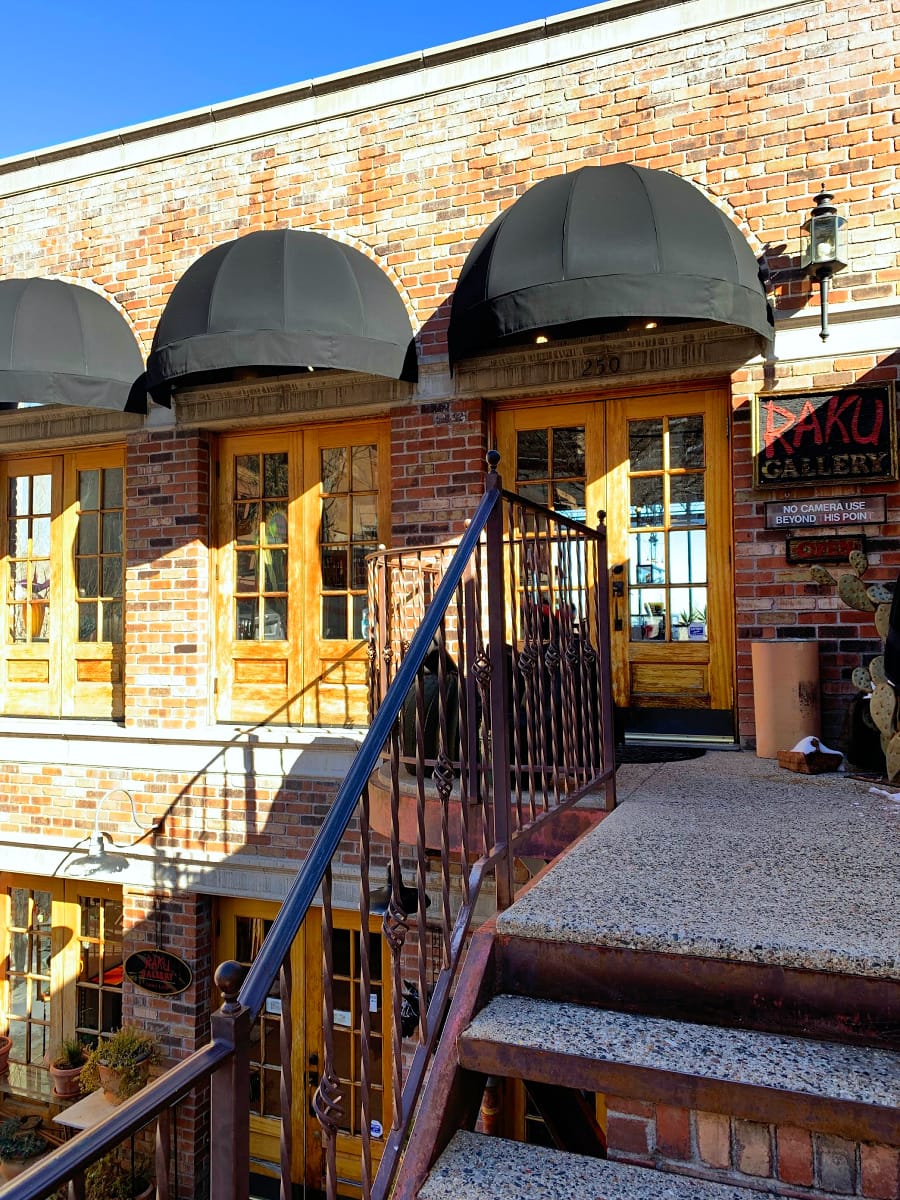
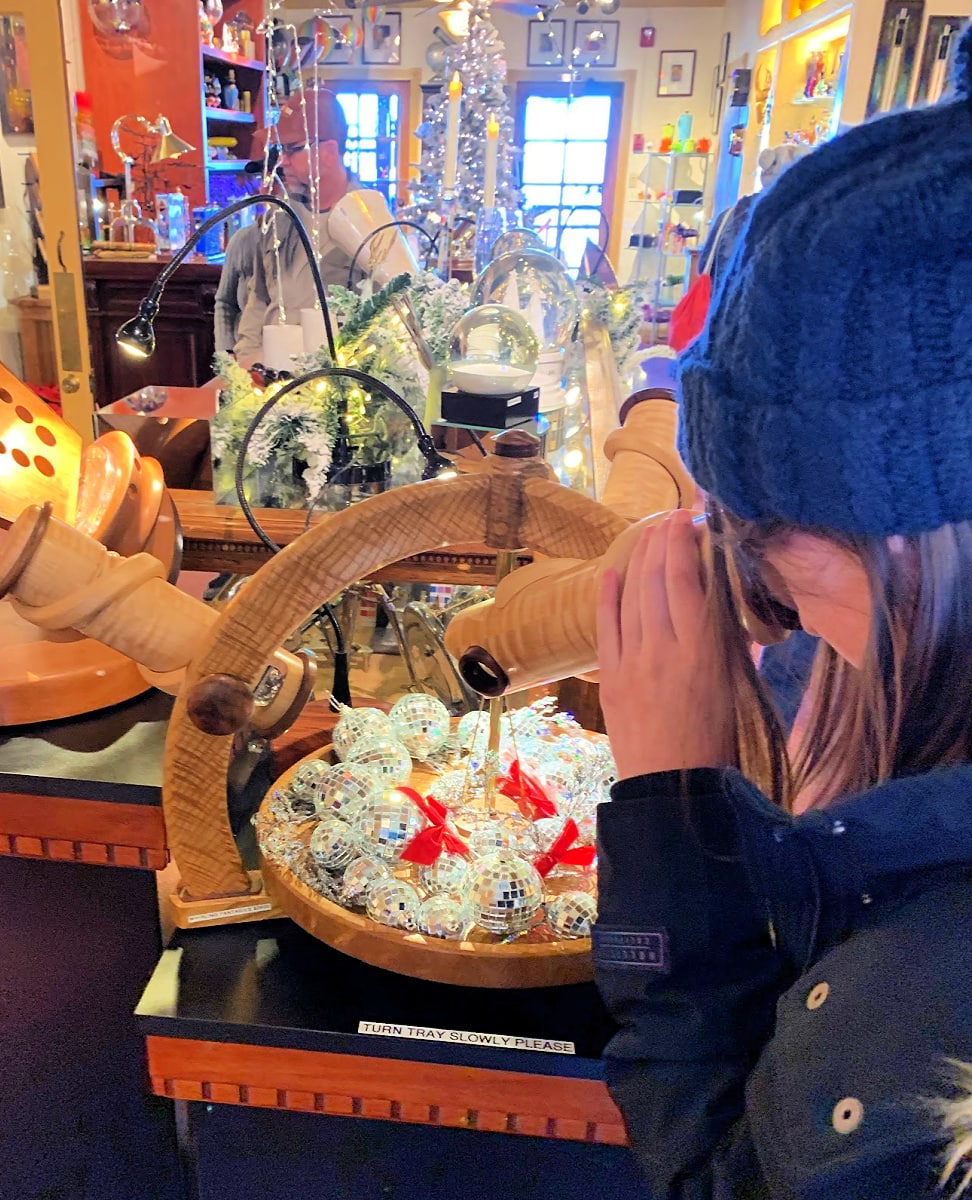
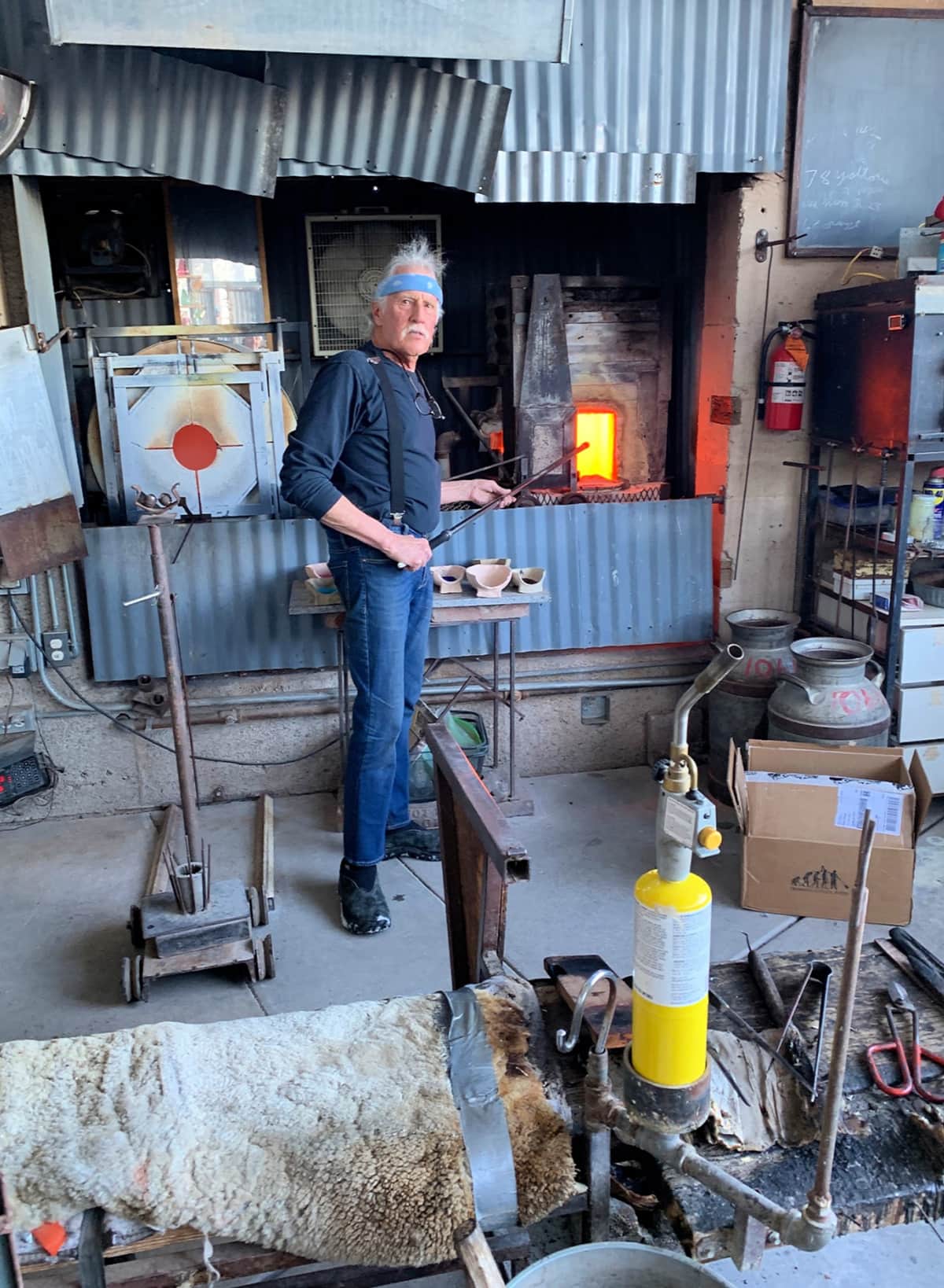
Furthermore, the integration of modern amenities into historic shells has been a hallmark of the town’s survival. Establishments like The Clinkscale, originally a mercantile store from 1899, and the Connor Hotel, rebuilt in 1898, demonstrate how adaptive reuse can provide economic stability to a community without compromising its architectural integrity. The presence of roughly two dozen art galleries, including the Raku Gallery and the La Victoria Glass Blowing Studio, highlights the town’s current role as an incubator for independent artists.
Analysis of the Modern "Ghost Town" Phenomenon
Jerome’s survival offers a case study in rural economic development. While many small towns in the American West have withered as their primary industry disappeared, Jerome successfully pivoted to a service-based model. This was not achieved through large-scale development, but through incremental, community-led restoration.
The reliance on tourism—specifically "dark tourism" associated with the town’s haunted reputation—has proven to be a double-edged sword. While it attracts thousands of visitors annually, it also necessitates infrastructure management for a town that was never designed to handle modern vehicle traffic. Parking, for instance, remains a critical issue, with the town often reaching maximum capacity during weekends and peak autumn months.
Current Perspectives on Preservation
The Jerome Historical Society and various local boards continue to enforce strict guidelines on building modifications to maintain the town’s visual character. The ongoing restoration efforts at the Audrey Headframe Park, despite temporary closures, underscore the commitment to keeping the industrial history visible rather than letting it be reclaimed by the desert.
For the modern traveler, Jerome represents a rare opportunity to observe the intersection of the Wild West’s rugged history and the 21st-century’s preservation movement. The town acts as a bridge between the era of industrial giants and the modern creative class. As long as the physical integrity of the hillside remains stable, Jerome is likely to remain the most prominent example of how a town can die in one century and be reborn in the next.
Conclusion and Future Outlook
Jerome is a testament to the fact that ghost towns need not remain empty. By leveraging its history, the town has created a sustainable, if delicate, economy. The challenges of living on a fault line and maintaining 19th-century infrastructure are significant, but the value placed on the town’s unique character ensures that its legacy continues. As Arizona continues to grow as a destination, the importance of preserving sites like Jerome—which offer an authentic look at the state’s formative years—becomes increasingly critical for both educational and cultural reasons. Visitors are encouraged to prioritize visiting during off-peak hours to better experience the historical gravity of the site without the congestion of high-traffic tourism.