The launch of Eha Retreat on the remote Estonian island of Hiiumaa in October 2026 marks a significant shift in the global luxury wellness sector, moving away from traditional clinical spa environments toward a model of ecological immersion and nervous system regulation. Situated within a UNESCO biosphere reserve, the property serves as a case study for the growing trend of "slow wellness," where the architecture, culinary program, and therapeutic offerings are dictated by the rhythms of the local landscape rather than standardized service menus.
The Chronology of a Sanctuary
The realization of Eha Retreat is the culmination of a seven-year development cycle. The project was spearheaded by Eva Maran, the founder of functional mushroom enterprise Shroomwell, and entrepreneur Sonny Aswani. For the founders, the site selection was driven by ancestral ties: the Hiiumaa landscape carries deep personal significance for Maran, whose grandfather was a native of the island. Aswani, meanwhile, sought to institutionalize the traditional healing practices passed down through his own lineage.
Construction required meticulous planning to maintain the integrity of the UNESCO-protected environment. The design team, led by architect Tiit Trummal in collaboration with interior design firms UNT + CO and Studio Argus, spent years finalizing a structure that mimics the surrounding marshlands and pine forests. The resulting facility, which accommodates a maximum of 22 guests, represents a commitment to low-impact tourism that prioritizes long-term ecological sustainability over high-volume occupancy.
Architectural Integration and Design Philosophy
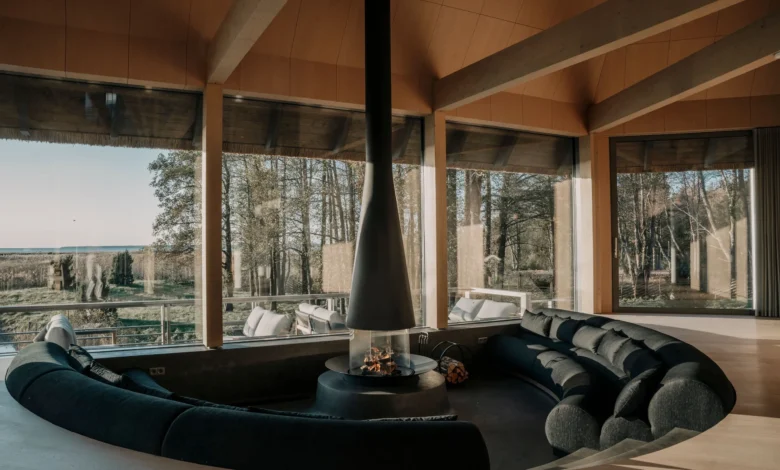
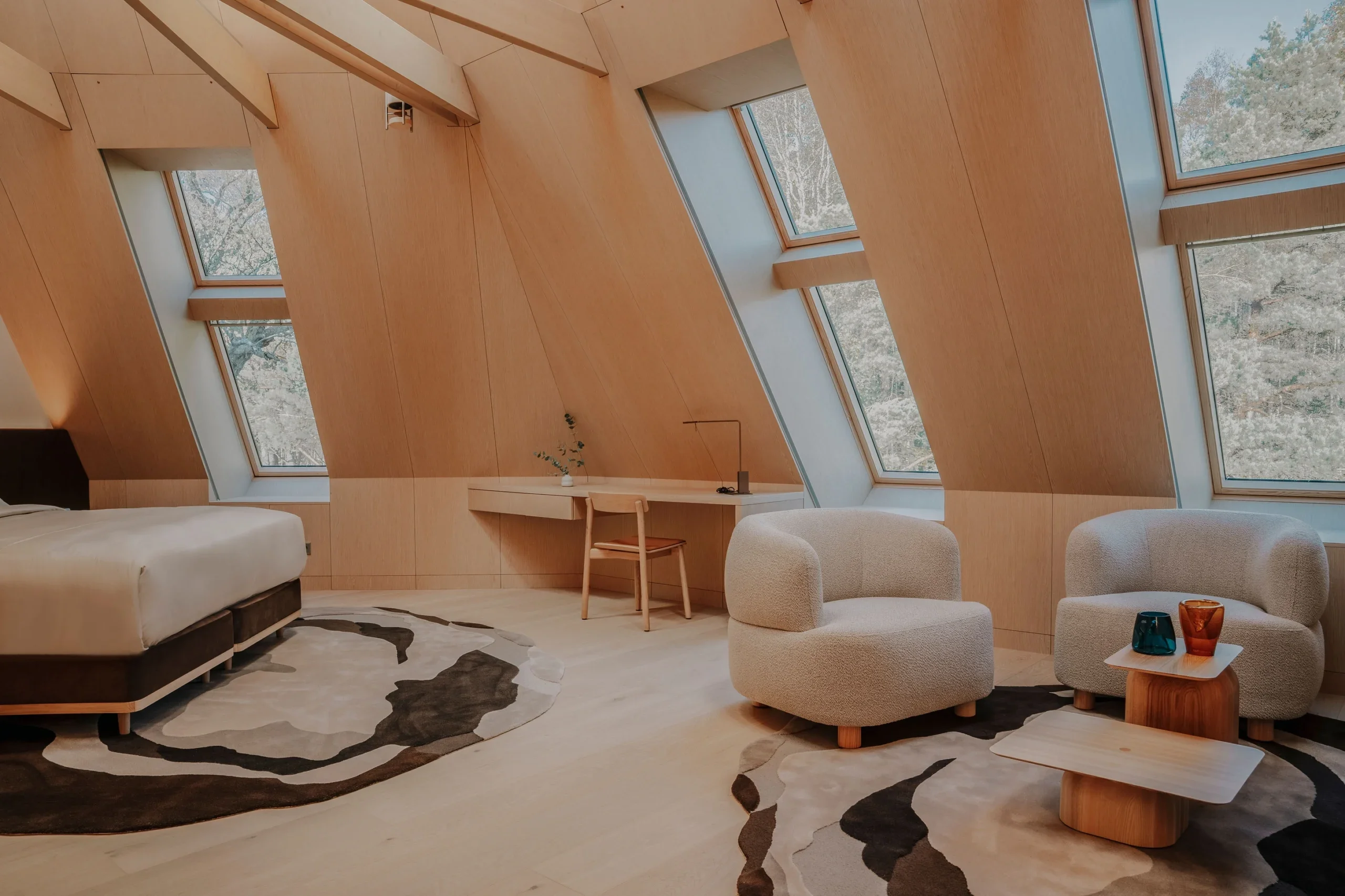
The physical structure of Eha Retreat functions as an extension of the Estonian wilderness. The roof is constructed from reeds harvested directly from the island’s shoreline, a traditional technique that provides natural insulation while blending the building into the coastal horizon. Floor-to-ceiling glass paneling is utilized throughout the suites—such as the premium Koit suite and the Kuru quarters—to ensure that the internal environment remains connected to the shifting light of the Baltic Sea.
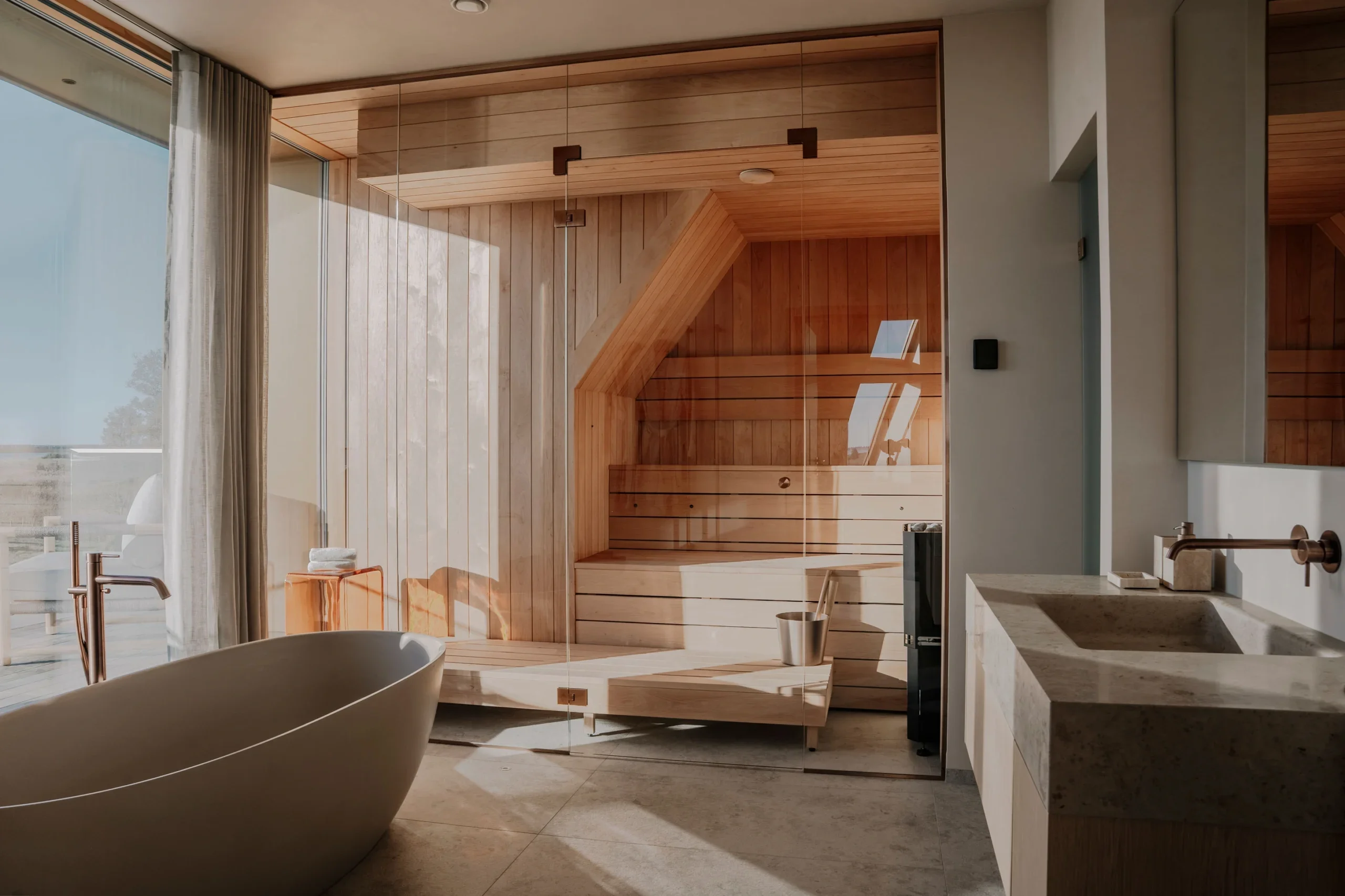
The interior design employs a "minimalist sensory" approach. By removing high-stimulation decor and opting for organic materials—such as locally sourced woods, custom ceramics by Uluala, and woolen slippers provided by OmaKing—the retreat removes the cognitive load often associated with modern travel. Every room is equipped with an "Olo" interface, which plays localized soundscapes recorded on Hiiumaa, effectively synchronizing the guest’s sleep-wake cycle with the island’s natural auditory environment.
The Five-Season Wellness Model
Unlike conventional wellness retreats that rely on static year-round programming, Eha utilizes a five-season calendar. This model divides the year into autumn (grounding), winter (restoration), spring (renewal), summer (vitality), and the uniquely Estonian "springrise." During springrise, the island experiences a distinct transition as it emerges from the sub-zero temperatures of the Baltic winter, prompting a shift in therapeutic focus toward metabolic and psychological activation.
Wellness director Amber Gauci-Ward notes that the retreat’s methodology is rooted in the physiological reality that human beings are biological extensions of nature. "We are not separate from the natural world," Gauci-Ward states. "The objective at Eha is to address the dysregulation of the modern nervous system by realigning it with the environmental cues of Hiiumaa."
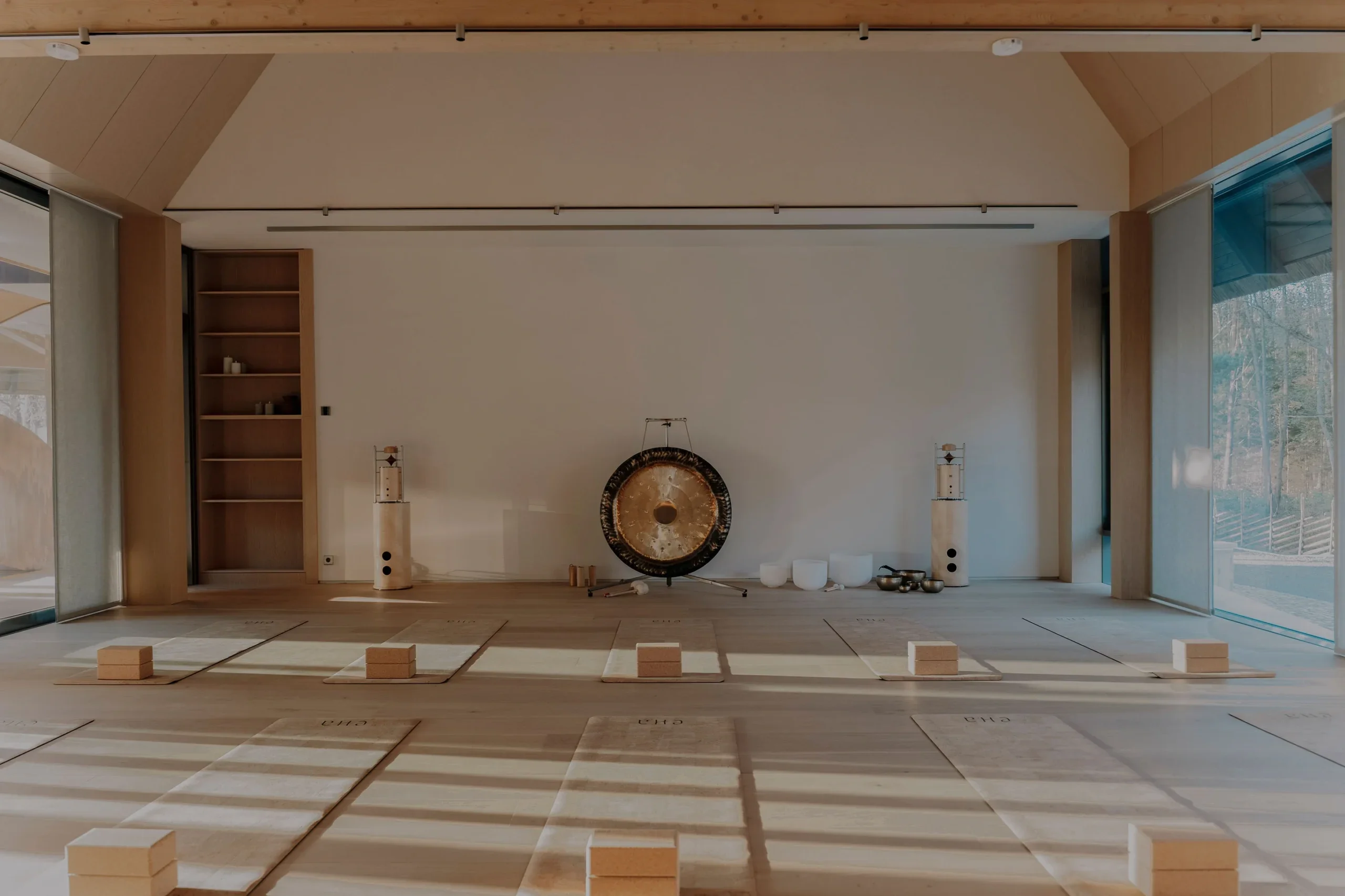
The daily regimen is structured around this philosophy. Mornings are dedicated to fascia flow and qi gong in studios that overlook the forest, while evenings are reserved for breathwork and sound immersion. The therapeutic offerings include traditional Estonian rituals, such as birch-whisk sauna ceremonies—a practice historically used to improve lymphatic circulation—and peat-based body wraps that utilize the mineral-rich soil found in the island’s boggy marshlands.
Culinary Sustainability and Nutritional Science
The culinary program is led by Peeter Pihel, a chef distinguished by his work at Tallinn’s Michelin Green Star-awarded Fotografiska restaurant. Pihel’s approach at Eha eliminates the standard menu format, opting instead for a hyper-localized, seasonal intake strategy. The kitchen sources ingredients primarily from the retreat’s own gardens or through local foraging.
The nutritional philosophy focuses on functional, anti-inflammatory whole foods. Typical offerings include chicory and onion broths, pike mousseline, and celeriac-based risottos, paired with non-alcoholic botanical wines. By removing processed stimulants and focusing on the nutrient density of wild-foraged berries, herbs, and local proteins, the retreat aims to stabilize blood sugar levels and enhance digestive health throughout the guest’s stay.
Economic and Strategic Implications
The emergence of Eha Retreat underscores a broader economic shift in the high-end travel market. Recent data from the Global Wellness Institute suggests that the "wellness tourism" sector is currently outpacing the broader travel industry, with consumers increasingly willing to pay a premium for "transformative" experiences that provide measurable health outcomes. With five-night retreats starting at approximately £5,500 ($7,380), the price point positions Eha within the ultra-luxury segment, yet the value proposition is framed around longevity and mental health rather than opulence.
The retreat’s reliance on its remote location is a deliberate strategic choice. By placing the facility on Hiiumaa, which currently requires multiple connections to reach, the founders have created a high barrier to entry that filters for guests seeking genuine seclusion. However, the planned introduction of a helicopter service from Tallinn indicates that the developers are aware of the need to balance accessibility with the exclusivity that their target demographic demands.
Analytical Perspective: The Future of Remote Wellness
From an analytical standpoint, Eha represents a "third way" in the hospitality industry—a departure from the high-turnover boutique hotel model and the medically intensive longevity clinic. By focusing on the concept of "repose" rather than "treatment," Eha addresses the growing epidemic of digital burnout.
The integration of local history and ecological preservation serves as a risk-mitigation strategy for the owners. By anchoring the brand in the UNESCO biosphere status of Hiiumaa, the retreat secures a unique market position that is difficult to replicate in urban environments. Furthermore, the emphasis on the "five seasons" allows for a dynamic operational calendar, ensuring that the facility remains relevant and attractive to repeat visitors throughout the year.
The success of Eha will likely be measured not by standard hospitality metrics such as room occupancy, but by the long-term engagement of its clientele with the retreat’s wellness principles. As the industry continues to move toward hyper-personalized, nature-centric experiences, Eha Retreat provides a blueprint for how luxury properties can leverage geography, traditional knowledge, and environmental stewardship to create a product that is both commercially viable and intellectually grounded in the needs of the modern traveler.
Ultimately, the retreat’s ethos is summarized by the transition of its guests: the goal is to ensure that the "baggage" of the modern world is left at the door, replaced by a temporary, yet foundational, recalibration of the self within the silence of the Baltic landscape.