A Comprehensive Guide to Navigating Asheville, North Carolina, with Infants and Toddlers


Asheville, a mountain enclave in Western North Carolina, has evolved into a premier destination for families seeking a balance between rugged outdoor adventure and urban cultural amenities. Known for its distinct Appalachian charm and a burgeoning culinary scene, the city attracts millions of visitors annually. For parents traveling with infants and toddlers, the logistical demands of navigating a hilly, historic city can be daunting. Successful family travel to this region requires careful planning regarding transportation, lodging, and an understanding of the city’s unique, family-inclusive culture, which often merges traditional tourism with community-focused, child-friendly spaces.
Transportation Logistics and Airport Connectivity
For travelers arriving by air, the Asheville Regional Airport (AVL) serves as the primary entry point. While convenient due to its proximity—located just 15 minutes from the downtown core—the airport’s size limits direct flight availability, often necessitating connections or alternative travel through larger hubs such as Charlotte Douglas International Airport (CLT) or Greenville-Spartanburg International Airport (GSP).

Data regarding local transit reveals a reliance on personal vehicles. While the Asheville Rides Transit (ART) system provides coverage, specifically the S3 South 3 route which connects the airport vicinity to the downtown transit hub, frequency remains a critical factor for families with young children. Renting a vehicle remains the most efficient strategy for families, particularly those intending to explore the outlying mountainous regions or the Blue Ridge Parkway. Furthermore, travelers should note that airport car rental agencies rarely guarantee the availability of age-appropriate car seats. Consequently, most experts and local tourism advocates advise families to bring their own travel-rated safety equipment or utilize specialized local baby gear rental services, such as BabyQuip, to ensure compliance with safety standards without the burden of excessive luggage.
Strategic Accommodations for Families

The choice of accommodation significantly influences the feasibility of a family trip. Downtown Asheville offers the highest degree of walkability, allowing families to access restaurants, museums, and public spaces without the constant need for a vehicle. High-end hotels, such as the Renaissance Asheville Downtown Hotel, cater to these demographics by providing amenities like indoor salt-water pools, cribs, and high-chair availability.
However, for families seeking a more residential experience, neighborhoods such as West Asheville and Montford offer a distinct local atmosphere. These areas are characterized by a higher concentration of vacation rentals, which often provide full kitchen facilities—a crucial component for parents managing the dietary routines of toddlers. Outside the city center, regions such as Black Mountain, Mills River, and Weaverville provide expanded living space and a quieter environment. While these areas require a vehicle, they offer a different facet of the Asheville experience, characterized by proximity to nature and local, community-centric dining establishments.

Essential Gear and Practical Considerations
Traveling with young children requires a shift in packing priorities. In Asheville, the terrain is notably varied; while the downtown area is largely navigable by standard strollers, the surrounding natural attractions, such as the Blue Ridge Parkway trails, necessitate more specialized equipment. For hiking, a high-quality, ergonomic child-carrier backpack is essential.

Urban exploration in Asheville also requires preparation for the city’s variable infrastructure. While many local businesses are remarkably welcoming, not all older buildings in the historic district are equipped with modern baby-changing facilities. Carrying a portable changing mat is a practical necessity. For essential supplies—diapers, formula, or specific organic snacks—the city is well-served by regional chains including Harris Teeter, Ingles, and Publix. Additionally, the French Broad Food Co-op in the downtown area serves as a vital resource for health-conscious families, offering organic bulk goods and locally sourced produce.
Outdoor Recreation: Parks and Playgrounds

Asheville’s park system serves as a cornerstone of its family-friendly reputation. The Tempie Avery Montford Community Center offers a well-maintained playground environment, particularly suited for toddlers, featuring safety-oriented surfaces and age-appropriate structures. Similarly, the Roy Pope Memorial Park is frequently cited as a top-tier destination for families. Its design, which features an enclosed perimeter, allows parents to monitor their children in a secure setting. The addition of a covered picnic area provides necessary shelter from the region’s frequent, unpredictable mountain rain showers.
Beyond traditional playgrounds, nature-focused activities are highly accessible. The Beaver Lake Bird Sanctuary offers a tranquil, flat walking path around the lake. While the terrain is natural rather than paved, it remains manageable for most double-strollers, providing a sensory-rich environment for toddlers to engage with the local wildlife.

Cultural and Educational Engagement
Asheville’s cultural institutions have adapted to the city’s demographic shifts, with many museums integrating interactive, child-centric spaces. The Asheville Art Museum, for instance, features a dedicated area on its second floor designed for creative play, where children can engage with tactile building materials. This provides a necessary indoor diversion during inclement weather.

The Asheville Museum of Science (AMOS) further bolsters the city’s educational offerings. By focusing on interactive exhibits, such as water-based play stations, the museum effectively engages the toddler demographic. These institutions reflect a broader city trend: the recognition that families are a core component of the local tourism economy.
Minor League Sports and Local Entertainment

The Asheville Tourists, a minor league baseball team, represent a staple of the city’s spring and summer social calendar. McCormick Field, the historic home of the Tourists, offers a relaxed atmosphere that is particularly conducive to short-attention-span visitors. Families often find the experience manageable even if they do not stay for the full duration of a nine-inning game. The organization frequently hosts themed events, such as "Family Fun Days," which cater specifically to younger demographics. It is recommended that families review the team’s promotional schedule prior to planning their visit to take advantage of these child-focused events.
The Brewery Culture and Family Inclusivity

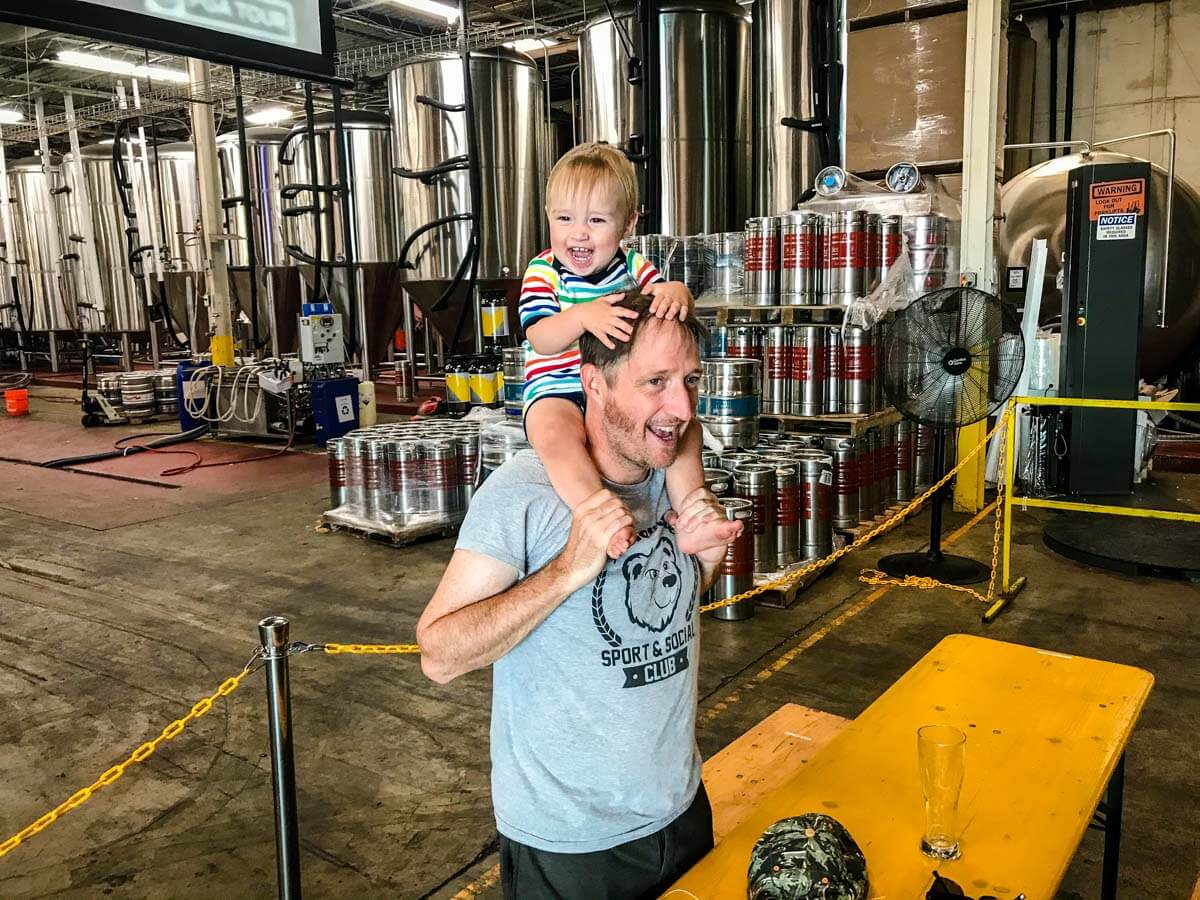
Perhaps the most unique aspect of Asheville’s family-friendliness is the integration of children into the local brewery culture. Unlike the restrictive atmosphere often associated with alcohol-serving establishments, many Asheville breweries have positioned themselves as community hubs. New Belgium Brewing, for example, operates on a large, fenced-in campus that allows for safe exploration by children while parents utilize the facility.
This environment is supported by the fact that many of these breweries are certified B Corporations, reflecting a commitment to social and community responsibility. The atmosphere is generally informal, and most establishments either provide on-site food service or host a rotating selection of local food trucks. For parents with crawling infants, breweries with grassy outdoor spaces are preferable to those with concrete floors, which can be less hygienic and comfortable for mobile toddlers.

Culinary Options for Families
The culinary landscape in Asheville is vast, yet finding venues that accommodate the unpredictability of toddlers is key. The city’s breweries often function as the most practical dining venues, as the expansive nature of these spaces allows for a degree of movement that is often impossible in traditional, confined restaurants. Pizzerias, such as the 828 Family Pizzeria or White Labs Brewing Company, remain popular choices for families due to the universal appeal of their menus and their willingness to accommodate young children.

The Biltmore Estate: A Complex Consideration
The Biltmore Estate remains the city’s most significant tourist attraction. However, navigating the 250-room mansion with a toddler presents logistical challenges, primarily due to the narrow corridors, large crowds, and historical fragility of the home. The estate’s value for families lies primarily in its vast outdoor gardens and conservatory. By focusing on the landscape rather than the interior of the house, families can enjoy the grounds at a pace that is appropriate for small children. The winery on the estate grounds is also noted for being surprisingly family-accommodating, though it is a secondary consideration compared to the recreational potential of the gardens.

Broader Impact and Economic Implications
The rise of family-centric tourism in Asheville has had a measurable impact on the city’s economic and urban planning. By fostering an environment where parents feel comfortable bringing children into spaces traditionally reserved for adults—such as breweries and art galleries—the city has created a resilient tourism model that appeals to a diverse range of visitors.

However, this growth brings implications regarding affordability and congestion. As Asheville becomes more popular, the cost of lodging and services has risen, challenging the accessibility of the city for middle-income families. Furthermore, the reliance on vehicle-based transport to access many of the region’s natural amenities contributes to traffic congestion during peak seasons. Future urban planning in the area will likely need to address these issues, potentially through improved public transit connectivity between the downtown core and outlying recreational areas.
Conclusion

For families considering a trip to Asheville, the city offers a sophisticated blend of outdoor recreation and urban amenities that few other mountain destinations can match. Success in this environment is predicated on a realistic assessment of a toddler’s needs, the prioritization of flexible, spacious venues, and a proactive approach to logistical planning. By utilizing the city’s extensive network of parks, family-friendly breweries, and interactive museums, parents can craft a meaningful travel experience that balances the needs of adults with the developmental realities of early childhood. As Asheville continues to grow, it remains a testament to the idea that a city’s charm is enhanced, rather than diminished, by the presence of its youngest visitors.