Unearthing Tradition: The Culinary Heritage and Global Appeal of Kedai Kopi Chung Wah’s Hainanese Chicken Rice Balls in Melaka

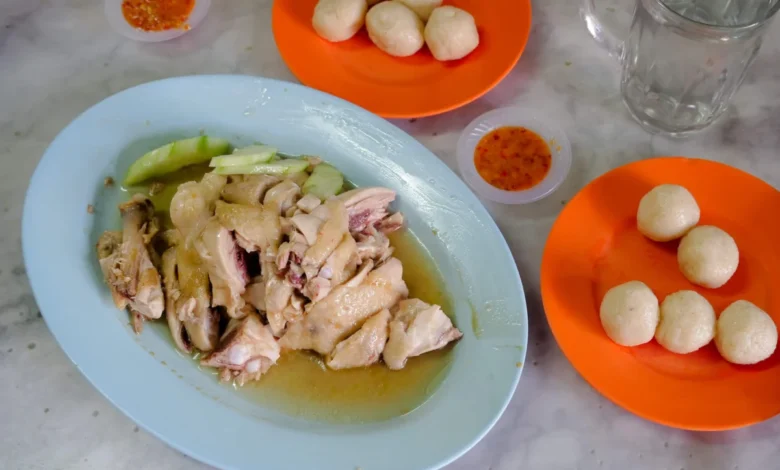
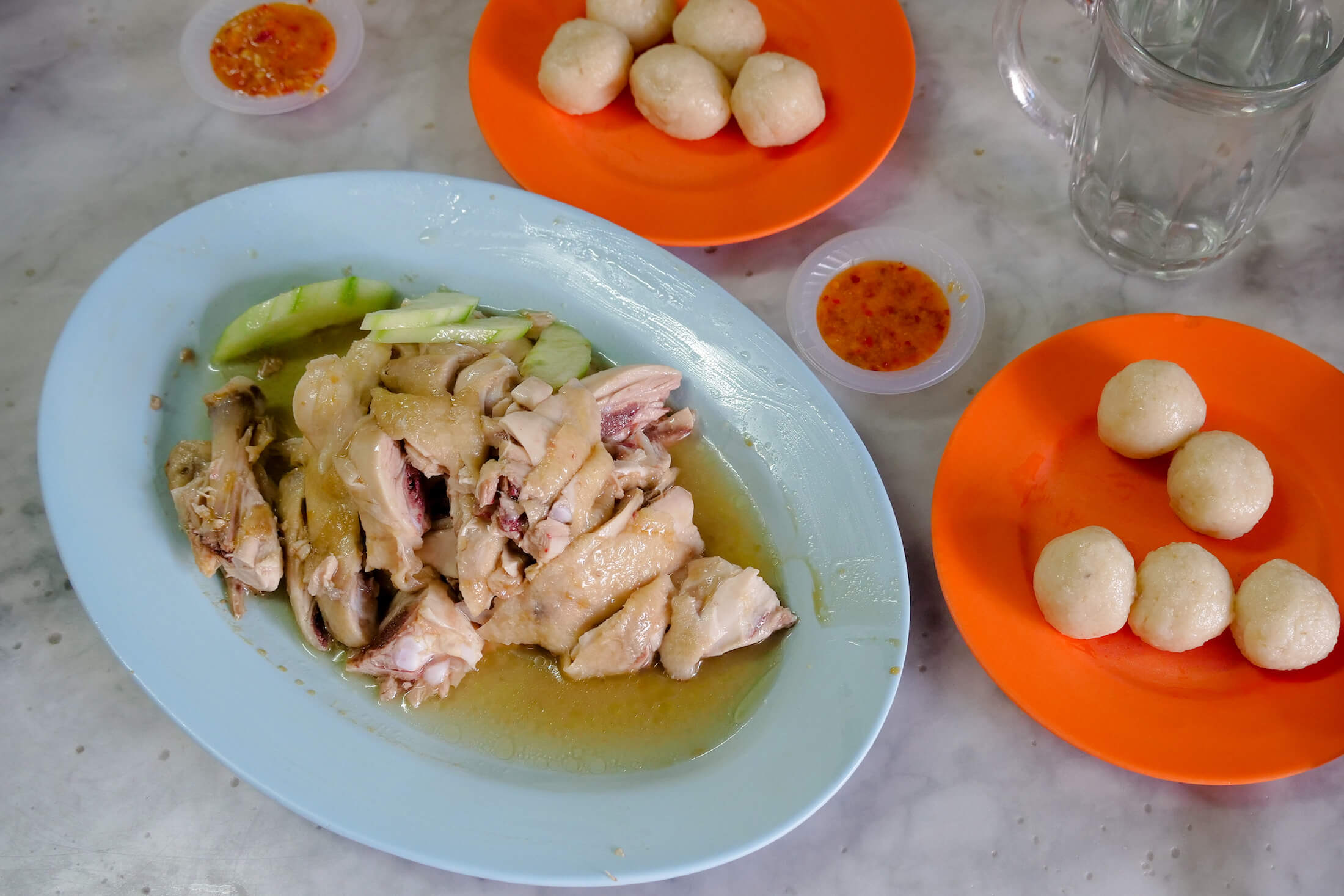
Hainanese chicken rice stands as one of the most recognizable and enduring street food staples across Southeast Asia, representing a culinary bridge forged by centuries of migration, cultural synthesis, and regional adaptation. While variations of the dish can be found in bustling urban centers from Singapore to Bangkok, few establishments command the historical reverence and steady daily queues of Kedai Kopi Chung Wah. Situated strategically at the foot of the iconic Jonker Street bridge in Melaka, Malaysia, this unassuming family-run kopitiam (traditional coffee shop) has earned international acclaim not merely for serving a regional favorite, but for preserving a rare, labor-intensive culinary artifact: the Hainanese chicken rice ball.
Historical Context and Migration Patterns
The presence of Hainanese cuisine in Malaysia is rooted in the large-scale emigration of populations from China’s southernmost island province, Hainan, during the late 19th and early 20th centuries. However, the historical significance of Melaka as a trading crossroads extends far deeper into the annals of Southeast Asian history. Since the mid-15th century, the strategic geographic positioning of the Straits of Malacca transformed the port city into a magnet for international commerce, drawing merchants, diplomats, and settlers from Asia, the Middle East, and eventually Europe.
When maritime trade routes brought Chinese merchant vessels to the shores of Melaka, travelers and immigrants brought with them domestic cooking techniques that gradually adapted to local ingredients and tropical climates. While distinct from the hybrid Peranakan (Straits Chinese) and Nyonya cuisines that also define Melaka’s unique cultural mosaic, traditional Hainanese chicken rice established itself as a cornerstone of Chinese-Malaysian gastronomy. Over successive generations, local practitioners infused the classic profiles of poached poultry and seasoned rice with distinct Southeast Asian flavor dimensions, utilizing regional aromatics, fiery dipping sauces, and indigenous preparation methods.
Anatomy of a Culinary Tradition: The Rice Ball
What distinguishes Kedai Kopi Chung Wah within the competitive landscape of Malaysian gastronomy is its steadfast adherence to the traditional method of shaping cooked rice into tightly packed, spherical portions. Historically, this practice originated out of necessity rather than mere aesthetic novelty. Early Hainanese laborers and travelers moving through the region required portable, durable sustenance for long journeys, field work, and trekking into the hills. Rolling the warm, seasoned rice into firm balls ensured it remained compact, easily transportable, and protected from spoilage during extended periods away from a permanent kitchen.
Crafting these rice spheres demands rigorous preparation and precise timing. The process begins with long-grain rice cooked in a rich broth infused with rendered chicken fat, ginger, garlic, and pandan leaves, mirroring the flavor base of standard Hainanese chicken rice. However, before the starch cools, kitchen staff manually compress the grains into firm, uniform spheres capable of maintaining their structural integrity even when plated. The resulting texture bridges the gap between traditional steamed rice and glutinous varieties, offering a dense, cohesive bite with a subtle, smoky aroma reminiscent of the caramelized crust found at the bottom of a traditional rice cooker. Patrons frequently remark on the distinctive tactile experience of the rice, which readily absorbs the residual flavors of the accompanying poultry and savory pan juices.

Operational Logistics and Consumer Experience
Operating within Melaka’s bustling heritage zone, Kedai Kopi Chung Wah manages a high-volume culinary operation tailored for rapid turnover. The restaurant opens its doors promptly at 9:00 a.m., drawing a continuous stream of local residents, domestic tourists, and international travelers. Because seating is limited and the establishment operates strictly as a daytime eatery—closing at 3:00 p.m. on weekdays and 4:00 p.m. on weekends—patrons routinely encounter extended queues during peak morning and midday hours.
The ordering protocol is famously streamlined to maximize efficiency in response to the constant demand. Upon entering, guests are asked to establish their party size, which directly dictates the allocation of rice ball plates, followed by the selection of poultry quantity, available exclusively in half or whole portions. This rapid-fire service model requires tactical coordination among diners, often necessitating that one member of a party secures a table while another manages the queue and places the order. Despite the high-pressure environment, meals are typically delivered to the table within minutes of ordering.
Gastronomic Profile: Poultry, Sauce, and Accoutrements

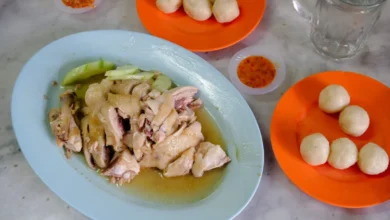
The culinary offering at Kedai Kopi Chung Wah relies on a tripartite structure: poached chicken, specialized dipping sauce, and the signature rice balls.
The poultry is prepared using traditional poaching techniques designed to preserve moisture and tenderness, resulting in skin that is soft, unctuous, and subtly infused with garlic and aromatic essences. Served steaming hot, the chicken serves as a neutral canvas for the establishment’s defining accompaniment: a potent, vinegar-forward chili and garlic dipping sauce. Heavily weighted toward acidity and pungent alliums, the condiment delivers a sharp, spicy, and tangy profile that cuts through the richness of the poultry and the dense starch of the rice balls. Culinary analysts note that this specific fusion—pairing a classic Hainanese protein base with a distinctly localized, acid-driven Malay-Chinese flavor profile—represents the core of the restaurant’s enduring appeal.
Economic Footprint and Tourism Impact
Operating on a modest cash-and-carry model, Kedai Kopi Chung Wah offers an accessible price point that contrasts sharply with its elevated cultural status. A typical meal for two, encompassing a generous portion of chicken and multiple plates of rice balls alongside traditional beverages such as Hainanese coffee (kopi) or Chinese tea, averages approximately 28 Malaysian Ringgit (roughly $6.77 USD).

The restaurant’s prominent location on the corner of Jonker Street—positioned directly across the pedestrian bridge spanning the Melaka River—cements its status as an essential landmark within the UNESCO World Heritage zone. Tourism boards and culinary guides consistently feature the establishment as a primary entry point for visitors seeking authentic Straits-heritage cuisine. However, the intense vehicular traffic and complex parking regulations surrounding the historic district present ongoing logistical challenges for motorists navigating the area.
Broader Culinary Implications
The enduring popularity of Kedai Kopi Chung Wah highlights a broader trend within Southeast Asian tourism: the increasing valuation of intangible cultural heritage through food. As modern fast-casual dining and commercial modernization threaten traditional foodways across urban centers, establishments that preserve manual, labor-intensive techniques serve as vital archives of culinary history.
Food historians and cultural anthropologists emphasize that dishes like the Hainanese chicken rice ball do more than satisfy nutritional needs; they document the historical trajectories of diaspora communities who adapted their ancestral diets to new homelands. By maintaining century-old preparation methods without commercial shortcuts, family-run institutions in Melaka provide empirical insight into the evolution of regional identities through gastronomy.

For travelers and culinary researchers alike, a visit to Kedai Kopi Chung Wah offers an encounter with living history. The establishment demonstrates that simple, unpretentious ingredients, when elevated by rigorous technique and generations of refinement, can sustain a global following and secure a permanent place in the culinary cartography of Southeast Asia.