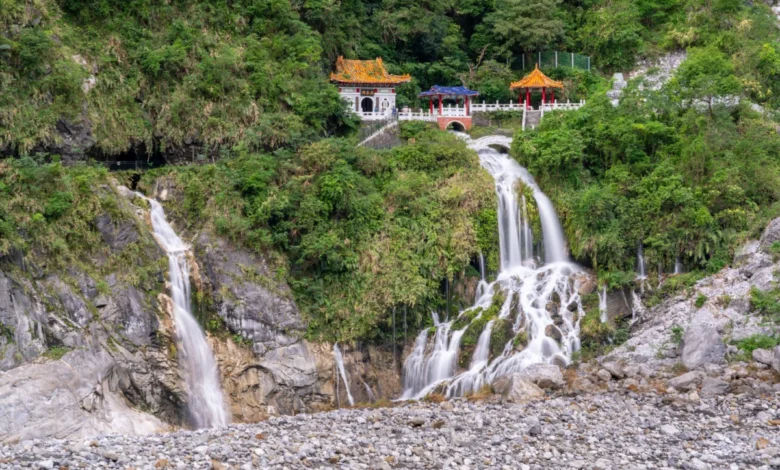
For decades, international tourism to East Asia has largely centered on whirlwind itineraries, with visitors spending a week or two checking off prominent landmarks before rushing on to the next major aviation hub. Among the beneficiaries of this travel model is Taiwan, a densely packed island measuring roughly 36,000 square kilometers, which boasts an extraordinary geographic and cultural density. Tourists routinely flock to the territory to sample its world-famous night markets, hike through subtropical mountain ranges, visit ancient temples, and relax in geothermal hot springs. However, a growing cohort of long-term expatriates, remote workers, and educators argues that viewing Taiwan solely as a short-term holiday destination misses the true essence of the territory. By transitioning from transient visitors to long-term residents, expatriates are discovering that the island’s true value lies in its daily rhythms, community integration, and the seamless coexistence of hyper-modern efficiency and deep-rooted tradition.
This shift toward long-term residency is facilitated by a unique intersection of economic policy, lifestyle appeal, and employment opportunities. Chief among the pathways for extended stays is English language education, a sector that has experienced structural evolution over the past several decades.
The Evolution of English Education and the 2030 Bilingual Policy
The demand for qualified English instructors in Taiwan is not a recent phenomenon, but it has gained significant institutional momentum in recent years. In 2018, the Taiwanese government formally announced its ambitious "Bilingual 2030" policy, an initiative designed to upgrade the English proficiency of the general populace and elevate the national economy’s global competitiveness. The policy aims to systematically integrate English-language instruction across public education, corporate training, and public sector operations.
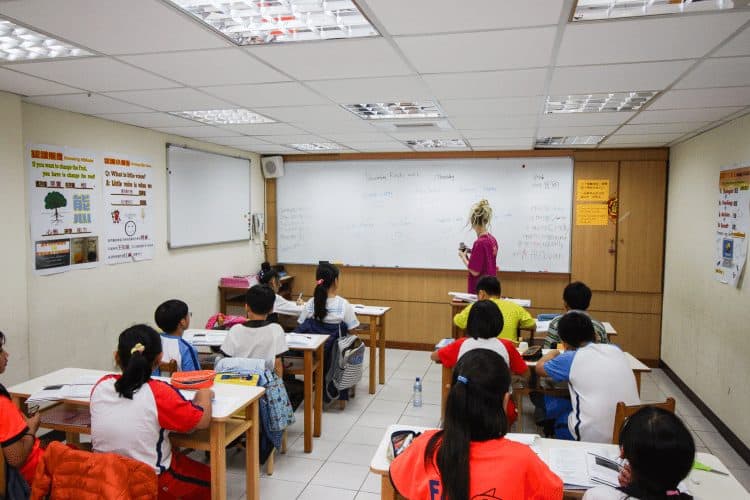
This governmental push has generated a sustained, high-volume demand for certified educators from English-speaking nations such as the United States, Canada, the United Kingdom, Australia, and New Zealand. For foreign nationals seeking an immersive international experience, teaching offers a legally secure and financially viable entry point into Taiwanese society. Unlike standard tourists, who remain external observers, educators are integrated directly into local institutions, affording them daily interactions with students, administrative colleagues, and parents that provide an unfiltered view of Taiwanese cultural values.
Employment structures within the sector are diverse, catering to various professional backgrounds and career objectives. Newcomers frequently begin their tenure in buxibans—private after-school language academies—which offer flexible hiring cycles and abundant entry-level positions. Conversely, public schools and universities often provide more robust compensation packages, including housing stipends, airfare reimbursements, and contract-completion bonuses, albeit with larger class sizes and administrative duties. Additionally, private tutoring has emerged as a lucrative alternative for independent educators operating outside formal institutional frameworks, allowing for flexible scheduling and higher hourly earnings.

Infrastructure, Cost of Living, and Daily Practicalities
Beyond employment prospects, Taiwan’s foundational infrastructure plays a critical role in attracting and retaining foreign professionals. Urban centers, most notably the capital city of Taipei, consistently rank high in global livability indexes due to efficient public transit networks, low crime rates, and reliable municipal services. The Taiwan High-Speed Rail (THSR), which commenced commercial operations in 2007, connects the length of the western corridor from Taipei in the north to Kaohsiung in the south in under two hours, facilitating seamless domestic mobility.
Economically, Taiwan offers a favorable cost-of-living index compared to major metropolitan areas in North America and Western Europe. While housing costs in prime districts of Taipei have risen in tandem with economic growth, everyday expenses—including public transportation, healthcare, and dining—remain remarkably affordable. The National Health Insurance (NHI) system, established in 1995, provides comprehensive, universal healthcare coverage to all legal residents, including foreign teachers and expatriates. This accessible medical infrastructure has frequently been cited by long-term expatriates as a primary factor in their decision to renew residency contracts.
Furthermore, Taiwan’s digital infrastructure is among the most advanced globally, featuring widespread high-speed fiber-optic internet and near-universal public Wi-Fi coverage. This technological backbone supports not only traditional educators but also a burgeoning population of digital nomads and remote professionals who utilize Taiwan as a stable, secure operating base in the Asia-Pacific region.
Cultural Integration and Community Dynamics
Transitioning to life in Taiwan involves navigating a society defined by a distinct blend of Confucian heritage, Japanese colonial-era influences, and contemporary democratic pluralism. Sociological observations of expatriate communities indicate that while initial settlement periods can present linguistic and cultural hurdles, Taiwan’s social fabric is characterized by high levels of civic safety, hospitality, and communal cohesion.
Language barriers, while present, are frequently mitigated by the widespread presence of English signage in urban centers and a high baseline comprehension among the younger demographic. Nevertheless, long-term residents emphasize that acquiring conversational Mandarin or Taiwanese Hokkien significantly enhances social integration and professional opportunities. Community engagement frequently centers around neighborhood wet markets, local temples, and civic associations, where expatriates interact directly with local vendors and residents.
Support networks for foreigners are well-established, with expatriate associations, online forums, and cultural exchange groups offering practical assistance during the initial relocation phase. However, integration specialists advise that relying exclusively on Western expatriate bubbles can limit cultural comprehension. Forming connections with local colleagues and neighbors remains the most effective method for understanding the nuanced social norms and unwritten etiquettes that govern daily interactions in Taiwanese society.

Geographic Diversity and Regional Exploration
One of the primary benefits cited by long-term residents is the ability to explore Taiwan’s diverse topography at a measured pace. Despite its compact size, the island features a dramatic range of landscapes, running from subtropical coastlines to alpine peaks exceeding 3,500 meters.
Major geographic and cultural points of interest include:
- Sun Moon Lake: Situated in Yuchi Township, Nantou County, this alpine body of water is renowned for its scenic cycling routes, indigenous culture, and historical significance as a retreat for former political leaders.
- Taroko Gorge: Located in Hualien County, this 19-kilometer-long canyon features sheer marble walls and carved river valleys. Following significant seismic activity in the region, including the major 2024 earthquake, tourism infrastructure and trail restoration projects have been implemented incrementally by national park authorities to ensure structural safety.
- Alishan National Scenic Area: Famous for its high-altitude old-growth forests, sea-of-clouds phenomena, and the historic Alishan Forest Railway, which was originally constructed during the Japanese colonial period primarily for timber transport before transitioning into a premier tourism asset.
- Chung Tai Chan Monastery: Located in Puli, this monumental Buddhist complex represents a synthesis of traditional monastic architecture and modernist engineering, designed by architect C.Y. Lee.
These regional assets, accessible via an integrated network of railways, expressways, and bus lines, allow residents to utilize weekends for localized tourism without the logistical fatigue associated with international travel.

Economic and Sociopolitical Implications of Inbound Migration
The influx of foreign educators, professionals, and long-term visitors holds broader implications for Taiwan’s socioeconomic landscape. As the island navigates demographic shifts characterized by low birth rates and an aging domestic population, government and municipal authorities have increasingly recognized the economic contributions of skilled foreign labor.
Programs such as the Employment Gold Card, introduced in 2018 to attract specialized talent in fields ranging from technology to the arts, reflect a broader policy shift toward internationalization. By integrating foreign nationals not merely as transient consumers of tourism products, but as active participants in the workforce, educational institutions, and local communities, Taiwan is actively redefining its position within the global diaspora.
Ultimately, while short-term tourism will remain a vital component of Taiwan’s economic ecosystem, the narrative of life on the island extends far beyond the itinerary of a two-week vacation. For those willing to invest the time to navigate its neighborhoods, engage with its educational frameworks, and adapt to its daily rhythms, Taiwan transforms from a temporary destination into a sustainable, multifaceted long-term home.