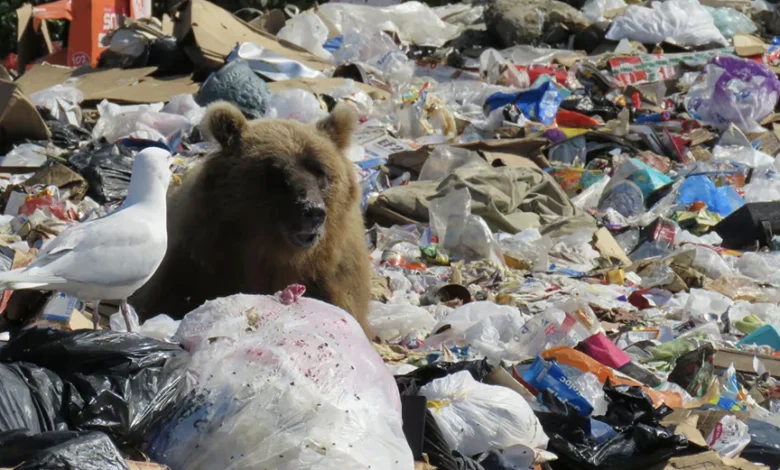
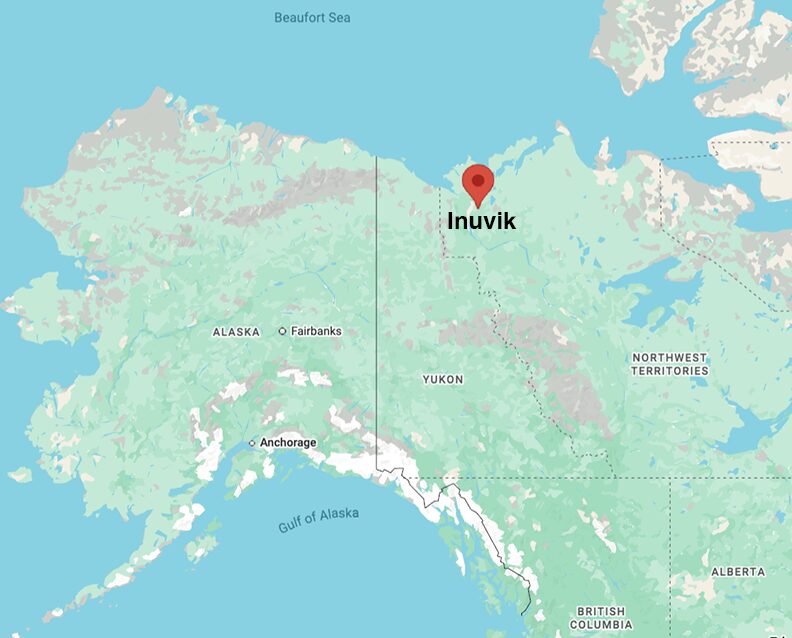
In an unprecedented and harrowing wildlife management operation in the Northwest Territories, officials in the town of Inuvik have been forced to cull 28 grizzly bears that had become lethally dependent on the community’s municipal landfill. The mass destruction of these apex predators serves as a grim case study in the consequences of human-wildlife conflict in the rapidly changing North, highlighting a multi-generational ecological crisis that has left both conservationists and local officials grappling with an impossible choice.
For years, the landfill serving the 3,500 residents of Inuvik functioned as a reliable, high-calorie dining hall for the local grizzly population. What began as an incidental scavenging habit evolved into a cultural tradition among the bears, with mothers teaching cubs to associate the scent of human waste with survival. By 2025, wildlife monitoring programs identified more than 40 individual grizzlies frequently visiting the site, creating a dangerous concentration of habituated animals on the edge of human civilization.
A Chronology of Dependency
The crisis did not emerge overnight. Wildlife experts suggest that for at least three to four generations, local bears have bypassed traditional foraging behaviors—such as hunting for Arctic ground squirrels, berries, and fish—in favor of the concentrated, calorie-dense food sources found in the dump. This shift resulted in a profound loss of wild survival instincts.
In 2025, the gravity of the situation prompted the Northwest Territories government to approve a $700,000 project to construct an electrified, perimeter-hardened fence around the landfill. The goal was simple: to sever the link between the town’s refuse and the grizzly population, forcing the animals to return to their natural habitat. However, the intervention arrived too late for many of the bears.
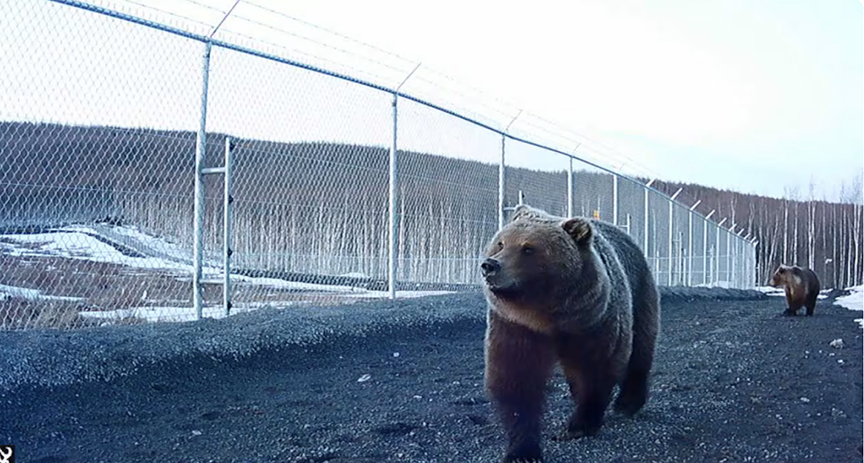
Upon the completion of the barrier, the outcome was not the return to the wild that officials had hoped for. Instead, the habituated bears exhibited signs of profound confusion and distress. Lacking the skills to hunt effectively in the surrounding tundra, they remained tethered to the landfill, pacing the perimeter of the fence. Others, driven by starvation, began encroaching into the residential areas of Inuvik, posing an immediate threat to human safety.
The Human and Ecological Toll
The physical condition of the bears observed in the final months was alarming. Toby Halle, a Renewable Resources officer in Inuvik, described the animals as emaciated and sickly, trapped in a behavioral loop they were physiologically incapable of breaking.
"They would just do these laps around the dump, and they would just be emaciated, sickly," Halle stated in an interview with the CBC. "They don’t know what to do with themselves. And quite frankly, we don’t know what to do with them."
The decision to authorize the lethal removal of 28 bears was not taken lightly, but local leadership emphasized that it became a matter of public safety. As the animals grew bolder, the risk of a predatory attack on residents—or the destruction of property—increased to an unsustainable level. Mayor Peter Clarkson noted that the town had essentially created a "subsidy" for the bears, and once that subsidy was withdrawn, the animals were left to wither or turn to the town itself for food.
Data and Wildlife Management Perspectives
The situation in Inuvik reflects a broader, systemic issue across the Canadian Arctic. While many northern communities are moving toward better waste management practices, the legacy of open-air, unmanaged landfills continues to plague wildlife management agencies.
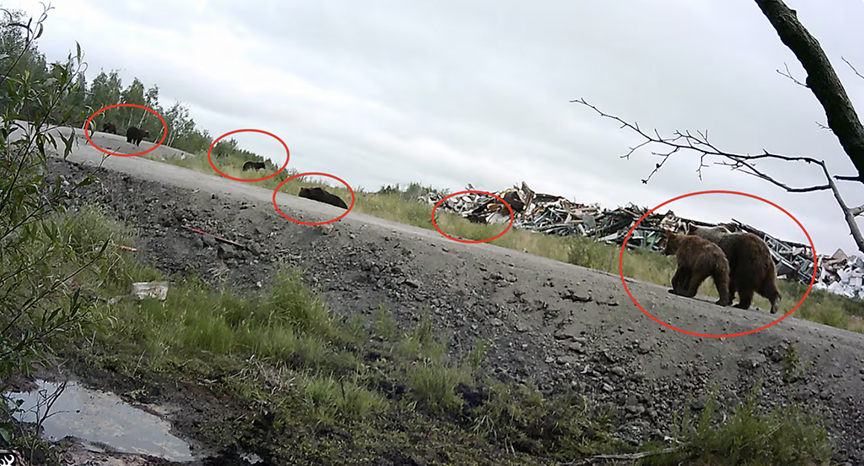
According to data from the Northwest Territories Department of Environment and Climate Change, the cost of "problem bear" management—which includes hazing, relocation, and, as a final resort, lethal removal—is rising. A bear that learns to view human activity as a food source is rarely a candidate for relocation. Studies have shown that translocated grizzly bears, particularly those that have reached adulthood, often travel hundreds of kilometers to return to the site where they learned to scavenge, or they become nuisance animals in the next community they encounter.
The ecological impact of removing 28 bears from a single sub-population is significant. Grizzly bears are low-fecundity animals; females reach reproductive maturity late and produce small litters every few years. The loss of nearly three dozen individuals represents a substantial demographic blow to the local grizzly population, one that could take decades to recover.
Implications for Arctic Communities
The tragedy in Inuvik serves as a cautionary tale for other remote Arctic settlements that have yet to secure their waste infrastructure. The "Inuvik model"—using expensive physical barriers—is now being scrutinized for its effectiveness. If a fence is installed without a concurrent, long-term plan to provide alternative, natural foraging habitats or to ensure absolute waste exclusion, the fence merely becomes a point of frustration for the animals.
Experts in human-wildlife conflict suggest that the solution must be proactive rather than reactive. This includes:
- Waste Diversion: Implementing aggressive composting and waste-shipping programs to ensure that food waste never reaches local landfills.
- Community Education: Training residents on proper food storage and the dangers of accidental attractants, such as bird feeders or uncleaned grills.
- Early Intervention: Addressing the first instances of "nuisance" behavior before a bear becomes fully habituated to human-provided food.
The Path Forward
As winter sets in, the immediate crisis in Inuvik has subsided, but the long-term questions remain. Wildlife officers are hopeful that the remaining, non-habituated bears in the region will adapt to natural foraging, but there is no guarantee that new, younger bears will not be drawn to the site by the lingering scent of human waste.
The $700,000 fence remains a testament to the town’s commitment to solving the problem, yet it also stands as a monument to the failure of previous generations to manage the community’s footprint in a way that protected both the residents and the local fauna.
For the people of Inuvik, the experience has been traumatic. The necessity of killing 28 bears—animals that were essentially victims of human negligence—has left a somber mood in the town. It is a stark reminder that in the harsh environment of the high Arctic, human infrastructure and wildlife behavior are inextricably linked. When that link is severed, the consequences are often borne by the animals, leaving the community to reconcile the necessity of public safety with the loss of the majestic predators that define the northern landscape.
As the climate continues to change, leading to shifts in traditional food sources like fish runs and berry patches, the pressure on bears to find alternative sustenance will likely increase. Inuvik’s experience will likely be used as a primary case study in future environmental planning, proving that once a wild animal is conditioned to the conveniences of human civilization, the path back to the wild is often blocked by the very behaviors we inadvertently encouraged.
The question remains whether other communities will take heed of these events before they, too, are forced into the difficult position of choosing between the safety of their children and the survival of the grizzlies that roam their borders. The loss of 28 bears is a heavy price for a lesson that the North will likely be forced to confront again in the coming years.