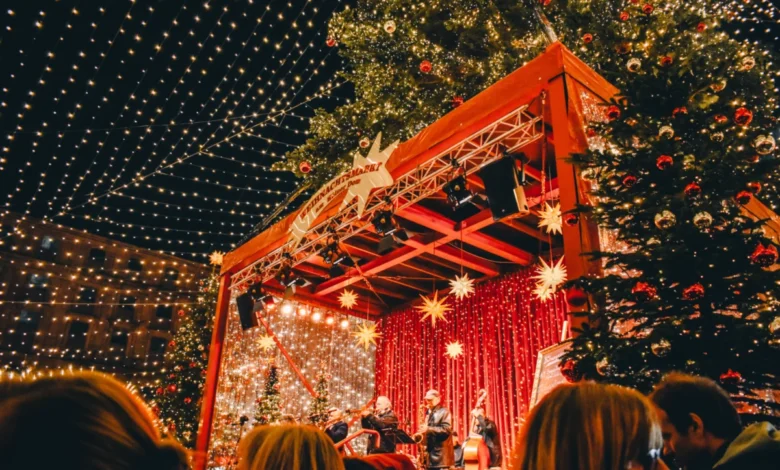
The German Christmas market, or Weihnachtsmärkte, represents one of the most significant cultural and economic phenomena in European tourism. As the 2026 holiday season approaches, with the first Sunday of Advent falling on November 29, millions of visitors are preparing to traverse these historical public squares to participate in a centuries-old tradition that serves as both a festive celebration and a vital regional economic engine. The markets typically operate through late December, with select locations extending their operations into the first week of January, providing a prolonged window for the consumption of traditional German gastronomy.

Historical Context and Economic Impact

The origins of the German Christmas market can be traced back to the Late Middle Ages. Historical records indicate that early markets served as essential supply hubs for citizens preparing for the winter months, offering fresh meat, textiles, and household goods. Over time, these gatherings evolved into the festive, social, and culinary events recognized today.
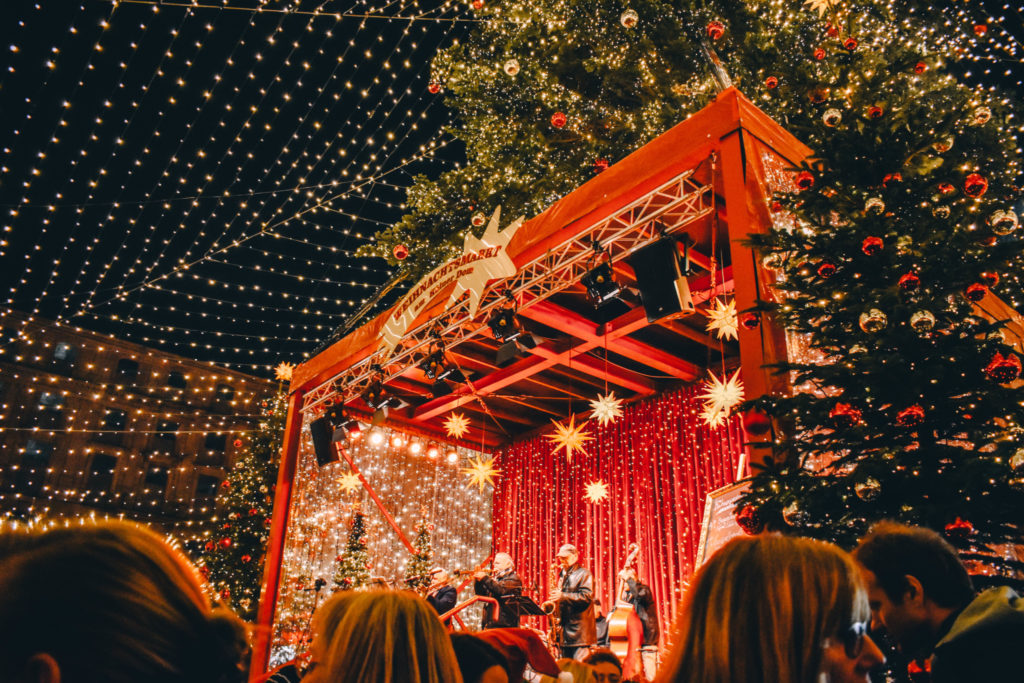
In modern Germany, the sector has grown into a multi-billion-euro industry. According to industry reports, over 2,500 markets currently operate across the country, employing approximately 188,000 individuals during the peak season. These figures underscore the logistical scale of the event, which requires the coordination of local municipal governments, small-scale artisan vendors, and temporary hospitality staff. The economic impact extends beyond direct sales, influencing regional tourism, transportation sectors, and local hospitality services, thereby cementing the markets as a foundational element of Germany’s winter economy.

The Gastronomic Landscape: Traditional Beverages

The culinary offerings at these markets are deeply rooted in regional history and seasonal availability. The most ubiquitous beverage is Glühwein, a mulled wine typically composed of red wine heated with a proprietary blend of spices including cinnamon, cloves, star anise, and citrus. The practice of heating wine dates back to the 15th century, when it was believed to provide medicinal benefits against the winter cold.
Market operations frequently utilize a "Pfand" system, a deposit-based scheme where customers pay a small fee for a ceramic or glass mug, which is refunded upon the return of the vessel. Alternatively, many visitors choose to retain the mug as a commemorative souvenir, a practice that has turned these items into sought-after collectibles.

Beyond standard Glühwein, the market beverage menu has diversified to include:

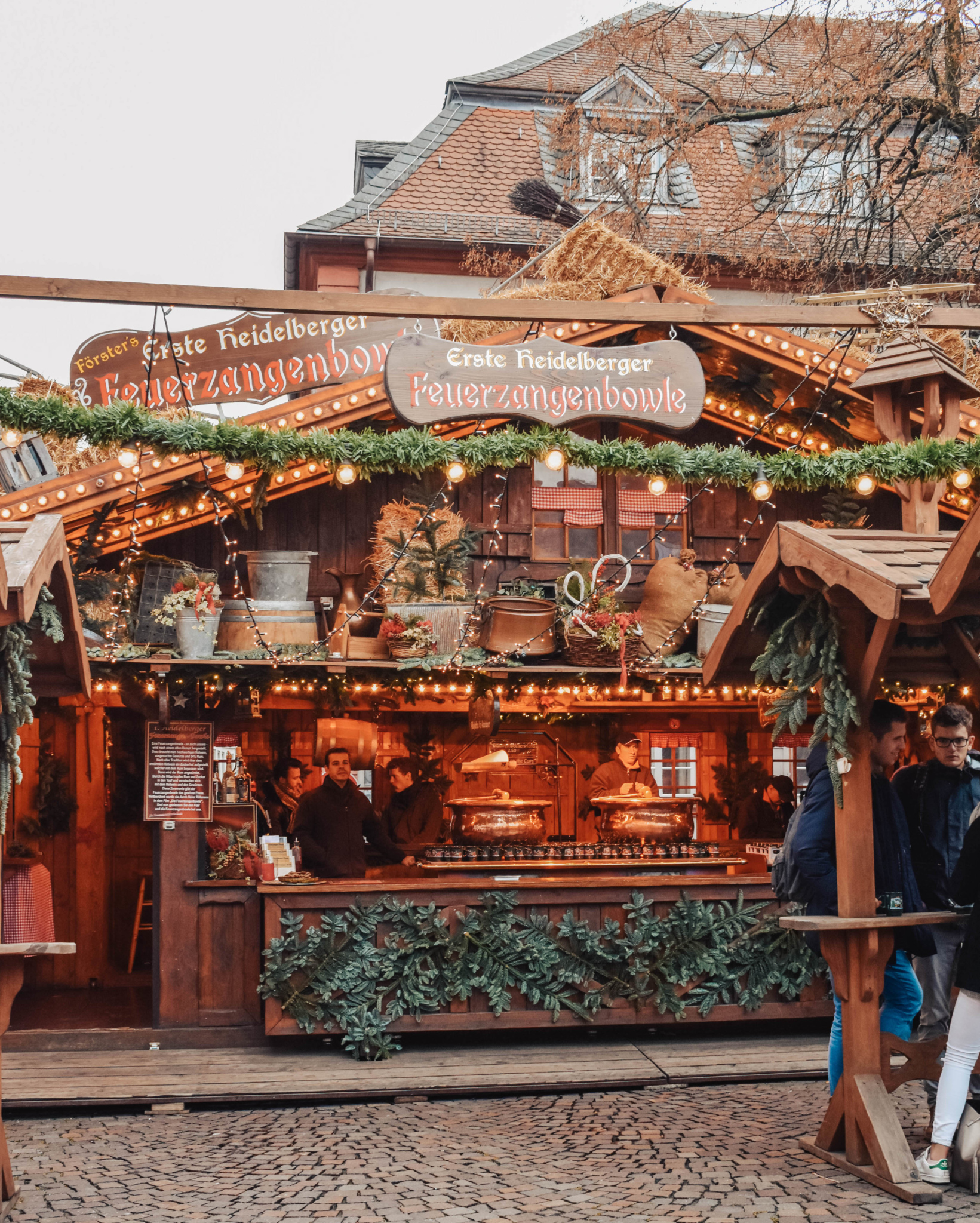
Feuerzangenbowle: A highly traditional and performative drink where a rum-soaked sugar loaf is set alight and allowed to drip into a pot of mulled wine. The technique requires careful preparation to ensure the sugar caramelizes properly into the wine base.
Eierpunsch: A German variation of eggnog, featuring a richer, creamier profile, often thickened with egg yolks and fortified with white wine or spirits.
Kinderpunsch: A non-alcoholic alternative, typically consisting of spiced fruit juices, catering to the family-oriented nature of the markets.
Schnapps and Local Spirits: In many regions, fruit-based distillates are offered, reflecting local agricultural outputs such as cherries, plums, or apples.

Savory Provisions: Culinary Staples

The savory menu at a German Christmas market is designed to provide substantial, calorie-dense sustenance suitable for outdoor consumption in sub-zero temperatures.

Sausage (Wurst) varieties serve as the primary protein source. Regional diversity is significant, with offerings ranging from the standard Bratwurst—often served on a roll with spicy mustard—to the Berlin-originated Currywurst, which features sliced sausage topped with a curry-infused ketchup sauce.

Other notable savory items include:

Frikadelle: A hearty, pan-fried pork patty often accompanied by onions and served in a bun.
Kartoffelpuffer (Reibekuchen): These are shredded potato pancakes, deep-fried until crisp. They are typically served with Apfelmus (applesauce) or a garlic-based herb quark.
Käsespätzle: A traditional egg-noodle dish layered with high-fat alpine cheeses and topped with caramelized onions. This dish is frequently cited by culinary historians as a staple of Southern German comfort food.
Flammkuchen: Originating from the Alsace region, this thin-crust flatbread is topped with crème fraîche, onions, and bacon lardons. Its preparation time is minimal, making it an efficient option for high-volume market stalls.
Spiessbraten: Large cuts of marinated pork, roasted on a rotating spit over an open flame, providing a distinct smoky flavor profile that is a hallmark of many larger city markets.

Sweet Treats and Seasonal Confections

The dessert segment of the market reflects traditional German baking and confectionery crafts.

Candied nuts, or "Gebrannte Mandeln," are perhaps the most recognizable olfactory symbol of the markets. The process involves roasting almonds in a copper pan with sugar and various spices, resulting in a caramelized coating.

Other essential sweets include:

Stollen: A dense, fruit-filled bread coated in powdered sugar. The traditional recipe has been protected under various regional certifications, with Dresden-based Stollen being perhaps the most famous iteration. Its shape is often interpreted as symbolic of the swaddled infant Jesus.
Schaumkuss: A delicate treat consisting of a marshmallow-like foam base covered in a thin layer of chocolate.
Germknödel: A large, steamed yeast dumpling, typically filled with spiced plum jam and served submerged in a warm vanilla sauce.
Baumstriezel (Chimney Cake): While of Hungarian origin, this pastry has become a staple at German markets. It is prepared by wrapping dough around a wooden cylinder, roasting it over an open flame, and dusting it with cinnamon, sugar, or cocoa.

Operational Realities and Future Trends

The management of a market stall is a complex endeavor, often involving multi-generational family businesses. Interviews with vendors suggest that while the physical labor is demanding, the cultural significance of maintaining these traditions remains a primary motivator.

From an administrative perspective, the 2026 season is expected to reflect current inflation trends, with price adjustments anticipated across the board. Market organizers are increasingly focusing on sustainability, with many municipalities mandating the use of recyclable or reusable serving vessels to reduce waste. Furthermore, security protocols at major markets in cities like Cologne, Munich, and Frankfurt have been modernized to ensure public safety, reflecting the high density of foot traffic.

Analytical Implications

The sustained popularity of the German Christmas market presents an interesting case study in the resilience of tradition within a globalized economy. Despite the rise of digital commerce and modern entertainment, the demand for these physical, community-centric spaces has not waned. The market serves as a "third place"—a social environment separate from the home and the workplace—that fosters community cohesion during the darkest months of the year.

As the 2026 season approaches, the integration of regional specialties from outside Germany—such as the aforementioned Hungarian chimney cakes or French-inspired raclette—suggests an evolving, more cosmopolitan identity for the modern market. This synthesis of local heritage and European culinary exchange ensures that the Weihnachtsmärkte remain not only a historical relic but a dynamic, living component of contemporary European culture.

For the international visitor, navigating these markets requires an understanding of local customs. The preference for cash remains strong in many smaller, rural markets, despite the broader move toward digital payments in Germany. Visitors are encouraged to prioritize local, regional specialties, as the quality and authenticity of the food are often tied to the specific geographic location of the market. By engaging with these traditions, tourists contribute to the local economy while participating in an essential ritual of the European winter season.