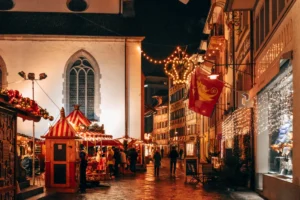
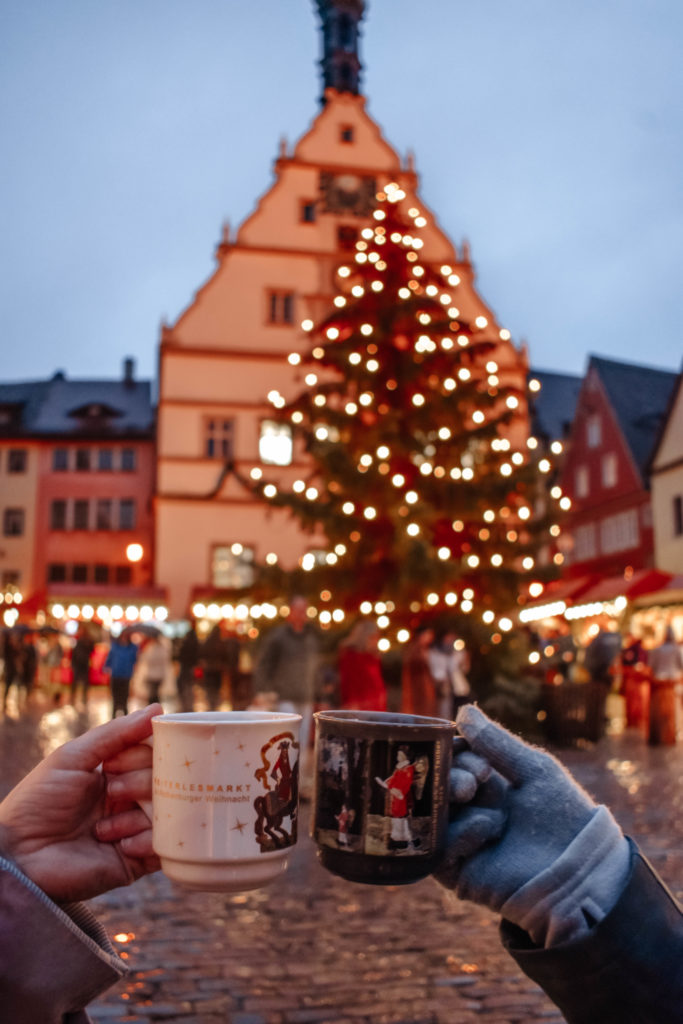
The German Christmas market, or Christkindlesmarkt, represents a centuries-old tradition that serves as a cornerstone of the country’s cultural and economic landscape during the winter season. As preparations for the 2026 season commence, both domestic and international visitors are planning their itineraries to experience this historic phenomenon. The season typically begins in the final week of November, with the formal opening of major markets—such as the renowned Nuremberg Christkindlesmarkt—aligned with the liturgical calendar. In 2026, with the first Sunday of Advent falling on November 29, the official opening of the Nuremberg market is scheduled for Friday, November 27. These markets function as significant economic drivers for German municipalities, attracting millions of tourists annually and fostering a robust market for artisanal goods.
Historical Context and Economic Significance

The origins of these markets trace back to the Late Middle Ages in German-speaking territories. Historically, they were designed as brief winter markets where residents could purchase supplies, particularly meat and seasonal provisions, to sustain themselves through the harsh winter months. Over time, these gatherings evolved into festive celebrations characterized by the sale of toys, sweets, and handcrafted decorations.
Today, the economic impact is substantial. According to tourism data from the German National Tourist Board, the Christmas market sector contributes billions of euros to the German economy each year. Local businesses, ranging from small-scale woodworkers to regional food producers, rely on the four-week window to generate a significant portion of their annual revenue. For many artisans, the markets provide a rare platform to showcase products that are increasingly threatened by mass-market manufacturing.
Curated Souvenirs: A Guide to Authentic Market Goods
For those navigating the dense rows of wooden stalls, distinguishing between mass-produced trinkets and authentic, locally crafted goods is essential for ensuring both quality and economic support for local tradespeople.
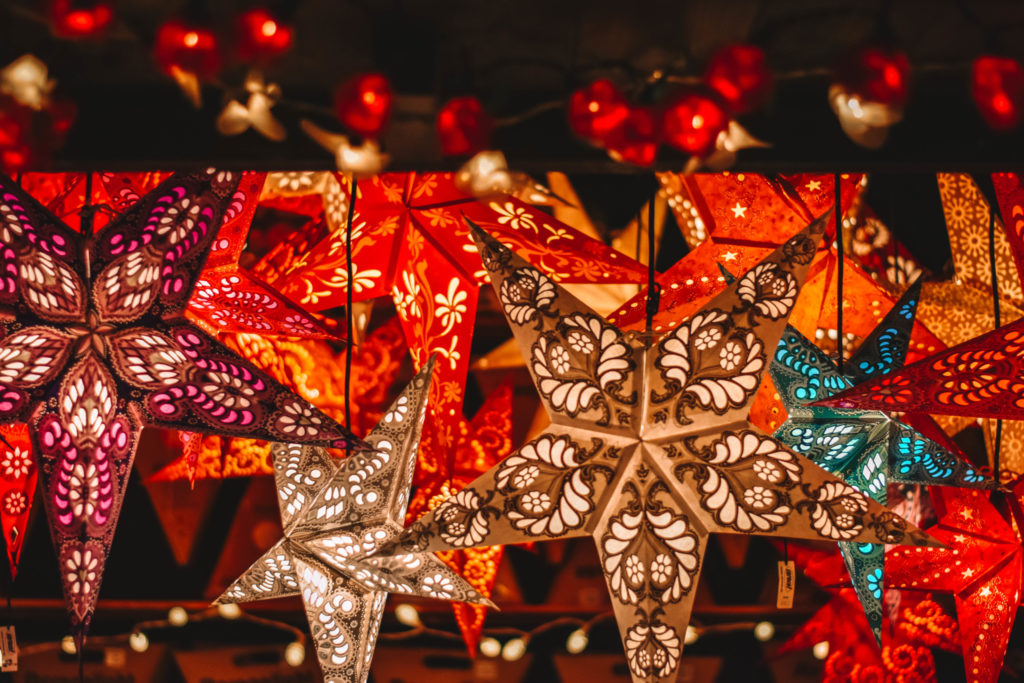
Glühwein Mugs and Collectible Ceramics
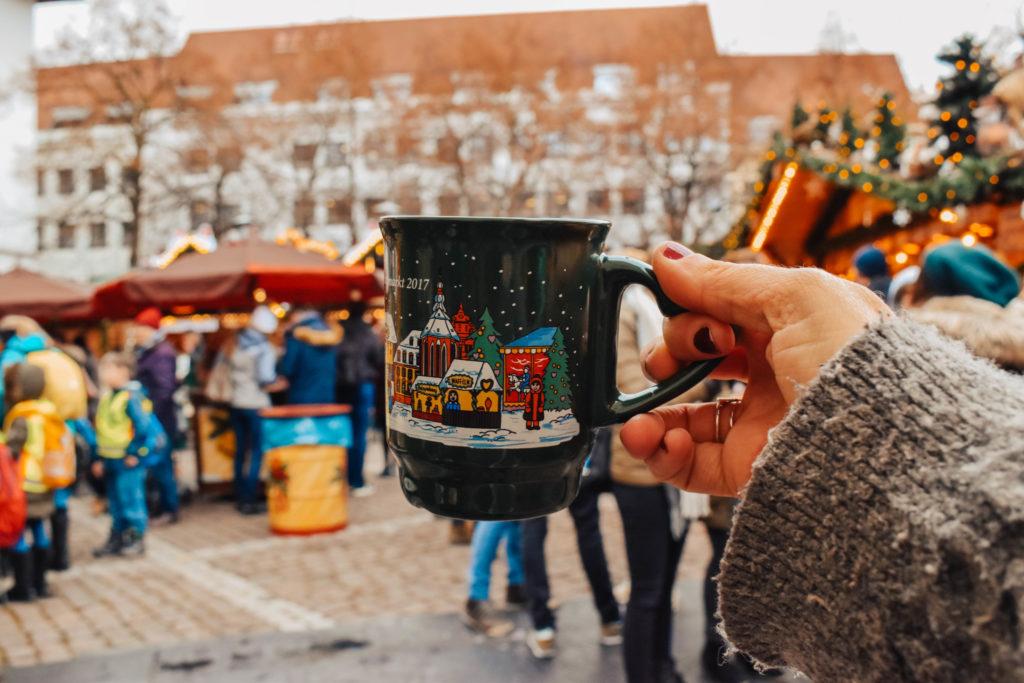
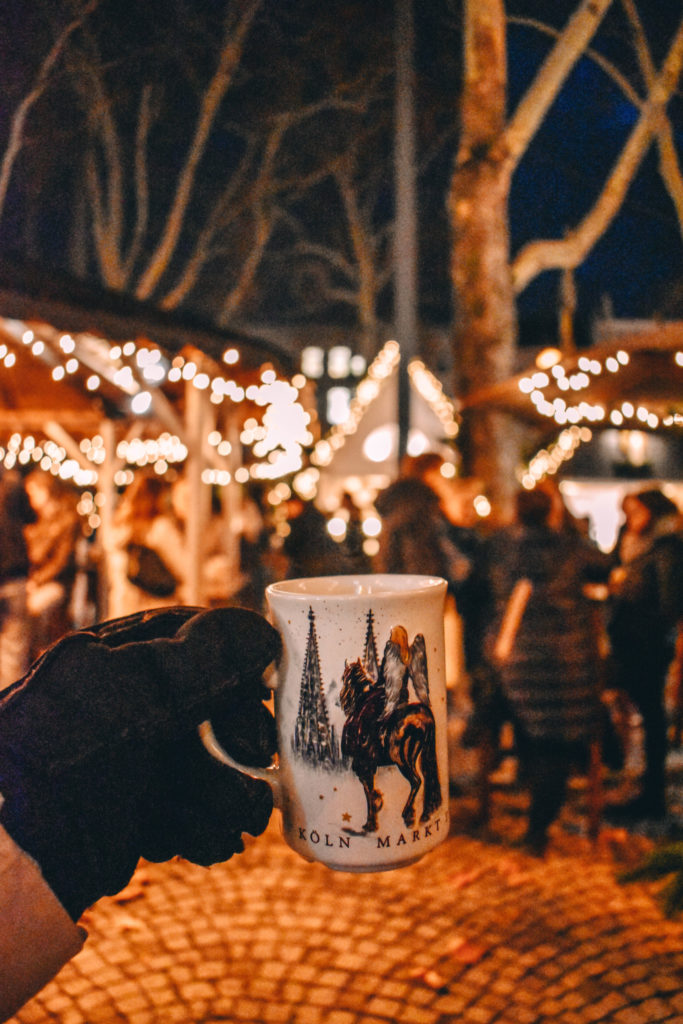
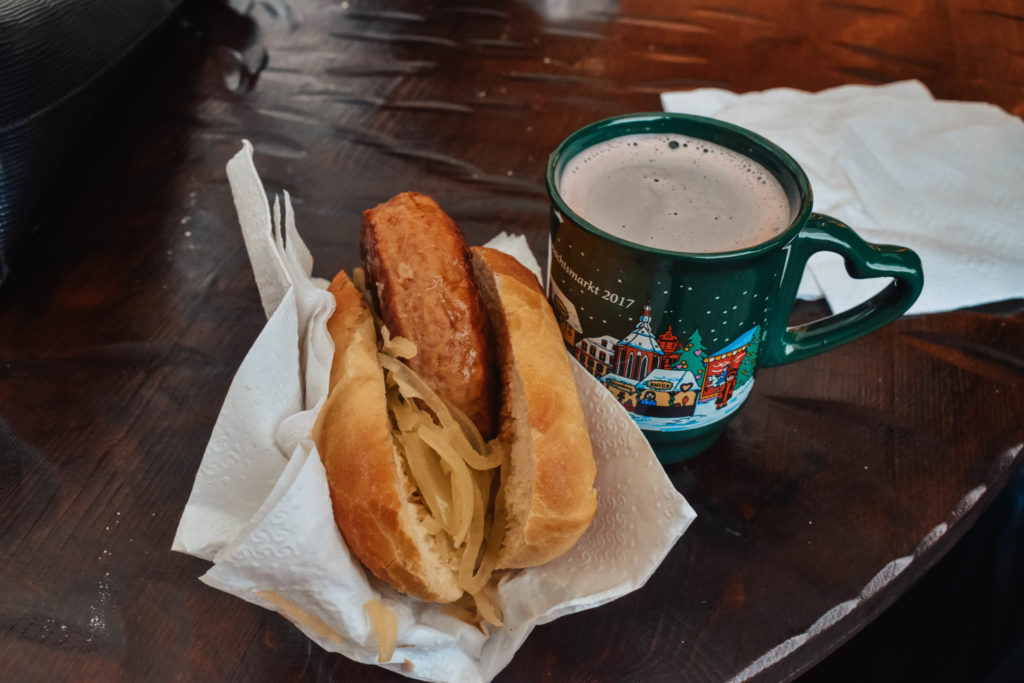
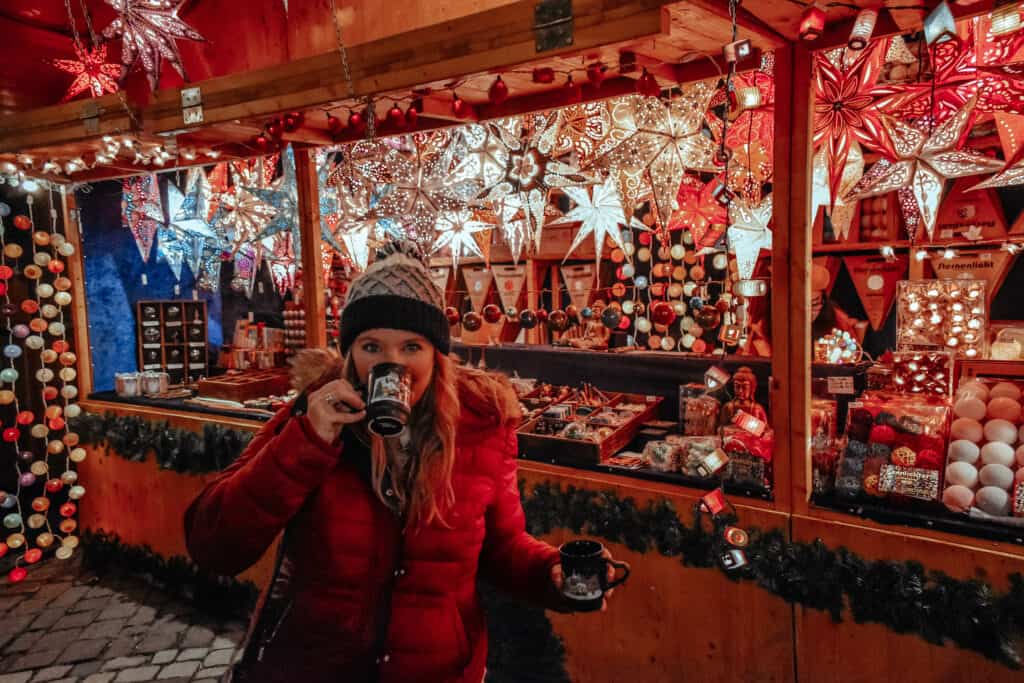
The practice of drinking Glühwein—a spiced, warm red wine—from ceramic mugs is a quintessential experience. These mugs, which often feature the year and the specific city emblem, are essentially temporary rentals. Patrons pay a small deposit (Pfand) for the mug; they may either return the vessel to reclaim their deposit or choose to keep it as a souvenir. Because the designs are updated annually, these mugs have become highly sought-after collector’s items. The Pfand system is not only a mechanism for recycling but also a hallmark of the German emphasis on waste reduction and sustainability within public events.
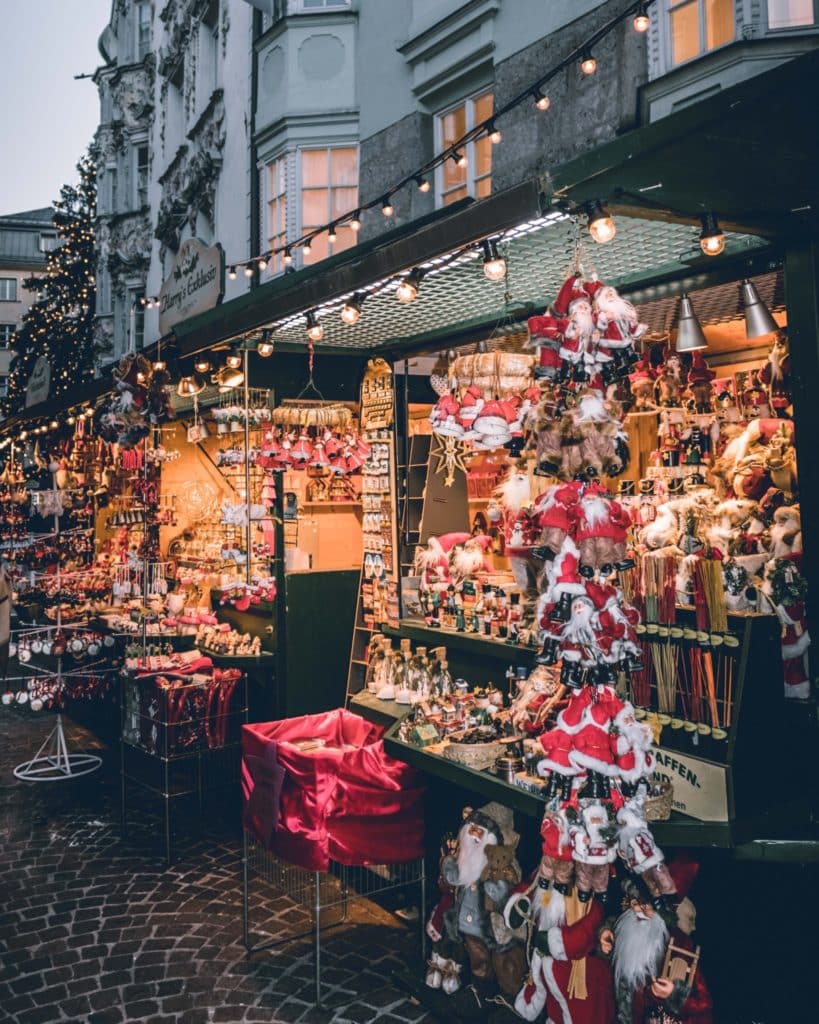
Handcrafted Wooden Artifacts
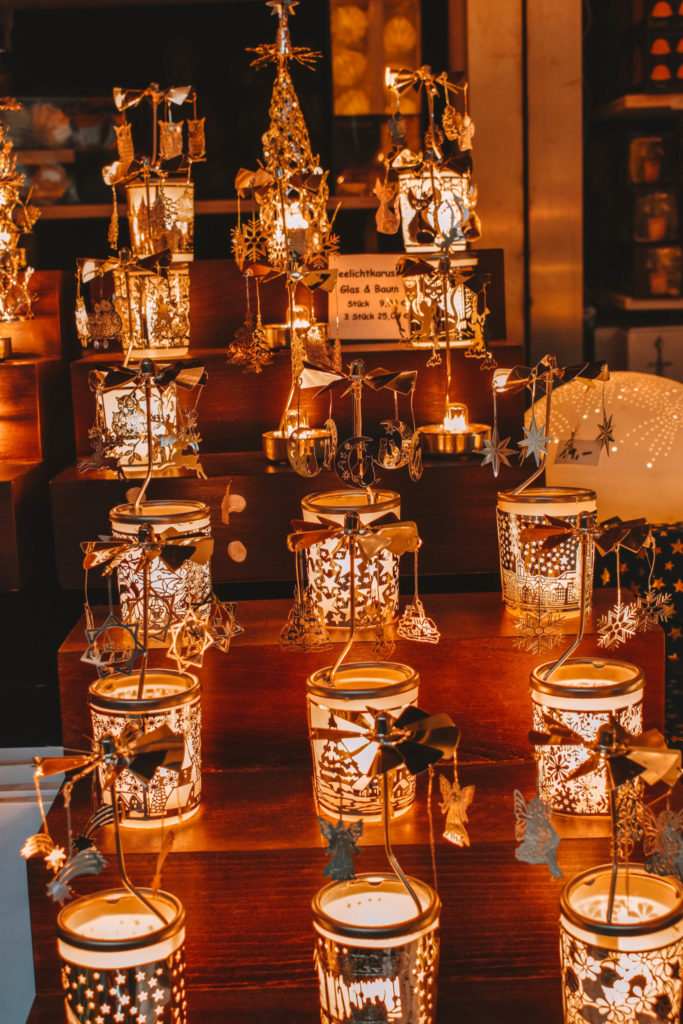
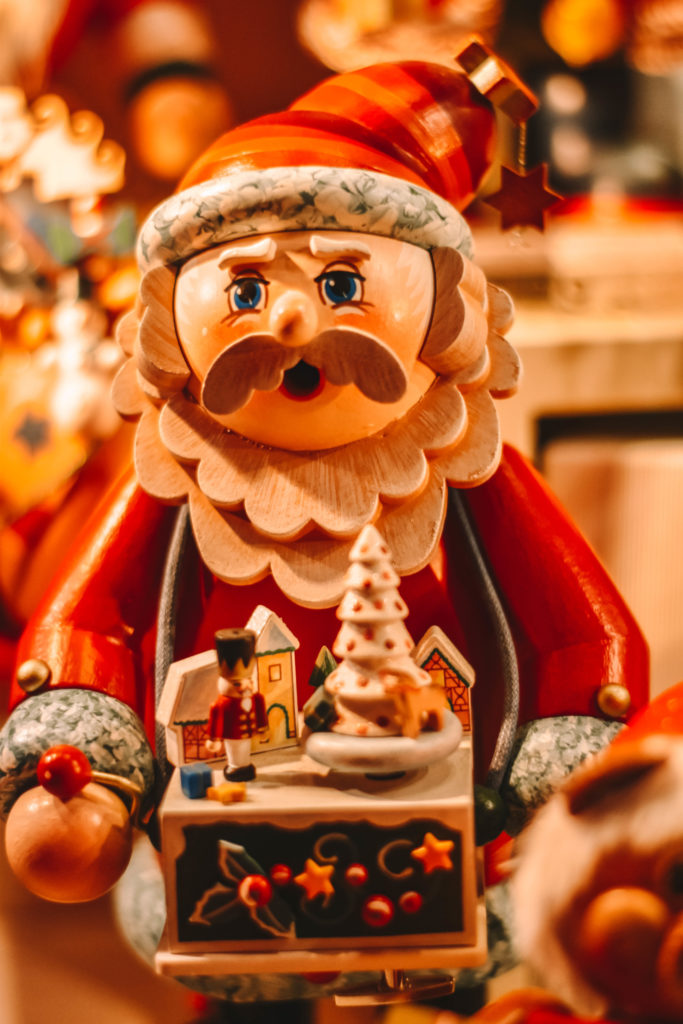
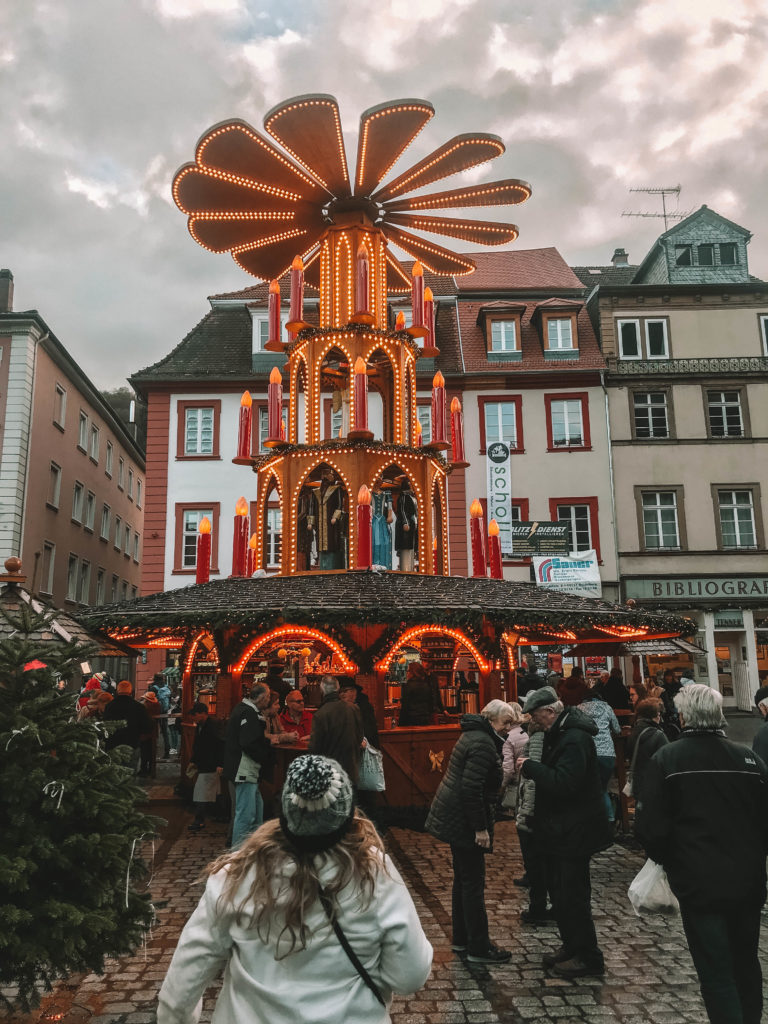
The Erzgebirge region in eastern Germany remains the epicenter for high-quality wooden crafts. Visitors often encounter intricate items such as the Weihnachtspyramide (Christmas pyramid). These multi-tiered rotating structures utilize the heat from candles to turn a fan at the top, which in turn rotates internal figurines. Other staples include the Schwibbogen (candle arch), a traditional decorative piece designed to mimic the light of miners returning home. Experts advise that authentic wooden items from this region often carry a "Made in Germany" or "Erzgebirge" seal, distinguishing them from lower-cost imitations produced elsewhere.
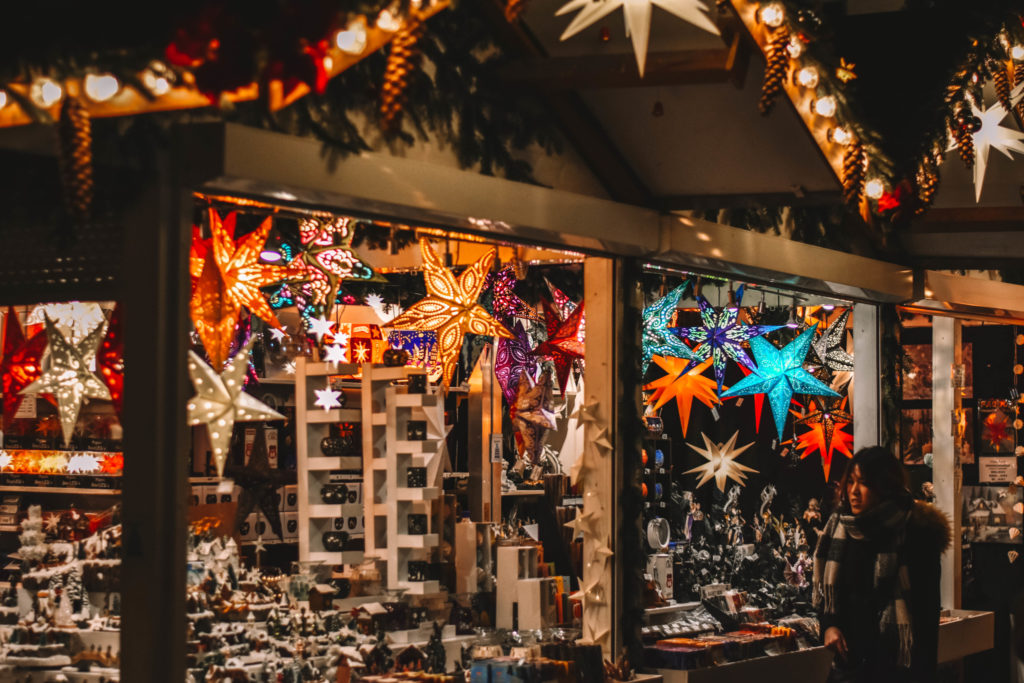
Ornaments and Glassware
German craftsmanship in glass blowing and intricate wood carving remains globally recognized. Beyond simple tree baubles, the markets offer handcrafted figurines, often depicting figures from German folklore or traditional nativity scenes. These items are frequently produced in family-owned workshops that have operated for generations. Purchasing these items directly from the makers ensures that the legacy of these ancient crafts is preserved for future decades.
Textiles and Winter Accessories
As temperatures drop, the demand for high-quality woolen goods rises. Stalls specializing in sheepskin products, including rugs, liners for strollers, and traditional clothing, offer items that are both functional and long-lasting. Unlike fast-fashion alternatives, these sheepskin goods are typically sourced from regional farms, reflecting a commitment to animal welfare and regional agricultural practices.
Specialty Food and Beverage Products
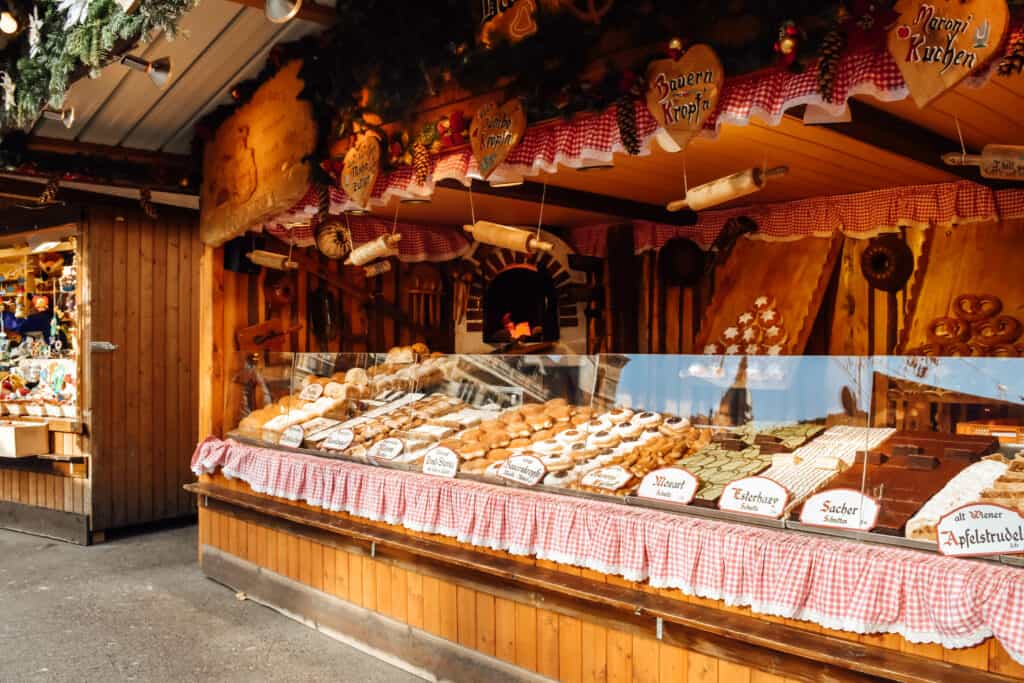
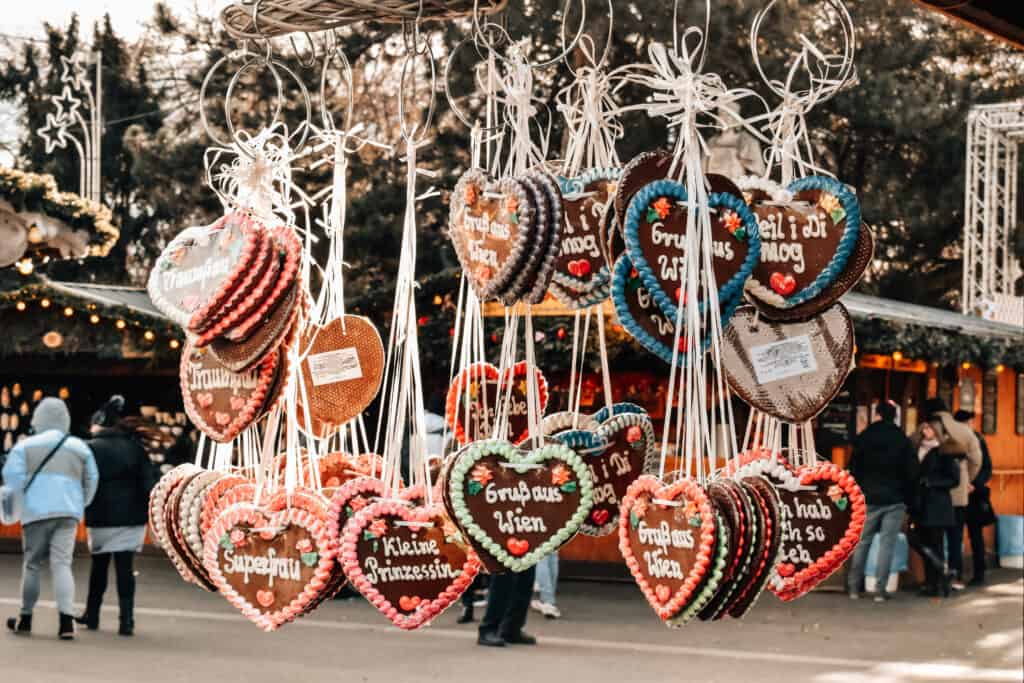
While many consumables are meant for immediate enjoyment, markets also provide opportunities to purchase artisanal spirits and regional delicacies. Flavored liqueurs, often infused with seasonal fruits or spices, are a staple of the Bavarian and Saxon markets. Additionally, products like Lebkuchen (gingerbread) and stollen are packaged specifically for transport, allowing visitors to bring a taste of German culinary tradition home.
Market Chronology and Strategic Shopping
The 2026 season is defined by a relatively short, high-intensity window. Because most markets conclude on December 23 or 24, timing is critical for shoppers.
Early Season (Late November): This period is optimal for shoppers seeking a wide selection of artisanal goods. As the season progresses, popular items—particularly handcrafted wooden pieces—may sell out.
Mid-Season (Early December): This is the peak period for atmosphere and cultural programming. If visitors are interested in specific musical performances or traditional ceremonies, this is the ideal time to visit.
Late Season (Approaching Christmas): While crowds are often at their densest, vendors may occasionally offer discounts on perishable goods or specific remaining inventory as they prepare to close operations for the year. However, for serious collectors, waiting until the final days is considered a risk.

Expert Analysis: The Changing Landscape of Markets
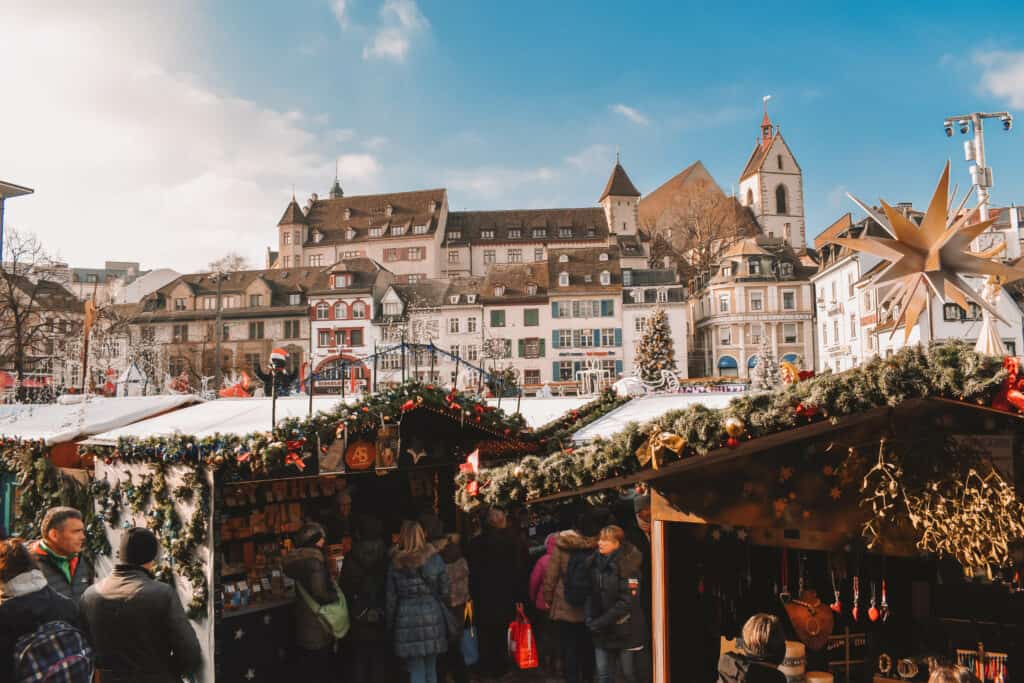
Recent trends indicate a shift toward increased regulation and standardization. Municipal governments have begun implementing stricter criteria for stallholders, often requiring that a certain percentage of goods be locally sourced or handcrafted. This policy shift aims to preserve the authenticity of the markets and protect local artisans from the encroachment of mass-produced, imported goods that have diluted the experience in some urban centers.
Furthermore, environmental sustainability has become a primary focus. Many cities are transitioning to carbon-neutral energy sources to power the elaborate lighting displays that define the market aesthetic. The use of reusable mugs and biodegradable packaging is now standard across almost all major German markets, reflecting broader European Union directives on single-use plastics.
Statements from Tourism and Trade Officials
Representatives from the German tourism sector suggest that 2026 will see a significant rebound in international visitor numbers. "The Christmas market is more than a shopping destination; it is a manifestation of community and heritage," says a spokesperson for a regional tourism board. "Our goal is to ensure that visitors not only enjoy the festivities but also understand the deep historical and cultural value of the products they choose to take home."
Implications for Travelers
For travelers planning their 2026 trips, the primary recommendation is to prioritize quality over quantity. Because luggage space is often limited, focusing on high-value, durable goods—such as a hand-carved pyramid or a genuine sheepskin rug—is more rewarding than accumulating numerous small, mass-produced items. Additionally, travelers should note that while digital payments are becoming more common, German markets remain largely cash-reliant. Carrying sufficient euros in small denominations is essential for purchasing both food and artisan goods.
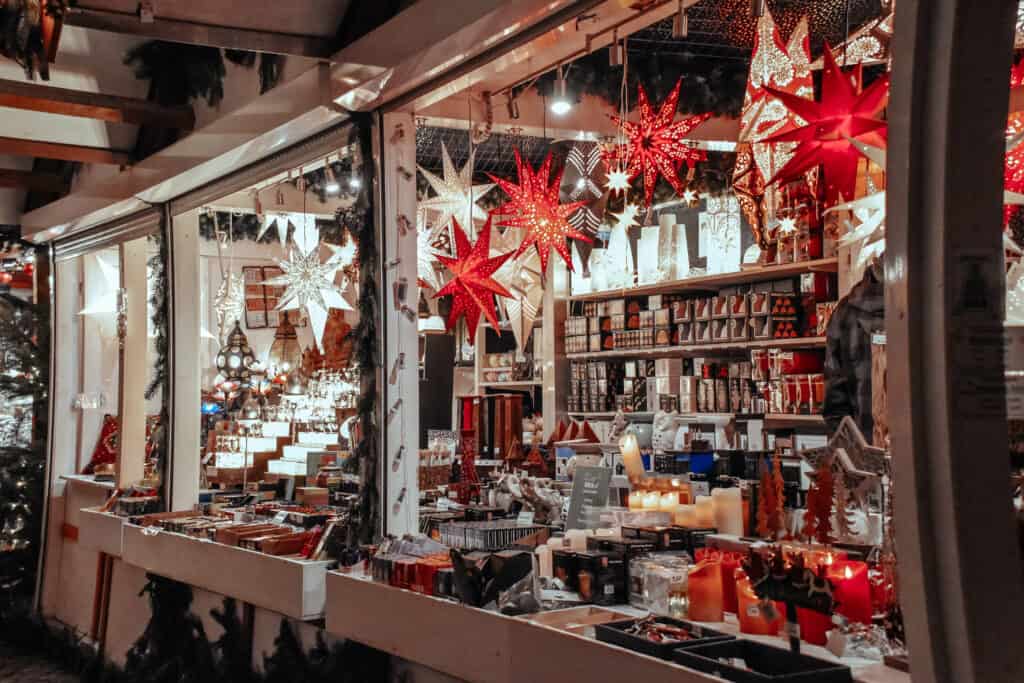
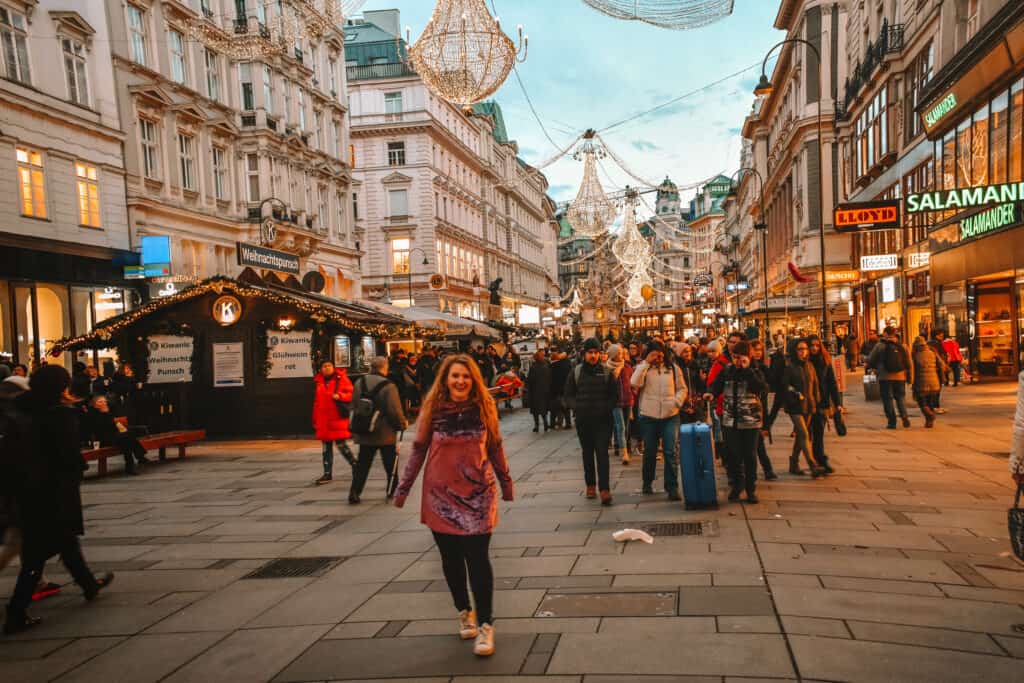
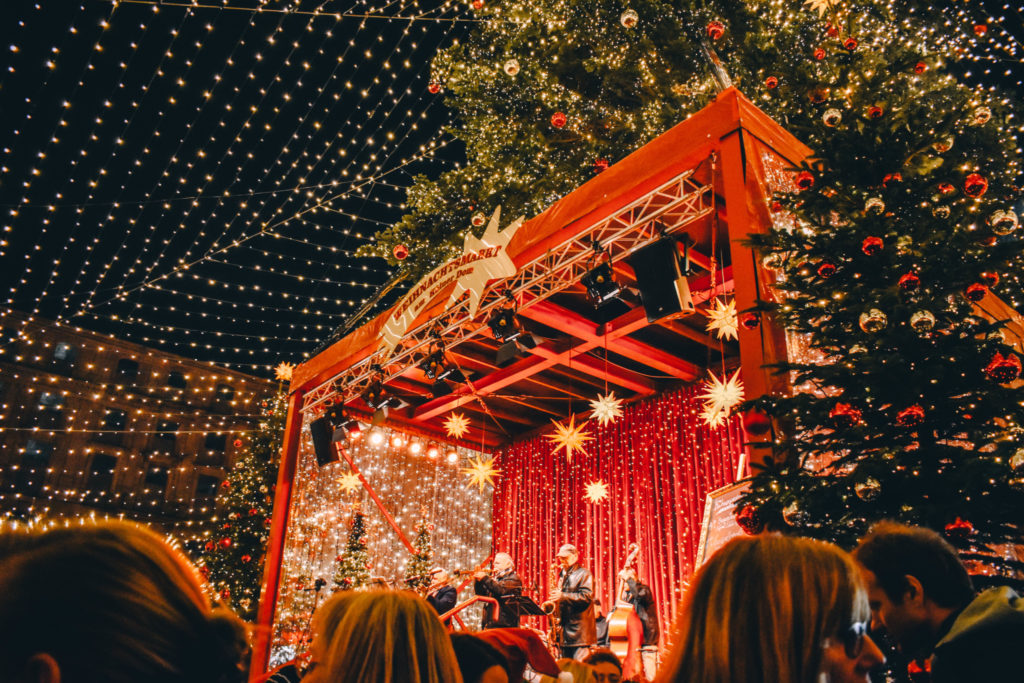
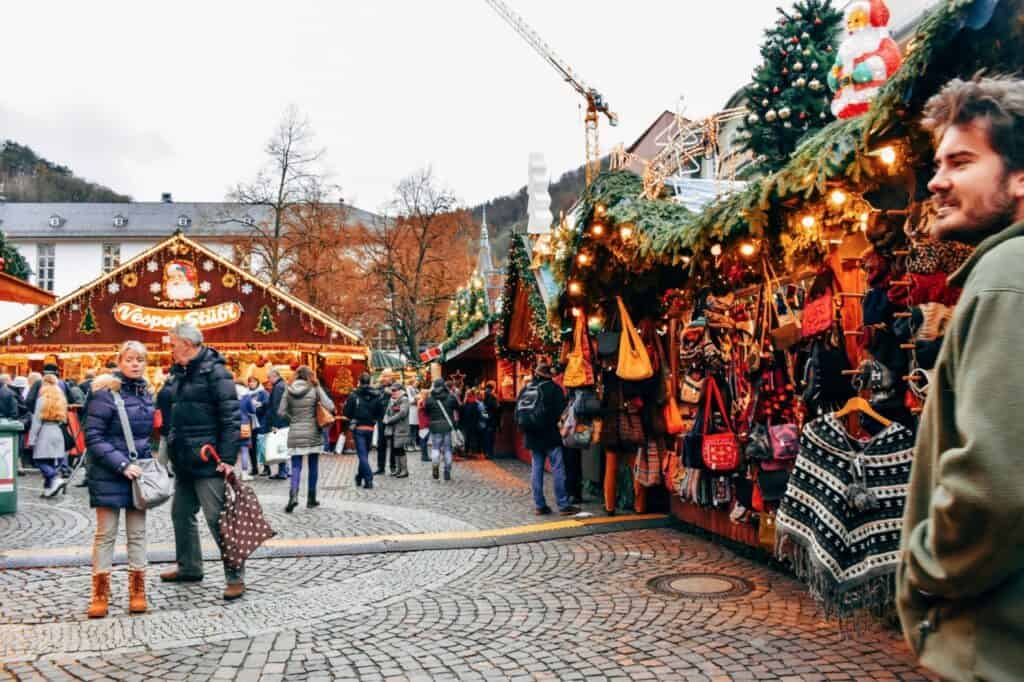
Finally, the experience of a German Christmas market is as much about the environment as it is about the acquisition of goods. The ambient sound of brass bands, the smell of roasted almonds and pine, and the architectural backdrop of historic town squares contribute to the value of the trip. By supporting local artisans and engaging with the traditional customs of the region, visitors contribute to the continued viability of one of Europe’s most enduring and significant cultural traditions. As the 2026 season approaches, the message to visitors is clear: plan early, prioritize authentic craftsmanship, and engage with the history that makes these markets a global phenomenon.