The Evolution of Adult Travel: How Empty-Nesters and Grown-Up Groups Are Redefining Global Tourism


The global tourism landscape is undergoing a significant demographic shift, driven largely by a surge in adult-only travel, empty-nester getaways, and multi-generational friend excursions. For decades, the multi-billion-dollar family travel sector dictated the rhythm of global hospitality, forcing trip planners, hoteliers, and tour operators to center their offerings around rigid school schedules, child-friendly amenities, and tightly managed itineraries. However, shifting demographic trends—marked by declining birth rates, longer life expectancies, and an increasing emphasis on personal wellness and experiential freedom—have catalyzed a profound transformation in how adults choose to explore the world.
To understand the mechanics of this shift, industry analysts point to a confluence of psychological, economic, and logistical factors. When children are part of the equation, travel decisions are filtered through a strict operational lens. Accommodations must feature fenced swimming pools, proximity to medical facilities, strong Wi-Fi capabilities for adolescents, and flexible dining options that cater to younger palates. Tour schedules are similarly restricted, bounded tightly by mandated nap times and early bedtimes.
As children mature, leave for college, or establish independent households, these operational constraints dissolve. Whether through the emergence of the classic "empty nest," the synchronization of long-delayed schedules among lifelong friends, or the generous intervention of grandparents volunteering to manage domestic responsibilities, child-free travel unlocks an unprecedented degree of autonomy. The traditional rules of vacationing—bound by institutional calendars and family logistics—are giving way to a new travel paradigm defined by spontaneity, personalized indulgence, and temporal flexibility.
The Economic and Logistical Advantages of Shoulder-Season Travel
One of the most consequential impacts of the adult travel boom is the redistribution of tourism demand across the calendar year. Traditional family vacations are inextricably linked to academic calendars, resulting in severe seasonal bottlenecks during spring break, summer vacations, and major winter holidays. These peak periods are routinely characterized by inflated pricing, severe overcrowding, and constrained inventory at premier global destinations.

Adult-only travel removes these temporal anchors, allowing travelers to capitalize on the shoulder seasons—the transitional periods between peak and off-peak months. Industry data consistently demonstrates the financial and experiential benefits of this shift. Traveling to Italy in mid-spring, exploring the Greek Isles after the mass exodus of summer crowds, or visiting Hawaii in late January yields tangible advantages. Accommodations in sought-after properties become significantly more accessible, price points moderate, and local infrastructure experiences less strain.
Furthermore, this scheduling freedom allows travelers to align their journeys with specific cultural and natural phenomena that occur outside standard school breaks. These include the grape harvests in Provence, the natural firefall spectacle in Yosemite National Park, or the blooming jacarandas in Buenos Aires. From a logistical standpoint, travel agents note that while coordinating schedules for a group of adults remains complex, having a full twelve-month horizon vastly increases the probability of finding a viable departure window compared to families constrained by school district calendars.
Shifting Hospitality Preferences: From Utility to Experience
The accommodation sector has responded swiftly to the rise of adult-centric travel. While family travel prioritizes multi-room suites, sofa beds, and kid-friendly pool complexes, adult travelers are increasingly seeking out properties tailored to aesthetic, sensory, and architectural distinction.
Market research indicates a rising demand for urban high-rise accommodations featuring alfresco terraces, corner suites with floor-to-ceiling panoramic views, and cliffside boutique hotels situated in locations that might pose safety or logistical challenges for families with young children. Moreover, properties explicitly marketed as adults-only—such as overwater bungalows in French Polynesia and the Maldives—are experiencing robust demand growth.
This shift reflects a broader consumer trend toward experiential luxury. Rather than paying for square footage designed to accommodate multiple dependents, adult travelers are reallocating their budgets toward specialized amenities: private balconies, architectural heritage properties, quiet country inns with fireside breakfast service, and wellness-oriented retreats.
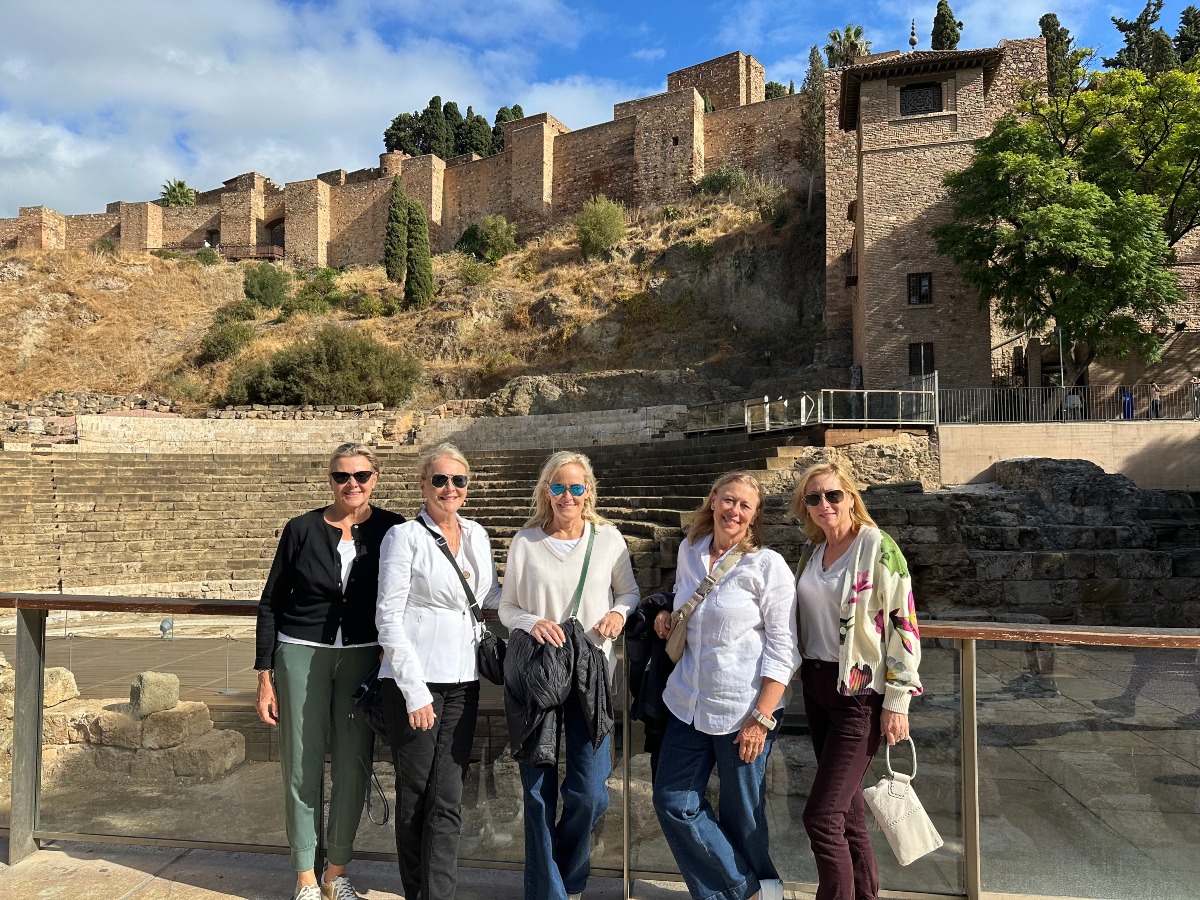
The Temporal Liberation of the Grown-Up Itinerary
Beyond logistics and lodging, the daily rhythm of travel has fundamentally changed for adult cohorts. The rigid scheduling required to maintain children’s routines—such as fixed early dining times and pre-dawn awakenings—is systematically replaced by flexible time management.
Culinary tourism has emerged as a primary beneficiary of this trend. Without the constraints of child-friendly dining, adult travelers are engaging with local food cultures in entirely new ways. Data from culinary tour operators shows an increase in late-evening dining reservations, participation in multi-course chef’s counter experiences, and engagement with sophisticated beverage pairings, such as afternoon tea accompanied by champagne or private vineyard tastings in Burgundy. Conversely, the flexibility of adult travel also permits unstructured culinary patterns, such as grazing through night markets, substituting dinner with an extended afternoon meal, or opting for room service in favor of public dining rooms.
Sleep schedules follow a similar trajectory of liberation. Travelers are no longer beholden to the circadian rhythms of toddlers or teenagers. Night owls can engage in late-evening cultural programming, such as attending musical performances or strolling through historic European squares after day-trippers have departed. Conversely, early risers can pursue sunrise hikes or photographic excursions driven purely by personal motivation rather than domestic necessity.
Reclaiming Special Interests and Niche Tourism
For many adults, particularly empty-nesters, travel represents an opportunity to reconnect with personal passions that may have been sidelined during the intensive child-rearing years. Travel agencies and tour operators report a surge in bookings centered around deep-dive special interests, ranging from medieval manuscript research and classical music performances at venues like Milan’s La Scala to high-end gastronomic tours, such as traditional kaiseki dining in Kyoto or private wine-blending sessions in France.
This trend addresses a psychological need among mature travelers who spent decades curating itineraries around educational or entertainment experiences suitable for children—such as science museums, theme parks, and zoological expeditions. By pivoting toward adult-centric intellectual and cultural pursuits, travelers are utilizing tourism as a vehicle for personal enrichment and lifelong learning.

At the same time, luxury resorts are expanding their adult-focused infrastructure. While family-oriented amenities like kids’ clubs and water parks remain profitable, properties are increasingly investing in dedicated adult zones, including silent pools, extensive spa facilities, open-air massage pavilions, and twilight thermal spring access. These spaces allow travelers to access wellness offerings without the ambient noise and distractions associated with family-centric resorts.
The Return of Serendipity: Unstructured Itineraries
Perhaps the most significant philosophical shift in adult travel is the embrace of unstructured time. While a highly structured itinerary is often a defensive necessity when traveling with children to prevent behavioral fatigue or logistical breakdowns, adult travelers are increasingly opting for open-ended schedules.
Travel psychology experts note that leaving room for serendipity enhances overall trip satisfaction and memory retention. Without the pressure of maintaining a strict timetable to keep dependents engaged, travelers are more likely to notice environmental details—such as architectural nuances, local scents, and ambient sounds—and to engage in spontaneous activities, such as entering an impromptu art gallery or altering travel routes on a whim.
Broader Implications for the Global Travel Industry
The steady growth of adult-only and empty-nester travel holds significant implications for the global tourism economy. Destination marketing organizations (DMOs) that historically focused their promotional efforts exclusively on family demographics are actively recalibrating their campaigns to capture the high-spending adult market.
Economically, adult travelers tend to have higher disposable incomes and lower price sensitivity regarding premium experiences, luxury accommodations, and specialized guided tours compared to families managing multiple dependents. This demographic’s willingness to travel during shoulder seasons also provides a stabilizing economic effect for hospitality businesses in tourist-dependent regions, mitigating the boom-and-bust cycles traditionally caused by school calendar dependencies.

As global demographic trends continue to skew toward aging populations and declining household sizes, the travel industry will likely see continued innovation tailored to the adult market. From specialized cruise lines and boutique rail journeys to immersive cultural expeditions, the era of the adult-centric journey has firmly established itself as a dominant force in modern global tourism.