The Banff Centre Mountain Film and Book Festival has officially concluded its 51st edition, cementing its status as the world’s premier gathering for mountain culture, cinematography, and literature. Hosted annually at the Banff Centre for Arts and Creativity in Alberta, Canada, the event serves as the global nexus for adventurers, environmentalists, and filmmakers. Following a rigorous selection process that reviewed 610 submissions from across the globe, the jury announced the final slate of award winners this past weekend, highlighting a profound shift toward narratives that blend technical outdoor achievement with deep, often painful, human vulnerability.
The Evolution of the Banff Mountain Film Competition
Founded in 1976, the Banff Mountain Film Festival began as a small gathering of mountaineers. Over five decades, it has transformed into a prestigious international competition that attracts the highest caliber of documentary filmmaking. The festival’s longevity is rooted in its ability to adapt to the changing landscape of mountain life, moving from pure exploration and “conquest” narratives toward stories that address climate change, indigenous sovereignty, and mental health.
The 51st edition was characterized by a record-breaking number of entries. With 83 finalists selected for the final screenings, the programming team faced the challenge of curating a selection that reflects the modern “mountain experience.” This year’s theme, as evidenced by the winning films, suggests that the contemporary outdoor documentary is less about the summit and more about the internal journey of the individual against the backdrop of an increasingly fragile natural world.
The Grand Prize: A Synthesis of Nature and Humanity
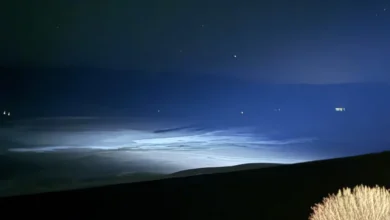
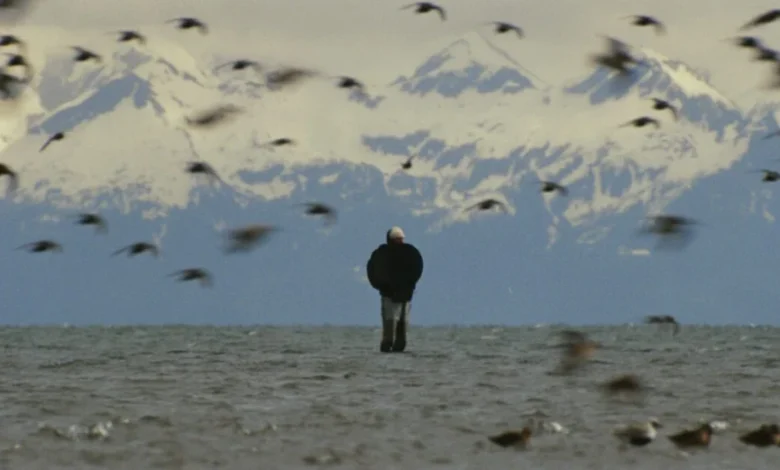
The festival’s top honor, the Grand Prize, was awarded to Listen, directed by Taliesin Black-Brown. The film acts as a dual-narrative documentary, juxtaposing the work of Alaskan sound engineer Hank Lentfer as he records vanishing natural soundscapes with the intimate, heartbreaking experience of caring for his mother, who is suffering from dementia.
The film has already garnered significant acclaim, having previously secured the Grand Jury Prize at the Tribeca Film Festival. Jury member and Oscar-winning cinematographer Rose Bush praised the film for its thematic depth, noting, “Listen engages human-caused environmental devastation—the existential dilemma of our time—at its nucleus with overwhelming love and hope.” By framing environmental loss alongside personal grief, the film challenges the audience to view ecological preservation not just as a policy issue, but as a deeply human, emotional necessity.
Categorical Excellence: Adventure and Cultural Sovereignty
The festival’s diverse categories allow for a broad spectrum of storytelling, from pure exploration to sociopolitical advocacy.
In the Adventure category, Jordan Manley’s The Navigator stood out for its historical and cultural significance. The film follows Nainoa Thompson, a pivotal figure in the revival of traditional Polynesian wayfinding. Five decades after leading the first voyage from Hawaii to Tahiti in a traditional canoe in six centuries, Thompson returned to the sea to train a new generation of navigators. The film is a testament to the preservation of indigenous technology and the enduring power of ancestral wisdom in a modern world.
The Mountain Culture award went to Land of Canaan, directed by Maggie Lemere. The documentary highlights the plight of Palestinian olive farmers striving to maintain their heritage amidst ongoing regional conflict. The film serves as a poignant reminder that mountains and land are often the primary stage for cultural identity. Juror Rose Bush noted that the film “illuminated the vital relationship of courage, vision, hope, and traditional ecological knowledge in service of the essential value of sovereignty.”
Environmental Commentary and Comedic Relief
While many films leaned into heavy subject matter, the Environment category provided a unique look at local tensions. James Dawson’s Derek vs Derek was recognized for its comedic approach to the complex issue of rewilding. By documenting a feud between two farmers—one a traditional dairy producer and the other an advocate for environmental restoration—the film humanizes the often-polarized debate surrounding land use in the United Kingdom. This balanced, humorous perspective offers a vital tool for dialogue in a field often defined by stark ideological divides.
The Human Element: Climbing, Sports, and Personal Struggle
A hallmark of the Banff festival is its ability to highlight the intersection of elite athletics and personal trauma. The Arc’teryx-sponsored Best Climbing Film, Zindabad, directed by Tom Fish, follows Pakistani climber Mueez Ud Din. The film is a critical examination of the power dynamics within the climbing world, focusing on a local climber navigating his own country’s Karakoram range—a region historically dominated by international expeditions.
Similarly, the Mountain Sports winner, Roots (dir. Alexis Berg), explores the recovery of ultra-trail runner Ruth Croft. By documenting her journey back from injury, the film shifts the focus from athletic performance to the “inner journey of healing,” a sentiment echoed by juror David Arnaud.
In the Snow Sports category, Threshold (dir. Torsten Brinkema) provides a candid look at the life of Jessie Diggins. By pulling back the curtain on the personal struggles of one of the most successful cross-country skiers in American history, the film received high praise from the jury for its courage and transparency. It signals a growing trend in sports documentary filmmaking: the move away from the “invincible athlete” trope toward a more honest portrayal of the mental health costs associated with elite-level sport.
Analysis: Trends and Future Implications
The selection of these films reveals a clear trend: the audience and the jury are prioritizing narrative depth over technical spectacle. While high-octane cinematography remains a staple of the festival, the films that took home the most prestigious awards this year are those that utilize the mountain environment as a backdrop for deeper exploration of human character, societal change, and emotional resilience.
The impact of these awards extends beyond the festival itself. Winning at Banff is widely considered a launchpad for broader distribution, often leading to acquisitions by major streaming platforms or wider theatrical releases. Furthermore, the focus on environmental degradation and indigenous land rights aligns with a broader societal movement toward sustainability and historical acknowledgment. By platforming these stories, the Banff Mountain Film Festival is actively shaping the discourse on how we value and interact with the natural world.
Additional Recognition
The festival also recognized several other outstanding works across its broad spectrum of categories:
- Best Short Film: Hello, Beautiful, directed by Darcy Hennessey, which explores the identity struggles of climber Alannah Yip.
- Best Feature Film: Ceremony, directed by Banchi Hanuse, which uses watercolor animation and community narratives to document the environmental decline of British Columbia’s ooligan fish populations.
- Creative Excellence Award: 75 Seconds, directed by Marco Tribelhorn, a visceral, technically masterful account of a skier’s struggle for survival in an avalanche.
- Audience Choice Award: Only Music // Snake River, directed by Justin Fountain, which captured the hearts of the public with its story of a band trading the conventional tour bus for a journey down the Snake River.
Conclusion and Looking Ahead
As the 51st annual festival draws to a close, the Banff Centre for Arts and Creativity has once again demonstrated its role as the cultural heart of the global mountain community. The winners announced this year represent a maturation of the genre—a collection of films that ask difficult questions, celebrate cultural resilience, and demand a more nuanced understanding of our relationship with the Earth.
For those who missed the event, the Banff Centre has made tickets available for digital screenings via their online portal, ensuring that these stories reach a global audience. With the book competition winners already announced, the 2026 season closes with a strong focus on both the visual and literary arts, setting a high bar for the 52nd annual competition in the years to come. The festival remains an essential barometer for the state of outdoor storytelling, proving that even as the world changes, the desire to document the human experience in the mountains remains as strong as ever.