The Healing Waters: A Comprehensive Guide to the Most Prominent Natural Hot Springs in the Arab World

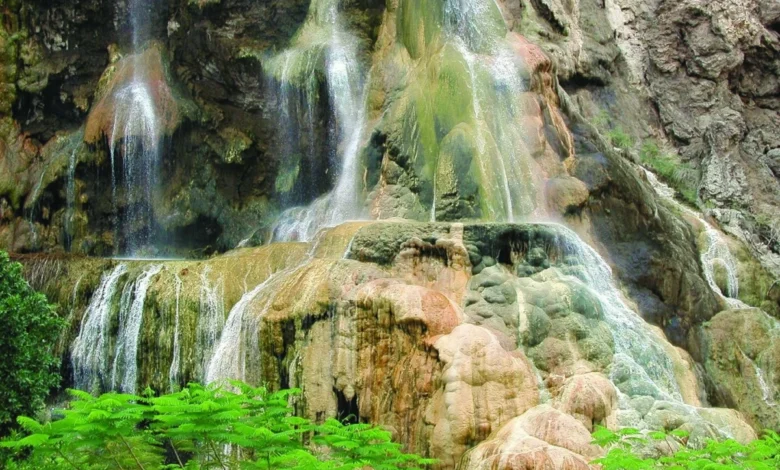
For centuries, the arid landscapes and rugged terrains of the Arab world have concealed a network of natural, mineral-rich geothermal springs that have served as both medicinal sanctuaries and centers of communal gathering. From the lush, date-palm-lined wadis of Oman to the remote, sun-drenched oases of the Egyptian Sahara, these thermal sites represent a profound intersection of geology, history, and wellness. As modern tourism trends pivot toward holistic health and experiential travel, these ancient natural spas are experiencing a resurgence in popularity, attracting international travelers seeking relief from the stressors of contemporary urban life.
The tradition of "balneotherapy"—the therapeutic use of mineral water baths—is deeply rooted in the region’s cultural identity. Historically, these springs were not merely places for bathing but were integrated into the fabric of daily life, serving as social hubs for Bedouin tribes, trade caravans, and, in many cases, royal retreats. Today, as infrastructure around these sites improves, they are being rebranded as premier wellness destinations, blending traditional healing practices with modern hospitality standards.
The Geological and Historical Context
The existence of these springs is primarily attributed to the unique tectonic activity and subterranean aquifers that characterize the Middle East and North Africa. Much of the region sits atop vast sedimentary basins where groundwater is heated by the Earth’s geothermal gradient before being forced to the surface through fault lines.
Archaeological evidence suggests that these sites have been utilized for thousands of years. In Egypt’s Siwa Oasis, the presence of Greek and Roman-era remnants surrounding natural springs indicates that ancient civilizations recognized the chemical benefits of these waters long before the advent of modern medicine. In the Levant, the Ma’in Hot Springs have served as a destination for pilgrims and travelers since the Herodian era, with historical texts documenting the site as a location where people sought to treat various ailments.
Regional Spotlight: A Survey of Key Thermal Sites
The Arabian Peninsula’s Geothermal Gems
The United Arab Emirates and Saudi Arabia host some of the most technologically integrated thermal sites in the region. In Ras Al Khaimah, the Khatt Hot Springs operate within a limestone-rich environment. The water, which emerges at a consistent temperature of 104°F (40°C), is highly alkaline and rich in sulphur, a mineral known for its dermatological and anti-inflammatory benefits.
Saudi Arabia, in its push to diversify its tourism sector under the Vision 2030 initiative, has begun emphasizing sites like the Ad-Dal’a Hot Springs in Al-Kharj. Geological surveys of the Al-Kharj area describe these springs as part of a complex karstic system, where underground rivers create deep, naturally occurring basins. Furthermore, the Al-Jubah Hot Springs in the Wadi Ad-Dawasir region demonstrate the country’s commitment to developing rural wellness tourism, providing facilities that allow visitors to experience the mineral-rich, sulfurous waters in a controlled, hygienic environment.
North African Thermal Heritage
Tunisia and Morocco possess perhaps the most developed "thermal culture" in the Arab world, influenced by centuries of Roman and Islamic bathing traditions. The Korbous Hot Springs in Tunisia, located on the Cap Bon peninsula, have been a fixture of North African wellness since the Roman period, when they were known as Aquae Carpitanae. The water temperatures here are notably high, reaching up to 140°F (60°C), necessitating cooling systems before public use.
In Morocco, the Moulay Yacoub springs are managed under a strict regulatory framework that ensures the preservation of the water’s chemical integrity. The high concentration of sodium and calcium chloride in these springs is clinically recognized for its effectiveness in treating chronic rheumatological conditions and respiratory ailments. Local health authorities in the Fez region have historically endorsed the site as a center for rehabilitation, integrating the springs into the broader national healthcare narrative.
The Levantine and Omani Oases
The Ma’in Hot Springs in Jordan represent a marvel of natural engineering. Situated in a canyon 264 meters below sea level, the springs are fed by winter rainfalls that travel through the basaltic layers of the surrounding mountains. The water, enriched with minerals such as potassium, magnesium, and calcium, is collected in a series of natural pools. From a developmental perspective, the Ma’in site is a model for sustainable tourism, as the infrastructure is designed to complement the fragile desert ecosystem while catering to high-end medical tourism.
In the Sultanate of Oman, the Nakhal Hot Springs—known locally as Ain Al Thawarah—serve as a vital water source for the surrounding agricultural communities. The interplay between the steaming thermal waters and the nearby 17th-century Nakhal Fort provides a unique glimpse into how the region’s natural resources have historically supported both the economy and the health of the population.
Data-Driven Benefits and Clinical Implications
The medicinal efficacy of these thermal waters is rooted in the chemical composition of the minerals they carry. Medical studies regarding balneotherapy indicate that immersion in mineral-rich waters promotes vasodilation—the widening of blood vessels—which improves circulation and facilitates the delivery of oxygen to damaged tissues.
- Sulphur: Commonly found in the region’s springs, it acts as a natural antiseptic and has been proven to alleviate symptoms of psoriasis and eczema.
- Magnesium: Known for its ability to regulate the nervous system, it aids in muscle relaxation and the reduction of cortisol levels.
- Calcium: Essential for bone health and the mitigation of joint inflammation, particularly for patients suffering from osteoarthritis.
Beyond the physiological impacts, the psychological benefits of these sites cannot be overstated. In an era where "digital detox" has become a necessary commodity, these isolated oases provide a sanctuary for mental recalibration. Data from regional hospitality surveys suggest that travelers who integrate "wellness stays" into their itineraries report higher levels of satisfaction and lower stress markers compared to traditional urban vacationers.
The Evolution of Infrastructure and Accessibility
The shift toward professionalizing these sites is a significant trend across the MENA (Middle East and North Africa) region. Historically, many of these springs were informal, community-managed, or neglected. Today, government investment—such as the expansion of flight routes via carriers like Flyadeal in Saudi Arabia and the promotion of wellness corridors in Jordan—has made these remote locations accessible to a broader demographic.
However, this transition brings challenges. Environmentalists argue that the commercialization of thermal springs must be balanced with conservation efforts. Over-extraction of groundwater and the introduction of artificial chemicals for pool sanitation could potentially degrade the natural mineral balance that makes these springs effective. Consequently, many governments are now implementing "sustainable extraction" protocols to ensure that these geothermal resources remain viable for future generations.
Future Implications for Tourism
The rise of the "wellness economy" is projected to grow significantly over the next decade. As the Arab world continues to modernize its tourism infrastructure, the integration of these hot springs into the regional brand identity is a strategic move. By framing these sites not just as tourist attractions but as historical and medical assets, countries can attract a more diverse segment of the global population, including retirees, health enthusiasts, and history scholars.
In conclusion, the hidden network of hot springs across the Arab world serves as a testament to the region’s diverse natural bounty. Whether in the lush palm groves of Oman or the arid landscapes of Egypt, these geothermal wonders offer a timeless remedy for the ailments of modern existence. Through careful management and a renewed appreciation for their historical and therapeutic value, these springs will continue to serve as vital pillars of regional heritage and global wellness tourism. As travelers seek more meaningful connections with the natural world, the allure of the Arab world’s ancient thermal fountains remains as potent today as it was in the era of the ancients.
Related posts: