Building a More Inclusive Ascent: How One Climber is Redefining the Path to Professional Guiding

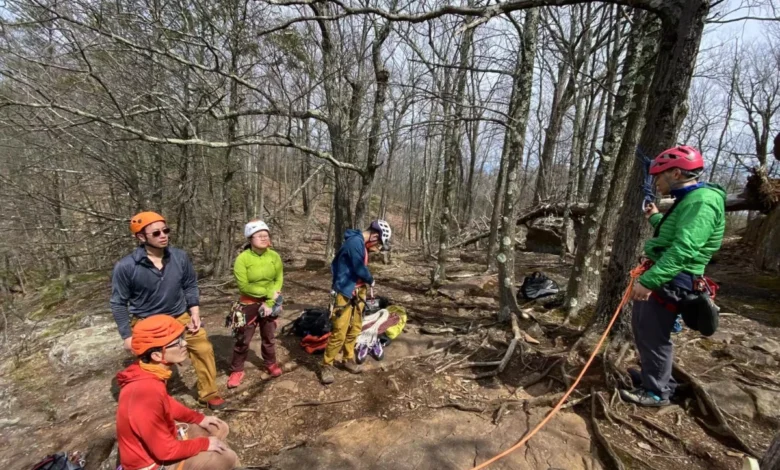
When I first moved to New York from Macau, it was incredibly hard to find a climbing partner, but that struggle eventually catalyzed a movement toward greater diversity and professional accessibility in the climbing world. Moving from a densely populated region of China to the vast, vertical landscapes of the American Northeast presented more than just a linguistic hurdle; it exposed a significant lack of representation within the climbing community. At the time, the demographic profile of the sport was notably homogenous, and initial attempts to find peers who shared both a passion for the crag and a similar cultural background proved difficult. Faced with a lack of established partners and the high barrier to entry—both financial and social—the journey from an enthusiast to an aspiring professional guide became a mission not just for personal growth, but for community building.

The evolution of this journey began long before the move to New York. As a high school student in Macau, the introduction to rock climbing occurred through a government-sponsored initiative in Hong Kong. This program, while not a professional certification pathway, provided the foundational technical skills—rope management, anchor building, and the physics of belaying—that allowed a transition from casual bouldering to multi-pitch traditional climbing. Upon returning to Macau, these skills were put to the test, moving from five-foot ground play to fifty-foot ascents. However, the move to New York City in the mid-2000s highlighted the stark disparity in accessibility. Without a vehicle to reach the Gunks, the primary climbing destination in the region, and facing the high costs of the few existing indoor gyms, the sport felt increasingly exclusive.
The turning point arrived in 2008 with the opening of a local climbing facility. Recognizing that if the community he sought did not exist, it would have to be created, he began teaching friends the technical aspects of the sport. This period of organic mentorship revealed a profound aptitude for instruction. When a peer asked why this passion for teaching wasn’t being translated into a career, the inquiry opened the door to the American Mountain Guides Association (AMGA) pathway.
The Financial and Structural Barriers to Professionalism
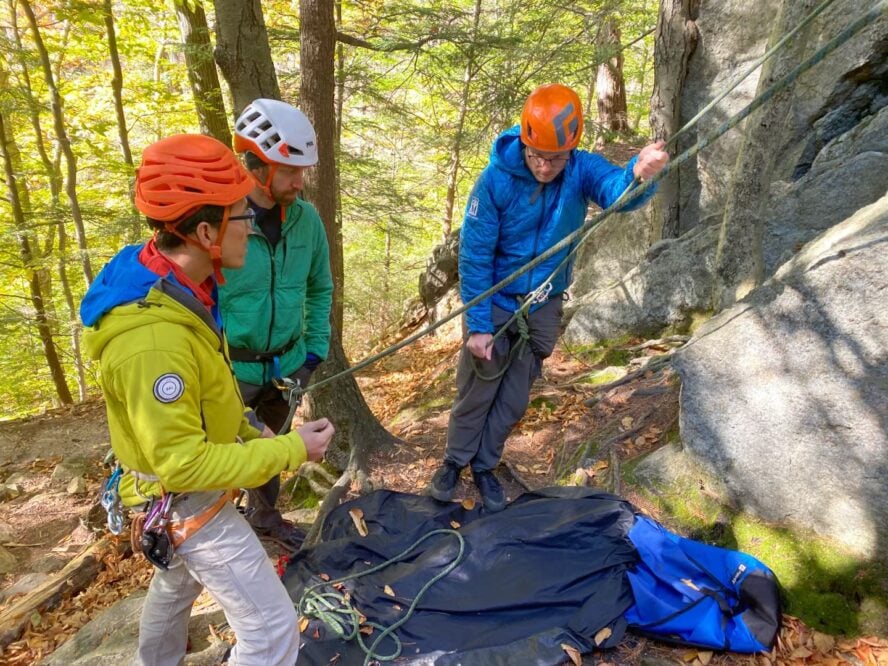
The professionalization of mountain guiding in the United States is a rigorous process characterized by high financial stakes and significant time commitments. For an aspiring guide, the path involves a series of courses and assessments that can span years. According to industry data, the costs associated with achieving a full Rock Guide certification—including tuition for the Rock Guide Course, the Advanced Rock Guide Course, and the final certification exam—can range from $15,000 to over $20,000, excluding travel, lodging, and the opportunity cost of time spent away from traditional employment.
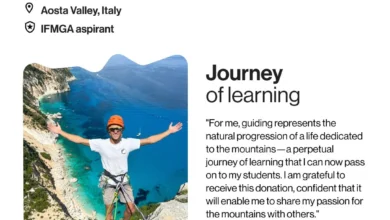
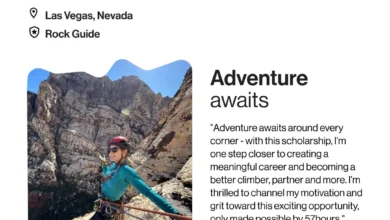
This fiscal burden is a well-documented obstacle that disproportionately affects underrepresented groups. The industry has historically struggled with a "pay-to-play" model that favors individuals with pre-existing financial stability. To address this systemic inequality, organizations such as 57hours have introduced initiatives like the Guide Education Fund. Launched in 2021, the program allocates 1% of annual profits to provide scholarships for emerging guides, with a specific mandate to reserve half of these funds for female, BIPOC, and LGBTQ+ applicants. This funding is critical, as it covers not only tuition but also the associated costs of travel and field exams, effectively lowering the barrier to entry for talented individuals who might otherwise be priced out of the profession.
The Role of Community and Mentorship in Modern Climbing
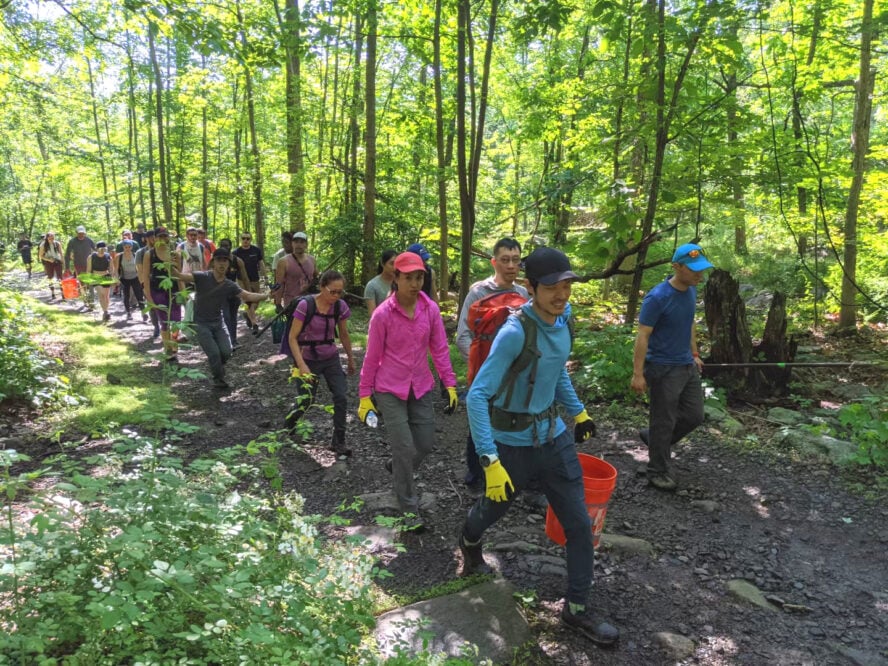
As the pursuit of professional certification continues, the importance of fostering inclusive spaces has become a central tenet of the work. The formation of "Project iii," a group dedicated to Asian climbers, serves as a model for how community-led organizations can fill the gaps left by traditional institutional support. Currently, the group counts approximately 200 members, ranging from novices to certified instructors. By providing a platform for knowledge transfer and partner-finding, Project iii addresses the "hidden curriculum" of climbing—the unspoken rules, social cues, and technical nuances that are often passed down through established, insular networks.
The broader impact is also visible through formal institutional roles. Serving as the Education Chair of the Appalachian Mountain Club (AMC) Climbing Committee, the focus has shifted toward creating sustainable educational pathways for the public. These efforts include monthly meetups and structured programming that demystify the sport for newcomers. This work is not merely about teaching knots and gear placement; it is about legitimizing the presence of diverse voices in spaces that have, for too long, been dominated by a single demographic.
Technical Proficiency and the Wilderness First Responder (WFR) Standard
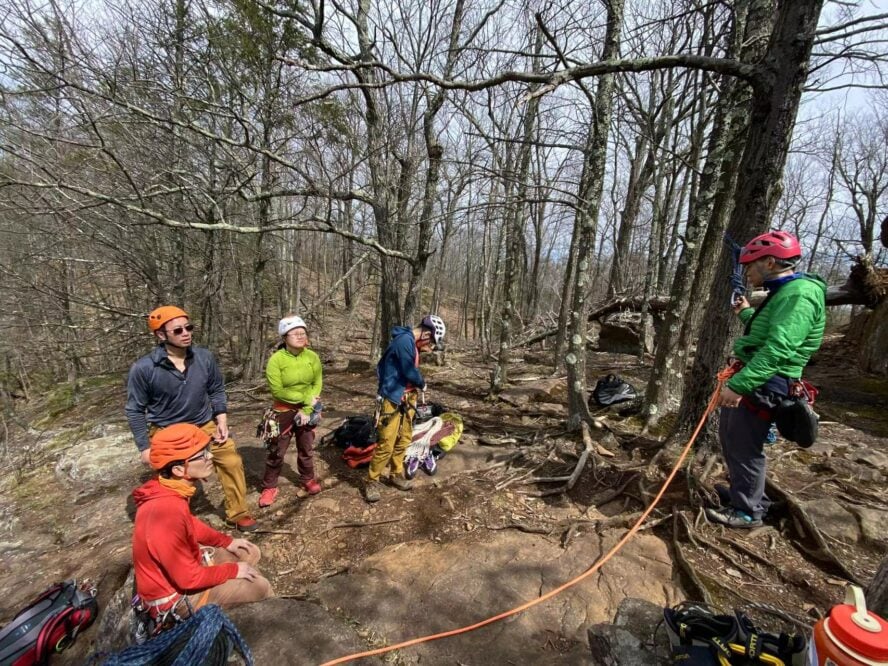
A critical, often overlooked component of the professional guiding pipeline is medical readiness. The Wilderness First Responder (WFR) certification is a mandatory milestone for those pursuing AMGA certification. The course, which typically spans 80 hours over ten days, focuses on stabilizing injuries in remote environments where professional medical assistance may be hours or days away.
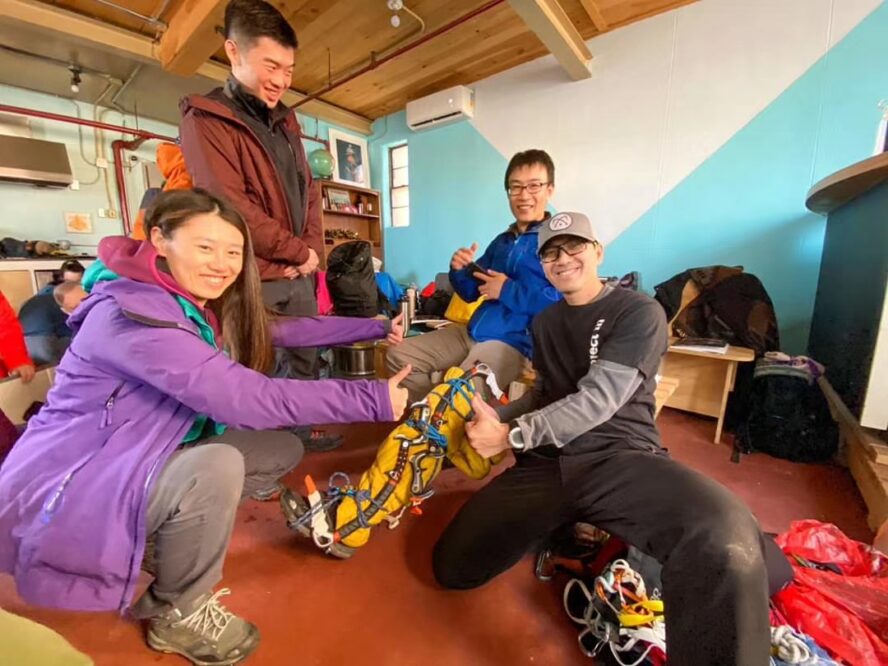
For many, the WFR is the first time they encounter the high-pressure, technical reality of wilderness medicine. The experience of undergoing this training through a dedicated BIPOC program—such as the one facilitated by Rise Outside—highlights the importance of environment in learning. By participating in a cohort that mirrors the diversity of the community, students are better able to navigate not just the technical medical challenges—like assessing mechanisms of injury or building field-expedient splints—but also the social dynamics of leadership. The curriculum emphasizes that professional guiding is as much about psychological management and calm communication as it is about physical rescue techniques. In high-stress scenarios, such as a potential helicopter extraction, the difference between a successful rescue and a catastrophe often lies in the guide’s ability to follow strict safety protocols, such as proper signaling, while maintaining a composed environment for the patient.
Future Trajectories: The Road to Certification
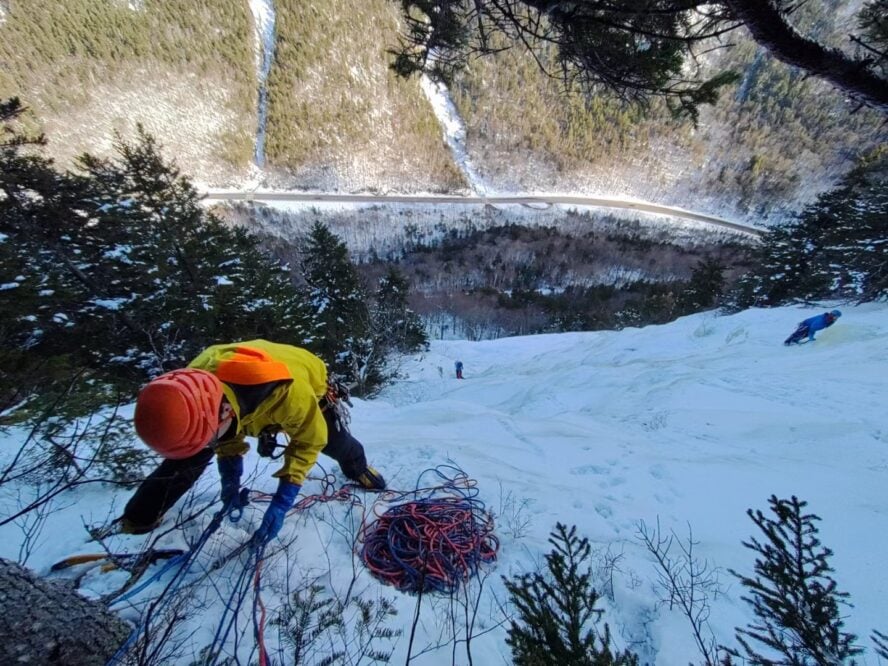
The path to full AMGA Rock Guide certification is a marathon, not a sprint. The requirements are exhaustive: candidates must lead at least ten traditional climbs rated 5.10a or harder, document ten Grade III multi-pitch routes, and complete a cumulative 50 multi-pitch ascents. These benchmarks ensure that a certified guide possesses the experience necessary to mitigate risk in a wide variety of terrain and conditions.
Looking ahead, the focus remains on completing these field requirements in the Adirondacks, the White Mountains, and eventually the granite faces of Red Rock. While the dream of full-time professional guiding is tempered by the realities of family life and the need for stable, non-climbing employment, the commitment to the educational aspect of the sport remains unwavering. The goal is to reach a level of mastery that allows for the effective mentorship of the next generation of climbers.
Broader Implications for the Climbing Industry
The transition of the climbing industry from a fringe activity to a mainstream sport has brought with it an increased responsibility to address historical inequities. The efforts of individual climbers and organizations to bridge the gap between amateur enthusiasm and professional capability are creating a more resilient and diverse ecosystem. When professional paths are made accessible to a broader range of people, the entire industry benefits from a wider pool of talent, varied perspectives, and a more robust safety culture.
The data suggests that as representation increases, so does the growth of the sport. By investing in scholarships, mentorship programs, and inclusive community groups, the climbing industry is not only correcting past imbalances but is also preparing for a future where the mountains are truly open to everyone. For those currently navigating the path toward certification, the journey is defined by a dual purpose: achieving personal excellence in the field and ensuring that the door is held open for those who follow. Through the combination of rigorous technical training and a commitment to community, the landscape of professional guiding is undergoing a necessary and long-overdue evolution, proving that the most important ascents are those we help others achieve.