“Tourism and climate are intrinsically linked.” So why isn’t the travel industry talking more about the super El Niño?


As a once-in-a-generation Super El Niño peaks in late 2026, the trillion-dollar global tourism industry finds itself facing a profound reckoning. While meteorological agencies and environmental experts have sounded alarms over surging global temperatures, erratic weather patterns, and severe ecological degradation, the international travel sector has largely maintained a posture of business as usual. However, the convergence of human-driven climate change and this naturally occurring Pacific Ocean cycle is rewriting the rules of global mobility, forcing a critical examination of how leisure travel intersects with vulnerable ecosystems and host communities.

The Unprecedented Scale of the 2026 El Niño
The current climate phenomenon is not a standard weather fluctuation. Typically triggered by the slowing of Pacific Ocean trade winds every two to seven years, this cycle has shattered historical records. Sea surface temperatures have surged an extraordinary 5.4°F (3°C) above baseline anomalies, according to data from the National Oceanic and Atmospheric Administration (NOAA). This massive thermal injection into the atmosphere has bypassed standard thresholds for a strong El Niño, positioning it among the most intense climate disruptions ever scientifically recorded.

The historical precedent for such powerful events carries sobering implications. Documented Super El Niños have previously driven catastrophic global events. The 1876–1878 El Niño, for instance, triggered droughts and crop failures that resulted in a devastating global famine claiming an estimated 50 million lives. More recent cycles in the 1980s and 1990s caused a 15 percent loss of global coral reefs and triggered population collapses among vulnerable species such as the Galápagos penguin.
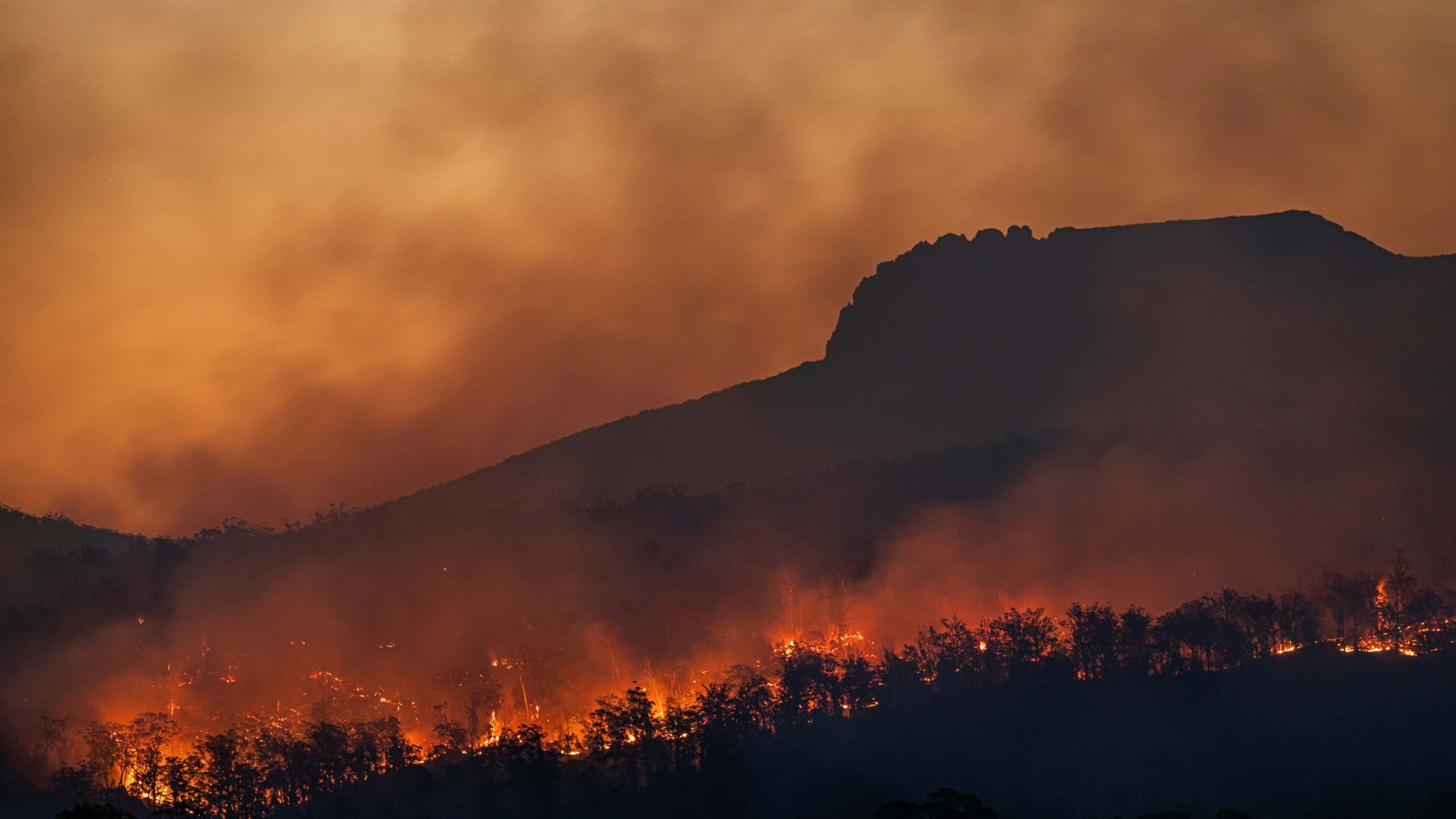
As the 2026 event reaches its peak, the immediate terrestrial impacts are already disrupting regional stability and accessibility. In South America, torrential rains and severe flooding have battered Peru, restricting access to critical cultural heritage sites like Machu Picchu. Simultaneously, across Southeast Asia, Indonesia is experiencing severe drought conditions that have fueled intense wildfires, destroying vulnerable ecosystems and incinerating the remaining habitats of critically endangered orangutans.

The Disconnect Between Research and the Travel Industry
Despite mounting empirical evidence, a distinct structural disconnect persists between environmental research and tourism development. Academic literature and meteorological warnings have largely remained siloed from mainstream industry priorities, which historically focus on visitor experiences, economic expenditures, and occupancy rates.

Travel is fundamentally built upon a premise of abundance—unlimited natural resources, reliable transportation infrastructure, predictable seasonal windows, and seamless service delivery. Consequently, major tourism stakeholders have displayed reluctance to alter long-term operations based on climate projections alone. Furthermore, tourism-reliant communities often hesitate to publicize environmental risks out of fear of deterring vital visitor revenue, while individual travelers frequently cling to a "come hell or high water" mentality, proceeding with booked itineraries despite local crises.
On-the-Ground Realities: Infrastructure and Resource Strain
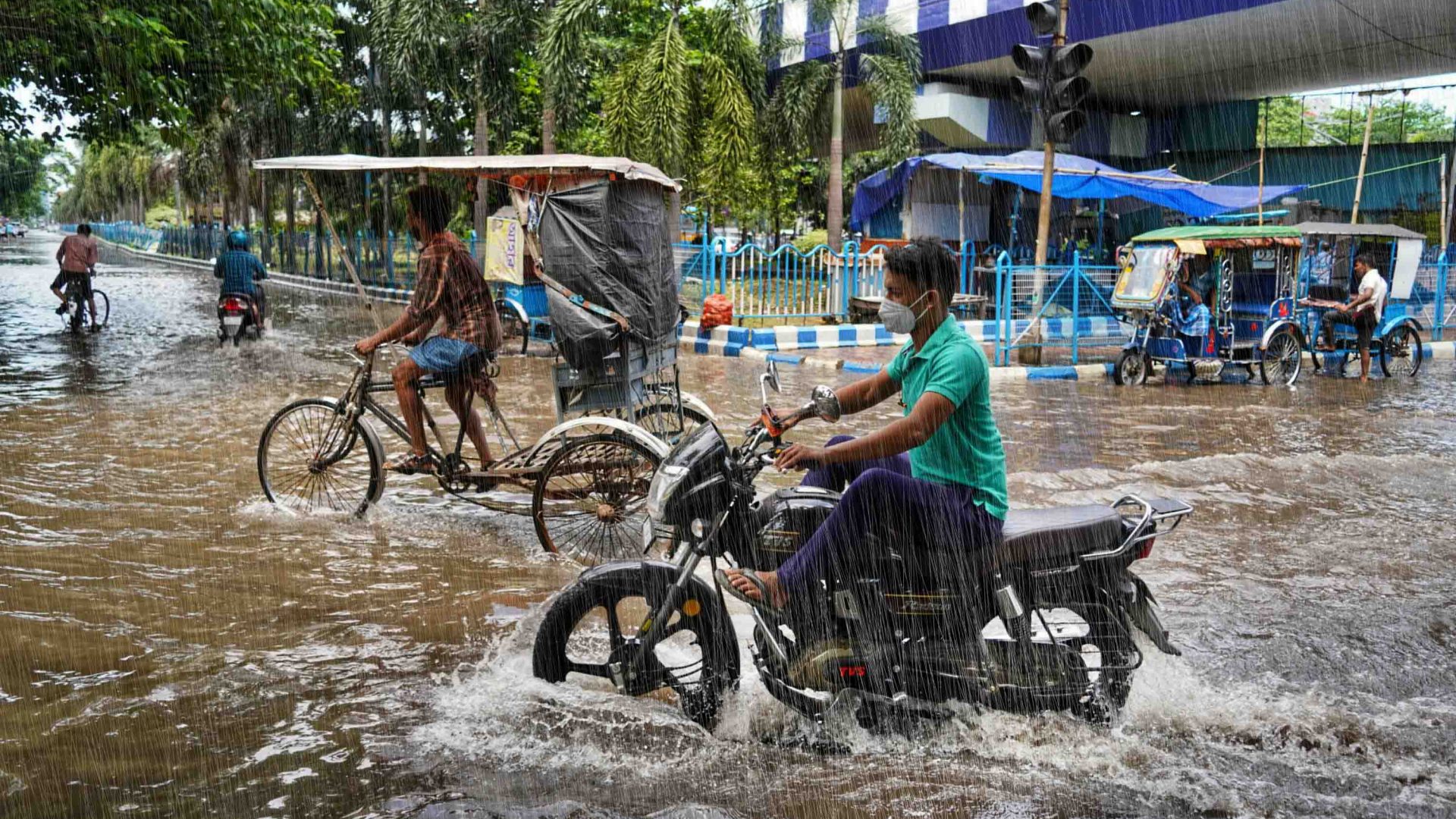
Whether the commercial travel sector feels operationally prepared or not, the compounding impacts of extreme weather cannot be ignored. In the air and on the ground, extreme heatwaves, shifting jet streams, and sudden storms routinely trigger widespread flight delays, while severe flooding and landslides fracture roads and rail networks.
At destination points, the consequences are far more severe. Prolonged droughts and extreme precipitation exacerbate food insecurity and severely drain local water reserves. This dynamic frequently generates socioeconomic tension between tourists and host communities over scarce resources.
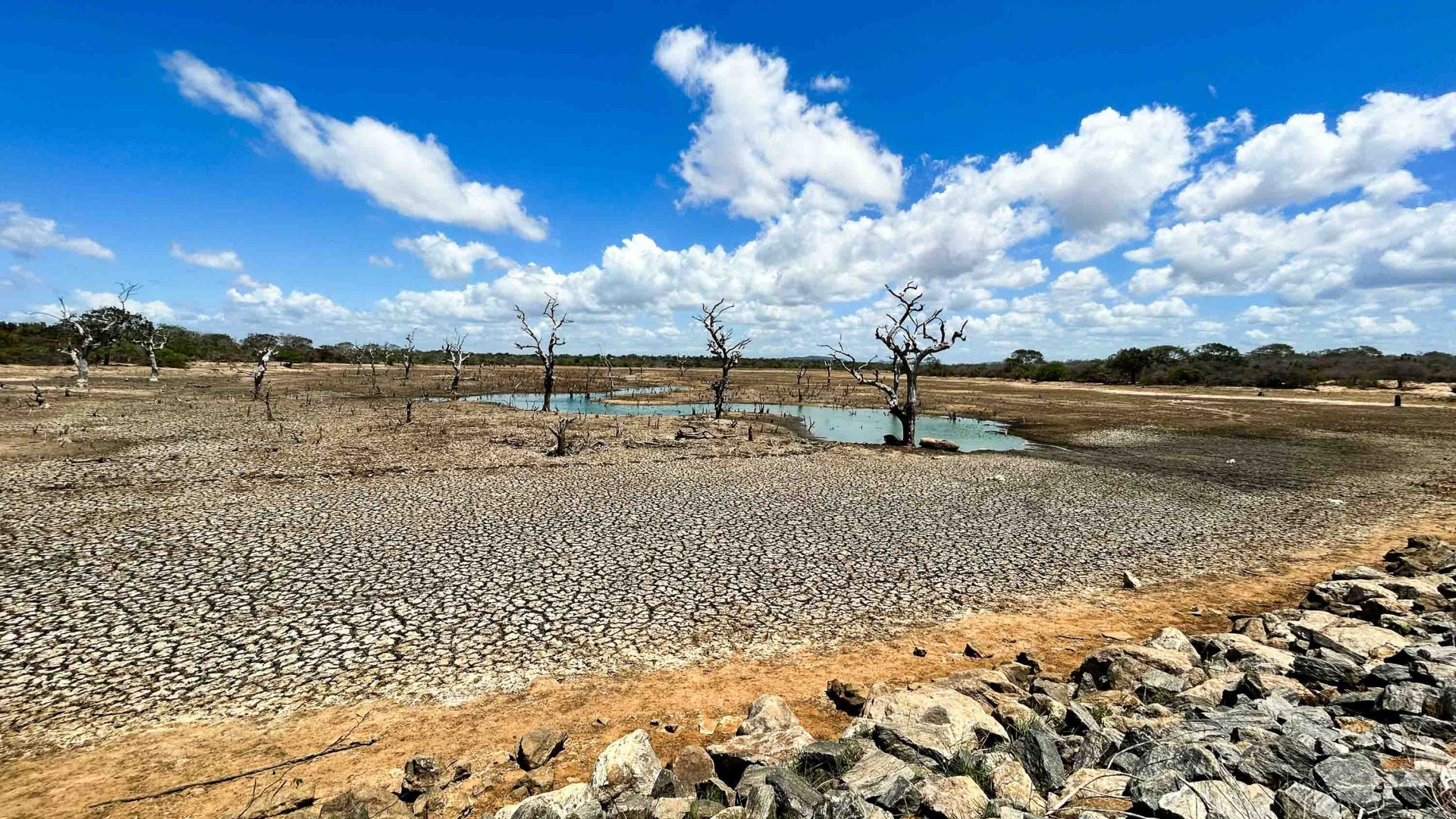
Research indicates that hotel guests consume up to eight times more water than an average local resident, a disparity that becomes untenable when municipalities are forced to truck in water during drought conditions. In crisis scenarios, resources such as clean water, reliable electricity, and emergency lodging—consumed in abundance by tourists—are urgently required by displaced residents and local emergency response teams.
The Principles of Regenerative Tourism and Decentering the Traveler
To address these compounding vulnerabilities, experts in regenerative tourism argue for a fundamental mindset shift: decentering the traveler from the narrative. Regenerative tourism seeks to move beyond sustainability by positioning travel and local communities as active collaborators in ecological and social restoration.
Decentering requires acknowledging the inherent privilege gap between affluent leisure travelers and host populations. For a tourist, extreme weather is often an inconvenient, temporary disruption—a canceled flight, a modified itinerary, or a closed cultural site. For local residents, however, those same torrential rains or prolonged droughts can destroy homes, wipe out agricultural livelihoods, and decimate public infrastructure.
Practical Frameworks for Responsible Travel During Climate Disruption
Adapting to the realities of a Super El Niño requires a deliberate set of operational and behavioral adjustments for modern travelers:

- Pre-Trip Research and Expectation Management: Travelers must actively investigate local conditions prior to departure by searching for specific weather impacts and municipal updates in their destination. Maintaining realistic expectations is crucial; visitors must accept that record heat may prompt the closure of archaeological sites, low snowpack may impact winter resorts, and coral reefs may exhibit extensive bleaching.
- Resource Conservation and Alternative Choices: Simple operational swaps can prioritize community needs over personal luxury. Choosing locally owned homestays instead of large, water-intensive resort complexes, dining at independent restaurants that source ingredients from local farmers, and booking small-scale, community-led excursions significantly reduces excessive food, water, and energy consumption.
- Risk Management and Emergency Preparedness: Unprepared travelers place an undue burden on local emergency infrastructure during a crisis. Comprehensive travel and health insurance, flexible booking policies, and compliance with local weather warnings, evacuation orders, and municipal advisories are mandatory for responsible global mobility.
- Capital as a Restoration Tool: Rather than relying on traditional carbon offset programs, travelers can directly support community-led resilience initiatives—such as local mangrove and reef restoration projects—by allocating a small percentage of their trip budget to grassroots environmental organizations.
Looking Ahead: The Power of Informed Choice
As the 2026 Super El Niño continues to influence global weather systems and drive anticipated climate anomalies into 2027, the relationship between human movement and planetary health enters a critical phase. Travel can function either as an economic lifeline or as an unsustainable liability during times of crisis.

Ultimately, navigating the complexities of an unstable climate requires adaptability, humility, and informed decision-making. By recognizing the profound weight of individual travel choices—knowing when to proceed, when to pivot, and when to pause—travelers can exercise their influence to support vulnerable ecosystems, respect host communities, and foster a more resilient future for global tourism.