The Ultimate Guide to Choosing Your Accommodation for a First-Time Trip to New York City

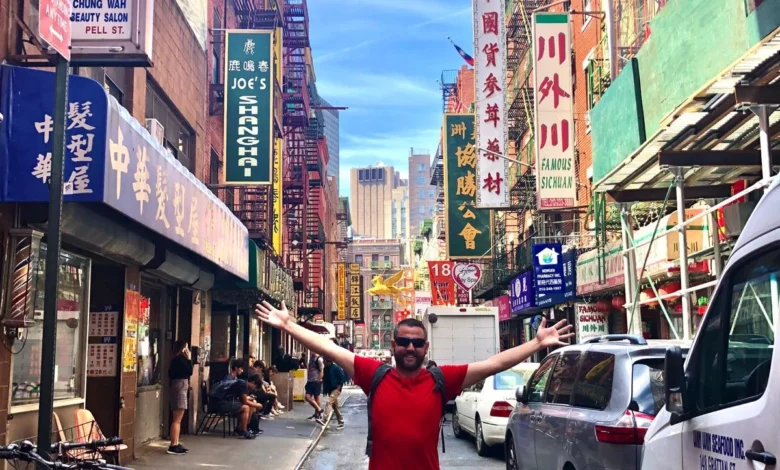
New York City remains one of the most visited global destinations, welcoming over 60 million tourists annually. For the uninitiated traveler, the sheer density of the five boroughs—Manhattan, Brooklyn, Queens, the Bronx, and Staten Island—can present a significant logistical challenge. Navigating a metropolis that encompasses 302 square miles and a complex public transit network requires strategic planning, particularly regarding where to establish a base of operations. While Brooklyn and Queens offer distinct cultural landscapes and growing hospitality sectors, data regarding tourist behavior and attraction density consistently points to Manhattan, specifically Midtown, as the optimal location for first-time visitors seeking to maximize their itinerary.

Historical Context and Urban Development
The centrality of Manhattan is rooted in the city’s historical development. Since the mid-19th century, the island has served as the primary nexus for commerce, culture, and governance in the United States. The grid system implemented in the Commissioners’ Plan of 1811 established the predictable, north-to-south orientation that makes Manhattan highly navigable for pedestrians. Midtown Manhattan, in particular, was the site of the city’s most aggressive vertical expansion during the early 20th century. Landmarks such as the Empire State Building, completed in 1931, and the subsequent rise of the Rockefeller Center district solidified the area as the geographic heart of New York’s tourism infrastructure.
Comparative Analysis of Boroughs for Visitors
For the first-time traveler, the decision between boroughs involves a trade-off between logistical efficiency and local immersion.

Manhattan: The Primary Hub
Manhattan houses the overwhelming majority of the city’s iconic landmarks. Statistical analysis of visitor spending and time management suggests that tourists based in Manhattan spend approximately 30% less time on public transportation compared to those staying in outlying boroughs. The concentration of Broadway theaters, major museums like the Museum of Modern Art (MoMA), and corporate headquarters ensures that the district remains active 24 hours a day.
Brooklyn: The Cultural Alternative
Brooklyn has evolved into a secondary powerhouse for hospitality. Neighborhoods such as Williamsburg and DUMBO offer a curated experience of "neighborhood-scale" urbanism. However, data from the Metropolitan Transportation Authority (MTA) indicates that transit times to central landmarks can increase by 20 to 45 minutes depending on the subway line. Brooklyn is increasingly favored by repeat visitors who have already exhausted the primary tourist checklist and seek a more nuanced exploration of independent boutiques and local culinary scenes.

Queens: Diversity and Value
Queens provides a different value proposition. As one of the most linguistically and ethnically diverse urban areas in the world, it offers unparalleled access to authentic international cuisines. Long Island City, located just across the East River, has seen a surge in hotel development due to its lower cost per square foot compared to Manhattan. It serves as a viable alternative for budget-conscious travelers; however, the reliance on the 7 train or ferry services to access the primary tourist core represents a significant commitment of time.
The Strategic Advantage of Midtown
Midtown Manhattan acts as the transit spine of the city. With major hubs like Grand Central Terminal and the Port Authority Bus Terminal, it serves as the most accessible point for regional travel. Beyond logistics, the architectural history of the district provides a concentrated experience of the city’s identity.

Urban planners note that the "walkability score" of Midtown is among the highest in the nation. For a visitor, this translates to the ability to traverse multiple iconic sites—such as the New York Public Library, Bryant Park, and the neon-lit corridors of Times Square—without the need for vehicular transport. This efficiency is critical for short-term stays, where time is the most constrained resource.
Economic and Logistical Implications
From an economic standpoint, the hospitality market in New York follows a standard demand-curve model. Manhattan hotel rates reflect the premium paid for proximity to central business districts and tourist attractions. Conversely, hotels in Brooklyn and Queens often provide larger room footprints and modern amenities for a lower price point.

However, travelers must factor in the "opportunity cost" of their stay. The average daily rate (ADR) in Manhattan is higher, but the savings realized by avoiding multiple daily commutes—and the associated fatigue—often justify the higher expenditure for a first-time visitor. Industry reports suggest that the "experience density" in Midtown is nearly four times higher than in any other comparable urban district in the country.
Recommendations for First-Time Itineraries
For those visiting for the first time, a centralized strategy is recommended to mitigate the "overwhelm factor."

- Days 1-2 (Central Midtown): Focus on the vertical landscape. Visit the Empire State Building, Rockefeller Center, and the Broadway theater district. Utilize the central location to return to the hotel for mid-day breaks, a common practice for international travelers navigating time zone adjustments.
- Day 3 (The High Line and Chelsea): Transition toward the West Side. The High Line—an adaptive reuse project that transformed an abandoned railway into an elevated public park—serves as a bridge between the high-density Midtown and the historic character of the Meatpacking District and Chelsea Market.
- Day 4 (Lower Manhattan): Utilize the proximity to the subway lines that run directly south. A dedicated day for the Financial District, the 9/11 Memorial, and the ferry terminals for Statue of Liberty access is more manageable when starting from a central transit point.
Expert Perspectives on Urban Navigation
Tourism officials and urban geographers often emphasize the concept of "geographic literacy" for visitors. The complexity of the New York subway system can be daunting. By staying in a central location like Midtown, visitors gain a "home base" that provides a familiar point of reference.
"The primary mistake for first-time visitors is attempting to see too much while underestimating the scale of the city," notes one travel analyst. "By choosing a location with high connectivity, travelers can pivot their plans based on weather or fatigue without feeling stranded."

The Role of Infrastructure in Modern Tourism
The revitalization of infrastructure, such as the extension of the 7 subway line to the Far West Side and the renovation of Moynihan Train Hall, has further bolstered the attractiveness of staying in the center of Manhattan. These investments ensure that, regardless of where a visitor chooses to explore during the day, the return to a central hotel remains a streamlined process.
Final Synthesis: Making the Choice
Ultimately, the choice of where to stay in New York City is a decision of priority. If the objective is to capture the essence of the city as it is portrayed in global culture—characterized by high-energy streets, historic landmarks, and rapid access to major attractions—Manhattan is the undisputed choice.

While the allure of Brooklyn’s creative spirit or the culinary depth of Queens is substantial, these boroughs function best as destinations for exploration rather than as base camps for the first-time tourist. By prioritizing location in the heart of Midtown, visitors secure the highest probability of a successful, efficient, and comprehensive introduction to one of the world’s most complex and rewarding urban environments. For the first-time traveler, the logistical ease provided by a Midtown location is not merely a convenience—it is the key to unlocking the full potential of a New York City visit.