Montenegro Travel Costs: A Comprehensive Financial Breakdown of Visiting the Balkans in 2026

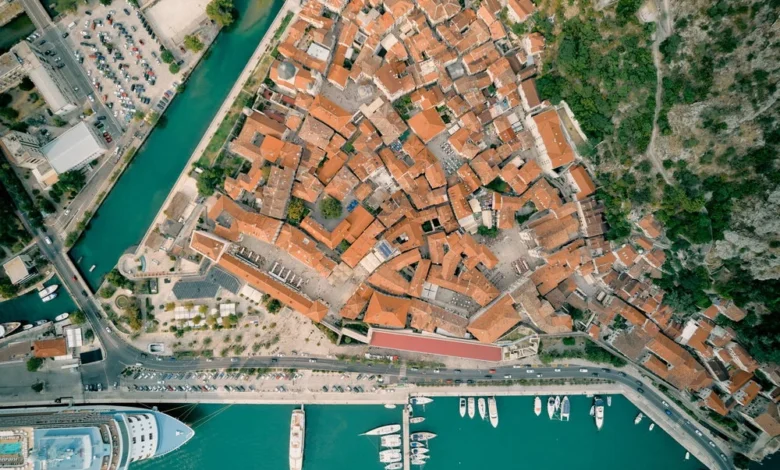
When travelers return from Croatia with significantly lighter wallets, neighboring Montenegro is frequently assumed to operate on a parallel economic scale. Sharing an identical Adriatic coastline, historic Venetian stone architecture, and the euro as its official currency, the country naturally invites cost comparisons with its European Union neighbor to the northwest. However, a detailed financial audit of a standard ten-day coastal and mountain itinerary reveals a stark divergence in operational expenses. While accommodation and terrace dining remain subject to regional tourism inflation, government-regulated tariffs for national parks and cultural landmarks challenge long-held assumptions regarding Balkan travel economics.
A comprehensive examination of official operator price lists, municipal tariffs, and crowdsourced economic data from September 2026 illustrates how travelers allocate funds across different geographical regions and travel tiers. As Montenegro maintains an unusual economic arrangement—unilaterally utilizing the euro without formal membership in the eurozone—all baseline transactions, hotel bookings, and restaurant bills are denominated in a single, stable currency, simplifying initial financial forecasting for international visitors.

Where Accommodation Drives the Overall Budget
As is standard throughout the broader Adriatic region, accommodation represents the primary variable governing total trip expenditure, with geographic placement exercising a far greater influence on final costs than seasonal timing alone. According to data retrieved from booking platforms in late September 2026, floor prices for hostel dormitory beds illustrate a distinct geographic hierarchy. In Kotor, heavily impacted by cruise ship tourism, the cheapest hostel listings begin at €10, though the vast majority of available dorm beds cluster between €20 and €30 per night. In contrast, coastal resort hubs like Budva and mountain gateway towns like Žabljak in the Durmitor region offer competitive floor prices starting around €10 to €11, with typical dormitory listings remaining stable between €12 and €20.
For private accommodations, family-run guesthouse doubles generally range from €30 to €60 per night, while standard three- and four-star hotels command between €60 and €120. Front-row seafront properties during peak summer months regularly exceed €150 per night. Compounding these figures is Montenegro’s mandatory tourist tax, a statutory fee levied at €1 per adult per night, with a 50 percent reduction for adolescents aged 12 to 18 and exemptions for children under 12. For a standard ten-night stay, this nominal fee adds a predictable €10 per traveler, which is typically collected in cash by smaller property operators.
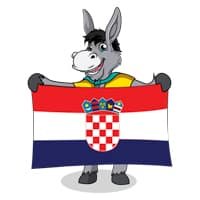
Budva commands particular attention within the national tourism framework as the country’s premier resort municipality. Housing the largest inventory of rooms and the widest pricing spectrum, Budva experiences severe seasonal inflation during July and August. Travel analysts consistently advise budget-conscious visitors to either schedule trips to Budva during the shoulder months of June and September or secure lodgings in quieter surrounding towns such as Kotor or Petrovac while utilizing day trips for beach access.
Dining Out: Regional Variations and Terrace Premiums
Culinary expenditures in Montenegro demonstrate that the specific municipality, rather than the nation as a whole, dictates menu pricing. According to crowdsourced economic indices updated across Kotor, Budva, and the capital city of Podgorica through mid-to-late 2026, basic dining costs remain relatively uniform. A basic, inexpensive meal for a single person averages €10 in Podgorica and Kotor, rising slightly to €13 in the resort-heavy environment of Budva.

However, beverage pricing exposes significant economic disparities driven by venue location rather than product variation. A standard 0.5-liter serving of domestic beer costs €2.50 in Kotor and Podgorica, but surges to €4.25 in Budva terrace establishments. Over the course of a ten-day itinerary, the cumulative difference in beverage costs alone can equal the price of a night’s accommodation.
Podgorica serves as a vital economic baseline for the country. Although the capital is rarely prioritized by leisure tourists, a standard cappuccino priced at €1.95 reflects genuine domestic purchasing power uninflated by heavy international tourism demand. Conversely, mid-range three-course restaurant dinners for two average €52.50 in Kotor and scale up to €60 in Budva, aligning closely with pricing structures observed across the border in Croatia.
Transportation Logistics: Ferries, Buses, and Hidden Fees
Navigating Montenegro’s dramatic topography involves a predictable array of transit costs regulated by both municipal authorities and private operators. A foundational transit expense is the Kamenari-to-Lepetane ferry crossing across the Bay of Kotor. Operating under published official tariffs, the ferry charges €5 per car and €2.50 per motorcycle, while pedestrians and cyclists utilize the service free of charge. This maritime shortcut eliminates approximately forty minutes of driving around the perimeter of the bay, though motorists prioritizing scenic value frequently opt for the toll-free coastal perimeter road.
Public bus transit remains economically accessible, with intercity routes connecting Kotor to Budva ranging between €2 and €4, Podgorica to Budva costing €7 to €10, and Podgorica to Žabljak running from €10 to €12. Passengers must account for standard regional transit customs, such as a €1 luggage fee per bag stored in the vehicle hold, payable directly in cash to the driver upon boarding—a frequent point of confusion for tourists who pre-purchase tickets online.
National Parks and Cultural Heritage: The Financial Anomaly
The single most significant finding from regional economic analyses involves the pricing structure governing Montenegro’s protected natural assets. The National Parks of Montenegro (Nacionalni parkovi Crne Gore) enforce a standardized, highly subsidized nationwide tariff system for environmental conservation areas. Daily admission tickets per person are priced at €5 for Durmitor National Park (encompassing Black Lake and Tara River canyon viewpoints), €5 for Lake Skadar, €4 for Biogradska Gora, and €3 for Lovćen National Park. Furthermore, the administration offers an annual multi-park pass covering all five national parks for just €13.50.
This pricing strategy contrasts sharply with neighboring Croatia, where high-profile natural attractions such as Krka and Plitvice Lakes charge upwards of €40 per adult during peak summer months. Consequently, exploring Durmitor—home to the deepest canyon in Europe—costs a fraction of equivalent environmental attractions in the European Union.
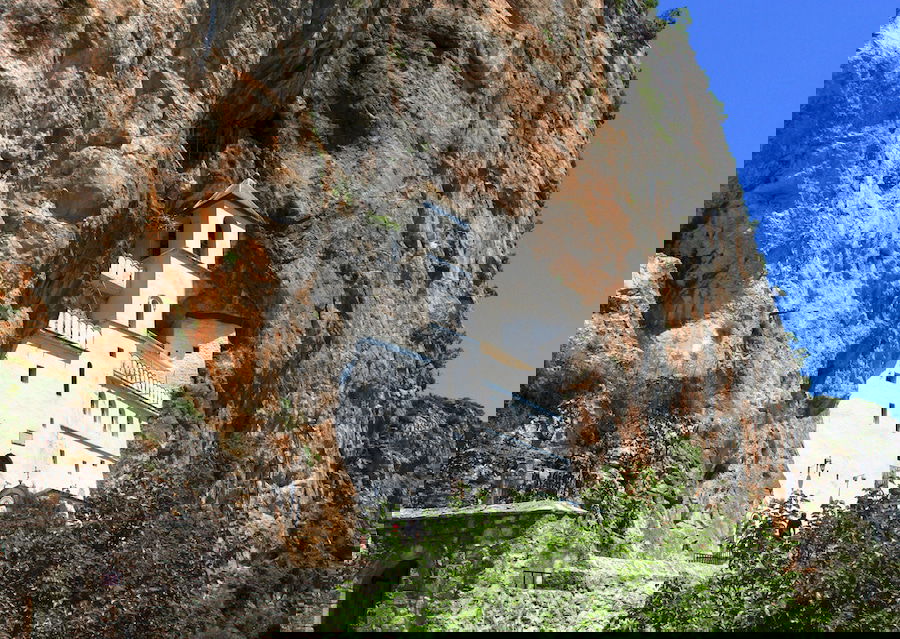
Cultural and historical landmarks display a more polarized pricing model. Ostrog Monastery, carved directly into a vertical cliff face, maintains a policy of free admission with voluntary donations accepted. Conversely, the municipal walls and fortress of St. John in Kotor command a steep €15 entry fee for visitors between March 1 and November 30, with children under 12 admitted free. Outside this nine-month window, the ticket booths remain unstaffed, allowing free access during the winter months. Additional regional excursions, such as the Njegoš Mausoleum atop Lovćen, require an €8 entrance fee in addition to the base park ticket, while private water taxis to Our Lady of the Rocks off the coast of Perast average a €5 return fare alongside a €2 museum entry fee.
Cumulative Itinerary Cost Analysis
By synthesizing entry fees, municipal taxes, and transit tolls, the cumulative financial outlay required to access Montenegro’s primary tourist attractions becomes remarkably transparent. For a standard ten-day itinerary—including the Bay of Kotor, Lovćen, Ostrog, Durmitor, Lake Skadar, and Budva—the total mandatory sightseeing expenditure amounts to approximately €62 per person. Even when factoring in optional recreational excursions, such as a €50 full-day Tara River rafting trip or a €20 boat tour on Lake Skadar, total activity costs remain below €140.
This structural dynamic divides travelers into distinct financial categories:

- Backpacker Budget: Operating on daily expenditures between €40 and €50, backpackers utilize hostel dormitories (€10–€20), affordable local meals, and public bus networks, benefiting directly from subsidized national park fees.
- Mid-Range Budget: Averaging €100 to €130 per person daily, mid-range travelers invest in private guesthouse doubles (€30–€60), sit-down dinners (€50–€60 for two), and rental car logistics, absorbing room and restaurant inflation while remaining insulated from high activity costs.
- Comfort Tier: Premium travelers utilizing luxury seafront accommodations exceeding €150 per night, private maritime charters, and specialized private transport experience price parity with mainstream Western European destinations, rendering baseline activity fees statistically negligible.
Strategic Recommendations for Cost-Conscious Travelers
Ultimately, prospective visitors are advised against selecting Montenegro merely on the assumption of across-the-board economic savings compared to Croatia. While environmental attractions and national parks offer exceptional value—permitting entry to world-class ecological preserves for nominal fees—hospitality and dining sectors in major coastal hubs reflect standard Adriatic market rates. Travelers seeking to optimize their budgets should focus on securing value in accommodation timing and shoulder-season scheduling, ensuring that the country’s natural assets remain the primary beneficiary of a well-planned travel itinerary.