Holafly Launches Global Subscription-Based eSIM Plan Targeting Digital Nomads and Frequent International Travelers

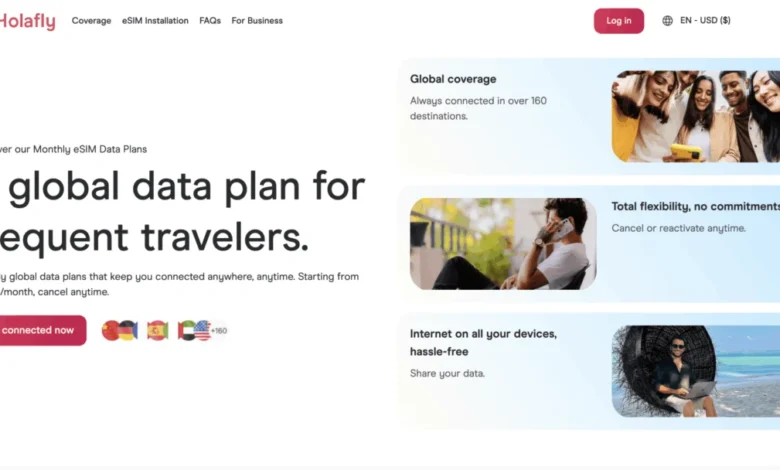
The international telecommunications and travel technology sector has witnessed a significant shift with the introduction of subscription-based, multi-destination digital SIM cards. eSIM provider Holafly has officially launched "Holafly Plans," an ongoing global subscription service designed to provide continuous cellular data coverage across more than 160 destinations under a single digital profile. This development marks a departure from traditional travel data models, which typically rely on localized, short-term prepaid packages that require manual reconfiguration or replacement with every international border crossing.
Background Context of the International Roaming Market
For decades, international travelers and digital nomads faced a complex landscape of connectivity options. Traditional domestic mobile network operators have long dominated the market by offering international roaming passes, often priced between $10 and $15 per day. For travelers spending extended periods abroad, these daily fees can accumulate rapidly, resulting in monthly bills ranging from $100 to over $300 for restricted data speeds.
Alternatively, travelers frequently resort to purchasing physical local SIM cards upon arrival in a foreign country or utilizing first-generation regional eSIMs. While these methods generally offer lower rates than major carrier roaming passes, they introduce logistical challenges. Users must repeatedly purchase new packages, scan separate QR codes, and manually swap profiles upon arrival in each new jurisdiction. Furthermore, short-term tourist eSIMs often lack local phone numbers and restrict personal hotspot usage, limiting their utility for remote professionals who require stable internet connections for multiple devices, such as laptops and tablets.

Chronology and Evolution of eSIM Technology
Embedded Subscriber Identity Module (eSIM) technology transitioned from a niche hardware feature to an industry standard following its widespread adoption by major smartphone manufacturers over the past several years. Unlike physical plastic SIM cards, eSIMs are integrated directly into a device’s hardware, allowing users to download and activate cellular profiles via software applications or QR codes.
Initially, the market focused on single-country prepaid data plans aimed at short-term vacationers. As remote work and digital nomadism expanded globally—particularly following shifts in workplace flexibility—the demand for seamless, cross-border connectivity grew. Industry analysts noted an increasing consumer preference for unified subscriptions that mirror domestic cellular services but operate globally without incurring steep roaming penalties. Holafly’s introduction of a continuous multi-destination subscription model represents the latest evolution in this technological trajectory, addressing the friction points of multi-country itineraries.
Product Architecture and Service Tiers
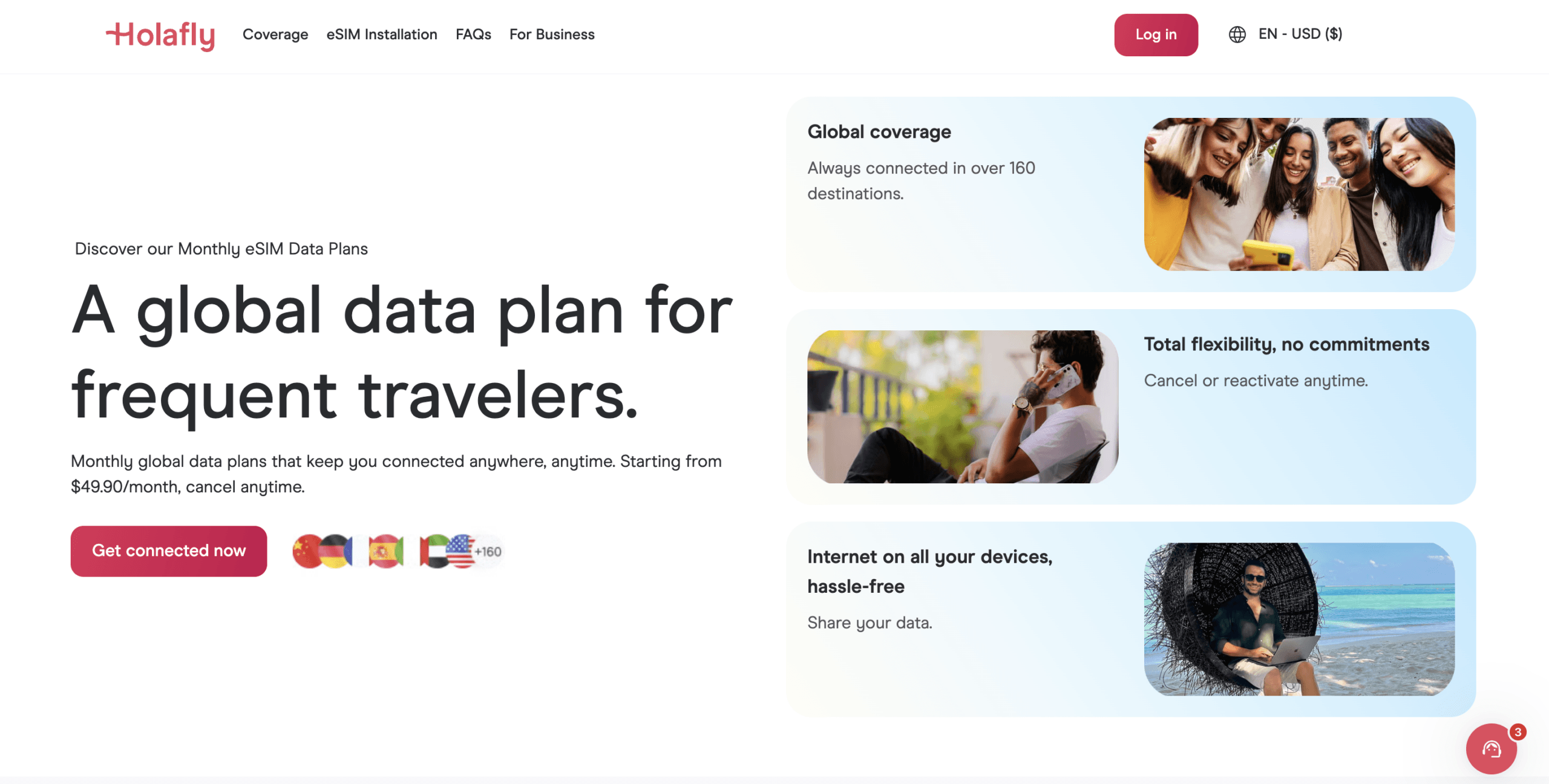
Holafly Plans operates as a standing subscription model available on monthly, quarterly, or annual billing cycles. The service is divided into two primary tiers: the Light Plan and the Unlimited Plan.
The Light Plan provides users with a monthly data allowance of 25GB, standard personal hotspot capabilities, and coverage spanning more than 160 countries. This tier is marketed primarily toward travelers whose usage centers on navigation, messaging applications, and moderate web browsing.
Conversely, the Unlimited Plan removes data caps entirely and includes unrestricted hotspot functionality, enabling users to tether secondary devices such as laptops without speed throttling. Additionally, the Unlimited Plan incorporates a local phone number originating from the United States, the United Kingdom, or Canada, facilitating the receipt of SMS verification codes and text messages—a critical requirement for banking, remote work authentication, and general communication.
Both subscription tiers include a proprietary feature designated as "Always On." This provision supplies users with 1GB of backup data every month across supported destinations, remaining active even if the primary subscription is temporarily suspended or canceled.
Market Analysis and Comparative Cost Efficiency
Industry observers analyzing the comparative economics of global data solutions highlight a substantial cost disparity between traditional carrier roaming and emerging subscription-based eSIM models. Major telecommunications providers in North America and Europe routinely price unlimited international data at premium rates, often subjecting users to data throttling after a specific threshold is met.
In contrast, subscription eSIM providers leverage virtual network operator agreements with local carriers worldwide to secure wholesale data rates. Holafly’s annual subscription model positions the Unlimited Plan at a competitive monthly rate—approximately $55 USD when billed annually—offering significant savings over traditional roaming alternatives. Quarterly subscriptions yield approximately a 10% cost reduction, while annual commitments provide savings of around 15%, alongside introductory promotional discounts such as the "NOMADICMATT" code, which offers an additional 10% reduction.
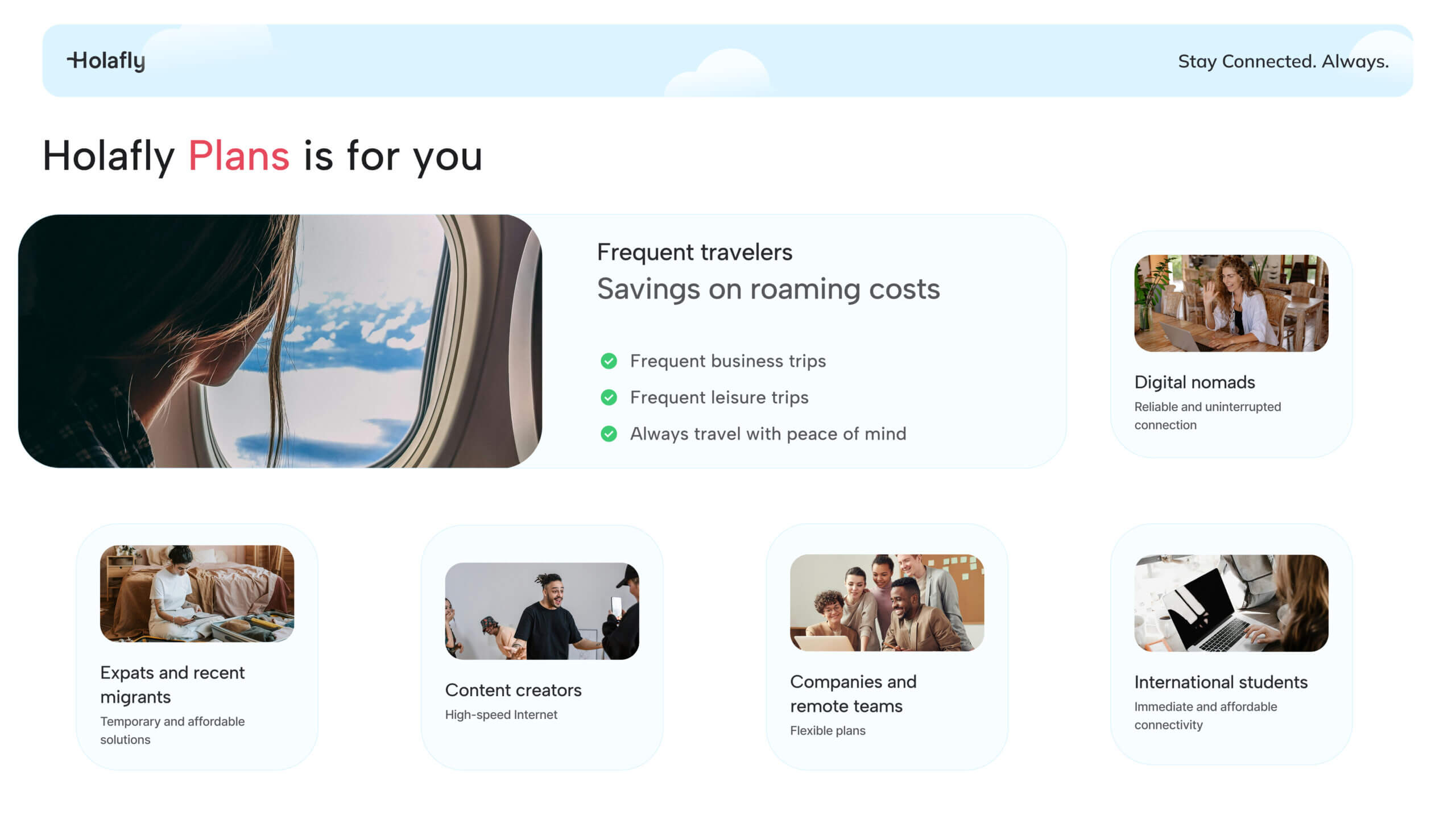
Despite these cost advantages, market analysts note that subscription services are not universally optimal for all consumer segments. For travelers undertaking isolated, single-destination vacations lasting two weeks or less, traditional destination-specific prepaid eSIMs remain the more economical and straightforward choice. Subscription models are financially and logistically advantageous primarily for individuals who cross international borders frequently within a single billing cycle or reside abroad for the majority of the year.
Industry Implications and Future Outlook
The commercial rollout of multi-destination, subscription-based eSIMs reflects broader trends in the telecommunications industry toward software-defined networking and consumer flexibility. Traditional telecommunications monopolies are facing mounting pressure from agile, app-based providers that eliminate activation fees, physical distribution costs, and long-term contractual obligations.
As remote work policies remain prevalent globally, the demand for reliable, borderless telecommunications infrastructure is projected to expand. The success of subscription-based models like Holafly Plans may prompt legacy carriers to restructure their international roaming packages to remain competitive against specialized digital providers. Furthermore, the inclusion of local phone numbers and unthrottled hotspot capabilities in global data plans sets a new benchmark for consumer expectations in mobile connectivity, signaling a future where international borders present minimal friction for personal and professional telecommunications.