
Navigating international telecommunications has long been one of the most persistent hurdles for modern travelers venturing abroad. Having a reliable, high-speed data connection while traveling through Europe is no longer a luxury, but an operational necessity for managing digital boarding passes, real-time navigation, rideshare applications, and cross-border communications. However, utilizing an iPhone or Android smartphone across European borders can quickly become a financially burdensome and complex endeavor for travelers who fail to carefully evaluate their mobile options before departure.
Understanding the mechanics of international cellular infrastructure requires analyzing two primary methodologies available to international visitors: leveraging existing domestic mobile carrier plans or acquiring prepaid local solutions through physical SIM cards and embedded subscriber identity modules (eSIMs). Each approach carries distinct financial commitments, technical requirements, and performance variables that directly impact the user experience abroad.
Compatibility and Hardware Readiness Across European Networks

For the vast majority of contemporary travelers, device compatibility is no longer a primary barrier to entry. Virtually all modern smartphones manufactured after 2016, including the iPhone 7 series and subsequent generations, possess the necessary hardware frequencies to interface seamlessly with European mobile infrastructure. Transatlantic visitors generally do not need to purchase specialized international handsets, as major domestic network bands align adequately with European telecommunication towers.
Upon arrival at a European destination, most major domestic carriers maintain reciprocal service agreements with local European operators. Consequently, visiting smartphones will frequently attempt to register automatically with a local cellular network, provided the user has enabled international data roaming within their device settings. Despite this technical ease of connection, relying on default domestic roaming protocols often exposes consumers to exorbitant international data fees, restricted bandwidth allocations, and intentionally throttled network speeds.
Evaluating American Carrier International Roaming Policies
The most frictionless approach for many travelers involves maintaining their domestic service provider by adding a temporary international roaming package. Major telecommunications providers—including Verizon, AT&T, and T-Mobile—offer specialized travel add-ons designed to bridge domestic accounts with overseas infrastructure.
Major domestic carriers typically charge a baseline rate of approximately $10 to $15 per day for international daily passes. These packages generally allow users to draw from their domestic data, talk, and text allotments while abroad. However, independent consumer reports and frequent traveler testimonials indicate that despite marketing claims of high-speed 4G LTE or 5G connectivity, roaming users frequently experience degraded network performance, occasionally dropping down to legacy 3G or 2G speeds. Such restricted bandwidth can severely impair essential travel applications, including real-time GPS mapping and rapid web browsing.
Historically, T-Mobile distinguished itself within the budget travel sector by offering complimentary international data and texting across more than 210 countries on select magenta-tier plans. While these plans typically grant up to 5GB of high-speed data before throttling speeds to 2G, prolonged itineraries often exhaust this allowance well before a traveler returns home. Conversely, providers like Verizon and AT&T lean heavily toward daily fee structures, which can accumulate rapidly over a multi-week vacation, turning mobile connectivity into one of the trip’s highest incidental expenses.
The Shift Toward Prepaid European SIM Cards and eSIM Technology
To circumvent the high costs and bandwidth restrictions imposed by domestic carriers, an increasing number of travelers bypass traditional roaming entirely in favor of prepaid European SIM cards or digital eSIM profiles. Europe’s telecommunications market features intense regulatory oversight and aggressive commercial competition among dozens of regional and national mobile operators. This competitive landscape drives down consumer costs while exponentially increasing data caps and connection speeds compared to typical North American consumer plans.

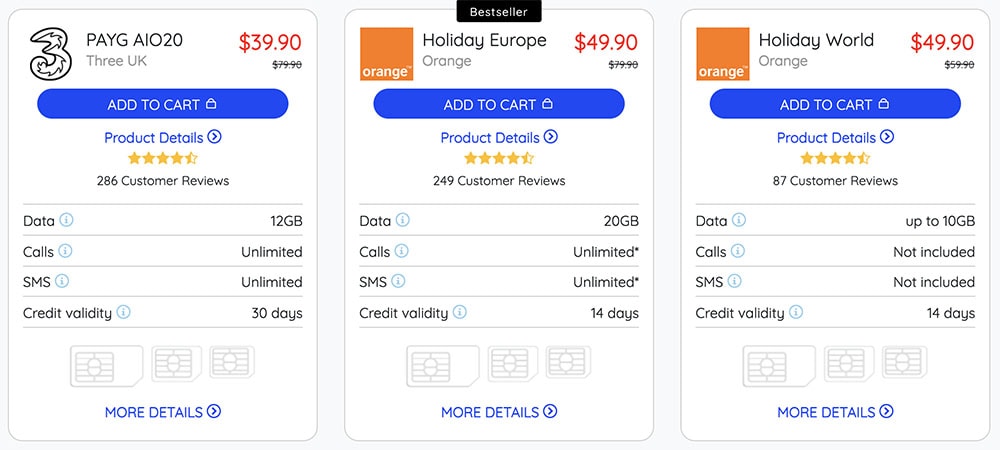
Under current European Union regulations, international roaming charges among EU member states have been legally eliminated. Consequently, purchasing a prepaid SIM card within any EU country grants seamless, cross-border connectivity throughout the entire union without incurring supplementary roaming penalties. A standard European prepaid bundle frequently provides generous data allocations—such as 20GB of high-speed data—alongside domestic and international talk and text capabilities for a fraction of the cost associated with domestic carrier daily passes.
The advent of eSIM technology has further revolutionized overseas telecommunications. Unlike traditional physical SIM cards that require physical extraction and replacement, an eSIM is a digital profile downloaded directly onto compatible hardware. This technological evolution allows users to maintain their primary domestic phone number active for critical two-factor authentication texts while simultaneously utilizing a secondary European data line. Industry providers such as SimOptions, Holafly, and various regional operators offer instant digital delivery, eliminating shipping fees and physical installation hurdles.

Device Unlocking Protocols and Regulatory Requirements
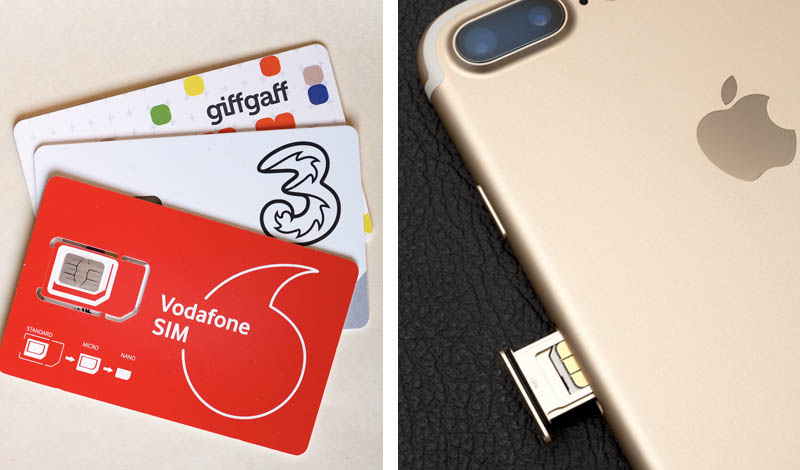
Before attempting to utilize a foreign SIM card or regional eSIM, travelers must ensure their mobile device is factory-unlocked. Many domestic telecommunications companies deliberately lock hardware to their proprietary network via software restrictions until a device’s installment contract is fully satisfied. Travelers wishing to switch carriers temporarily must formally request an unlock code from their provider prior to departure.
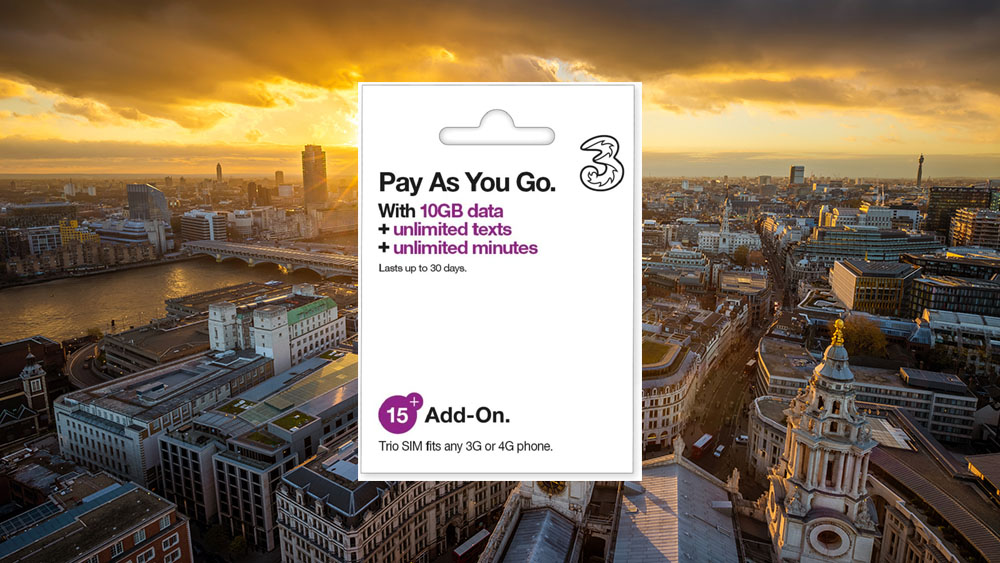
This administrative process can occasionally introduce friction if a customer remains under an active device financing agreement. In instances where a carrier refuses to unlock a handset, savvy travelers frequently resort to utilizing an older, fully unlocked secondary smartphone exclusively for international travel. This secondary device strategy also mitigates the financial and logistical risks associated with losing or damaging a primary communication tool while navigating unfamiliar urban centers.
Prepaid European SIM Providers and Market Offerings
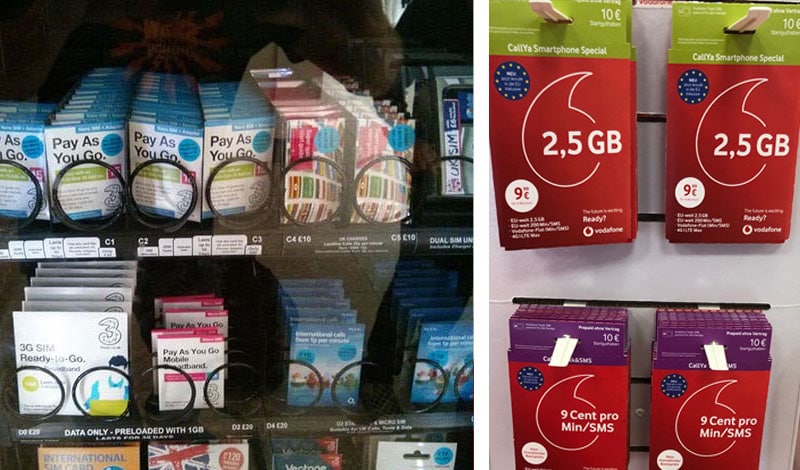
For travelers preferring physical SIM cards or those possessing older hardware incompatible with digital profiles, several established European providers offer comprehensive tourist-focused packages.
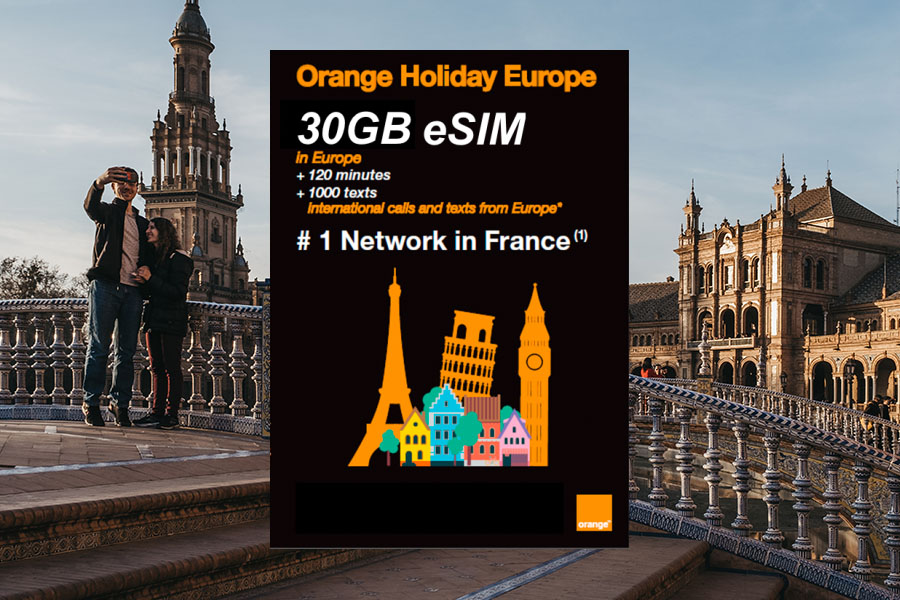
The Orange Holiday Europe Prepaid SIM Card remains a benchmark option within the industry. Backed by Orange, one of Europe’s largest telecommunications conglomerates, the plan ensures robust network coverage across major metropolitan areas and rural transit corridors alike. Typical specifications include substantial high-speed data allotments valid for a 14-day period, accompanied by extensive European calling minutes and international text capabilities. For itineraries extending beyond two weeks, users can easily apply supplementary data credits to maintain uninterrupted service.
Similarly, the Bouygues Telecom Vacation Prepaid Plan offers competitive data bundles tailored to short-term visitors, though initial activation requirements may necessitate localized network registration. Meanwhile, alternative market entrants like Holafly specialize in unlimited data eSIM packages configured for fixed durations ranging from five to ninety days. While these unlimited plans provide immense peace of mind for heavy data consumers, providers may implement traffic management policies to throttle excessive background usage during peak network congestion.
Practical Strategies for Managing Mobile Data Abroad
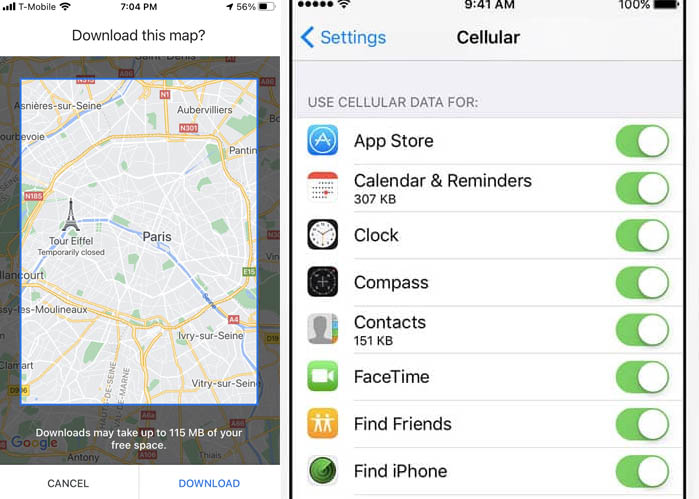
Beyond selecting an appropriate carrier or data plan, optimizing smartphone performance and longevity requires proactive data management. Heavy background application refreshing, automatic cloud photo syncing, and unmonitored social media updates can rapidly exhaust even generous data allocations within a matter of days.
Travelers are strongly advised to manually configure their device operating systems to restrict cellular data access to non-essential applications prior to arrival. Additionally, downloading offline regional maps via navigation applications ensures that primary transit functions remain fully operational even during temporary cellular dead zones. Utilizing widespread messaging platforms such as WhatsApp—which is deeply integrated into daily European social and commercial communication—allows visitors to place voice calls and transmit messages entirely over internet data protocols, bypassing traditional cellular voice charges altogether.

Finally, because continuous GPS tracking and high-brightness screen usage place an immense strain on modern lithium-ion batteries, carrying a reliable portable power bank has become an indispensable accessory for the contemporary traveler. By combining a strategic approach to regional data acquisition with disciplined device management, international visitors can ensure a seamless, cost-effective, and fully connected European travel experience.