The Ultimate Guide to Hiking Essentials and Packing Strategies for Global Treks

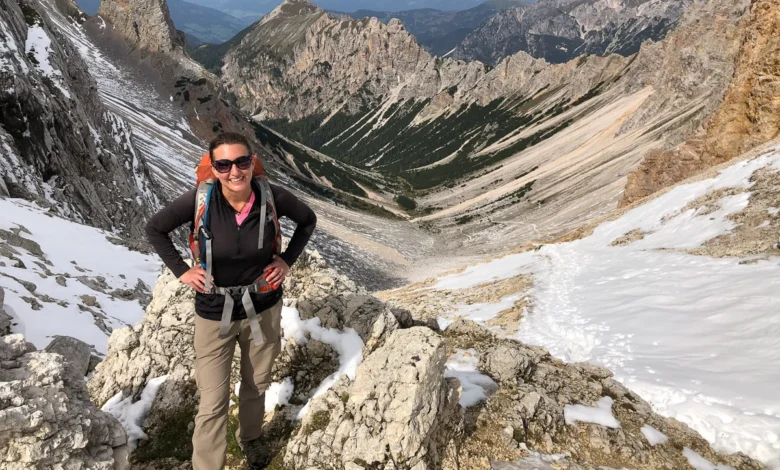
Proper preparation for multi-day trekking and hiking remains a fundamental challenge for outdoor enthusiasts, balancing the necessity of survival equipment with the physical limitations of pack weight. Whether navigating the high-altitude terrains of the Himalayas, the dense tropical jungles of South America, or the arid mountain passes of Central Asia, the efficiency of a hiker’s gear selection is a critical determinant of both safety and enjoyment. As global interest in trekking continues to rise, understanding the distinction between specialized mountaineering, wilderness camping, and supported lodge-to-lodge trekking has become essential for informed trip planning.
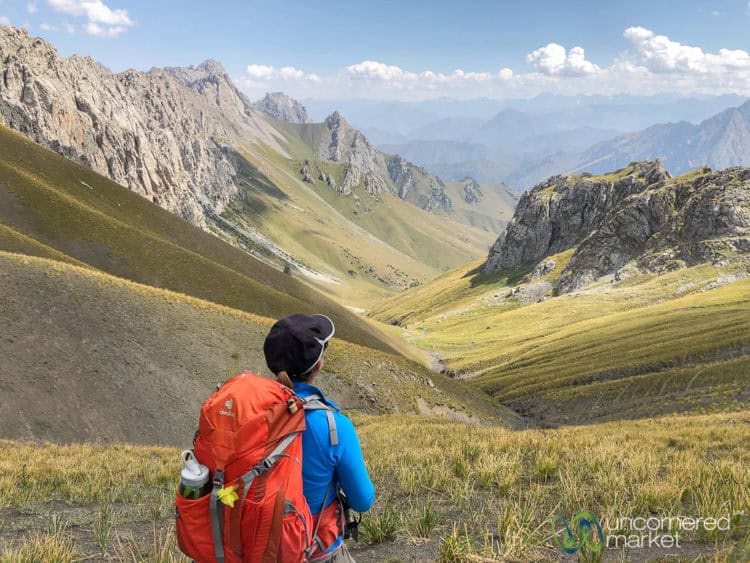
Historical Context and Evolution of Trekking Standards
The evolution of hiking gear has shifted significantly over the past two decades. Early trekking standards often mandated that hikers carry exhaustive inventories, including self-contained camping, cooking, and nutritional supplies. However, current trends in the outdoor industry favor modular, lightweight, and multi-purpose equipment. Data from trekking tourism sectors indicates that supported treks—where sleeping arrangements and food are provided by local tea houses, guest lodges, or organized agencies—have gained significant popularity. This shift allows for a reduced base weight, typically targeting a total pack load of no more than 15% to 20% of a hiker’s body weight, which minimizes injury risk and improves endurance over multi-day itineraries.
Core Principles of Efficient Packing
Effective packing is dictated by three primary factors: climate variability, elevation, and the duration of the trek. A standardized packing strategy revolves around the concept of "layering." Base layers, typically composed of moisture-wicking synthetic or merino wool fabrics, are essential for regulating body temperature. Mid-layers provide insulation, while outer shells serve as barriers against wind and precipitation.
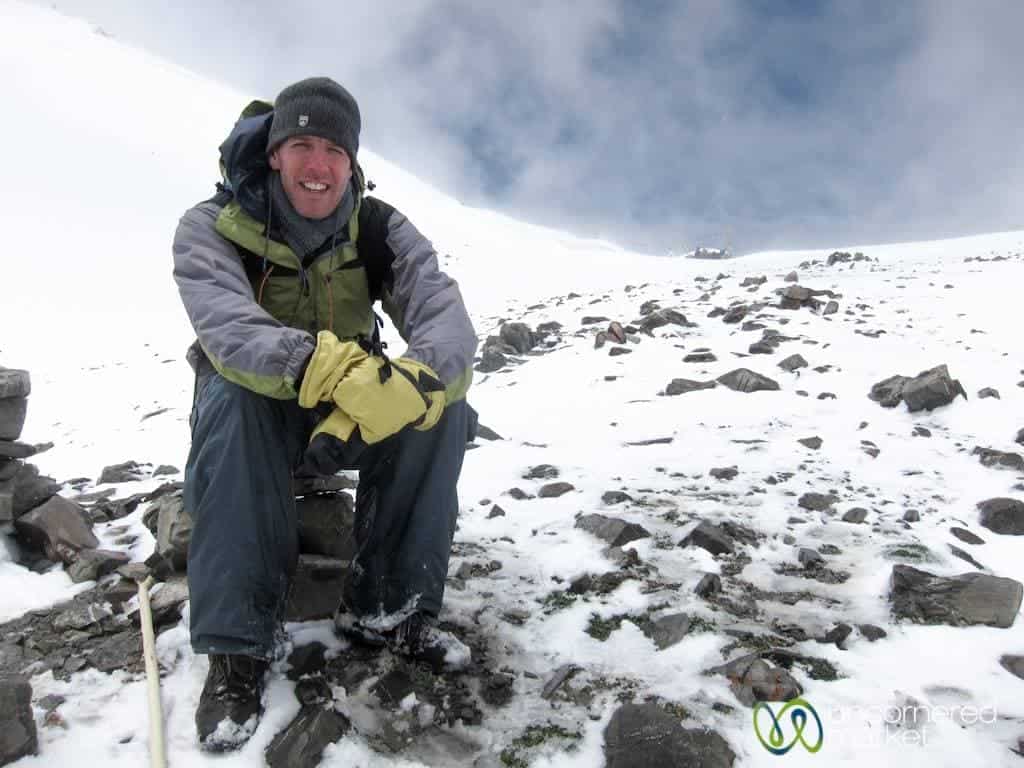
Recent analysis by professional trekking guides suggests that the "hiking uniform"—a consistent set of durable, moisture-wicking clothes—should be augmented by a separate, dry set of clothing reserved exclusively for sleeping and rest periods. This separation ensures that hygiene is maintained even in environments where laundry facilities are unavailable, significantly reducing the risk of skin irritations or complications from prolonged exposure to moisture.

Chronology of Gear Acquisition and Sustainability
The lifecycle of a trekking kit often begins with initial over-preparation, followed by a refined, minimalist approach. Statistics from outdoor retailers demonstrate that many novice hikers over-invest in high-end, brand-new technology, whereas experienced long-distance trekkers frequently prioritize durable, field-tested items. Furthermore, the practice of renting equipment locally—such as heavy sleeping bags, trekking poles, or high-altitude boots—has become a standard recommendation for those traveling between varied climates, as it prevents the unnecessary transport of bulky gear that may only be used for a fraction of a journey.

From an environmental standpoint, the industry is seeing a marked shift toward sustainability. Hikers are increasingly encouraged to move away from single-use plastics. The use of advanced water filtration systems—such as ultraviolet (UV) light pens, chemical purification drops, or physical membrane filters—has become a non-negotiable standard for responsible trekking. By utilizing these tools, hikers can eliminate the reliance on bottled water, which poses a severe waste management challenge in remote mountainous regions where infrastructure is often lacking.
Technical Requirements for Essential Equipment
The selection of a hiking backpack is perhaps the most critical technical decision. Modern backpacks are designed with ergonomic considerations specific to gender, torso length, and weight distribution. A pack with an integrated rain cover and hydration bladder compatibility is now considered a baseline requirement for safety.
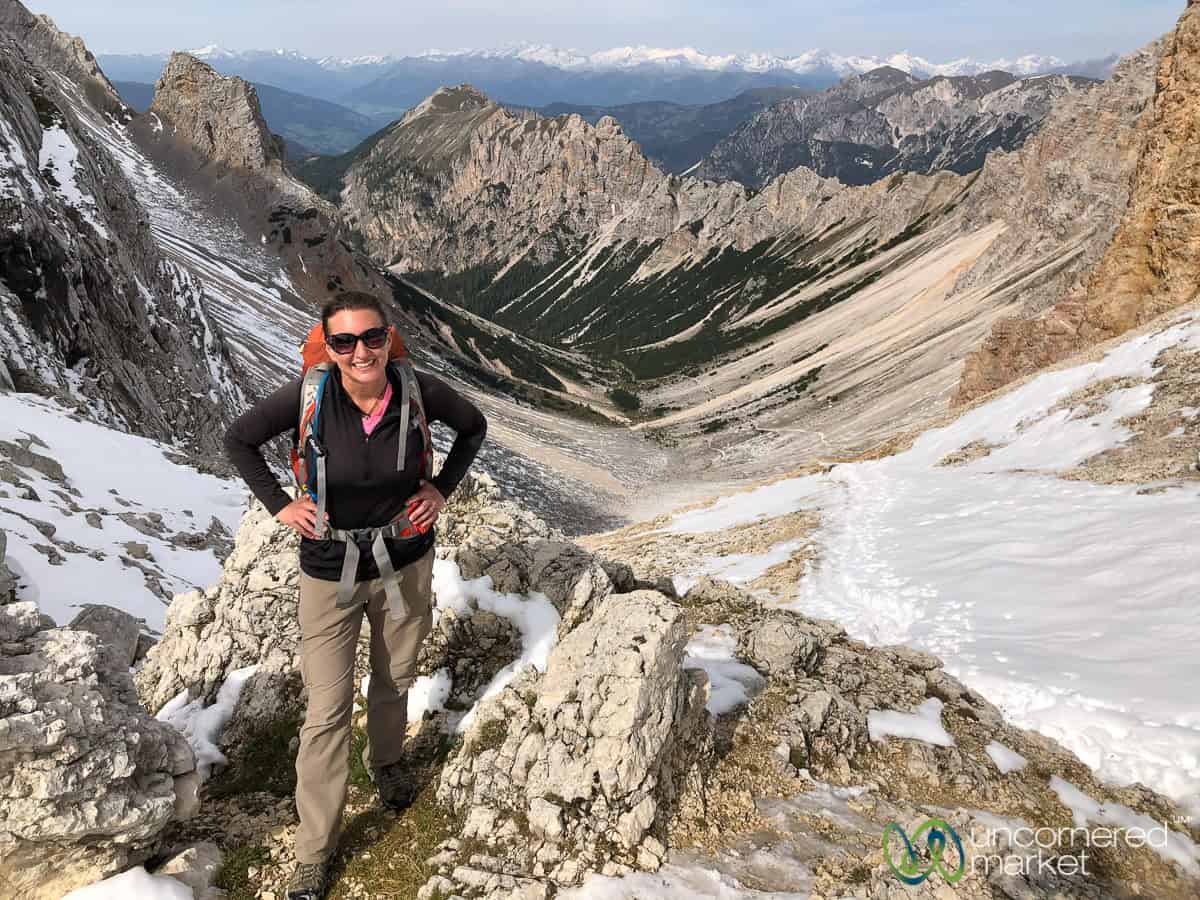
Footwear technology has also evolved. While traditional heavy leather boots were once the standard, many hikers have transitioned to high-performance, mid-weight hiking shoes that offer significant ankle support while remaining lightweight. The integration of high-traction outsoles, such as those found on Oboz or similar specialized footwear, provides necessary stability on variable terrain, including shale, mud, and snow.

Winter Trekking: Specialized Safety Protocols
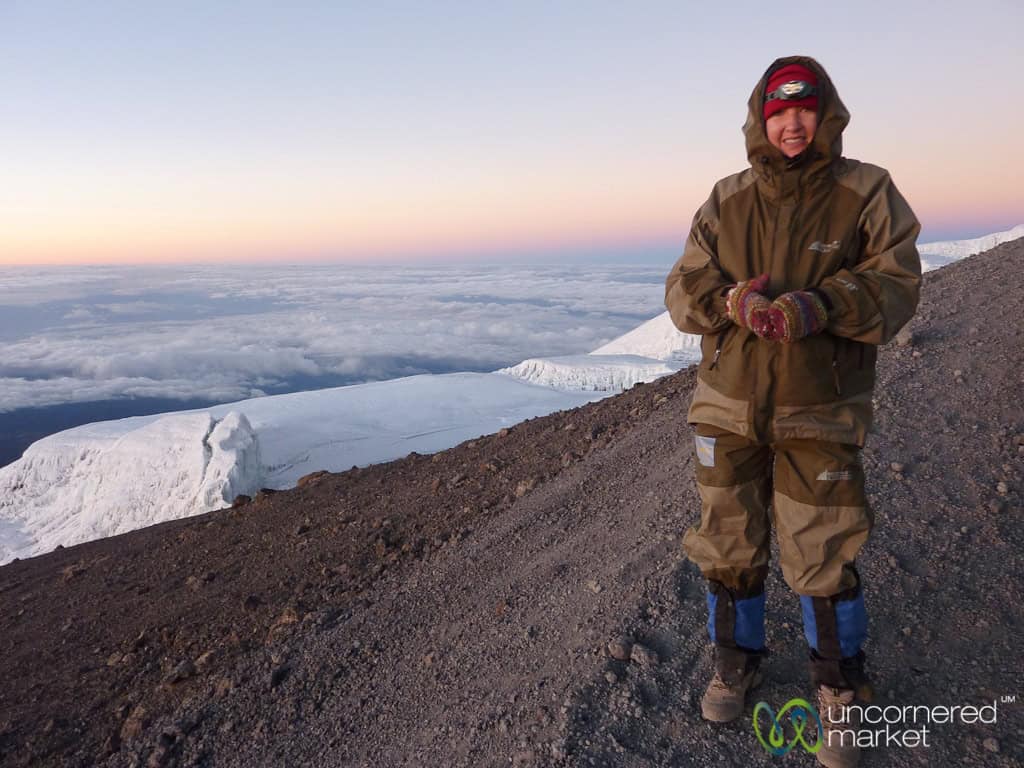
When trekking in winter conditions or at high latitudes, the requirements for survival gear increase exponentially. Research into cold-weather physiology indicates that the primary danger is not just the ambient temperature, but the combination of wind chill and moisture. For treks where temperatures drop below freezing, a sleeping bag with a "comfort" rating of at least -10°C (15°F) is essential.

Additional equipment for winter conditions includes:
- Shoe Gaiters: Necessary to prevent snow from entering the boot and causing frostbite or foot rot.
- Traction Cleats (Crampons): Crucial for traversing ice-covered trails.
- Waterproof Insulation: Hands and extremities require specialized, breathable waterproof protection to prevent hypothermia.
- Adhesive Warmers: Chemical heat packs serve as a vital emergency backup for individuals with poor circulation in extreme environments.
Medical Preparedness and First Aid
A professional-grade first aid kit for a multi-day trek must be tailored to the specific region. While general supplies such as adhesive bandages, antiseptic wipes, and blister-management tape (like moleskin or duct tape) are universal, the inclusion of region-specific medications is vital. Statements from medical professionals in the travel industry emphasize that hikers should consult with a travel clinic prior to departure to secure appropriate antibiotics, rehydration salts, and altitude-sickness medication. The ability to manage minor injuries, such as "hot spots" on the feet, immediately upon detection is the most effective way to prevent debilitating blisters that could otherwise force an early exit from the trail.
Broader Implications of Responsible Trekking
The impact of mass tourism on fragile mountain ecosystems has prompted a global re-evaluation of hiking practices. Beyond the reduction of physical waste, hikers are expected to adhere to "Leave No Trace" principles. This includes proper waste disposal, respect for local customs in host communities, and the utilization of local service providers to ensure that the economic benefits of trekking remain within the communities that steward the land.
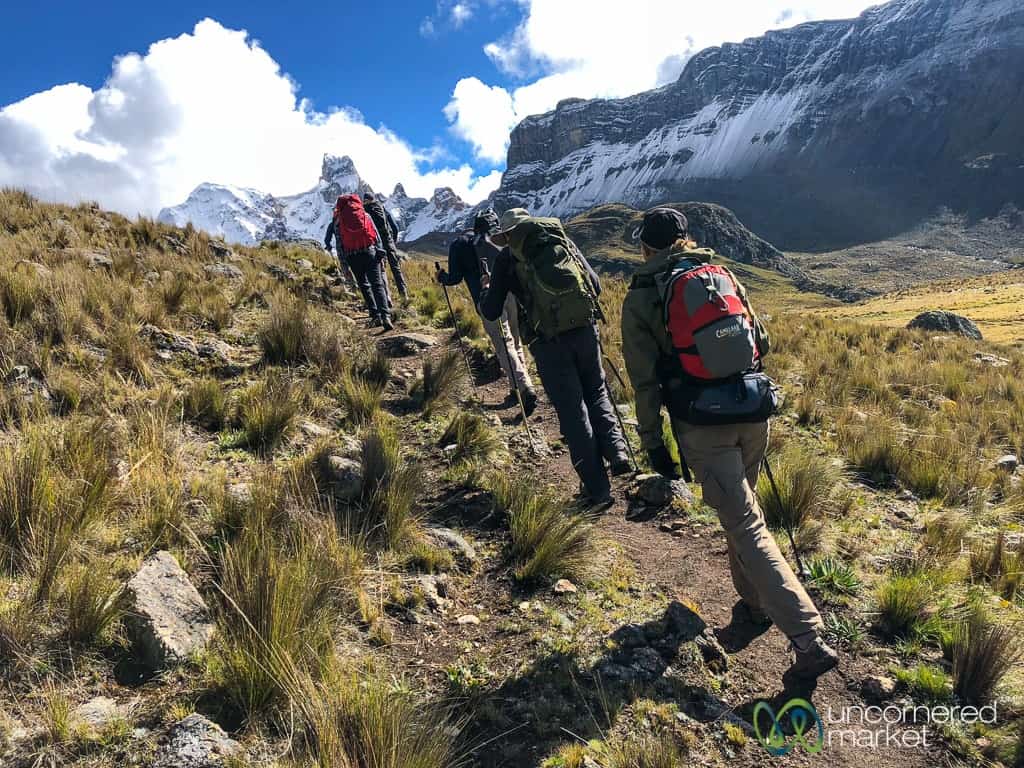
In conclusion, the transition from an amateur to a seasoned trekker is defined by the ability to curate a gear list that is light enough to facilitate movement, yet robust enough to handle environmental contingencies. By focusing on essential, high-quality, and sustainable gear—and by prioritizing local rental options for specialized equipment—hikers can ensure their safety while minimizing their ecological footprint. Preparation is not merely about having the right items; it is about the disciplined application of knowledge regarding the environment and the limitations of one’s own physical and technical capabilities.