Orlando, Florida, is poised to host an expansive array of events and ongoing cultural experiences throughout Black History Month, commencing in late January and extending through February. The destination’s commitment to honoring Black history and culture is evident in its dynamic lineup of commemorations and celebrations, offering both residents and visitors profound opportunities to engage with Orlando’s rich Black heritage. This comprehensive approach integrates limited-time exhibitions, live performances, year-round cultural attractions, historic tours, and a thriving network of Black-owned businesses, ensuring that the spirit of Black History Month resonates far beyond the designated period. Additional information regarding Orlando’s Black History Month programming and year-round cultural experiences is readily available at VisitOrlando.com.
The Enduring Significance of Black History Month
Black History Month, observed annually in February, stands as a critical period for celebrating the immense contributions and recognizing the profound struggles of African Americans throughout U.S. history. Its origins trace back to 1926 when historian Carter G. Woodson and the Association for the Study of Negro Life and History initiated "Negro History Week." This observance was strategically chosen to coincide with the birthdays of Abraham Lincoln and Frederick Douglass, two figures central to the abolitionist movement. The week-long recognition expanded into a month-long celebration in 1976, during the nation’s bicentennial, under President Gerald Ford, who urged Americans to "seize the opportunity to honor the too-often neglected accomplishments of Black Americans in every area of endeavor throughout our history."
For Orlando, a city renowned for its diverse tourism offerings, Black History Month represents a vital opportunity to highlight the often-overlooked narratives and achievements within its own community. It serves as a powerful reminder that history is not monolithic, and the fabric of American society is deeply interwoven with the experiences and innovations of African Americans. The events curated in Orlando aim to educate, inspire, and foster a deeper understanding of this heritage, reflecting a broader national movement towards inclusive historical narratives.
A Rich Tapestry of Events: Black History Month in Focus
Central Florida locals and visitors alike are invited to immerse themselves in a diverse calendar of events designed to pay tribute to African American culture through exclusive musical performances, thought-provoking art exhibits, and interactive community gatherings.
The EPCOT International Festival of the Arts, running from January 16 to February 2, sets an early tone for cultural celebration. Within this vibrant festival, guests can discover an array of works created in honor of Black History Month, featuring unique artistic interpretations of beloved Disney scenes and characters. This initiative underscores Disney’s commitment to diversity and representation within its iconic universe. The festival’s musical component further amplifies this theme, with acclaimed DISNEY ON BROADWAY stars such as Jelani Remy and Kissy Simmons (from The Lion King), Anastacia McCleskey (Tarzan), and James Monroe Iglehart (Aladdin) performing songs they helped make famous, bridging the world of theatrical performance with historical commemoration.
A cornerstone of Orlando’s Black History Month calendar is the annual ZORA! Outdoor Festival of the Arts, a three-day cultural celebration held from January 30 to February 1. This festival transforms Historic Eatonville—the first African American incorporated municipality in the United States—into a vibrant open-air museum. Attendees can explore an international marketplace, peruse arts and crafts booths, and enjoy live performances that celebrate the legacy of Zora Neale Hurston, one of the most significant authors of the Harlem Renaissance, who called Eatonville home. The festival serves as a powerful testament to community resilience and artistic expression rooted in a unique historical context.
The performing arts take center stage at The Dr. Phillips Center for the Performing Arts, specifically at its intimate Judson’s Live venue. On February 3, acclaimed vocalist Brandon Martin presents Lift Every Voice and Sing!—a stirring and uplifting musical portrait of the African American experience. This performance embodies the spirit of the unofficial Black national anthem, echoing themes of hope, struggle, and triumph. The venue also hosts a variety of other significant performances throughout the month, including the free MLK Gospel Concert on February 22, a celebration of faith and freedom through music. Grammy Award-winning hip-hop DJ and producer Pete Rock brings his legendary beats on February 20, showcasing the profound impact of hip-hop on global culture. New Orleans-style jazz group Trombone Shorty & Orleans Avenue deliver an electrifying performance on February 21, while jazz vibraphonist Joel Ross captivates audiences on February 26, collectively demonstrating the rich and diverse musical heritage of Black artists.
Visual arts are central to the commemoration with The African Americans and the Arts Exhibition, running from February 3 to March 31 at the Terrace Gallery at Orlando City Hall. This exhibition provides a crucial platform for local artists to explore and celebrate African American history through their work. It highlights the lasting contributions Black Americans have made across various artistic disciplines—visual arts, performing arts, literature, film, music, and cultural movements. This year’s exhibition features 48 works by 28 local visual artists, all inspired by the 2026 national Black History Month theme, "A Century of Black History Commemorations," offering a forward-looking perspective on historical remembrance.
Beyond the arts, the NBA’s Orlando Magic will join the celebration on February 5 during their game against the Brooklyn Nets at Kia Center. This event will honor the history, achievements, and resilience of the Black community through special performances and cultural recognitions, demonstrating how major sports franchises can contribute to civic and cultural awareness.
The Orange County Regional History Center offers a series of programs designed to delve into local Black history. History Alive: Soul of the Sunshine State on February 7 is a special tribute to the trailblazers who shaped the Central Florida region, bringing local narratives to life. The Brechner Speaker Series on February 8 will trace the fascinating journey of the Nightingale family, offering a glimpse into specific family histories that contribute to the broader historical tapestry. For younger audiences and those with sensory sensitivities, Sensory Sunday on February 15 celebrates Black animators and storytellers through engaging, sensory-friendly activities, ensuring inclusivity in historical education.
For family audiences, Orlando Family Stage presents Tiara’s Hat Parade on select dates from February 7-22. This family-friendly production, based on the children’s book of the same name, celebrates Black culture and innovation. It tells the inspiring tale of young Tiara, who uses kindness, creativity, artistry, and community spirit to help her mother revive her hat-making business, conveying valuable lessons through an engaging narrative.
Finally, the Timucua Amplifies Black Voices is a four-day event spanning February 13-14 and 20-21 at the Timucua Arts Foundation in downtown Orlando’s SoDo District. This initiative promises a diverse array of performances by Black American artists, including jazz musicians, R&B singers, classical music groups, and features a resident visual artist, showcasing the breadth and depth of contemporary Black artistic talent.
Year-Round Immersion: Orlando’s Permanent Cultural Attractions
Orlando’s dedication to celebrating African American culture extends far beyond the month of February, offering numerous opportunities for visitors and locals to explore its rich history throughout the year. These permanent attractions serve as vital educational resources and cultural touchstones.
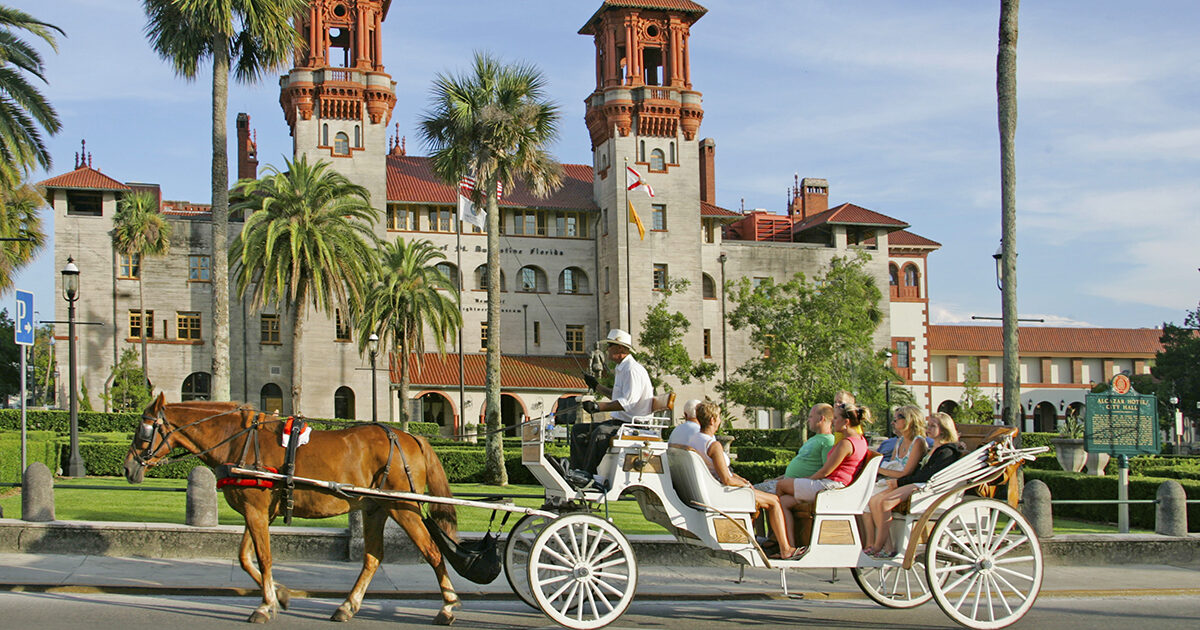
Just outside the main tourism districts lies the historic town of Eatonville, a truly unique and significant locale. Founded in 1887, it holds the distinction of being one of the country’s first self-governing African American communities, a beacon of self-determination and enterprise in the post-Reconstruction South. Eatonville is famously the hometown of celebrated author Zora Neale Hurston, whose literary works vividly captured the nuances of African American life and folklore. Today, the town honors Hurston’s memory through the Zora Neale Hurston National Museum of Fine Arts, which not only showcases her life and legacy but also displays work by legendary and emerging artists of African descent. While the ZORA! Festival is a highlight, the museum and community host other events throughout the year, such as HATitude Cultural Flair on October 17, ensuring continuous engagement with its rich heritage.
Parramore, Orlando’s oldest and largest African American neighborhood, stands as the only Commercial National Registered Historic District in Orlando. Its streets are lined with a diverse collection of historic buildings, each telling a part of the community’s story. Central to Parramore’s historical narrative is the Wells’ Built Hotel, now transformed into the Wells’ Built Museum of African American History and Culture. This museum is dedicated to preserving the memory of Orlando’s African American heritage, particularly its role in the Civil Rights movement. The hotel itself was a crucial stop on the "Green Book" circuit, providing safe and welcoming accommodations for Black travelers and performers during segregation. Today, the museum houses a collection of Civil Rights artifacts and memorabilia, offering a poignant look into the struggles and triumphs of the era.
The Orange County Regional History Center features a permanent African American history exhibit that meticulously highlights the triumphs and tragedies of African Americans in Central Florida’s past. This exhibit provides a foundational understanding of the local Black experience, from early settlement to modern-day contributions. A particularly compelling feature is the display of luminous paintings by the Florida Highwaymen. This group of 26 self-taught African American landscape artists, largely based in Fort Pierce, Florida, began painting in the 1950s. They developed a distinctive style, selling their vibrant works door-to-door from the trunks of their cars along Florida’s highways, as galleries of the time were largely closed to Black artists. Their story is one of artistic resilience, entrepreneurial spirit, and overcoming racial barriers, with their collective body of work now recognized as a significant chapter in American art history.
Another historically significant community is Historic Hannibal Square, founded for Black families in 1881. It is home to the Hannibal Square Heritage Center, which serves as a vital repository of the district’s origins and ongoing narrative. The center welcomes visitors to explore its permanent exhibition, the "Heritage Collection: Photographs and Oral Histories of Winter Park," which meticulously documents the lives, hardships, and triumphs of the city’s African American community through archival photos and recorded interviews. This collection preserves their unique contributions and history for future generations. The Heritage Center also offers guided walking tours of the historic landmarks of "West Winter Park," providing insightful narratives about the African American community from the 1900s to the present. Further enriching the community experience, the SOKO Marketplace every Saturday morning offers small-business shopping, free yoga, food, and music, with proceeds supporting the development of culturally relevant programming for Hannibal Square’s historic African American community.
Orlando also embraces Juneteenth (June 19) celebrations throughout the city, particularly in Eatonville and Hannibal Square. Also known as Freedom Day, Jubilee Day, Liberation Day, and Emancipation Day, Juneteenth commemorates June 19, 1865, when Union General Gordon Granger arrived in Galveston, Texas, and announced the freedom of enslaved people—more than two years after the Emancipation Proclamation. Its growing recognition across the nation, and especially in Orlando’s historic Black communities, underscores a deepened commitment to acknowledging this pivotal moment in American history.
Economic Empowerment: Supporting Black-Owned Businesses
An integral part of celebrating Black history and culture is fostering economic empowerment within the community. Orlando’s exploding food scene and vibrant retail landscape are home to a multitude of Black-owned businesses offering diverse flavors and unique products, providing tangible ways for visitors and locals to show their support.
For fans of BBQ and Southern comfort food, Pete’s Famous BBQ in Downtown Orlando offers classic weekend dining. Seafood and wing enthusiasts can support Stonington’s Fried Shrimp in Metro West, known for its delectable offerings. Chicken Fire in Orlando specializes in the popular Nashville-style hot chicken, delivering a spicy kick.
Those craving Caribbean-inspired eats have an array of options, including Mark’s Jamaican Bar & Grill or Virgin Island Thyme in East Orlando, and Oley’s Kitchen in Downtown Orlando, each offering authentic island flavors.
For traditional soul food, Nikki’s Place stands out, having been featured in Orlando’s Kitchens: Recipes and Stories From Our Neighborhoods, a testament to its culinary significance. Other beloved soul food establishments include P&D Soul Food Kitchen in Downtown Orlando and Soul Food Fantasy on Orange Blossom Trail, all serving hearty, comforting dishes steeped in tradition.
Health-conscious diners can find a nutritious option at Vitality Bowls in the Dr. Phillips area, while those with a sweet tooth can head to downtown Orlando for the award-winning Sister Honey’s, a bakery renowned for its pies, cookies, and pastries.
The District GastroBar in Downtown Orlando offers a unique dining experience that pays homage to old-world American taste and cuisine. Notably, its location is steeped in musical history, as legendary musicians like Ella Fitzgerald, Louis Armstrong, Ray Charles, and B.B. King once performed at the South Street Casino that stood nearby, connecting modern culinary experiences with a rich cultural past.
Beyond dining, Orlando’s Black-owned businesses extend to retail and services. The Pretty Peacock Paperie in Winter Park specializes in custom stationery and invitations, offering personalized elegance. The Naked Bar Soap Co. provides all-natural bath and body care products made from sustainable ingredients, emphasizing wellness and environmental consciousness. For floral needs, Bloom in Glory is a full-service floral design company ready to create stunning arrangements. Supporting these businesses is a direct way to contribute to the economic vitality and entrepreneurial spirit of Orlando’s Black community.
Broader Impact and Implications
Orlando’s comprehensive approach to Black History Month and year-round cultural programming has significant implications for both the local community and the city’s standing as a major tourist destination. By actively curating and promoting these experiences, Orlando is fostering a more inclusive and historically aware environment. This commitment strengthens community pride, particularly within historic Black neighborhoods like Eatonville and Parramore, by celebrating their foundational role and ongoing contributions.
From an economic perspective, the emphasis on supporting Black-owned businesses creates a virtuous cycle, channeling tourist and local spending directly into these enterprises, thereby fostering growth and economic equity. Culturally, the diverse range of events—from high-profile Disney performances to intimate jazz concerts and historical museum exhibits—ensures that Black history and artistic expression are accessible and celebrated across various platforms and demographics.
Furthermore, this sustained effort positions Orlando not merely as a theme park capital but as a destination rich in cultural heritage and educational opportunities. It encourages a deeper, more meaningful engagement with the city, inviting visitors to explore its authentic historical narratives beyond its renowned attractions. The continuous updates provided by VisitOrlando.com serve as a vital resource, ensuring that both locals and tourists can stay informed and participate in this ongoing celebration of Black history and culture, which truly enriches the fabric of the entire destination.