A Unique Glimpse into Basra’s Heart: The Al Hasun Museum Offers an Unforgettable Cultural Experience

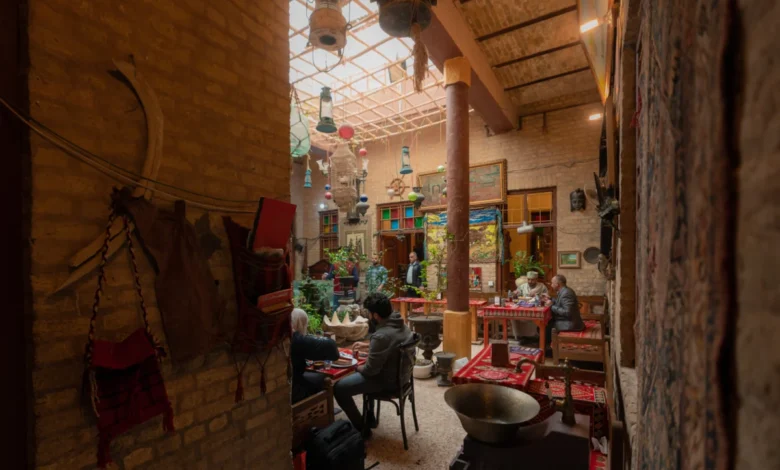
Basra, Iraq – Amidst the burgeoning cultural landscape of Basra, a city steeped in history and resilience, the Al Hasun Museum stands as a testament to the enduring spirit of preservation and personal passion. This unassuming, privately-owned establishment, housed within a beautifully restored traditional Basrawi home, has emerged as a must-visit destination for those seeking an authentic connection with the region’s heritage. Far from a sterile repository of artifacts, the Al Hasun Museum offers an immersive experience, blending the charm of a personal collection with the warmth of Iraqi hospitality, making it a highlight for many visitors to this ancient port city.
The genesis of the Al Hasun Museum lies in the lifelong dedication of its owner, Mr. Hasun, a resident of Basra whose profound love for his city and its history has led him to meticulously gather thousands of items. These are not objects chosen for their market value, but rather for their personal significance, their connection to the fabric of Iraqi life, and their ability to tell a story. The museum, therefore, functions less as a formal institution and more as a vibrant, living extension of Mr. Hasun’s home and his personal journey. This intimate approach sets it apart from larger, state-run museums, offering a more direct and personal encounter with the past.
A particularly memorable aspect of visiting the Al Hasun Museum is the invitation to explore Mr. Hasun’s private collection, a “secret room” that reveals the depth and breadth of his curatorial passion. This unique offering, facilitated by the museum’s manager who navigates a delicate language barrier with practiced grace, transforms a typical museum visit into an intimate exploration. The journey to this private sanctuary often involves navigating through the museum’s café area, a bustling space where traditional Iraqi breakfast dishes, such as the hearty bagila bil dihin (a fava bean and egg medley), are served alongside fragrant chai to early morning visitors. This fusion of museum and café creates a dynamic atmosphere, alive with the sounds of conversation and the aromas of local cuisine, reflecting the integrated nature of cultural and social life in Basra.
Within the confines of the “secret room,” visitors are treated to a visual feast of eclectic treasures. Functional antique items, such as a wooden gramophone from the 1950s, stand alongside deeply personal artifacts like prayer beads that release a subtle scent of saffron when handled. The collection is a testament to Mr. Hasun’s diverse interests, showcasing a blend of everyday objects that have become historically significant, and more overtly valuable items, such as a solid gold pistol discreetly placed on a bed. This juxtaposition of the mundane and the extraordinary underscores the museum’s ethos: every object, regardless of its perceived monetary worth, holds a story and a place within the broader narrative of Basra.
The experience is further enriched by Mr. Hasun’s personal touch. Despite the linguistic challenges, he enthusiastically shares the provenance and significance of his favorite pieces, often offering small tokens of appreciation to his guests. Crystal bowls filled with individually wrapped, vintage candies are a recurring gesture, and it is not uncommon for visitors to leave with a tangible memento of their visit, such as a silver ring with a warm gemstone, a symbol of the enduring hospitality and generosity that defines the Al Hasun Museum. This act of gifting transforms the visitor from a passive observer to an active participant in the museum’s unfolding narrative.
A Chronology of Discovery and Connection
The establishment of the Al Hasun Museum is not marked by a specific, publicly documented founding date, but rather represents a continuous process of collection and curation spanning several decades. Mr. Hasun’s passion for collecting began organically, likely in his youth, fueled by a desire to preserve the disappearing remnants of Basra’s rich past. The transformation of a traditional Basrawi house into a public-facing museum is a more recent development, driven by Mr. Hasun’s willingness to share his life’s work with the wider community and with international visitors.
The museum’s current operational phase, characterized by its dual role as a museum and a breakfast café, reflects a strategic adaptation to modern visitor expectations and economic realities. This innovative approach allows the museum to sustain itself while offering a more comprehensive cultural experience. The timing of visits is crucial, as the museum primarily operates during morning hours, typically from 7:00 AM to 12:00 PM daily. However, special events or local festivals, such as the Gulf Football Cup mentioned in anecdotal accounts, can extend these hours, highlighting the museum’s flexibility and integration with local life.
The restoration of the surrounding old city of Basra, with UNESCO involvement, is creating a dynamic environment for heritage sites like the Al Hasun Museum. This ongoing urban renewal project, while leading to temporary construction, signals a broader commitment to preserving Basra’s historical urban fabric. As more traditional houses are restored, the Al Hasun Museum is poised to become part of a network of cultural attractions, drawing greater attention to the city’s unique architectural and historical legacy.
Supporting Data: The Cultural Significance of Basra
Basra, situated in southern Iraq at the confluence of the Tigris and Euphrates rivers (known collectively as the Shatt al-Arab), boasts a history stretching back to the early Islamic period. Founded in 636 AD, it was a crucial port city and a center of trade and learning for centuries. Its strategic location made it a vital gateway for goods and ideas flowing between Mesopotamia, the Persian Gulf, and beyond. The city’s architectural heritage reflects this long and complex history, with many traditional houses showcasing distinct regional styles.
The collection at the Al Hasun Museum, though privately curated, offers a microcosm of this broader heritage. While specific figures on the exact number of artifacts are not publicly available, the description of “thousands of items” suggests a substantial collection. The types of objects mentioned – antique furniture, musical instruments, religious items, personal adornments, and even weaponry – are representative of the material culture that has defined life in Basra and Iraq over the past century and more. The inclusion of items from abroad hints at Basra’s historical role as a cosmopolitan trading hub.
The museum’s operational hours, though limited, are typical for many smaller, privately run cultural sites in regions where tourism infrastructure is still developing. This necessitates careful planning for visitors, underscoring the importance of the provided information regarding morning operation and potential extensions during peak periods.
Official Responses and Broader Impact
While there are no direct official statements from Iraqi governmental bodies regarding the Al Hasun Museum specifically, its existence and operation align with broader national and international efforts to promote cultural heritage preservation and tourism. The involvement of UNESCO in the restoration of Basra’s old city demonstrates a significant governmental and international commitment to safeguarding historical sites. The Al Hasun Museum, by preserving and showcasing local heritage, contributes to this larger objective.
The museum’s impact extends beyond mere artifact display. It serves as a vital cultural ambassador for Basra, offering a positive and nuanced portrayal of the city and its people to international visitors. In a region that has faced significant challenges, such as conflict and economic hardship, institutions like the Al Hasun Museum play a crucial role in fostering a sense of pride, continuity, and hope. They demonstrate that cultural heritage is not just a relic of the past but a dynamic force that can contribute to present-day identity and future development.
The café aspect of the museum also contributes to the local economy by providing employment and supporting the culinary traditions of Basra. The integration of a food and beverage service within a cultural space is a model that has proven successful in many parts of the world, enhancing the visitor experience and generating revenue for the preservation and operation of the site.
Analysis of Implications: A Model for Cultural Preservation
The Al Hasun Museum represents a compelling model for cultural preservation, particularly in contexts where formal institutional support may be limited. Mr. Hasun’s personal dedication, combined with an adaptive operational strategy that incorporates hospitality and local cuisine, has created a sustainable and engaging cultural attraction. This approach highlights the potential of private initiative in safeguarding heritage.
The museum’s success also underscores the importance of personal narratives in understanding history. By sharing his private collection, Mr. Hasun allows visitors to connect with the past on a human level, moving beyond abstract historical facts to understand the lived experiences of people in Basra. This intimate approach fosters a deeper appreciation for the cultural heritage and can inspire a sense of stewardship among visitors.
Furthermore, the museum’s location within the old city of Basra, a district undergoing significant restoration, positions it as a key player in the revitalization of this historic area. As UNESCO and other organizations work to restore the architectural integrity of Basra, the Al Hasun Museum stands as a vibrant example of how these restored spaces can be brought back to life through cultural programming and community engagement. The success of such privately-run initiatives can encourage further investment and development in the heritage sector, creating a virtuous cycle of preservation and economic benefit. The future of Basra’s cultural landscape appears brighter with the continued dedication of individuals and institutions like the Al Hasun Museum, offering a unique window into the soul of this historic Iraqi city.
Related posts: