Many photographers instinctively reach for their camera bags when the first drops of rain begin to fall, viewing inclement weather as an impediment to capturing compelling images. However, this common practice represents a significant missed opportunity. The reality is that rainy conditions can dramatically alter the urban environment, imbuing scenes with a unique mood, enhanced visual depth, and a wealth of dynamic elements that often remain dormant under clear skies. This article explores the artistic potential of rainy day photography, drawing upon recent experiences in Bilbao, Spain, and highlighting how embracing the elements can lead to some of a photographer’s most memorable and impactful work. The photographic examples featured were captured using a Nikon Z6 III, a camera body renowned for its robust weather sealing, which instills confidence when operating in damp conditions.
The Transformative Power of Rain on Urban Mood
The arrival of rain fundamentally shifts the atmosphere of a city, often injecting a palpable sense of mood where flat, overcast light might otherwise render scenes lifeless. The diffuse, even illumination of a cloudy day can lead to a lack of contrast and visual interest. However, the onset of precipitation can awaken a dormant urban canvas. Streets, typically utilitarian surfaces, are transformed into reflective canvases, mirroring the surrounding architecture and light sources. The ubiquitous presence of umbrellas introduces vibrant splashes of color and dynamic shapes, creating focal points and adding a graphic quality to compositions. Furthermore, the behavior of city dwellers changes noticeably in the rain. The urgency to seek shelter, the playful or combative interactions with umbrellas in windy conditions, and the altered pace of pedestrian movement all present abundant photographic opportunities, revealing the human element within the altered urban narrative.
A recent series of photographs taken in Bilbao vividly illustrates this transformation. One particular image, captured at night during a downpour, showcases a street scene where the abundance of reflected light creates an almost HDR-like quality. The wet asphalt acted as a vast mirror, amplifying the glow from streetlights and neon signage. Minimal post-processing was required to achieve a visually striking image, demonstrating how the rain itself can enhance the inherent visual richness of a scene. This effect is not merely anecdotal; meteorological data from regions like the Pacific Northwest of the United States, known for its frequent rainfall, consistently show an increase in atmospheric moisture during autumn and winter months, which correlates with shifts in ambient light and reflectivity, offering a prolonged period for photographers to explore these visual phenomena.
The Symphony of Reflections: Unlocking Depth and Abstraction
One of the most significant visual gifts of rain is its ability to turn ordinary streets into expansive reflective surfaces. This phenomenon is particularly pronounced at night, when artificial lights are abundant. The wet pavement acts as a mirror, capturing and multiplying the vibrant hues of neon signs, storefront displays, and traffic lights. This creates an almost painterly or cinematic effect, transforming mundane urban corridors into compositions reminiscent of classic film noir or the abstract works of artists like Vincent van Gogh. The interplay of light and water can generate intricate patterns and unexpected color combinations, offering photographers the chance to create abstract compositions from everyday urban elements.
Beyond the streets, puddles become miniature canvases, reflecting not only the overhead lights but also the figures of pedestrians hurrying through the downpour. These reflections add a crucial layer of depth and visual complexity to otherwise ordinary scenes. They create a sense of dimensionality, drawing the viewer’s eye into the image and inviting them to explore the nuances of the reflected world. This is a recurring theme in urban photography; studies on visual perception indicate that layered imagery and the presence of reflective elements can significantly increase viewer engagement and the perceived richness of a photograph.
Practical Applications for Capturing Reflections
- Night Photography: Utilize the abundance of artificial light sources to create dynamic reflections on wet streets. Experiment with longer exposures to capture light trails from vehicles, further enhancing the sense of motion and abstraction.
- Puddle Photography: Look for interesting reflections within puddles. The distortion caused by the water’s surface can add an artistic touch. Consider low-angle shots to emphasize the reflections.
- Foreground Interest: Use reflections in puddles or wet surfaces as a leading line or foreground element to guide the viewer’s eye through the scene.
Umbrellas: Graphic Elements and Storytelling Tools
Umbrellas, an essential accessory during rain, become potent graphic elements in street photography. Their diverse shapes, sizes, and most importantly, their colors, add a vibrant and dynamic layer to urban scenes. A solitary brightly colored umbrella against a backdrop of muted, grey architecture can serve as a powerful focal point, drawing immediate attention. Simultaneously, umbrellas are powerful narrative tools, inherently communicating the presence of bad weather and the human response to it.
Photographers can exploit umbrellas in numerous ways. A single individual holding a vibrant umbrella can create a strong silhouette against a colorful background, especially when backlit by streetlights. Alternatively, a group of umbrellas can be captured using a slower shutter speed, resulting in a beautiful blur of color in motion, conveying the energetic movement of pedestrians navigating the rain. The opportunities for creative composition are virtually limitless, allowing for both literal and abstract interpretations of the urban environment during a downpour.
The visual impact of umbrellas is well-documented in studies of graphic design and visual art. Their inherent geometric forms and potential for bold color application make them ideal subjects for creating visually arresting images. This aligns with the principles of composition that emphasize line, shape, and color to create impact.
Creative Approaches with Umbrellas
- Color Contrast: Position individuals with brightly colored umbrellas against monochromatic or muted backgrounds to create strong visual contrast.
- Motion Blur: Employ slower shutter speeds (e.g., 1/15 to 1/4 second) to capture the movement of umbrellas, creating streaks of color that convey dynamism.
- Silhouettes: Utilize backlighting from streetlights or passing vehicles to create striking silhouette shots of individuals with umbrellas.
- Pattern Recognition: Observe patterns created by multiple umbrellas, looking for repeating shapes and lines that can form abstract compositions.
Observing from the Inside: Framing the Outside World
Rainy days also present unique opportunities for photographers to observe and capture the urban environment from the relative comfort of sheltered locations. Cafés, bars, shop doorways, or even the shelter of an archway can serve as excellent vantage points. Shooting through windows or doorways adds an additional layer to the composition, often introducing reflections from the interior lighting that can interact with the external scene.
The act of framing the external world through an internal aperture, such as a window or doorway, can imbue an image with a cinematic quality. This layering technique adds depth and complexity, guiding the viewer’s eye and creating a sense of perspective. It allows for a more deliberate and contemplative approach to photography, offering ample time to observe the unfolding scene and wait for the opportune moment. This "fishing" technique, as it’s sometimes called, involves patience and a keen eye for composition.
During the Bilbao trip, sheltering in a coffee shop provided an ideal opportunity to photograph the street from behind a window. The rain was heavy, and the reflections from the café’s interior lights added an abstract quality to the external scene. This perspective allowed for a sustained period of observation, waiting for subjects to enter the frame. The deliberate act of waiting and composing can lead to images that are both aesthetically pleasing and narratively rich.
Embracing Slow Shutter Speeds and Abstraction
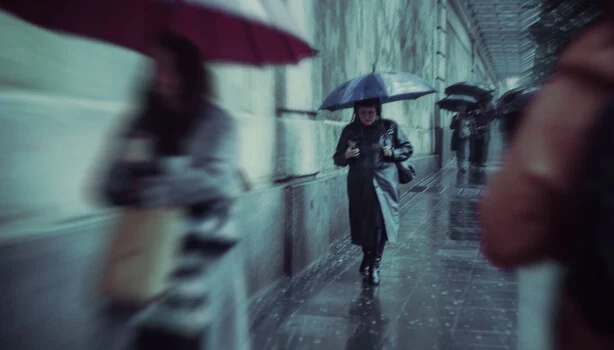
Influenced by photographers like Saul Leiter, who famously embraced abstraction and ambiguity in his work, rainy conditions are particularly conducive to experimenting with slow shutter speeds. Handheld shooting at speeds ranging from 1/4 to 1/50 of a second can introduce a beautiful sense of motion blur, transforming ordinary movements into painterly streaks of color. This approach shifts the focus from sharp, literal representation to a more impressionistic and evocative portrayal of the scene.
One specific example from the Bilbao trip involved sitting in a coffee shop and waiting for pedestrians to pass. Using a shutter speed of 1/15 of a second, the photographer captured individuals rushing by, their forms rendered as blurred figures against a more defined background. This technique effectively emphasizes the hurried nature of movement in the rain, creating a dynamic and visually compelling image. The historical context of photography reveals a gradual acceptance of motion blur as a valid artistic technique, moving beyond the initial pursuit of absolute sharpness.
The Legacy of Saul Leiter: Embracing Ambiguity in the Rain
The work of Saul Leiter stands as a testament to the artistic potential of rainy day photography. Leiter, a pioneer of color photography, was a master at finding abstract beauty in the mundane, particularly in adverse weather conditions. He was drawn to the visual elements that rain brings forth: umbrellas, reflections, fogged windows, and partially obscured figures. His most celebrated works often focus on subtle details, such as raindrops on a misted windowpane, where condensation blurs the background and softens the overall image, creating a painterly effect imbued with mystery. Leiter’s mastery of color and layering, combined with his ability to isolate fleeting moments and intimate details, offers a profound lesson for contemporary photographers.
A key takeaway from Leiter’s oeuvre is the encouragement to embrace abstraction and ambiguity. Rather than striving for absolute clarity, photographers can find immense creative freedom in exploring the suggestive and the undefined. Rainy conditions naturally lend themselves to this approach, blurring boundaries and softening edges, allowing for a more interpretive and emotionally resonant form of image-making. Leiter’s influence is seen in countless contemporary photographers who utilize similar techniques to create evocative and atmospheric urban scenes.
Tips for Embracing Abstraction
- Focus on Details: Look for the small, often overlooked elements that are enhanced by rain, such as water droplets, reflections in small puddles, or the texture of wet surfaces.
- Soften the Background: Utilize shallow depth of field or intentional camera movement to create a blurred, impressionistic background that contrasts with a sharper foreground subject.
- Embrace Imperfection: Don’t shy away from elements like fogged windows or slightly out-of-focus elements. These can contribute to a moodier and more artistic feel.
Practical Considerations and Essential Gear
When venturing out for rainy day photography, practical considerations regarding equipment and personal protection are paramount. Keeping oneself and one’s camera dry is essential for both comfort and the longevity of the gear.
The Umbrella: A photographer’s most indispensable tool in the rain is, unsurprisingly, an umbrella. This often necessitates a one-handed shooting approach, holding the umbrella in the other. This can present challenges, especially when using manual focus lenses, as precise focusing can become difficult.
Focusing Solutions: For those who prefer manual lenses, “zone focusing” can be an effective technique. This involves pre-focusing the lens to a specific distance and then maintaining that focus as subjects move within that zone. However, autofocus lenses significantly simplify the process, making them a more practical choice for many in rainy conditions.
Camera and Lens Sealing: Modern cameras often boast weather sealing, offering a degree of protection against light rain. However, it is crucial to remember that weather sealing is only effective when both the camera body and the lens are sealed. A weather-sealed camera body paired with a non-sealed lens will still be vulnerable to water ingress.
The Nikon Z6 III, used for the Bilbao photographs, is a robust, weather-sealed camera body. It has proven reliable in numerous rainy excursions, performing comparably to its predecessor, the Nikon Z6 II, and even the flagship Nikon Z9, both known for their durability in challenging conditions. The Viltrox AF 40mm f/2.5 lens, while a convenient and compact option for street and travel photography, is not as weather-sealed. While it can handle light showers, for more demanding conditions, Viltrox offers Pro and Lab models with enhanced weather resistance, suitable for Nikon, Sony, and Fujifilm mounts.
For photographers seeking a compact camera capable of withstanding extreme weather, including heavy rain, Leica’s Q2 and Q3 models are exceptional choices. These cameras feature sealed, fixed lenses and possess an IP53 rating, indicating a significant level of protection against dust and water spray. The author has found comparable confidence shooting in harsh conditions with a Leica Q2 Monochrom as with a Nikon Z9.
Prudent Protection: Ultimately, it is advisable to avoid prolonged exposure of any camera to heavy rain. When shooting with a tripod without an umbrella, covering the camera and lens with a cleaning cloth or a shower cap can provide an additional layer of protection. Prudence remains the best policy.
Gear Recommendations and Best Practices
- Weather-Sealed Camera Body: Invest in a camera body with a good weather-sealing rating.
- Weather-Sealed Lenses: Ensure your lenses are also weather-sealed to complement the camera body.
- High-Quality Umbrella: A sturdy, large umbrella is essential for both personal and equipment protection.
- Lens Hood: A lens hood can offer some physical protection against direct rain hitting the front element of the lens.
- Microfiber Cloths: Keep a supply of microfiber cloths to wipe down the camera and lens as needed.
- Camera Cover/Rain Sleeve: For very heavy rain or extended shooting periods, a dedicated rain cover or sleeve can provide maximum protection.
- Zone Focusing (Manual Lenses): If using manual lenses, practice zone focusing techniques to maintain focus in dynamic situations.
The narrative of rainy day photography is one of embracing the unexpected and finding beauty in what many perceive as an inconvenience. By understanding the transformative power of rain on light, mood, and urban textures, and by adopting practical strategies for gear and technique, photographers can unlock a rich vein of creative potential. The next time the skies darken and the rain begins to fall, consider it an invitation to explore the city anew, armed with your camera and an open mind. The resulting images may well become some of your most cherished.