Strategies for Planning a Babymoon with a Toddler Before the Arrival of a Second Child

The concept of the "babymoon"—a final vacation taken by expectant parents before the birth of a child—has evolved significantly over the last decade. While the traditional babymoon was once defined as a romantic, couple-centric getaway designed for rest and intimacy, a growing demographic of parents is now navigating the "second babymoon." This specific travel trend involves vacationing while pregnant with a second child while simultaneously managing the needs of a toddler. Unlike the first babymoon, which often focuses on the transition from a couple to a family of three, the second babymoon serves as a transitional period for the family of three before they become a family of four. This shift in family dynamics necessitates a fundamental change in travel strategy, moving from adventurous or high-activity itineraries to those prioritizing convenience, toddler-friendly amenities, and physical ease for the expectant mother.

The Evolution of Pre-Birth Travel Trends
The term "babymoon" was popularized in the 1990s by British antenatal educator Sheila Kitzinger, originally referring to the period of bonding after the baby is born. However, the travel industry successfully rebranded the term to describe a pre-birth vacation. According to market research, the babymoon industry has become a multi-billion dollar segment of the global tourism market. A 2023 survey of expectant parents indicated that approximately 60% of first-time parents plan a pre-birth getaway, and nearly 40% of those expecting their second child intend to take a family-inclusive trip.
Experts in family travel, including Celine Brewer, founder of the specialized resource Baby Can Travel, note that the motivations for a second babymoon differ drastically from the first. "A babymoon with a toddler before baby number two feels a little different," Brewer observes. "This time, you aren’t just thinking about rest and relaxation as a couple. You’re also planning around toddler naps, snacks, and the realities of traveling while pregnant with a little one in tow."

Case Study Comparison: The Shift from Adventure to Ease
To understand the logistical shift required for a second babymoon, analysts often point to the contrast between domestic road trips and international resort stays. The experience of the Brewer family serves as a primary case study in this transition.
The First Babymoon: Active Exploration
During a first pregnancy, physical stamina and the absence of existing childcare responsibilities allow for more rigorous itineraries. In the Brewer case study, the first babymoon consisted of a two-week road trip through British Columbia, Canada. This itinerary included high-activity pursuits such as hiking in Tofino, whale watching in Victoria, and a 12-kilometer trek at Myra Canyon in Kelowna. Because the pregnancy was progressing without significant complications and there were no other children to supervise, the couple could focus on "active adventure," a common theme for first-time babymooners.

The Second Babymoon: Passive Relaxation
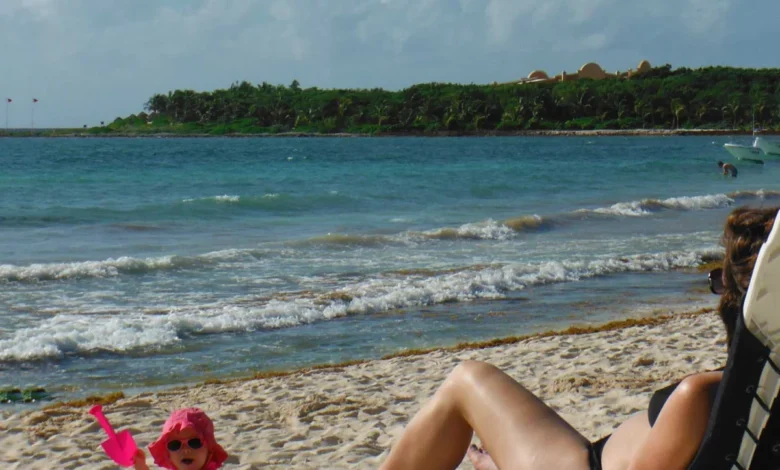
By the second pregnancy, factors such as increased maternal fatigue and the presence of a two-year-old toddler necessitated a pivot. The second babymoon for the same family shifted to an all-inclusive resort in Mexico. The choice of an all-inclusive model was strategic: it eliminated the need for daily meal planning, reduced the physical toll of packing and unpacking across multiple locations, and provided a controlled environment where a toddler could play safely while the pregnant mother rested. This transition highlights a broader trend in the travel industry where "ease of access" replaces "destination novelty" for multi-child families.
Logistical Framework for a Successful Second Babymoon
Planning a trip with a toddler and an expectant mother requires a specialized logistical framework. Travel analysts and medical professionals suggest focusing on three primary pillars: travel duration, accommodation functionality, and itinerary flexibility.

1. Managing Travel Time and Transport
Extended travel days can exacerbate pregnancy symptoms such as edema (swelling) and fatigue, while also testing the patience of a toddler. Medical guidelines from the American College of Obstetricians and Gynecologists (ACOG) recommend that pregnant women walk or stretch their legs every two hours to prevent deep vein thrombosis (DVT).
Road trips offer the most flexibility for frequent stops, but they require careful route planning to ensure access to clean facilities and food. Conversely, air travel requires adherence to airline-specific pregnancy policies. Most carriers allow domestic travel up to 36 weeks, though many experts recommend a "safe window" during the second trimester (weeks 14 through 28), when morning sickness has typically subsided and mobility remains relatively high.

2. Strategic Accommodation Selection
For a second babymoon, the hotel or rental property is more than a place to sleep; it is the primary hub of the vacation. High-value features for this demographic include:
- Separate Sleeping Spaces: A suite or multi-room rental allows parents to stay awake or talk after the toddler’s early bedtime (typically 7:00 PM or 8:00 PM).
- Kitchenette Access: A refrigerator is essential for storing milk, snacks, and leftovers, reducing the stress of finding toddler-appropriate food at odd hours.
- Proximity to Amenities: Accommodations with "zero-entry" pools (sloping entrances) and immediate beach access reduce the physical burden on the pregnant parent.
3. The "One Activity" Rule
A common mistake in second babymoon planning is over-scheduling. Travel experts recommend a "one main activity per day" policy. By scheduling one significant outing in the morning when toddler energy and maternal stamina are highest, the afternoon remains open for naps and low-stakes relaxation. This approach mitigates the risk of "travel burnout" for both the child and the expectant mother.

Medical and Safety Considerations
Safety remains the paramount concern for pre-birth travel. Medical professionals suggest a thorough "pre-travel checklist" before embarking on a second babymoon:
- Medical Records: Carrying a physical or digital copy of prenatal records is advised in case of an emergency in a different jurisdiction.
- Destination Safety: For international travel, checking the CDC’s notices regarding Zika virus and water safety is critical, as pregnant women are at higher risk for certain complications.
- Provider Approval: A consultation with a midwife or OB-GYN is necessary to confirm that there are no contraindications for travel, such as placenta previa or gestational hypertension.
Inferred reactions from healthcare providers generally support babymoons, provided they are low-stress. "The psychological benefit of a ‘final’ family trip can outweigh the minor stresses of travel, provided the mother’s health is stable," notes one industry analysis of prenatal wellness.

Economic Impact and Industry Response
The travel industry has responded to the rise of the family babymoon by creating specialized packages. Resorts in regions like the Caribbean, Mexico, and Hawaii now offer "Babymoon/Toddler-Moon" bundles. these often include:
- Maternal Wellness: Prenatal massages and specialized mocktail menus.
- Toddler Inclusion: Complimentary "kids’ club" hours or professional nanny services to allow the parents a few hours of quiet time.
- Photography: Professional family photo sessions to document the final weeks of being a three-person unit.
Data from the hospitality sector suggests that families on their second babymoon tend to spend more on "convenience services"—such as private airport transfers and room service—compared to their first babymoon, where they might have spent more on external excursions.
Psychological Implications and Family Bonding
Beyond the logistics, the second babymoon serves a vital emotional purpose. The transition from one child to two is often a period of anxiety for the first-born. Psychological studies on sibling rivalry and family transitions suggest that dedicated "special time" with the first child can help ease the upcoming shift in the family hierarchy.
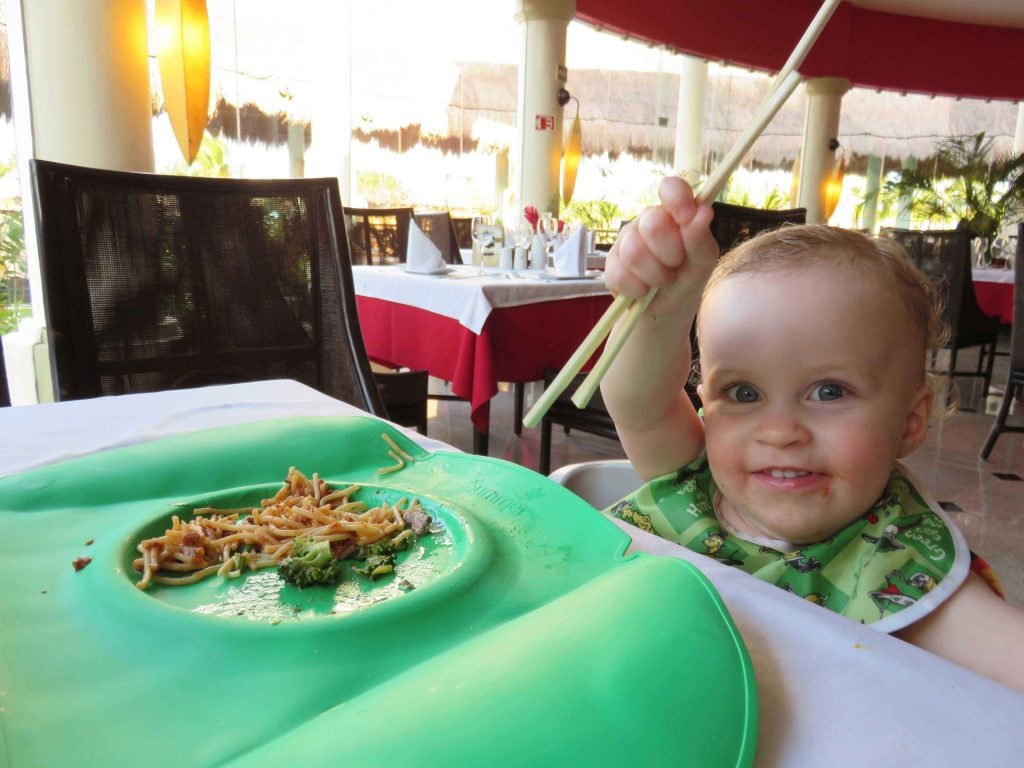
By involving the toddler in the babymoon—whether through playing in the sand or enjoying a "special" family dinner—parents reinforce the child’s sense of security. It allows the parents to focus exclusively on the first-born before the intensive demands of a newborn take precedence. Brewer notes that the "best part" of her second babymoon was the focused time with her daughter, stating that it felt like a "little pause" before the family’s reality shifted forever.

Conclusion: Redefining the "Perfect" Getaway
The data and anecdotal evidence suggest that the success of a second babymoon is measured not by the exoticism of the destination, but by the lack of friction in the daily routine. While a first babymoon may be about the "last hurrah" of couplehood, the second is about the "final celebration" of the existing family structure.
As the travel industry continues to adapt to the needs of modern families, the second babymoon is likely to remain a staple of the prenatal experience. By prioritizing "easy over impressive," keeping travel times manageable, and selecting accommodations that cater to both pregnancy and toddlerhood, families can ensure that this transitional trip provides the rest and connection required before the arrival of a second child. Ultimately, a babymoon with a toddler is an investment in family resilience, providing a much-needed buffer of calm before the beautiful chaos of life with two children begins.