A Comprehensive Guide to Modern and Ancient Athens Tourism Trends Historical Preservation and Cultural Experiences in the Greek Capital

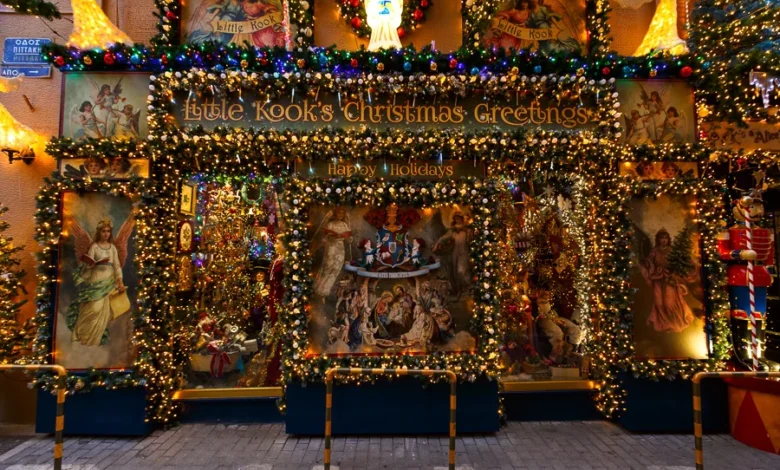
Athens remains one of the most significant cultural and historical hubs in the Mediterranean, serving as a primary gateway for international travelers entering the Hellenic Republic. As the cradle of Western civilization, the city offers a complex tapestry of ancient monuments, neoclassical architecture, and a vibrant, modern urban landscape. In recent years, the city has transitioned from being a mere transit point for travelers heading to the Aegean islands to a premier stand-alone destination. This evolution is driven by a strategic combination of historical preservation, a burgeoning culinary scene, and a diverse range of contemporary cultural activities that appeal to a broad demographic of global tourists.
The Architectural and Historical Significance of the Acropolis
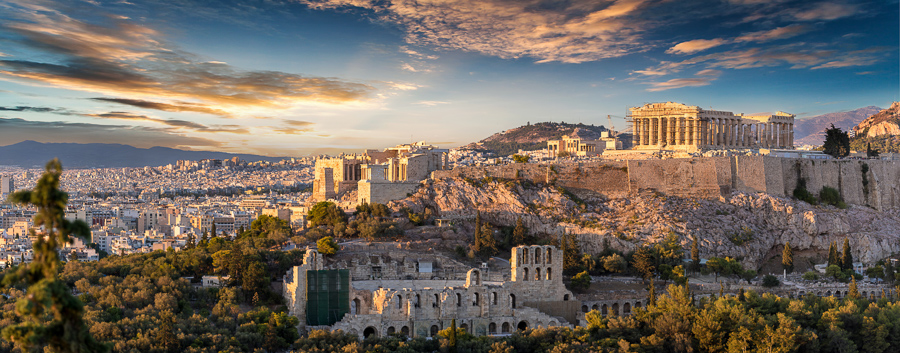
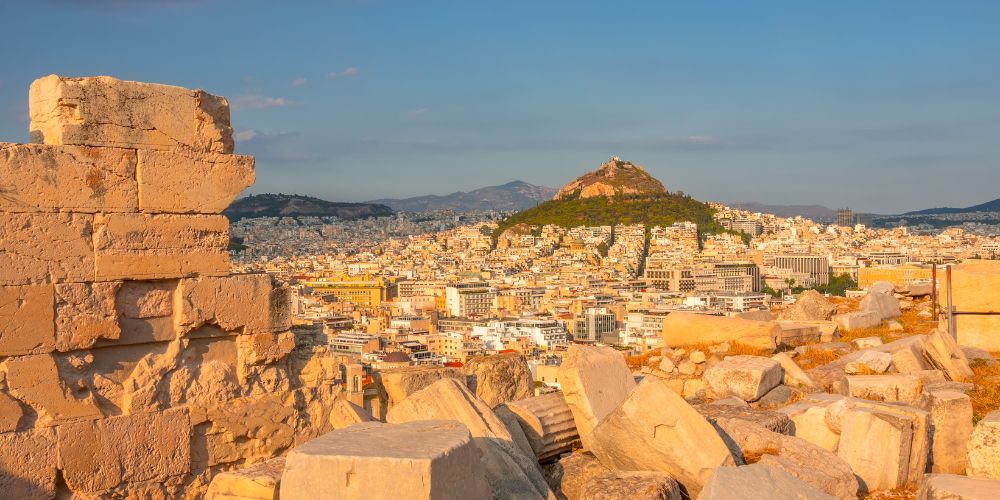
The centerpiece of Athenian tourism is the Acropolis, a UNESCO World Heritage site that serves as a testament to the Golden Age of Greece. Situated on a rocky outcrop above the city, the Acropolis is not a single structure but an ancient citadel containing several buildings of great architectural and historic significance, the most famous being the Parthenon. Dedicated to the goddess Athena, the Parthenon was completed in 438 BC and represents the zenith of the Doric order.
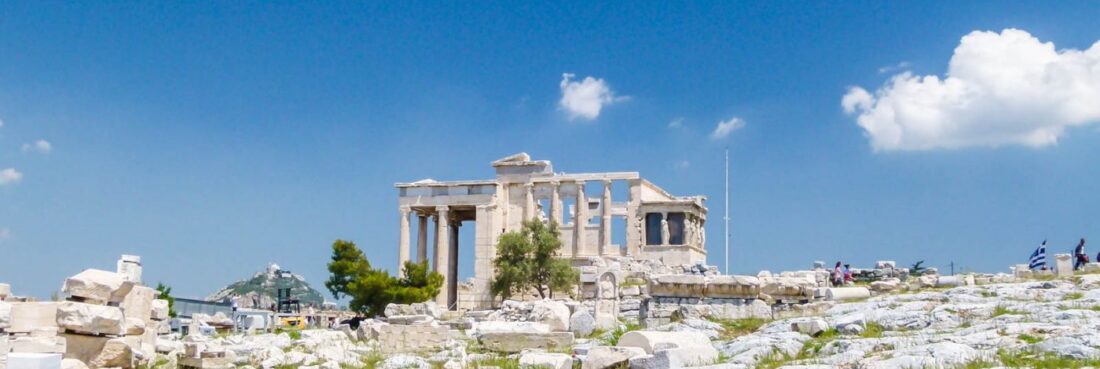
In response to increasing visitor numbers—which often peak during the summer months due to the arrival of large cruise ships at the nearby Port of Piraeus—local authorities have implemented several management strategies. The archaeological site opens daily at 8:00 AM, with experts recommending early arrival to circumvent the influx of crowds that typically arrive by 10:00 AM. Current entry fees for the Acropolis are set at €30, reflecting the high cost of ongoing restoration and preservation efforts. Beyond the Parthenon, visitors frequently explore the Erechtheion, the Temple of Athena Nike, and the Propylaea, all of which offer a comprehensive view of Classical Greek engineering.
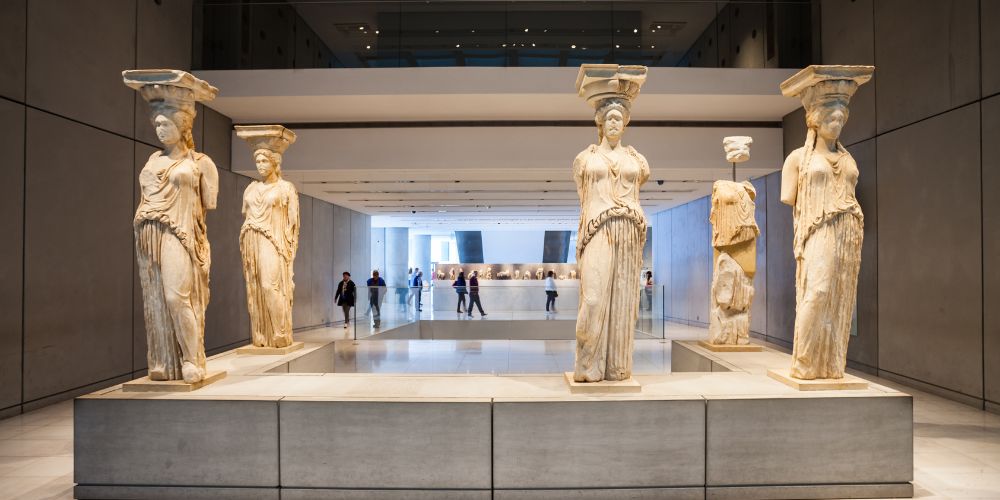
Complementing the physical site is the Acropolis Museum, which opened in 2009. Designed by architect Bernard Tschumi, the museum is a modern masterpiece of glass and concrete, housing over 4,000 artifacts. The facility is strategically located near the archaeological site and was built over ruins, which are visible through transparent floor panels. The museum’s top floor, the Parthenon Gallery, is aligned with the Acropolis itself, providing a 360-degree view and housing the Parthenon frieze. The museum offers free admission on specific dates of national and international significance, such as International Day of Museums (May 18) and Melina Mercouri Day (March 6), as part of an initiative to make cultural heritage accessible to the public.
Urban Development and the Modern Athenian Vibe
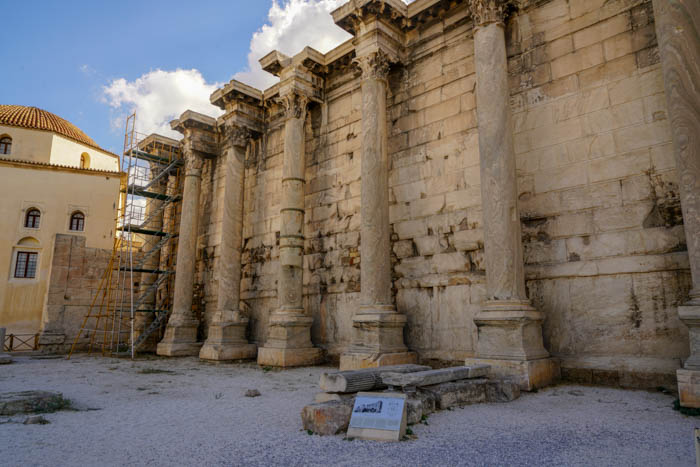
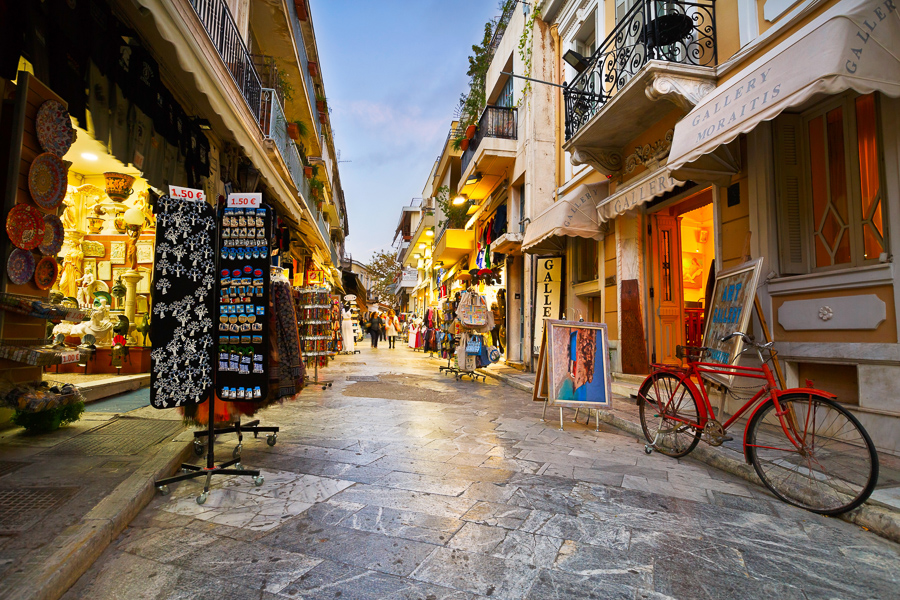
While the ancient ruins provide the historical foundation, the modern city of Athens is characterized by what urban planners often describe as a "gritty" but vibrant aesthetic. Neighborhoods like Plaka and Psirri demonstrate the successful integration of tourism into traditional residential and commercial zones. Plaka, often referred to as the "Neighborhood of the Gods," sits in the shadow of the Acropolis and is characterized by its labyrinthine streets and neoclassical houses.
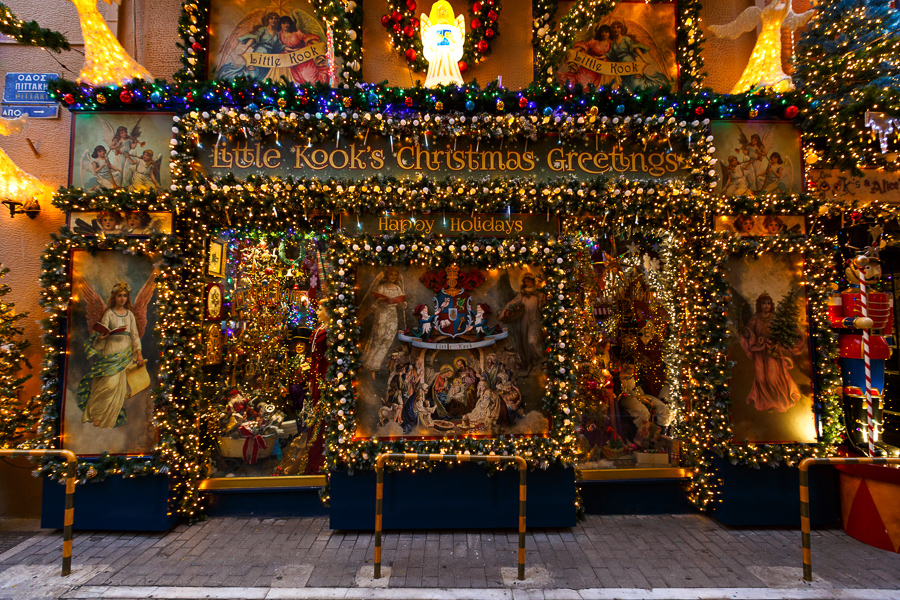
Urban art has become a significant component of the city’s modern identity. Athens is widely regarded as one of the street art capitals of Europe, with murals often reflecting the socio-political climate of the country following the economic challenges of the last decade. Guided street art tours have emerged as a popular niche tourism product, taking visitors through lesser-known districts to explain the stories and artists behind the large-scale works. This movement has helped revitalize previously neglected areas, turning the city’s "grittiness" into a cultural asset.
Gastronomy and the Economic Impact of Culinary Tourism
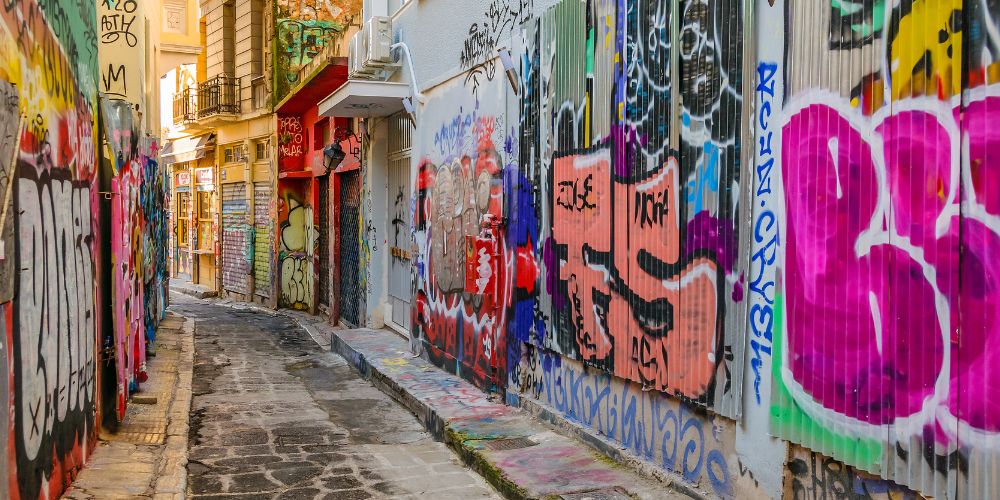
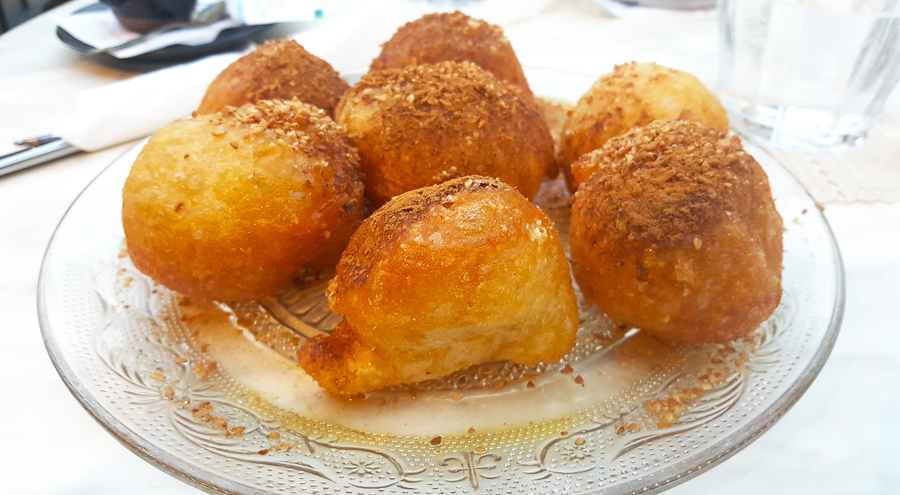
The culinary sector is a vital pillar of the Athenian economy. Traditional Greek cuisine has seen a resurgence, with local tavernas and modern bistros emphasizing regional ingredients such as organic olive oil, honey, and feta cheese. The Central Market, known as Varvakios Agora, remains the heart of the city’s food trade. Operating since 1886, this bustling market serves as a primary source for meat, fish, and produce for both residents and restaurateurs.
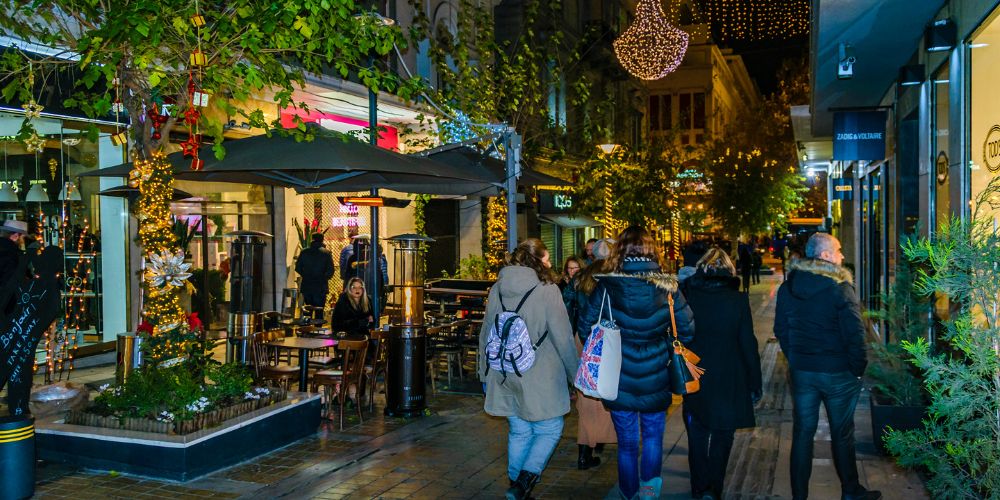
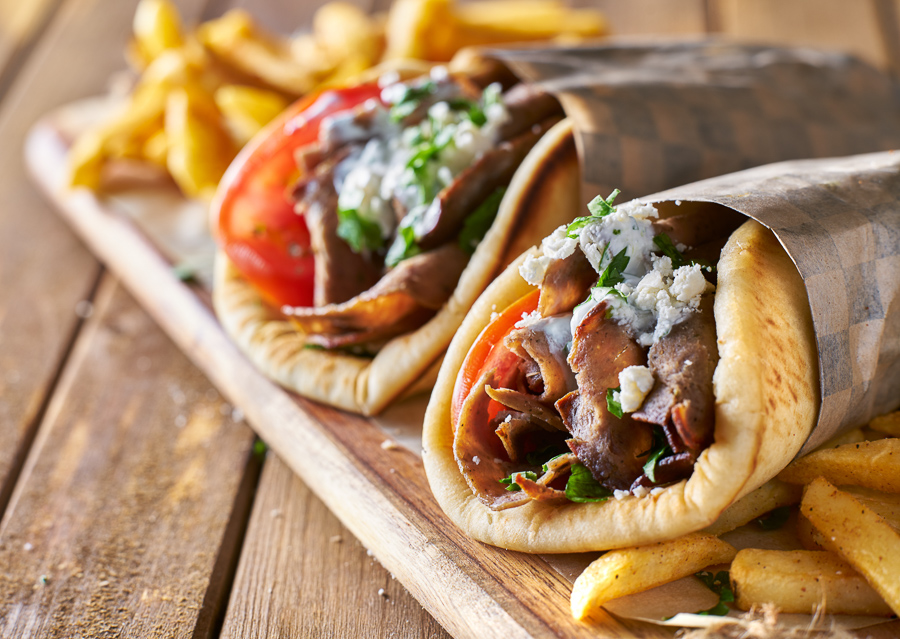
Specific food items have attained legendary status among travelers. The "Yogurtlu" kebab—a beef kebab topped with Greek yogurt on pita bread—is a staple of the Monastiraki district, particularly at long-standing establishments like O Thanasis. Similarly, the "gyro" remains the most accessible and popular street food, contributing significantly to the fast-casual dining economy.

The city’s coffee culture also plays a crucial role in daily life and tourism. The transition from the traditional hot Greek coffee to cold variants like the Freddo Espresso and Freddo Cappuccino reflects a modern adaptation to the Mediterranean climate. Analysts note that the "leisurely" nature of Greek coffee consumption—where a single cup can be enjoyed over several hours—is a distinct cultural trait that attracts visitors seeking a slower pace of life.

Niche Experiences and Contemporary Attractions
To diversify its appeal, Athens has introduced several unique attractions that deviate from traditional historical sightseeing. One such example is the "rage room" concept, such as Limba, which allows participants to vent stress by destroying objects in a controlled environment. These attractions target a younger demographic and provide alternative indoor activities during the infrequent rainy periods.

Additionally, the city maintains its reputation for artisanal craftsmanship. The Poet Sandalmaker, Pantelis Melissinos, represents a lineage of craft that dates back to 1920. Providing custom-made leather sandals to celebrities and tourists alike, such businesses highlight the importance of "slow fashion" and traditional trades in a globalized market.
The nightlife in Athens is equally diverse, with districts like Gazi and Kolonaki offering everything from high-energy clubs to upscale cocktail bars. The "bar-hopping" culture is supported by a robust evening economy, with many establishments remaining open until the early morning hours, particularly during the weekends.

Logistics, Accessibility, and Tourism Infrastructure
Athens has invested heavily in infrastructure to support its growing tourism numbers. The Athens International Airport (AIA) "Eleftherios Venizelos" consistently ranks high for service quality and serves as a major hub for the eastern Mediterranean. The city’s public transportation system, including the Metro, facilitates easy access between the airport, the city center, and the Port of Piraeus.
To streamline the visitor experience, the "MegaPass" and other city passes have been introduced, allowing for skip-the-line access to major sites and integrated transport options. These digital solutions are part of a broader "smart city" initiative aimed at reducing congestion at ticket offices and improving the flow of foot traffic around the "Historical Triangle" of the city center.

Regional Connectivity: Day Trips and the Athens Riviera
The geographical position of Athens allows it to serve as a base for regional exploration. The Temple of Poseidon at Cape Sounio, located approximately 70 kilometers from the city center, is a major draw for sunset tourism. Built in the 5th century BC, the temple overlooks the Aegean Sea and remains one of the most photographed sites in Greece.
Furthermore, the Saronic Gulf islands, such as Hydra, are accessible via a short ferry ride from Piraeus. Hydra is particularly notable for its ban on motorized vehicles, offering a preserved aesthetic that contrasts sharply with the bustling mainland. The "Athens Riviera," a coastal area stretching from the southern suburbs to Cape Sounio, is also undergoing significant redevelopment, with new luxury resorts and marinas aimed at attracting high-net-worth travelers and the yachting community.
Safety, Challenges, and Future Outlook
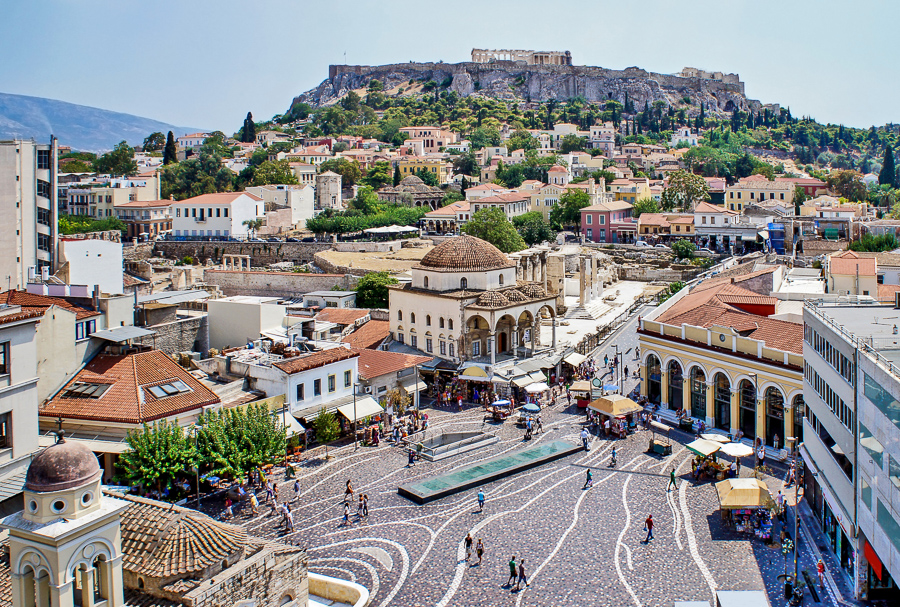
Despite its success, Athens faces challenges common to major metropolitan areas. Security officials advise tourists to remain vigilant against pickpockets in crowded areas like Monastiraki Square and the Metro. Certain districts, such as Omonia and Exarcheia, are noted for higher crime rates at night and are often highlighted in safety briefings for international visitors.

The future of Athenian tourism appears tied to sustainability and the mitigation of "overtourism." As the city continues to attract record numbers of visitors, the balance between economic growth and the preservation of the local quality of life remains a priority for municipal leaders. Strategies such as promoting off-season travel and highlighting "non-touristy" neighborhoods are being employed to distribute the economic benefits of tourism more evenly across the city.
In conclusion, Athens represents a unique synthesis of the ancient and the avant-garde. By leveraging its incomparable historical assets while embracing modern urban trends and culinary excellence, the city has solidified its position as a resilient and multifaceted destination on the global stage. Whether through the lens of a history buff, a food enthusiast, or a casual traveler, Athens offers a comprehensive experience that reflects the enduring spirit of Greece.