Spirit Airlines Faces Imminent Liquidation as Fuel Costs and Debt Obligations Push Pioneer of Low-Cost Travel to the Brink

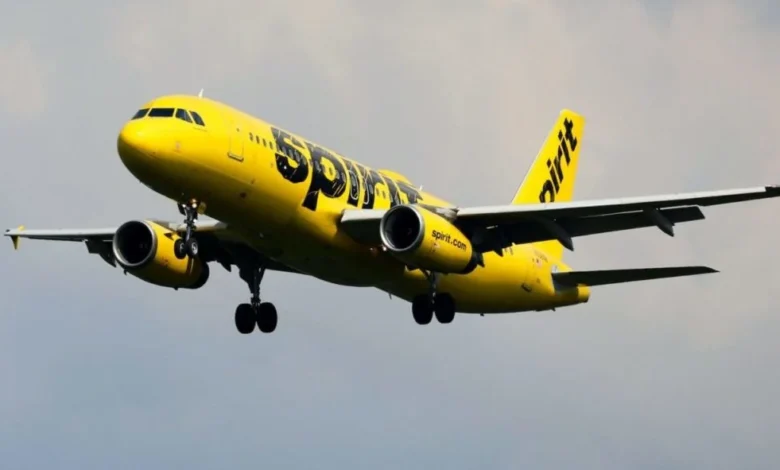
The American aviation industry stands at a critical crossroads as Spirit Airlines, the nation’s largest ultra-low-cost carrier (ULCC), reportedly faces the prospect of total liquidation. According to reports from Bloomberg and CNBC released in mid-April 2026, the Florida-based airline could cease operations as early as this week. Citing sources familiar with the company’s internal deliberations, the reports suggest that a combination of insurmountable fuel costs, a failed business model pivot, and the weight of a second bankruptcy proceeding in less than two years has left the carrier with few remaining avenues for survival.
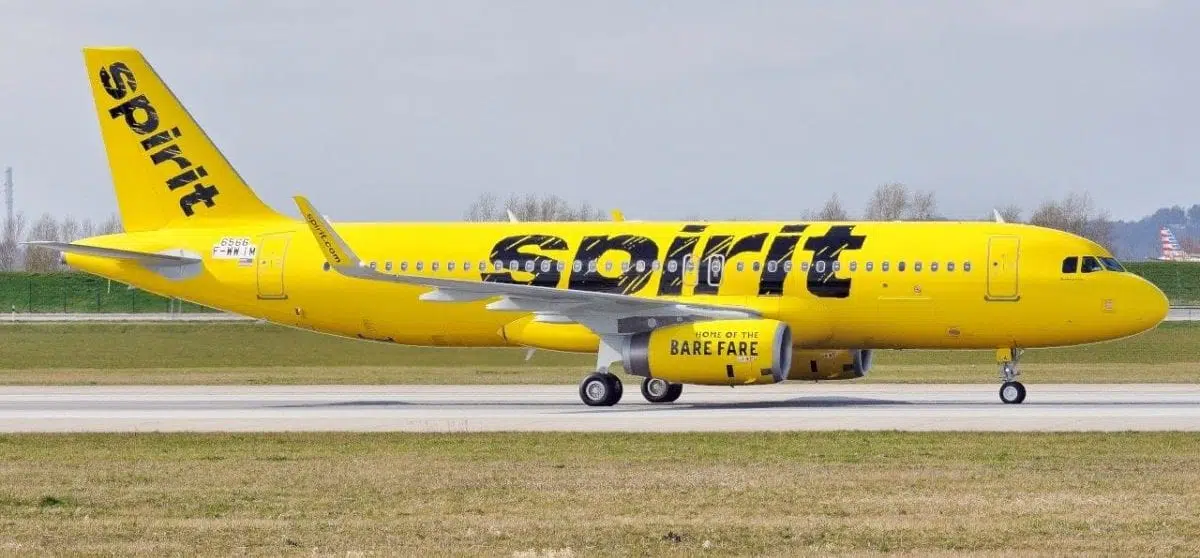
Spirit Airlines has historically served as a polarizing yet essential fixture in the United States travel market. Known for its bright yellow livery and "unbundled" pricing strategy, the airline democratized air travel for millions of Americans by offering base fares that were often lower than the cost of a tank of gasoline. However, the very model that fueled its growth for over a decade appears to have become its undoing in a post-pandemic economy characterized by high operational costs and shifting consumer preferences. When asked for comment regarding the reports of an impending shutdown, a spokesperson for Spirit Airlines stated, "We don’t comment on market rumors and speculation," a response that industry analysts have noted falls short of a definitive denial.
The Convergence of Financial Pressures
The immediate catalyst for this potential collapse is the staggering rise in jet fuel prices. Since the escalation of geopolitical tensions and the outbreak of conflict in Iran in late February 2026, the global cost of aviation fuel has effectively doubled. For legacy carriers like Delta, United, and American Airlines, these costs are often mitigated through sophisticated fuel hedging strategies and the ability to pass expenses onto premium-cabin passengers. For an ultra-low-cost carrier like Spirit, however, the margins are razor-thin.

Spirit’s customer base is primarily composed of price-sensitive leisure travelers. While major airlines have successfully implemented fare hikes and increased baggage fees to offset fuel costs, Spirit faces a "price ceiling" beyond which its customers simply choose not to fly. This fiscal trap has been exacerbated by the airline’s ongoing struggle with debt. Spirit is currently navigating its second round of bankruptcy reorganization in two years, a rare and precarious position for any major corporation. Despite efforts to slash routes and renegotiate labor contracts, the airline’s cash burn has reached levels that sources suggest are no longer sustainable for its creditors.
A Chronology of Decline
The path to Spirit’s current predicament is marked by several years of strategic setbacks and regulatory hurdles. To understand the gravity of the current situation, one must look at the timeline of the airline’s recent history:
- Post-Pandemic Volatility (2021–2023): While the travel industry saw a massive surge in demand following the COVID-19 pandemic, Spirit struggled to return to profitability. Rising labor costs, particularly for pilots and maintenance crews, began to erode the low-cost advantage the airline once held.
- The Blocked JetBlue Merger (2024): In a move intended to stabilize its future, Spirit agreed to a $3.8 billion acquisition by JetBlue Airways. However, the U.S. Department of Justice (DOJ) filed a lawsuit to block the merger, arguing it would eliminate competition and lead to higher fares for budget-conscious travelers. In early 2024, a federal judge ruled in favor of the DOJ, effectively killing the deal and leaving Spirit without a strategic partner.
- First Bankruptcy Filing (Late 2024): Following the failed merger, Spirit filed for Chapter 11 bankruptcy protection to restructure its debt. It emerged months later with a plan to "premiumize" its service, introducing bundled fares and a first-class seating option known as "Go Big."
- Second Bankruptcy and Pivot (2025): The restructuring failed to yield the necessary results. Facing a new wave of economic headwinds, the airline refiled for bankruptcy in late 2025. During this period, it aggressively cut underperforming routes, including departures from major hubs like Minneapolis-St. Paul (MSP).
- The Fuel Crisis (Early 2026): The sudden doubling of fuel prices in February 2026 acted as the final blow, rendering the airline’s restructured business plan obsolete before it could take full effect.
The "Spirit Effect" and Market Implications
The potential disappearance of Spirit Airlines is not merely a corporate failure; it represents a significant shift in the competitive landscape of American aviation. Economists often refer to the "Spirit Effect," a phenomenon where the entry of a low-cost carrier into a specific market forces legacy airlines to lower their own prices to remain competitive.
Data from the airline’s recent exit from Minneapolis-St. Paul provides a stark illustration of this effect. When Spirit discontinued its nonstop service to Detroit (DTW) and Atlanta (ATL)—both primary hubs for Delta Air Lines—the impact on consumers was immediate. Within days of Spirit’s departure, fares on those specific routes reportedly jumped by 50% or more. Without the presence of a budget alternative, legacy carriers are often able to exert greater pricing power, particularly on routes where they maintain a dominant market share.

Furthermore, Spirit’s struggles highlight a broader trend in consumer behavior. Since 2024, there has been a documented "premium boom" in travel. Americans have increasingly shown a preference for international travel and premium cabin experiences, such as extra legroom and business class. Spirit’s DNA, built on high-density seating and a domestic-focused network, was ill-equipped to capture this lucrative segment of the market. While the airline attempted to pivot by introducing "Big Front Seats" and nixing a la carte fees, it was competing against legacy carriers that had already perfected the art of the "Basic Economy" fare—a product designed specifically to poach Spirit’s traditional customer base while maintaining a premium brand image.
Operational Realities and Labor Challenges
Spirit’s operational model required a delicate balance of high aircraft utilization and low overhead. However, the post-pandemic labor market disrupted this equilibrium. To retain flight crews in a highly competitive market, Spirit was forced to sign richer pilot contracts, significantly increasing its fixed costs. Additionally, the airline’s fleet of Airbus A320neo aircraft faced technical hurdles, including issues with Pratt & Whitney engines that grounded a portion of its planes for extended periods, leading to lost revenue and increased maintenance expenses.
In a desperate bid to remain solvent, the airline recently began selling off aircraft and leasing them back to generate immediate liquidity. While this provided a temporary cash infusion, it also increased long-term operating costs. Sources indicate that the current liquidation talks are a result of the airline’s inability to secure further financing or a merger partner, as even Frontier Airlines—once considered a likely suitor—has reportedly cooled on the idea of an acquisition given Spirit’s deepening liabilities.
Broader Impact on the Aviation Ecosystem
If Spirit Airlines proceeds with liquidation, the ramifications will be felt across the entire travel ecosystem.
- Passengers: Thousands of travelers with existing bookings for the summer 2026 season could find themselves holding worthless tickets. Unlike a Chapter 11 reorganization, a Chapter 7 liquidation typically involves the immediate cessation of flights, leaving passengers to seek refunds through credit card chargebacks or as unsecured creditors in bankruptcy court.
- Employees: Spirit employs thousands of pilots, flight attendants, mechanics, and ground crew members. A total liquidation would result in immediate job losses, though the current pilot shortage in the industry may allow some flight crews to find placement at other carriers.
- Airports: Hubs such as Fort Lauderdale-Hollywood International (FLL), Las Vegas (LAS), and Orlando (MCO) would see significant vacancies in gate space and a reduction in passenger traffic, impacting local economies and airport revenues.
- Competition: The removal of Spirit from the market would leave Frontier Airlines and smaller upstarts like Avelo and Breeze as the primary defenders of the low-cost model. However, without Spirit’s scale, the downward pressure on industry-wide fares is expected to weaken significantly.
Analysis of the DOJ’s Role
In retrospect, the 2024 decision by the Department of Justice to block the JetBlue-Spirit merger is being viewed by some analysts as a "pyrrhic victory" for consumer protection. While the DOJ argued that the merger would harm competition, the alternative—a Spirit liquidation—achieves the same result: less competition and higher fares.
Critics of the DOJ’s intervention suggest that a merged JetBlue-Spirit entity would have had the scale to compete more effectively against the "Big Four" (American, Delta, United, and Southwest). Instead, by forcing Spirit to remain independent, the government may have inadvertently overseen the total removal of the airline from the marketplace. This outcome serves as a cautionary tale for future regulatory actions in the airline industry, where the financial stability of a carrier is often as important as its competitive impact.
Conclusion: The End of an Era?
Whether Spirit Airlines manages to find a last-minute financial lifeline or officially files for liquidation this week, the era of the "ultra-low-cost pioneer" appears to be reaching its conclusion. The airline’s journey from a small charter service to a national disruptor changed how Americans think about travel, proving that there was a massive market for "no-frills" flying.
However, the combination of a global energy crisis, aggressive competition from legacy carriers, and a series of strategic and regulatory setbacks has created a "perfect storm" that Spirit may not survive. For the American traveler, the loss of the bright yellow jets would signal more than just the end of a controversial airline; it would likely mark the beginning of a significantly more expensive era for domestic air travel. As the industry watches the clock, the fate of Spirit Airlines serves as a sobering reminder of the volatility inherent in the business of flight.