Solo Travel Expansion and Cultural Heritage Diplomacy Across Central Asia and Central Europe in 2026

The spring 2026 travel season has seen a significant surge in solo expeditions across the Silk Road regions, marked by a 17-day comprehensive tour of Kazakhstan, Uzbekistan, and Tajikistan. This period of high-intensity travel highlights the evolving infrastructure of Central Asian tourism, the resilience of cultural heritage crafts, and the shifting dynamics of safety and digital nomadism in Central European hubs such as Prague. As international interest in the "Stans" continues to grow, industry analysts are noting a shift toward experiential travel that prioritizes local workshops, historical immersion, and cross-border day-tripping, supported by an increasingly robust regional transportation network.
The Central Asian Corridor: Infrastructure and Tourism Growth
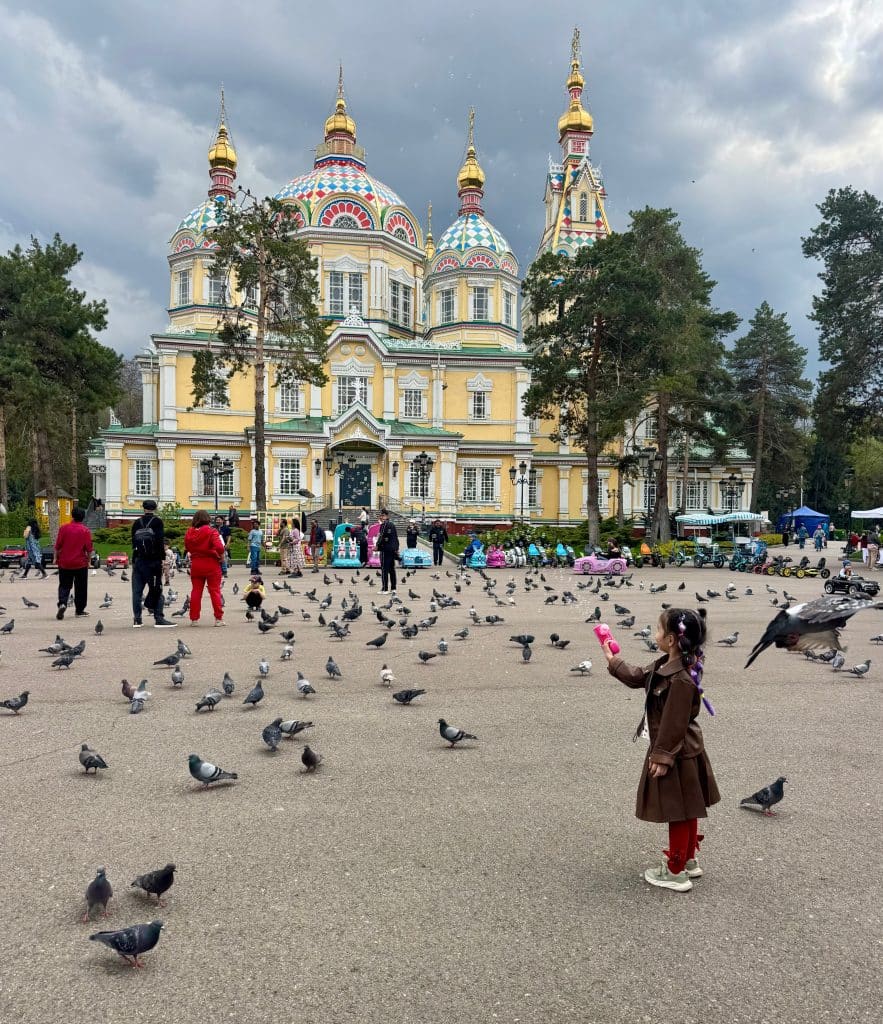
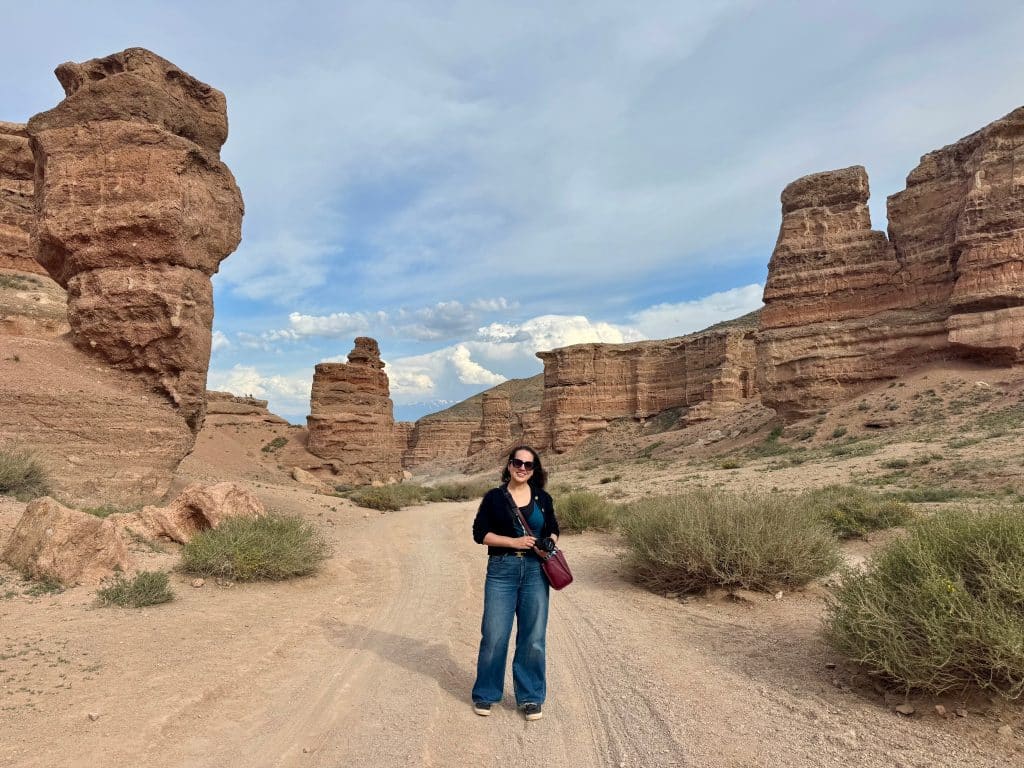
The 17-day expedition began in Almaty, Kazakhstan, a city that has increasingly positioned itself as a green, walkable gateway for Western travelers. Known for its proximity to the Trans-Ili Alatau mountains, Almaty serves as a primary hub for regional exploration. Geological tourism in the Almaty region remains a cornerstone of the Kazakh travel economy, particularly with the popularity of Charyn Canyon. Often compared to the geological formations of the American Southwest, Charyn Canyon represents a critical ecological asset for the nation.
Data from the Kazakhstan Ministry of Tourism and Sports indicates that multi-day tours to the Almaty region’s "natural wonders"—including Moon Canyon, Black Canyon, Kolsay Lake, and Lake Kaindy—have seen a 15% year-over-year increase. These sites require significant logistical coordination, often involving overnight stays in traditional yurt camps to accommodate the distance from urban centers.
In neighboring Uzbekistan, the tourism strategy has focused heavily on the modernization of the rail network. The "Afrosiyob" high-speed rail service, connecting Tashkent to Samarkand and Bukhara, has revolutionized travel times. However, the high demand for these services has created a bottleneck in the booking process. Travelers are currently advised to secure tickets 45 to 60 days in advance, as supply often fails to meet the surge in seasonal interest.
The Uzbek leg of the journey encompassed four major historical centers:
- Tashkent: The capital serves as the administrative and culinary center, where food tourism and museum attendance (notably the Applied Arts Museum) are primary drivers.
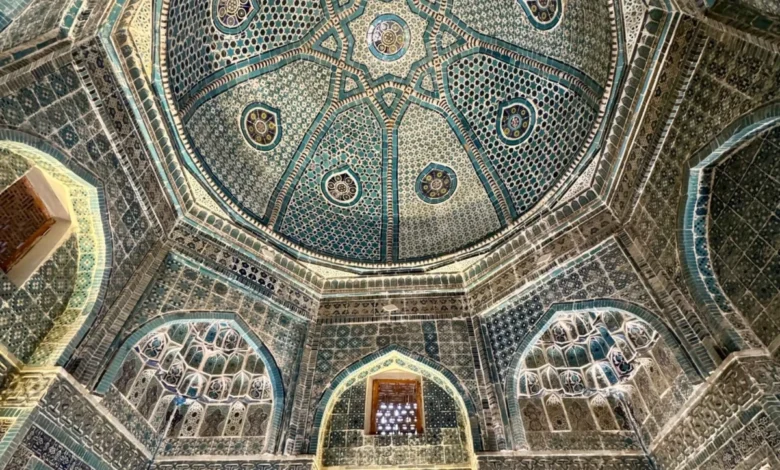
- Samarkand: Home to the Registan and the Shah-i-Zinda Mausoleum, this city remains the architectural heart of the Silk Road.
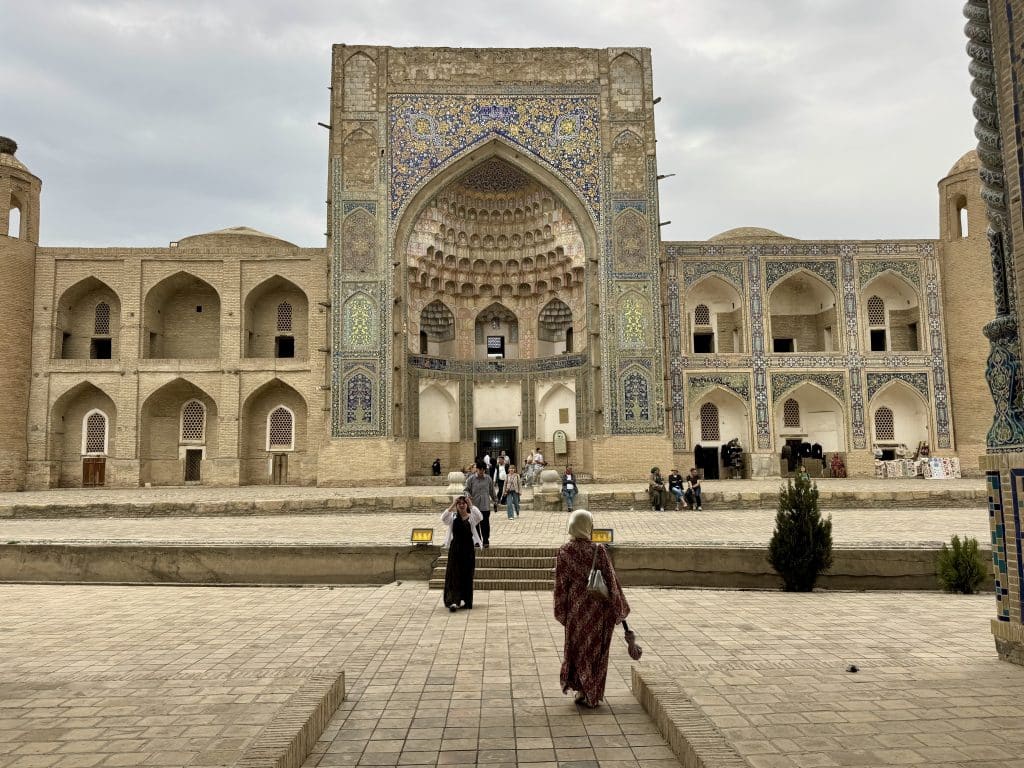
- Bukhara: This city has emerged as a premier destination for artisanal commerce and pedestrian-friendly urban planning.
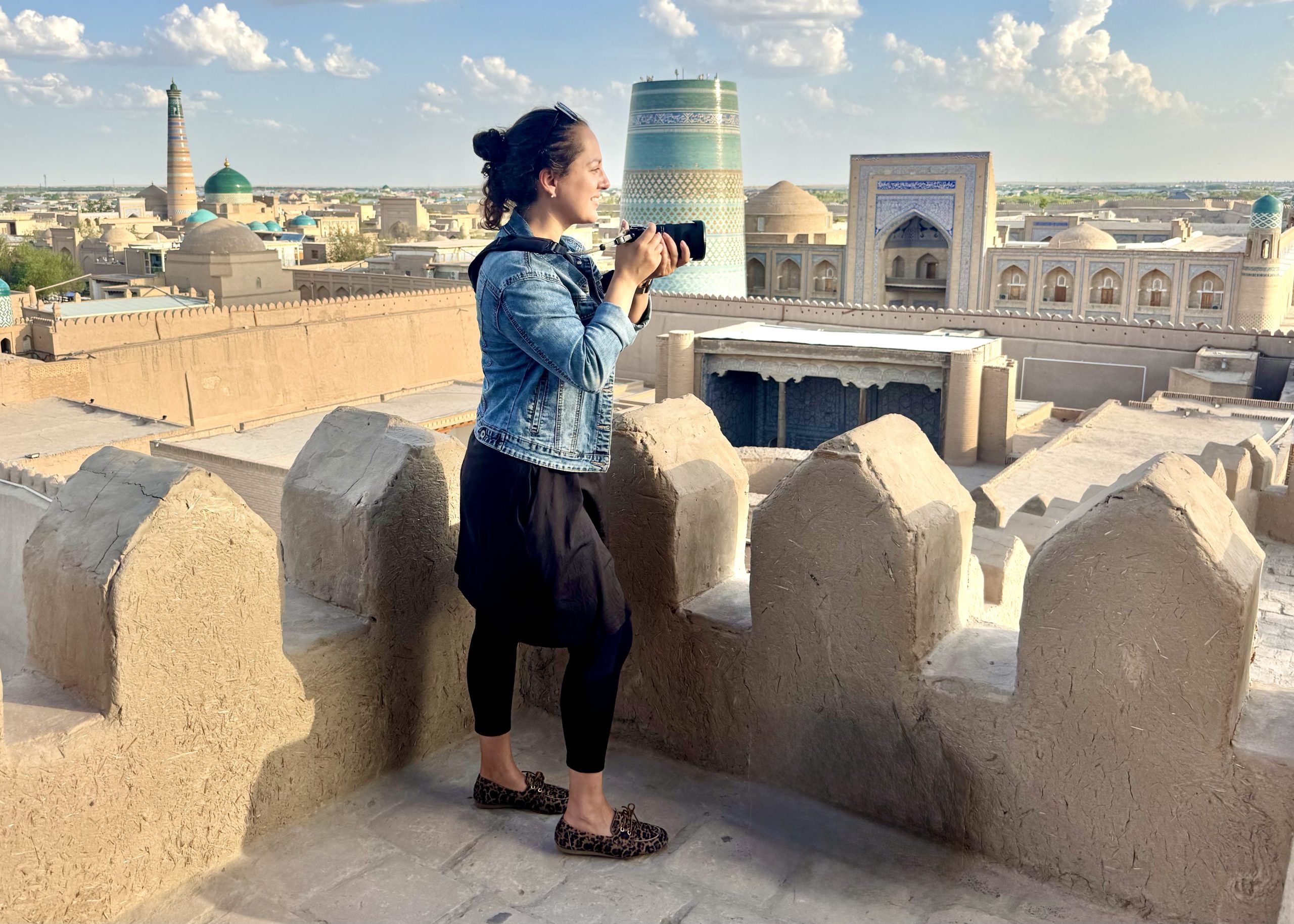
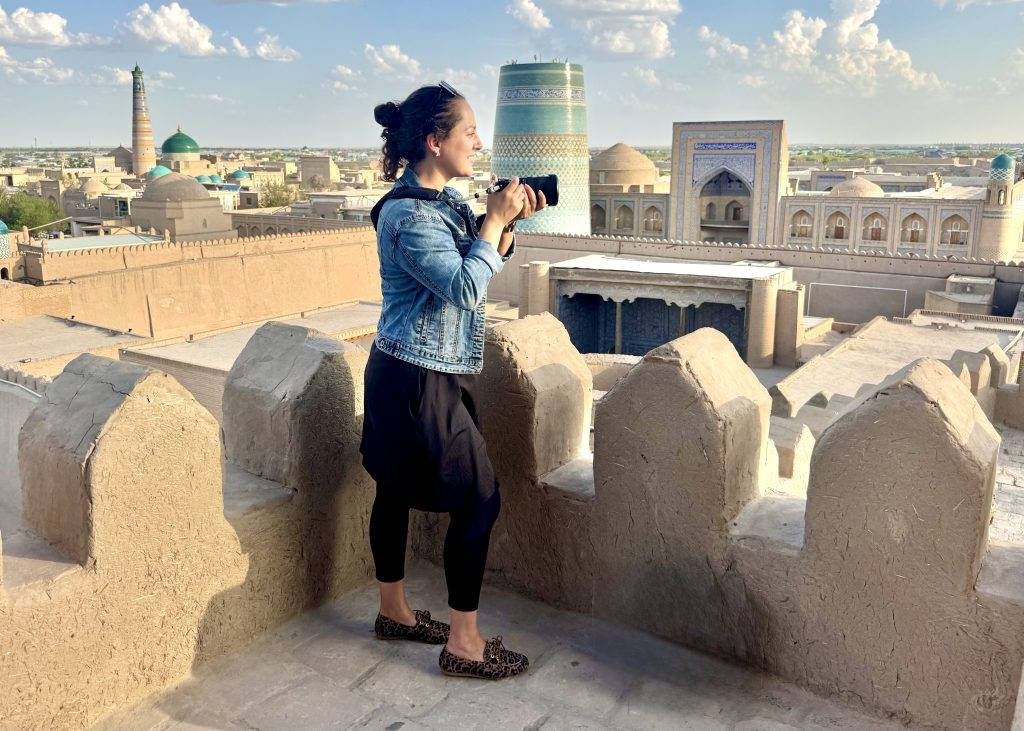
- Khiva: A walled desert city that functions as an "open-air museum," catering almost exclusively to international photography and history enthusiasts.
Cultural Preservation and Artisanal Workshops
A notable trend in the 2026 season is the move toward "slow craft" tourism. Travelers are increasingly participating in multi-day workshops to learn indigenous techniques. In Uzbekistan, two specific crafts have gained international attention: Suzani embroidery and Persian miniature painting.
Suzani, a type of embroidered and decorative tribal textile, is deeply rooted in Uzbek heritage, traditionally made by brides as part of their dowry. Organizations such as Craftnculture have begun partnering with professional travelers to document these processes, ensuring that the labor-intensive techniques are passed to a global audience. Similarly, the revival of Persian miniature painting in Bukhara and Samarkand represents a reclamation of historical art forms that were suppressed or marginalized during various geopolitical shifts in the 20th century.
The economic impact of these workshops is twofold: they provide sustainable income for local masters and create a high-value, low-impact tourism model that protects the cultural integrity of the region.
Cross-Border Dynamics: The Tajikistan Connection
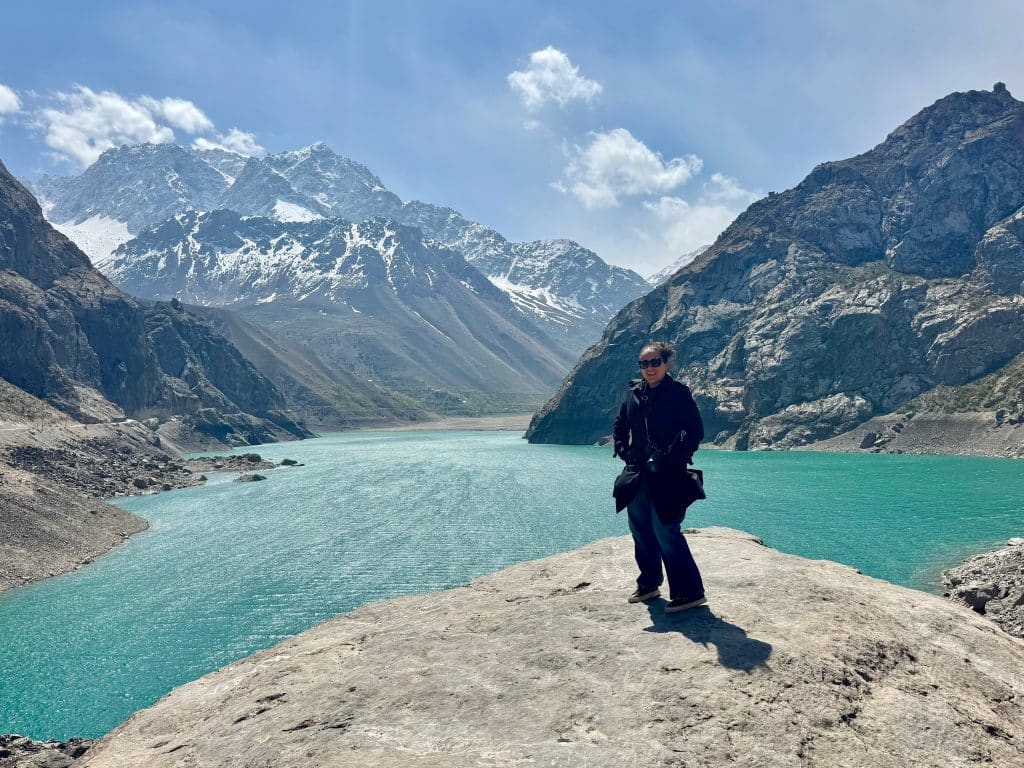
The proximity of Samarkand to the Tajik border has facilitated a rise in short-term cross-border excursions. A 50-minute transit allows travelers to access the city of Panjakent and the UNESCO World Heritage site of Sarazm. Sarazm, which dates back to the 4th millennium BCE, is one of the oldest settlements in Central Asia and serves as a testament to early urban development in the region.
Despite the archaeological importance of Sarazm, regional bazaars remain the primary point of cultural exchange for foreign visitors. In Panjakent, the local market serves as a vibrant display of Tajik sartorial traditions, characterized by intricate sequin and rhinestone work. These interactions underscore the hospitality-driven nature of Tajik tourism, which remains less commercialized than that of its neighbors.
Security Challenges and Urban Safety in Central Europe
While the Central Asian portion of the 2026 season was marked by logistical success, the transition back to Central Europe highlighted emerging security concerns in traditionally "safe" cities. In Prague, Czech Republic, a reported increase in sophisticated pickpocketing techniques has put tourists and residents on high alert.
One prevalent method involves the use of "distraction shields," where a perpetrator uses a physical object—such as a map or a plastic folder—to cover a victim’s valuables while they are seated in public spaces like the Manifesto Market. Despite Prague’s reputation for safety compared to major hubs like Paris or Rome, this incident serves as a reminder that urban centers are experiencing a shift in petty crime dynamics.
Furthermore, the "remote staff" model in the hospitality industry has introduced new risks for travelers. Modern hotels that operate via WhatsApp or digital keys without on-site personnel can leave guests vulnerable in the event of tech failure or lockouts. This "contactless" trend, while efficient for overhead costs, has been identified as a potential point of failure in the guest experience.

Digital Nomadism and the Evolution of Coworking
The rise of high-tier fintech memberships, such as Revolut’s "Ultra" plan, is reshaping how professional travelers work. These memberships now frequently include access to global coworking networks like WeWork. In Prague, the integration of these services allows digital nomads to balance the benefits of a home office with the productivity of professional environments.
Industry data suggests that the "hybrid traveler"—someone who combines high-level professional output with international exploration—is a growing demographic. The demand for reliable tech infrastructure, such as immediate screen repair services (as seen during a quick turnaround repair in Samarkand for approximately $259), is now a standard requirement for this mobile workforce.

Media Consumption and Literary Trends of 2026
The travel experience in 2026 is inextricably linked to digital and traditional media consumption. Analysis of the current literary market reveals a fascination with "tradwife" culture and alternative histories.
- The Tradwife Phenomenon: Caro Clair Burke’s novel Yesteryear (2026) explores the dichotomy between the curated performance of rural domesticity and the harsh realities of 19th-century survival. This reflects a broader societal debate regarding feminism, performance, and the "back to the land" movement.
- Alternative History in Television: The continued success of For All Mankind on Apple TV+ highlights a public appetite for "what if" narratives. By reimagining the space race with the Soviet Union landing on the moon first, the show explores how technology and geopolitical competition drive human progress.
- The Music Legacy: The release of the film Michael and the enduring popularity of albums like Alanis Morissette’s Jagged Little Pill and Beyoncé’s Renaissance suggest a cultural cycle that values both nostalgic retrospection and the celebration of marginalized voices in dance music.
Looking Ahead: The Gloucestershire Cheese-Rolling and Sustainable Gastronomy
The tourism calendar for May 2026 is centered on a return to traditional, high-risk folk events in the United Kingdom. The annual cheese-rolling at Cooper’s Hill in Gloucestershire remains one of the most controversial and popular "unofficial" events in the country. Participants chase a nine-pound wheel of Double Gloucester cheese down a 200-yard hill with a 1:2 gradient.

Due to the extreme risk of injury, the event has no official organizing body but continues to attract thousands of international spectators. This "extreme tradition" tourism is being paired with a growing interest in sustainable gastronomy in nearby Bristol. The restaurant Wilson’s, a recent Michelin star recipient featured in the Knife Edge docuseries, exemplifies the shift toward hyper-local, farm-to-table dining that defines the modern British culinary scene.
Conclusion: The State of Global Travel in 2026
The findings from the April 2026 travel season suggest a global landscape that is more connected yet more complex than ever before. Central Asia is no longer a "frontier" but a sophisticated destination requiring precise planning. Meanwhile, Europe continues to grapple with the side effects of its own popularity, from security shifts to the digitization of the service industry. For the professional solo traveler, the 2026 season emphasizes that while the tools of travel—fintech, high-speed rail, and digital maps—have improved, the core of the experience remains rooted in cultural curiosity and the resilience to navigate unexpected challenges.