The Definitive Guide to Planning a Caribbean Cruise: A Strategic Analysis of Seasonal Pricing, Weather Patterns, and Regional Considerations

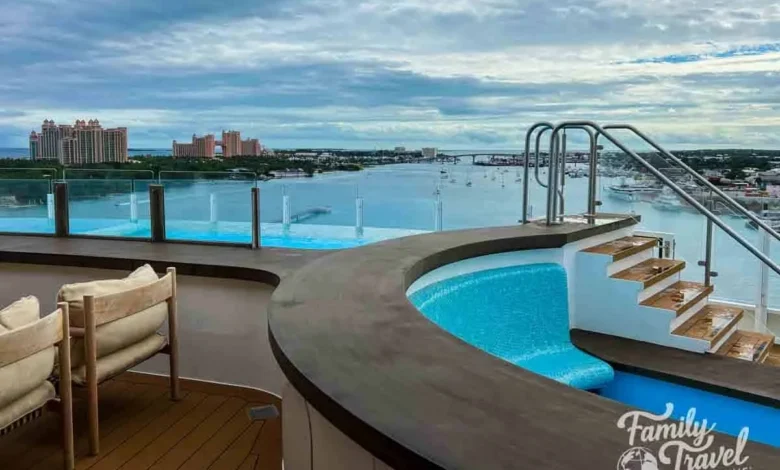
The Caribbean cruise market remains the most significant sector of the global maritime tourism industry, accounting for more than 40% of all cruise vacations worldwide. Unlike seasonal destinations such as Alaska or the Mediterranean, the Caribbean offers year-round accessibility; however, the quality of the experience, the total cost of the voyage, and the likelihood of meteorological disruptions vary significantly depending on the month of departure. Navigating these variables requires a comprehensive understanding of regional geography, the economics of shoulder seasons, and the logistical complexities of hurricane management.
Regional Geography and Climatic Variation
A primary consideration for travelers is the vast geographical spread of the Caribbean basin. While often discussed as a monolithic entity, the region spans over 1,000 miles from north to south, resulting in distinct microclimates. The Bahamas and the northern reaches of the Caribbean, such as the Turks and Caicos, are located in the Atlantic Ocean and are subject to cooler air masses during the winter months. In contrast, the Southern Caribbean—encompassing destinations like Aruba, Bonaire, and Curaçao—is situated outside the traditional hurricane belt and maintains consistently high temperatures year-round.
During the winter season, temperatures in the Bahamas can fluctuate between 60°F and 75°F (15°C to 24°C). While this is favorable for sightseeing, it may be considered suboptimal for water-based activities. Conversely, the Southern Caribbean rarely sees temperatures drop below 80°F (27°C), making it the preferred destination for travelers prioritizing beach and maritime excursions during the Northern Hemisphere’s winter.
The Strategic Window: March and April
Industry analysts and travel experts frequently identify March and April as the optimal window for Caribbean cruising. This period represents a "sweet spot" where weather stability aligns with strategic pricing. Meteorologically, the region experiences its lowest rainfall totals during these months, and the humidity levels—which can be oppressive in the summer—remain manageable.
From a pricing perspective, these months often fall within the "shoulder season," the period between the high-demand winter holidays and the peak summer family travel season. While the week of Spring Break can cause a temporary spike in both cruise fares and airfare, the surrounding weeks often feature significant promotional offers as cruise lines seek to maintain high occupancy rates. For families, this period offers a balance between academic schedules and favorable travel conditions, though logistical planning is required to mitigate the increased cost of flights from major hubs in the Northeast and Midwest.

Chronological Analysis of the Cruise Calendar
To effectively plan a voyage, one must analyze the year through the lens of four distinct periods: the Winter Peak, the Spring Shoulder, the Summer Surge, and the Hurricane Risk window.
The Winter Peak (Late November to February)
This period is characterized by the highest demand for Caribbean cruises, driven largely by travelers from northern climates seeking to escape sub-zero temperatures. The demand reaches its zenith during the weeks of Thanksgiving, Christmas, and New Year’s Eve. During these periods, cruise lines often implement premium pricing, with fares sometimes doubling compared to off-peak weeks.
Furthermore, this season is marked by "themed" cruising. For example, Disney Cruise Line utilizes this period for its "Very Merrytime" and "Halloween on the High Seas" itineraries, which attract a specific demographic of repeat travelers. However, the northern Caribbean remains susceptible to "cold fronts" that can lead to rougher seas and the occasional cancellation of port calls in the Bahamas or the Florida Keys due to high winds and unsafe docking conditions.
The Spring Shoulder (March to Early May)
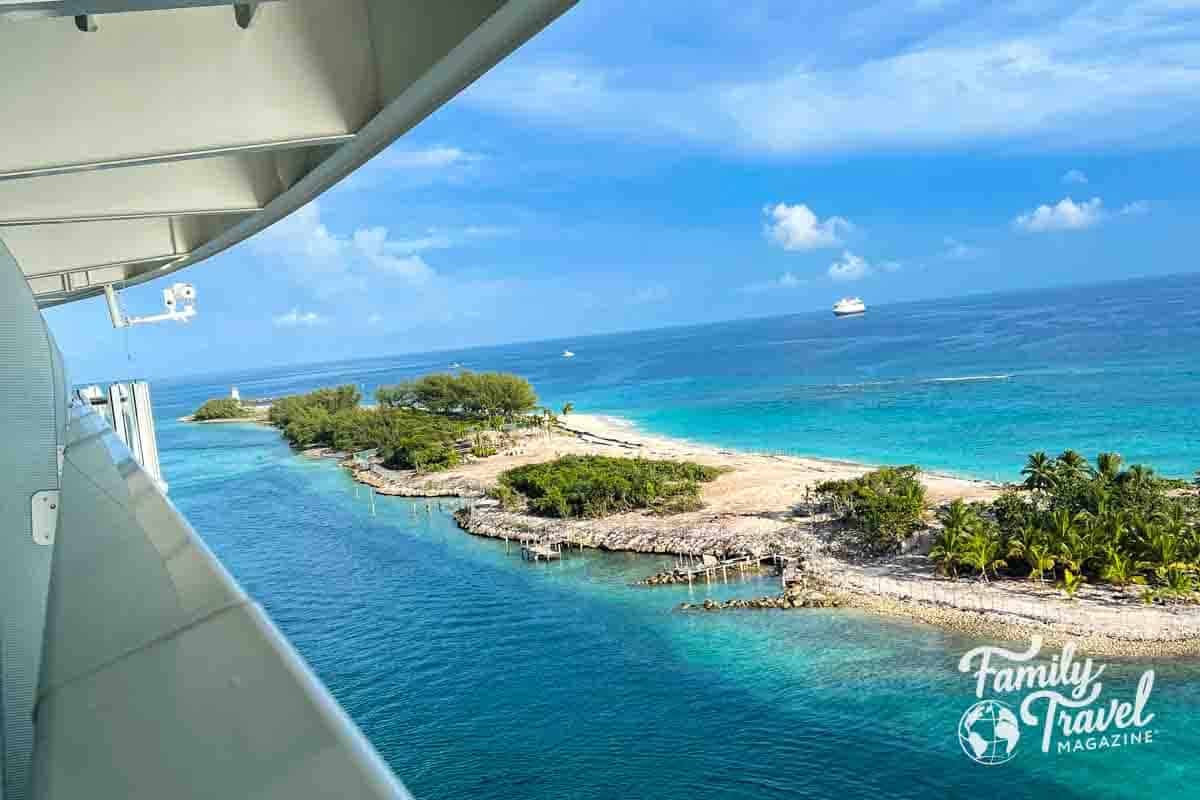
As noted, this is the most balanced period. Data from the Cruise Lines International Association (CLIA) suggests that passenger satisfaction scores are often highest during this window due to the reliable weather and the full operation of shipboard amenities without the extreme heat of the later months.
The Summer Surge (Late May to August)
The summer months are dominated by the family demographic. With primary and secondary schools on hiatus, cruise lines operate at 100% capacity or higher (utilizing third and fourth berths in cabins). While the weather is consistently hot, ensuring warm water for snorkeling and swimming, this period coincides with the official start of the Atlantic hurricane season on June 1.
The Hurricane Risk Window (August to October)
The peak of hurricane activity typically occurs between mid-August and late October. While this period offers the lowest entry-level prices for Caribbean cruises, it carries the highest risk of itinerary alteration. Cruise lines employ sophisticated meteorological teams to track tropical depressions; the safety of the vessel is never compromised, but it is common for ships to swap Eastern Caribbean ports for Western Caribbean ports (or vice versa) to avoid storms. In extreme cases, cruises may be extended or shortened based on the status of the home port.
The Rise of Private Destinations and Infrastructure
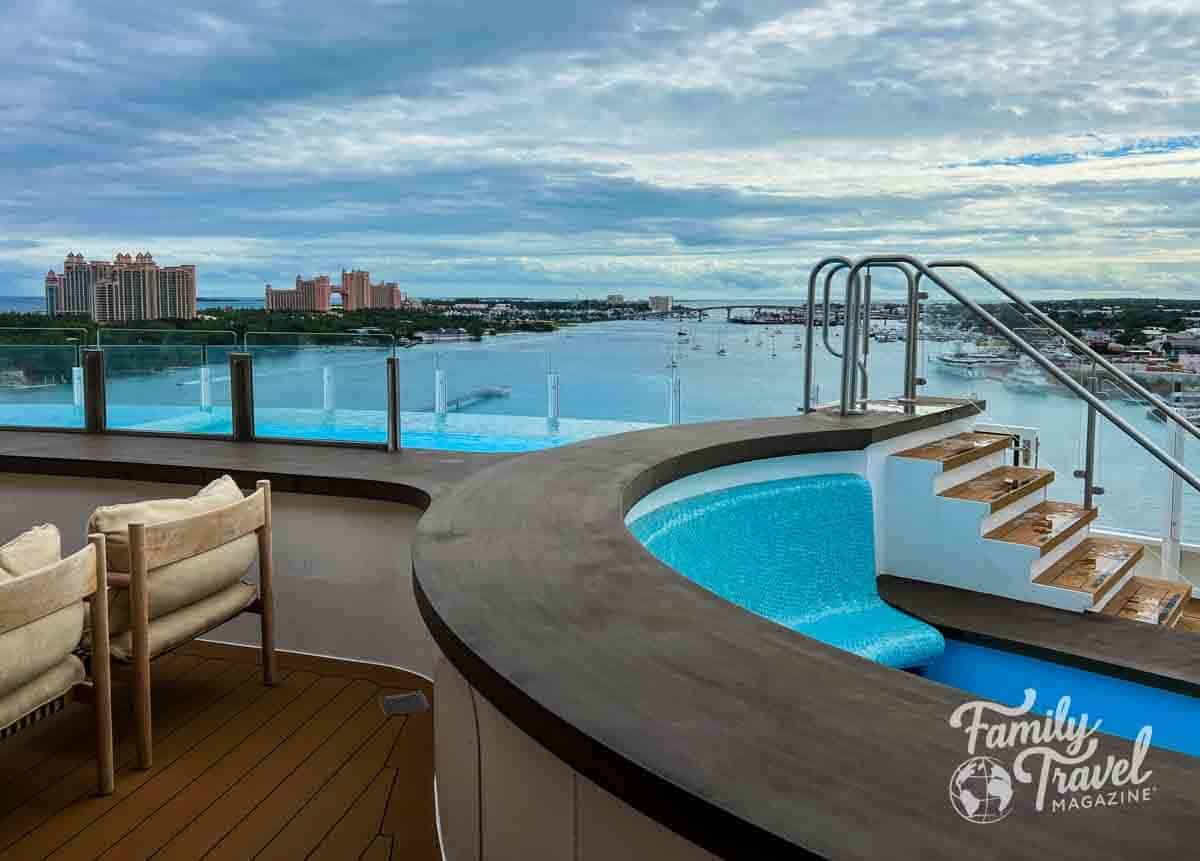
A significant development in the Caribbean cruise landscape is the proliferation of private island destinations. Major carriers have invested billions of dollars into exclusive ports such as Royal Caribbean’s Perfect Day at CocoCay, Disney’s Castaway Cay and Lookout Cay at Lighthouse Point, and MSC Cruises’ Ocean Cay Marine Reserve.
These destinations are designed to offer a controlled, premium experience. However, their reliance on pier-side docking makes them vulnerable to weather disruptions. During the winter and shoulder seasons, high swell conditions can prevent ships from docking, leading to "sea days" in lieu of island visits. Travelers are increasingly advised to view these stops as "weather permitting" rather than guaranteed components of the itinerary.
Economic Impact and Industrial Implications
The timing of Caribbean cruises also has profound implications for the local economies of island nations. Many Caribbean territories rely on cruise tourism for a significant portion of their Gross Domestic Product (GDP). The "low season" during the peak of hurricane risk can lead to economic strain in ports like Cozumel, St. Thomas, and Nassau.
Conversely, the industry is facing increasing pressure to manage the environmental impact of year-round cruising. The International Maritime Organization (IMO) has implemented stricter carbon intensity indicators (CII), forcing cruise lines to optimize their routes and speeds. This may eventually lead to changes in itinerary lengths, with ships spending more time in port and less time at high-speed transit between islands, particularly during the calmer spring months.
Strategic Recommendations for Travelers
Based on historical data and current industry trends, the following strategies are recommended for those planning a Caribbean voyage:
- Travel Insurance and Protection: For any sailing between June and November, comprehensive travel insurance with "cancel for any reason" (CFAR) or specific hurricane coverage is essential. This protects the investment against flight cancellations or port disruptions.
- Logistical Buffering: Regardless of the month, travelers should arrive at the embarkation city at least one day prior to departure. Winter storms in the north or summer thunderstorms in the south can easily disrupt flight schedules, leading to missed departures.
- Geographic Selection: Those seeking guaranteed warmth in January or February should prioritize Southern Caribbean itineraries departing from San Juan, Puerto Rico, or Barbados, rather than the Bahamas-centric routes departing from Florida.
- Value Acquisition: For travelers not bound by school schedules, the weeks immediately following Labor Day or the first two weeks of December offer the lowest prices of the year, provided the traveler is comfortable with the potential for rain or itinerary changes.
Conclusion
The Caribbean cruise market is a complex ecosystem influenced by seasonal weather patterns, school holidays, and global economic trends. While March and April represent the statistical ideal for the average traveler, every season offers a unique value proposition. By understanding the regional variations in climate and the operational realities of the cruise lines, passengers can make informed decisions that balance cost, comfort, and the inherent risks of maritime travel. As the industry continues to expand with larger vessels and more sophisticated private ports, the importance of strategic timing will only increase for the modern traveler.