Mastering Portugal’s Rail Network: A Comprehensive Guide to Seamless Train Travel and Ticket Acquisition

Portugal has experienced an extraordinary surge in popularity, drawing millions of visitors eager to explore its rich history, vibrant culture, and stunning landscapes. Central to this allure is the country’s modern and efficient train network, which serves as a vital artery, seamlessly connecting its diverse regions. This guide aims to provide a definitive resource for navigating Portugal’s rail system, offering detailed insights into ticket purchasing, optimizing travel costs, and understanding the network’s broader implications for tourism and mobility.
The Evolution and Structure of Portugal’s Rail System
The national railway company, Comboios de Portugal (CP), stands at the heart of the country’s public transport infrastructure. Established in the mid-19th century, CP has evolved significantly, transitioning from a rudimentary network to a sophisticated system integral to national cohesion and economic development. Recent decades have seen substantial investment in modernization, particularly in high-speed lines and urban commuter services, aligning Portugal’s rail infrastructure with broader European standards.
The CP network is segmented into several key service types, each catering to different travel needs and speeds:
- Alfa Pendular (AP): These are Portugal’s premier high-speed trains, reaching speeds of up to 200 km/h (125 mph). They offer direct connections between major cities like Lisbon, Porto, Coimbra, Braga, and Faro, characterized by limited stops and enhanced comfort. The AP service is a cornerstone of intercity travel, significantly reducing journey times between key economic and tourist hubs.
- Intercidades (IC): Intercity trains provide a slightly slower but still efficient service, connecting a wider array of cities and towns than the AP. While making more stops, IC trains offer a comfortable and reliable option for medium to long-distance travel, often at a more accessible price point.
- Regional (R) and Interregional (IR): These services focus on connecting smaller towns and regions, offering more frequent stops and serving local communities. They are essential for regional mobility and exploring less-traveled areas.
- Urbanos (U): These are commuter trains operating within metropolitan areas, primarily around Lisbon, Porto, and Coimbra. They are crucial for daily commuting and short-distance travel, linking city centers with surrounding suburbs.
The strategic development of this multi-tiered network underscores Portugal’s commitment to sustainable mobility. With annual passenger numbers consistently in the tens of millions (pre-pandemic figures often exceeded 130 million annually across all CP services), the rail system plays a pivotal role in reducing road congestion and carbon emissions, contributing to the nation’s environmental goals.
Acquiring Train Tickets: Channels and Considerations
Securing train tickets in Portugal can be approached through several avenues, each with its own advantages and potential pitfalls for international travelers. Understanding these options is crucial for a smooth journey.
1. The Official Comboios de Portugal (CP) Website:
The official CP website (cp.pt) is the direct portal for booking national train tickets. While it offers the full range of services, international users frequently encounter challenges. Common issues include:
- Translation Inconsistencies: Despite offering an English option, certain sections or terminology may remain in Portuguese, leading to confusion.
- International Credit Card Acceptance: A recurring problem for non-European cardholders, where transactions might be declined due to security protocols or specific bank limitations.
These challenges, though not universal, have prompted many travelers to seek alternative booking methods. CP has acknowledged these user experience issues in various public forums and continues to work on improving its digital platforms, particularly for a global audience.
2. Third-Party Booking Platforms: Omio and Trainline:
For a streamlined and reliable booking experience, particularly for non-European travelers, third-party platforms like Omio and Trainline are highly recommended.
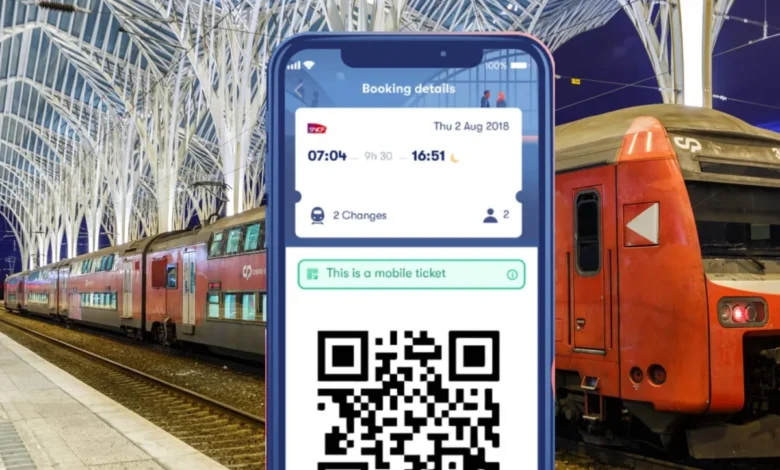
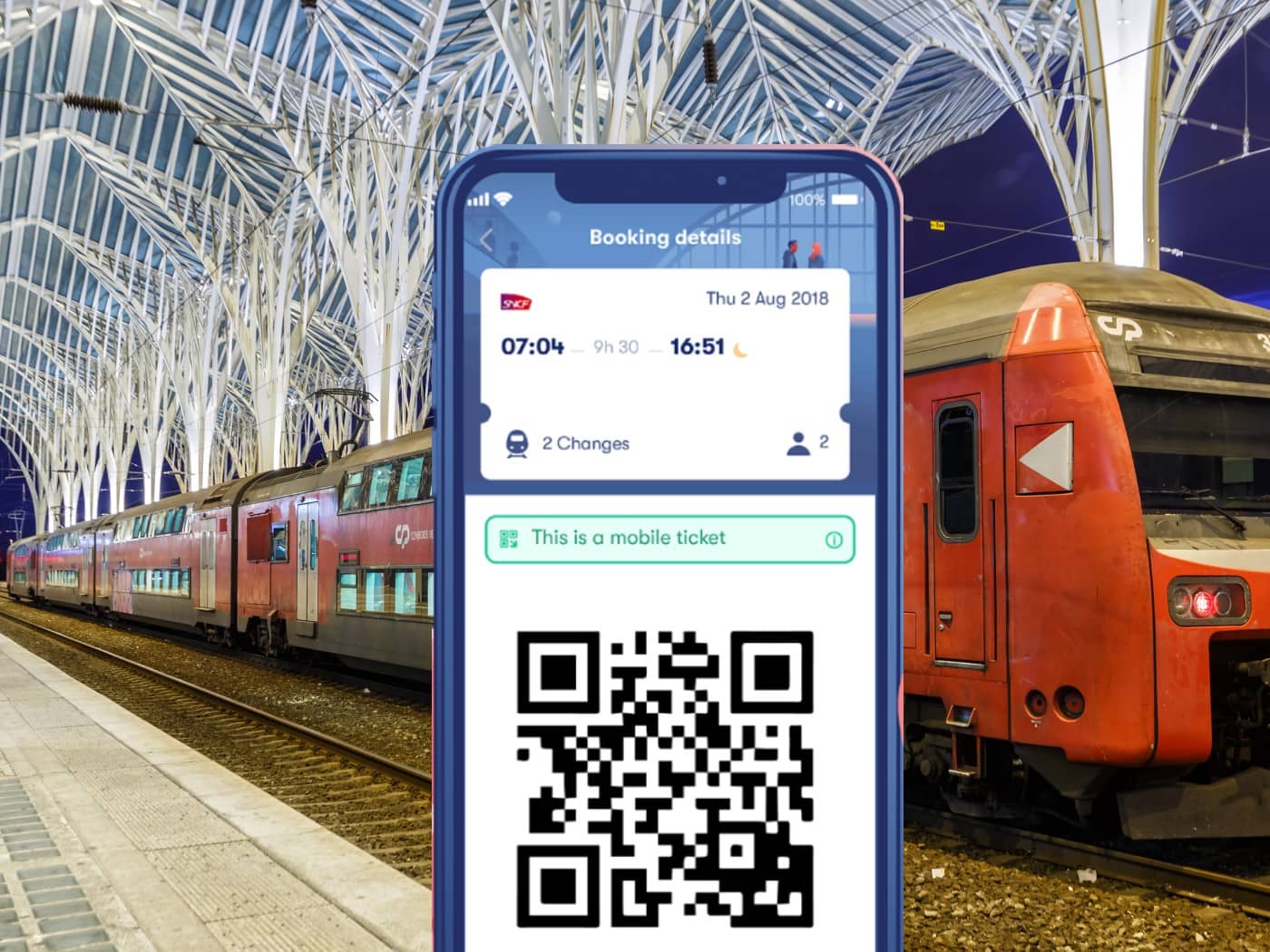
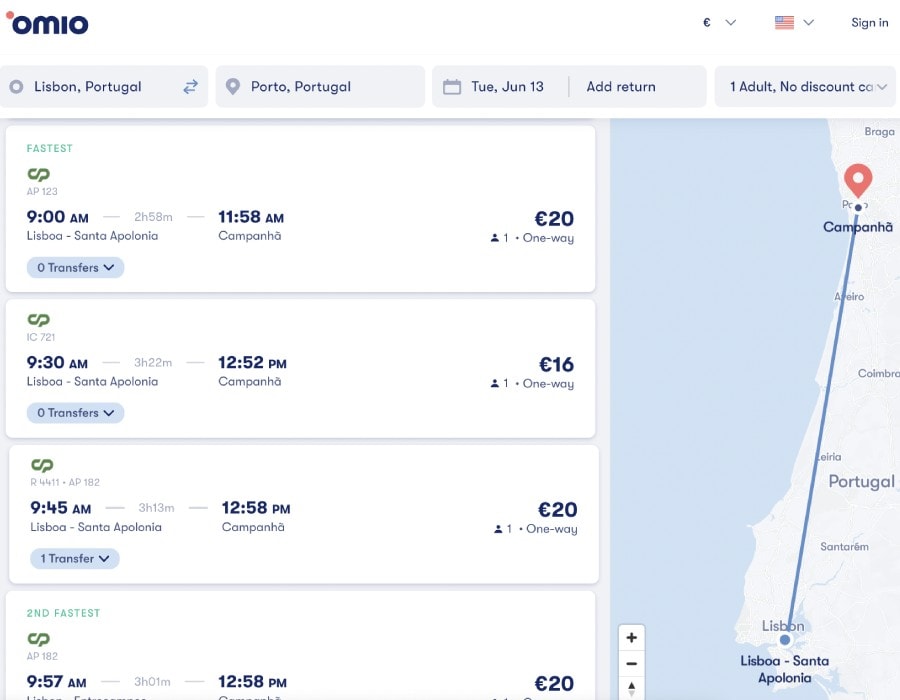
- Omio: This platform is lauded for its user-friendly interface, comprehensive search capabilities (integrating trains, buses, and flights), and robust support for international payment methods. It aggregates ticket options from various providers, often displaying the lowest available fares for CP services. While Omio charges a small service fee (typically around $1 per ticket), this is often a worthwhile trade-off for the convenience, multi-language support, and guaranteed transaction success. Most tickets booked via Omio are electronic, delivered directly to a smartphone via email or the Omio app, simplifying the boarding process with a QR code scan.
- Trainline: Similar to Omio, Trainline offers an intuitive booking experience, direct access to CP’s inventory, and generally resolves the foreign credit card issues faced on the official CP site. It also levies a modest booking fee, usually ranging from $1 to $3. Both platforms provide clear e-tickets and, in cases where e-tickets are not available, offer clear instructions for printing physical tickets at the station using a booking confirmation code. These platforms effectively bridge the gap between CP’s backend system and the diverse needs of international travelers, ensuring accessibility and ease of use.
3. Purchasing Tickets at the Train Station:
For those preferring in-person transactions or needing tickets for regional/urban routes not available online, train stations offer two primary options:
- Automated Ticket Machines: Ubiquitous in larger stations, these machines typically offer multiple language options, including English. They provide a quick way to purchase tickets. However, similar to the CP website, some international credit cards may not be accepted, potentially requiring cash or a local debit card.
- Ticket Windows: Staffed ticket windows are available at most stations. While lines can be lengthy, especially during peak travel times or at major hubs, they offer the advantage of human assistance. Most ticket agents in larger stations speak passable English, and credit card acceptance is generally broader. A critical operational note: ticket windows, particularly in smaller towns or on weekends, often open later in the morning. Travelers planning early departures are strongly advised to purchase tickets the day before to avoid potential delays or missed trains. This highlights a blend of modern and traditional approaches to ticket sales within the Portuguese system.
Strategic Booking: Fares, Classes, and Timing
Understanding the pricing dynamics of Portugal’s rail network is key to securing the most economical fares.
1. Ticket Types and Flexibility:
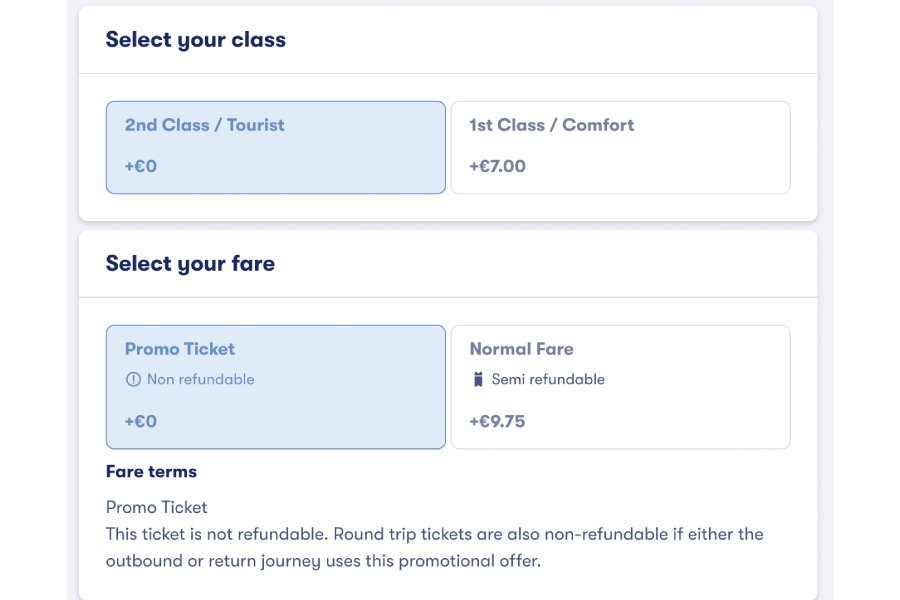
- Promo Fares (Tarifas Promo): These are the cheapest tickets available for Alfa Pendular and Intercidades services. They are characterized by strict conditions: non-refundable and non-exchangeable. This means any change in travel plans will result in forfeiture of the ticket value. These fares are ideal for travelers with fixed itineraries.
- Normal Fares (Tarifas Normal): Offering greater flexibility, these tickets allow cancellations (with a fee) up to 15 minutes before departure and exchanges (also with a fee). Naturally, they are significantly more expensive than promo fares, catering to those who prioritize adaptability in their travel arrangements.
2. Class Options: Conforto vs. Turística:
- Turística (Second Class): The standard class, offering comfortable seating and all necessary amenities for a pleasant journey. It provides excellent value for money and is the most popular choice for both locals and tourists.
- Conforto (First Class): Typically priced about 50% higher than second class, Conforto offers more spacious seating, greater legroom, and sometimes additional services like at-seat catering or access to lounges at major stations. While a more luxurious experience, the comfort of second class is often deemed sufficient for most journeys in Portugal.
3. The "Early Bird" Advantage: Dynamic Pricing Explained:
For Alfa Pendular and Intercidades trains, CP employs a dynamic pricing model, akin to airline ticketing. Ticket sales commence approximately 60 days before the departure date, and prices tend to increase as the travel date approaches and demand rises.
- Significant Savings: Booking well in advance can lead to substantial discounts. For example, a ticket purchased a month ahead might cost around €10, whereas the same ticket bought on the day of travel could be €35 or more.
- Discount Tiers: Typically, tickets purchased 5 days in advance can be around 50% off the full fare, while those bought 8 days ahead might yield savings of 60% or more. This strategy rewards early commitment.
- Demand-Based Fluctuation: Prices also vary based on the popularity of specific departure times. Off-peak hours or less popular days generally offer lower fares.
- Regional/Urban Exception: For Regional, Interregional, and Urban trains, pricing is fixed and does not fluctuate with demand or booking time. These tickets are often purchased on the day of travel, either at the station or via local public transport cards.
4. Ticket Collection and Validation:
The majority of tickets purchased online, especially via third-party platforms, are e-tickets. These are stored digitally in a booking app or sent via email, featuring a QR code that is scanned by the train conductor. For physical tickets bought at the station without a specific departure time printed, validation is mandatory. This involves scanning the ticket at designated machines on the train platform before boarding. Failure to validate can result in a hefty fine, underscoring the importance of adhering to local regulations.
Popular Train Routes and Regional Connectivity
Portugal’s rail network facilitates travel to its most iconic destinations and hidden gems. Here are some of the most frequently traveled routes:

- Lisbon to Sintra (Approx. 45-60 min): As Lisbon’s most popular day trip, the journey to the magical palaces and gardens of Sintra is short and frequent. Local trains depart regularly from Lisbon’s Rossio Station. Tickets, priced around €2.30 each way, are purchased exclusively at the station. Due to high tourist volumes, especially in peak season, arriving early to avoid long queues at ticket windows is advisable.
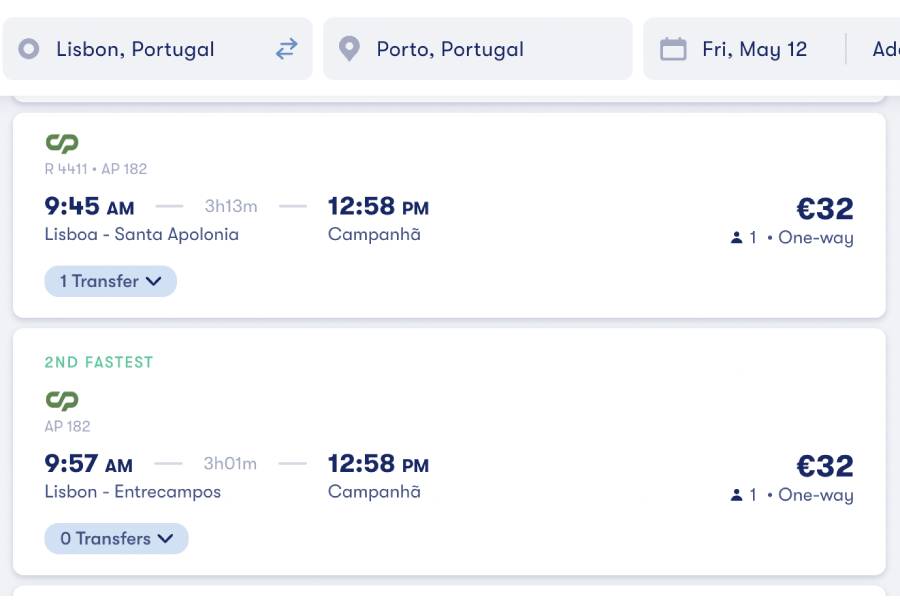
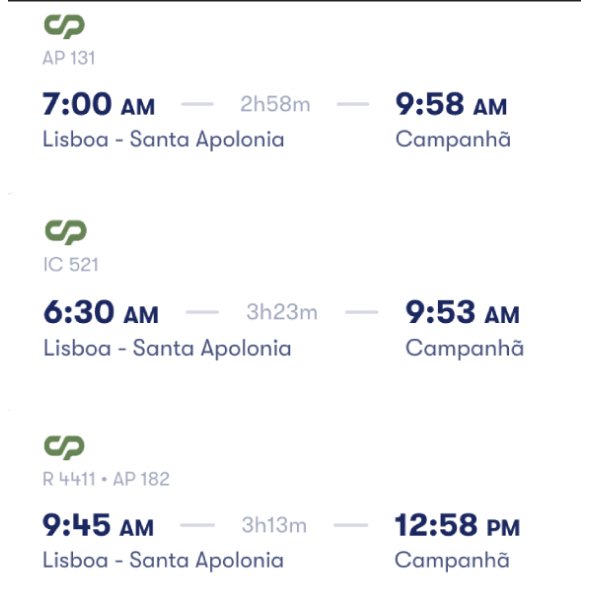
- Lisbon to Porto (Approx. 2.5-3 hours): Connecting Portugal’s two largest cities, this is a high-demand route. Alfa Pendular trains complete the journey in about 2 hours 40 minutes, while Intercidades take approximately 3 hours 10 minutes, typically departing from Lisbon’s Oriente Station and arriving at Porto’s Campanhã Station. Standard fares begin around €32, but early booking can reduce this by 50% or more.
- Lisbon to Braga (Approx. 3 hours 16 minutes): Braga, a historic city in northern Portugal, is accessible via high-speed rail. Direct trains from Lisbon are available, though some routes may require a change in Porto, which can extend travel time. Fares typically range from €30-€40, with early booking offering prices as low as €12-€15.
- Lisbon to Coimbra (Approx. 1.5-2 hours): The historic university city of Coimbra, strategically located between Lisbon and Porto, is a popular stop. Direct Alfa Pendular or Intercidades services connect Lisbon to Coimbra. Standard tickets are usually €20-€26, reducible to €10-€15 with early purchase.
- Lisbon to Faro (Approx. 3-3.5 hours): For those seeking the sun-drenched beaches of the Algarve, Faro is the gateway city. High-speed Alfa Pendular trains reach Faro in about 3 hours, with Intercidades taking around 3.5 hours. This route provides efficient access to Portugal’s southern coast.
Beyond these main routes, CP also offers connections to other significant locations such as Aveiro, Guimarães, and Évora, allowing travelers to explore the full breadth of Portuguese culture and geography.
General Portugal Train Travel Tips and Broader Implications
Several practical considerations enhance the train travel experience in Portugal:
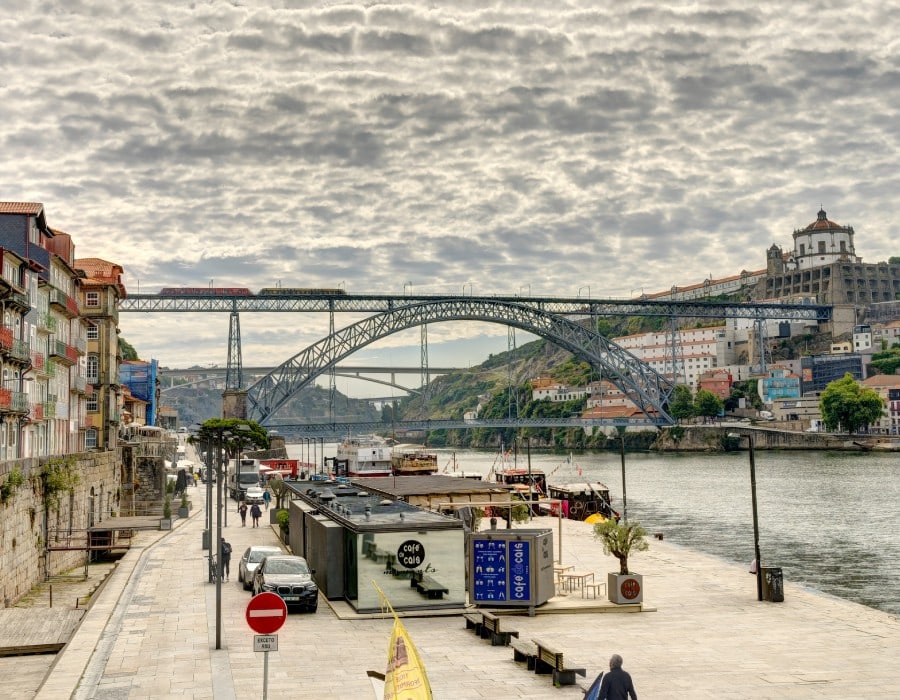
- Station Awareness: Many Portuguese cities, including Lisbon and Porto, have multiple train stations. It is crucial to confirm the correct departure and arrival stations for your specific journey (e.g., Lisbon’s Rossio for Sintra, Oriente for long-distance).
- Luggage Policy: While CP technically specifies limits (one personal bag and one suitcase), enforcement is generally relaxed unless passengers carry an excessive amount of luggage. Trains provide ample storage space between carriages and overhead racks above seats.
- Seat Reservations: On Alfa Pendular and Intercidades trains, a seat reservation is automatically included with the ticket. Regional and Urban trains operate with open seating on a first-come, first-served basis.
- Food and Drink: Passengers are permitted to bring their own food and beverages, including alcohol, onboard. High-speed trains often feature a cafe car offering snacks, coffee, and drinks, and some services may even include a restaurant car.
- Mobile Connectivity: Reliable high-speed mobile data is highly recommended for managing e-tickets, checking schedules, and navigating. Solutions like local SIM cards or eSIMs (e.g., from providers like Airalo or Holafly) offer convenient and cost-effective data access throughout the country.
- International Connections: Due to Portugal’s geographical position on the Iberian Peninsula, direct international rail connections are limited. The most notable route is Lisbon to Madrid, Spain, which is a lengthy 14-hour overnight journey. Consequently, most travelers prefer air travel for international trips from Portugal. However, there are ongoing discussions and aspirations for future high-speed rail links that could significantly improve connectivity with Spain and the broader European network.
Broader Impact and Future Outlook:
The efficient and accessible rail network in Portugal has profound implications beyond simply moving people. It significantly contributes to:
- Sustainable Tourism: By offering a viable alternative to car and air travel for domestic journeys, the rail network supports Portugal’s commitment to sustainable tourism practices, reducing the carbon footprint of visitors.
- Regional Development: Easy rail access encourages tourists to explore regions beyond the main metropolitan areas, distributing economic benefits more widely and supporting local businesses in smaller towns.
- Urban Decongestion: Robust urban and regional train services help alleviate traffic congestion in major cities, improving the quality of life for residents and enhancing the visitor experience.
- Economic Contribution: The rail sector itself is a significant employer and consumer of goods and services, contributing directly to the national economy.
Looking ahead, Portugal’s Ministry of Infrastructure and CP continue to outline plans for further modernization and expansion. This includes potential upgrades to existing lines, further electrification, and long-term ambitions for high-speed connections that could integrate Portugal more closely with Europe’s high-speed rail network. These developments promise to further cement the train’s role as the preferred mode of transport for exploring the captivating country of Portugal.
Related posts: