The Art of Letting Go: Navigating Professional Failure, Legal Challenges, and Personal Loss in the Modern Creator Economy

The landscape of digital entrepreneurship and the high-pressure environment of the "influencer" industry have come under renewed scrutiny following a series of candid disclosures by Liz Carlson, a prominent figure in the international travel blogging community. Known professionally as the "Young Adventuress," Carlson has documented a tumultuous period characterized by the closure of her physical business, a protracted legal dispute, and significant personal trauma. Her experience serves as a case study for the complexities of managing a public-facing career while navigating the volatile economic and legal realities of the post-pandemic era.

The Evolution of the Digital Creator and the Birth of NODE
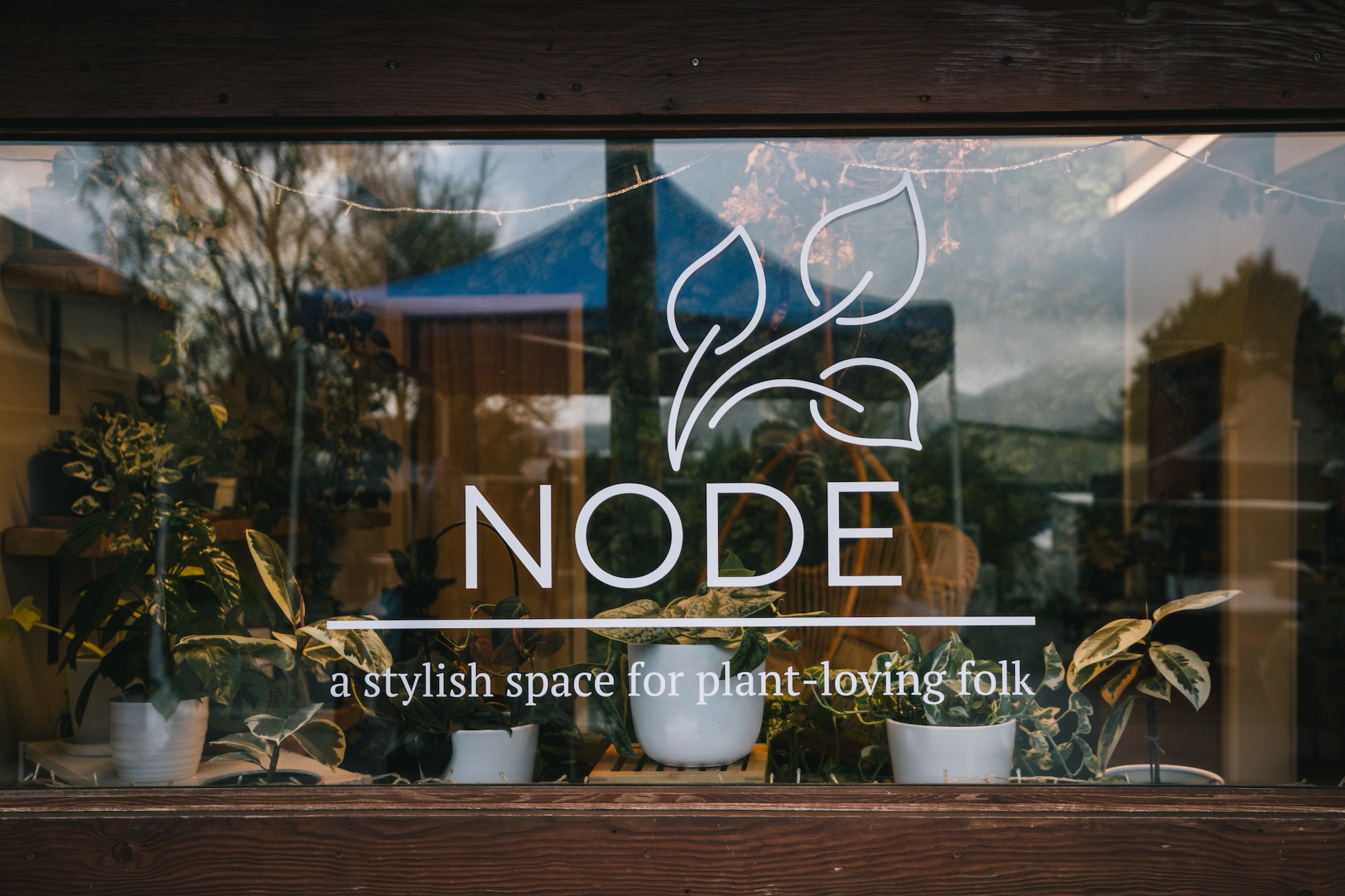
Liz Carlson began her digital career in 2010, transitioning into a full-time professional blogger and social media strategist by 2013. During the initial rise of Instagram, Carlson was an early adopter in New Zealand, helping to define the "influencer" business model by collaborating with tourism boards and conservation brands. However, the onset of the COVID-19 pandemic in 2020 necessitated a radical shift in her business operations. With international borders closed and the travel industry at a standstill, Carlson pivoted to a domestic venture: a designer houseplant boutique named NODE, located in Lyttelton, New Zealand.
The venture capitalized on a significant domestic trend. During the pandemic, the houseplant market in New Zealand experienced unprecedented growth, with rare specimens occasionally fetching prices exceeding $500 NZD. NODE was initially successful, leading to a book deal and providing a physical community hub. However, the venture was geographically and emotionally tied to a personal relationship. When that relationship ended, the logistical burden of maintaining a physical storefront while residing in Wānaka—a five-hour commute away—became unsustainable.

Chronology of Business and Personal Transitions
The period between 2020 and 2024 represents a dense timeline of overlapping crises for Carlson. To understand the current state of her professional pivot, it is necessary to examine the sequence of events that led to the closure of her physical shop:

- 2020: The launch of NODE in Lyttelton as a response to the global travel shutdown.
- 2021–2022: A series of personal losses, including the death of her stepfather and a close friend, alongside significant health challenges, most notably a heart attack.
- 2022: The initiation of a legal dispute with a casual employee, which would span over a year and significantly impact Carlson’s mental health and financial stability.
- 2023: The decision to close the physical NODE storefront, transitioning the brand to an online-only model while Carlson sought work as a polar expedition guide.
- Early 2024: The resolution of the legal dispute and the official announcement of her career shift away from traditional "influencer" marketing toward specialized expedition guiding in the Arctic and Antarctic.
Legal Challenges and Employment Law in New Zealand
A central component of Carlson’s recent struggles involved a protracted legal battle within the New Zealand employment relations framework. In late 2022, a casual employee hired to assist with online orders at NODE filed a personal grievance claim. The claimant alleged "unjustifiable dismissal" and argued that her casual status should have been classified as a permanent part-time role, seeking damages and lost wages totaling approximately $26,000 NZD.

Under New Zealand’s Employment Relations Act 2000, the distinction between casual and permanent employment is a frequent point of contention. Casual employees generally have no guaranteed hours and no ongoing expectation of work. However, if a regular pattern of work develops, the Employment Relations Authority (ERA) may deem the relationship to be permanent, regardless of the written contract.

In this instance, Carlson maintained that the legal requirements for casual employment were followed strictly. Despite the judge reportedly indicating the claimant had no standing, the "no-win, no-fee" legal model allowed the case to proceed to the brink of a court hearing before it was abruptly dropped by the claimant. The financial impact on Carlson was significant, involving substantial legal fees and mediation costs that were not recoverable. This experience highlights a growing concern among small business owners regarding the potential for the personal grievance system to be leveraged in ways that resemble extortion, particularly when the costs of defense exceed the costs of a settlement.

The Physical and Psychological Toll of Cumulative Stress
Carlson’s narrative aligns with modern psychological research regarding the long-term impacts of cumulative trauma. In her reflections, she cites The Body Keeps the Score by Bessel van der Kolk, a seminal work on how trauma is stored physically in the nervous system. The "body keeping score" was manifested in Carlson’s experience through severe fatigue, brain fog, and a high-stress physiological state that persisted for years.
Medical data suggests that high-functioning individuals often experience a "crash" only after the immediate crisis has passed. After returning to her home in Hāwea following a season of work in the polar regions, Carlson reported sleeping for a week straight and experiencing cognitive difficulties. This psychosomatic response is common in individuals who have spent extended periods in "survival mode," where the adrenal system is overtaxed by constant environmental and emotional stressors.

Reevaluating the Influencer Business Model
The shift in Carlson’s career also reflects a broader disillusionment with the current state of social media marketing. As the "influencer" industry has matured, many veteran creators have reported "burnout" caused by the demands of algorithmic changes, the pressure for constant engagement, and the perceived superficiality of the "click-driven" economy.

Carlson noted a growing disconnect between her personal values—focused on long-form storytelling, conservation, and depth—and the trend toward short-form video content and "performative" social media interactions. Data from the creator economy suggests a bifurcation in the market: while some creators lean into high-volume, low-depth content, others are pivoting toward specialized, expertise-based roles. Carlson’s transition into polar guiding represents this shift toward "adventure expertise" over "lifestyle influence."

Transitioning to Polar Expedition Guiding
The pivot to polar guiding is not merely a career change but a professionalization of a long-term interest. Carlson had traveled to the Arctic and Antarctic as a member of the media for nearly a decade before pursuing the certifications required to join an expedition team.
The role of a polar guide is rigorous, requiring certifications in small boat (Zodiac) handling, firearms safety (for polar bear protection in the Arctic), first aid, and environmental regulations set by the International Association of Antarctica Tour Operators (IAATO) and the Association of Arctic Expedition Cruise Operators (AECO). Carlson has now completed five months of active duty in these regions, signaling a move away from the "Young Adventuress" persona toward a career as a technical professional in the expedition cruise industry.

Broader Impact and Implications for Small Business Owners
The experiences shared by Carlson resonate with a wider demographic of small business owners and digital entrepreneurs who faced the "polycrisis" of the early 2020s. The combination of business closure, legal vulnerability, and personal grief provides several key takeaways for the current economic climate:

- Legal Vulnerability for Small Businesses: The NODE legal dispute underscores the need for small business owners to have robust employment insurance and a deep understanding of the local labor laws, even when hiring for casual roles.
- The Importance of "Phased" Closure: Carlson’s delay in closing NODE’s physical storefront—driven by an emotional attachment to a "dream"—resulted in significant financial and mental strain. Her eventual relief upon closing highlights the importance of "sunk cost" awareness in entrepreneurship.
- The Value of Career Agility: The ability to pivot from a digital-first career to a specialized physical role (polar guiding) illustrates the importance of transferable skills, such as public speaking, group management, and environmental knowledge.
- Mental Health Awareness: The transparency regarding "rock bottom" experiences contributes to a more realistic understanding of the "effortless" lives often portrayed on social media. It challenges the "hustle culture" narrative by acknowledging that the body and mind require periods of deep rest and processing after trauma.
In conclusion, Liz Carlson’s transition from a travel influencer and shop owner to a polar guide is a testament to the necessity of adaptation. While the "art of letting go" is often framed in personal growth terms, in Carlson’s case, it was a strategic necessity for survival in a rapidly changing world. Her story remains a significant point of reference for those navigating the intersection of public identity, private struggle, and the pursuit of a meaningful professional life in the wake of global upheaval.