Paris continues to hold its position as the world’s premier travel destination, attracting millions of international visitors annually with its unique blend of historical significance, architectural grandeur, and culinary excellence. For the modern traveler, navigating a city of such scale requires a structured approach to maximize cultural immersion while managing the logistical complexities of a metropolis divided into 20 distinct arrondissements. A comprehensive five-day itinerary has emerged as the industry standard for experiencing both the iconic landmarks and the nuanced neighborhood cultures that define the French capital. By prioritizing a mix of high-profile monuments, such as the Eiffel Tower and the Louvre, alongside residential enclaves like Montmartre and the Latin Quarter, visitors can achieve a balanced perspective of the city’s evolution from a Roman settlement to a global center of the Enlightenment and modern fashion.
Infrastructure and Logistical Framework for International Arrivals
The efficiency of a Parisian excursion is largely dictated by an understanding of its transportation infrastructure. Most international travelers enter via Charles de Gaulle (CDG) Airport, located approximately 25 kilometers northeast of the city center. The airport is integrated into the Réseau Express Régional (RER) B line, which provides a direct link to central hubs like Gare du Nord and Châtelet–Les Halles. Alternatively, the city serves as a primary terminus for the European high-speed rail network, with Gare de l’Est, Gare du Nord, and Gare de Lyon handling millions of passengers arriving from London, Brussels, and Berlin.
Once within the city limits, the Paris Métro remains the most effective mode of transit. Operating 16 lines with over 300 stations, the system is designed so that no point in the city is more than 500 meters from a station. Statistical data from the RATP (Régie Autonome des Transports Parisiens) indicates that the Métro handles over 4 million passengers daily, making it a more reliable option than surface taxis, which are frequently delayed by the city’s dense traffic and ongoing pedestrianization initiatives led by the municipal government. Travel experts recommend multi-day passes, such as the "Paris Visite" or the Navigo Easy card, to streamline movement between the Right and Left Banks.
Chronology of Exploration: A Five-Day Strategic Itinerary
To mitigate traveler fatigue and optimize geographical proximity, the city is best explored through a chronological and neighborhood-based framework. This prevents unnecessary cross-city transit and allows for a deeper appreciation of the architectural transitions between districts.
Day One: The Monumental Axis and the Seventh Arrondissement
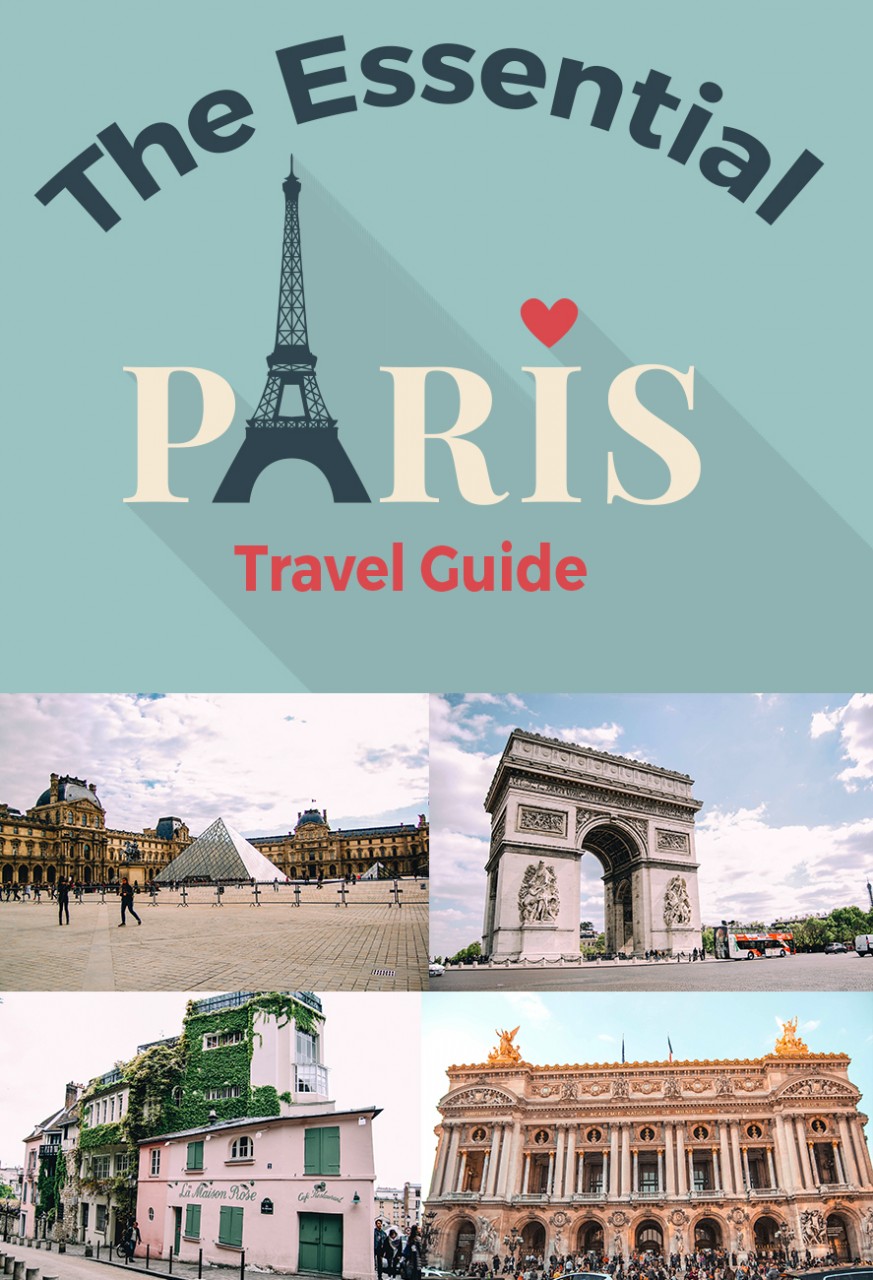
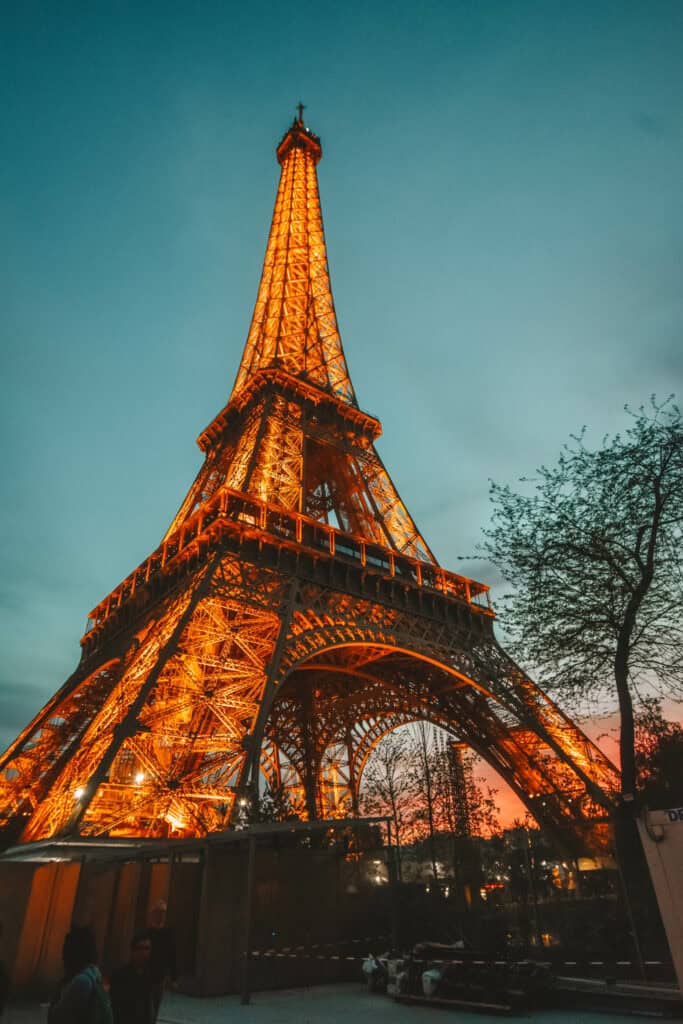
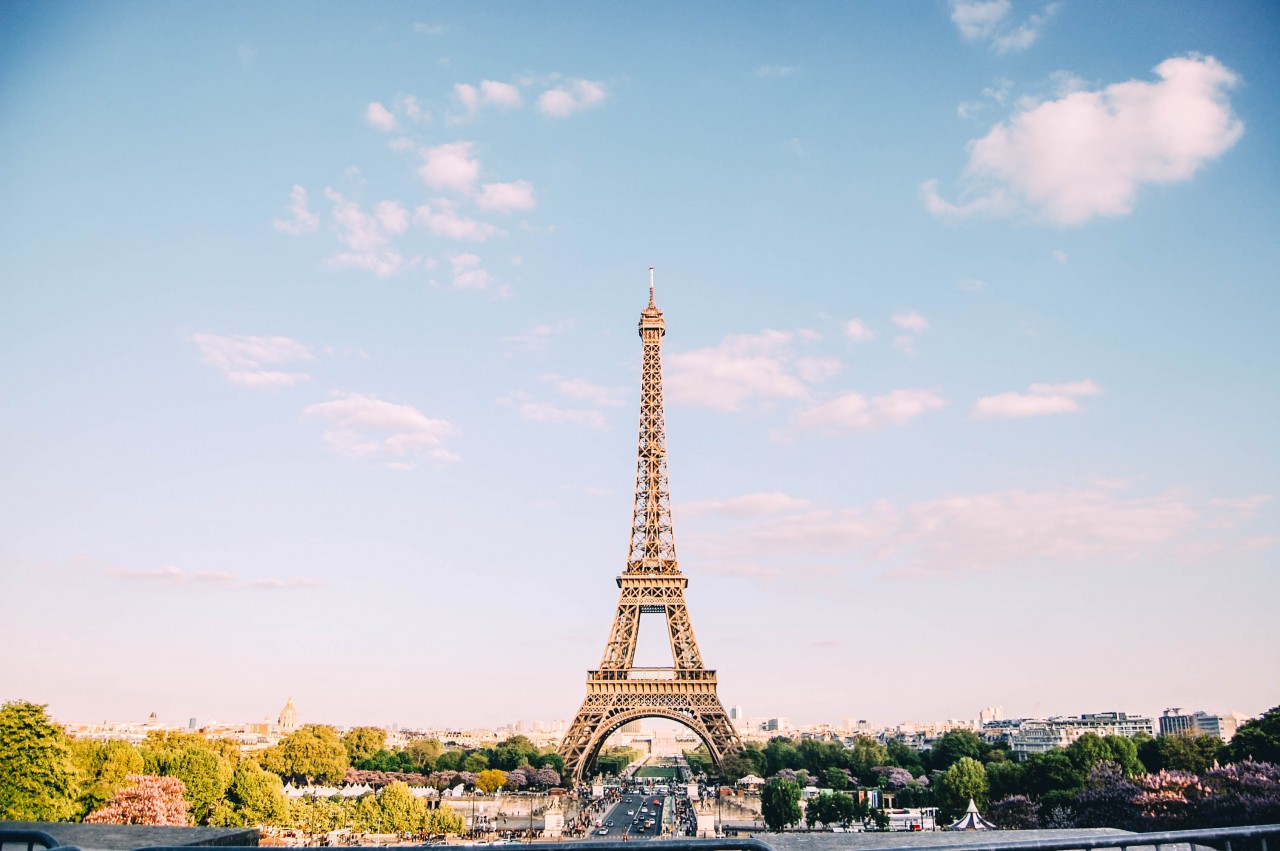
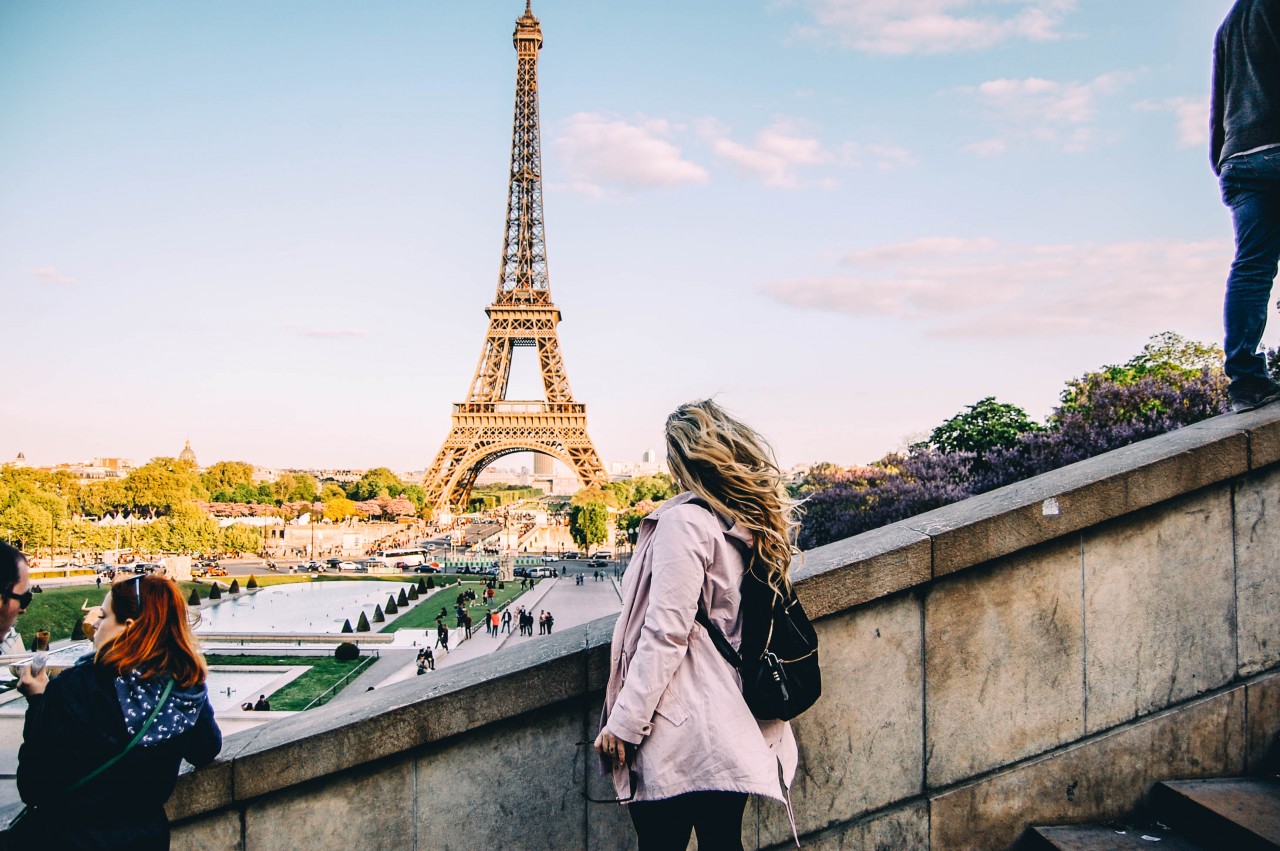
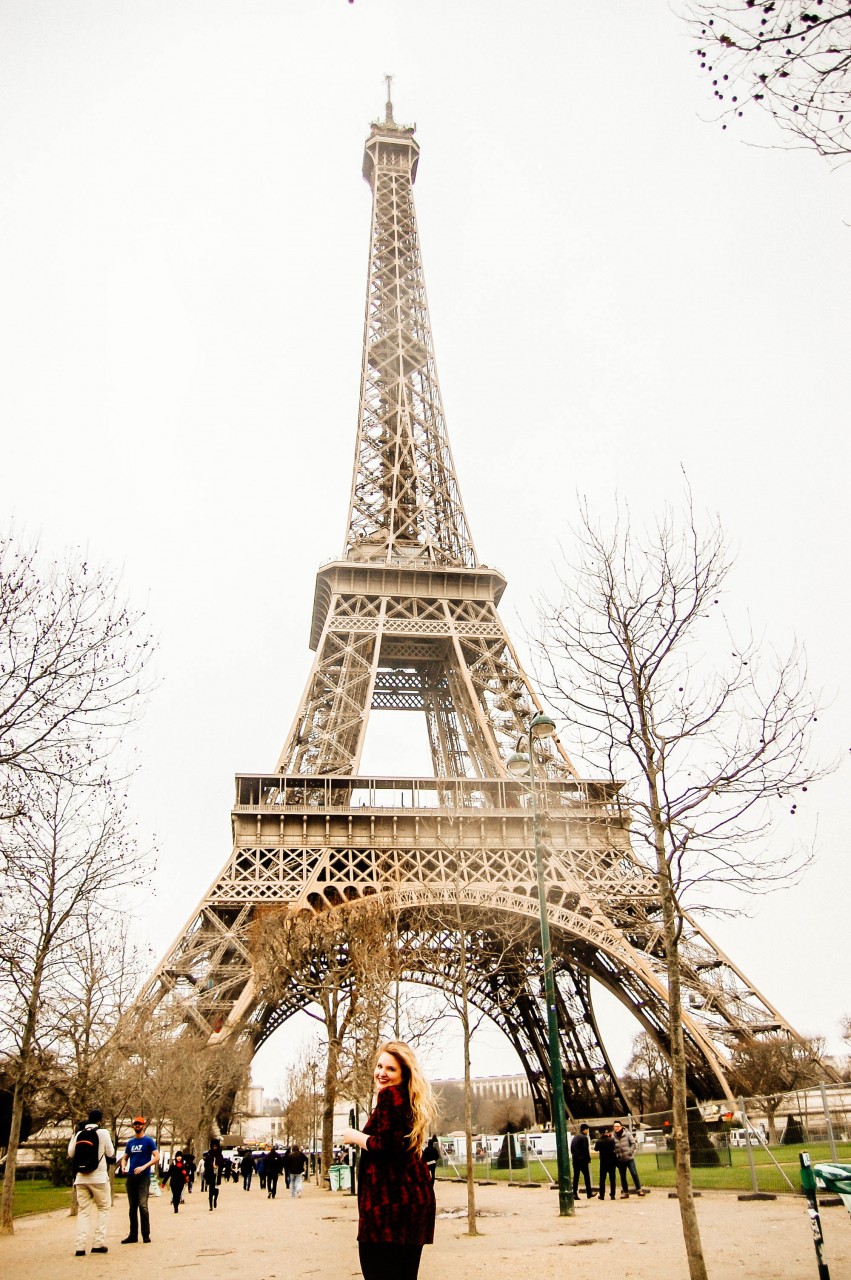
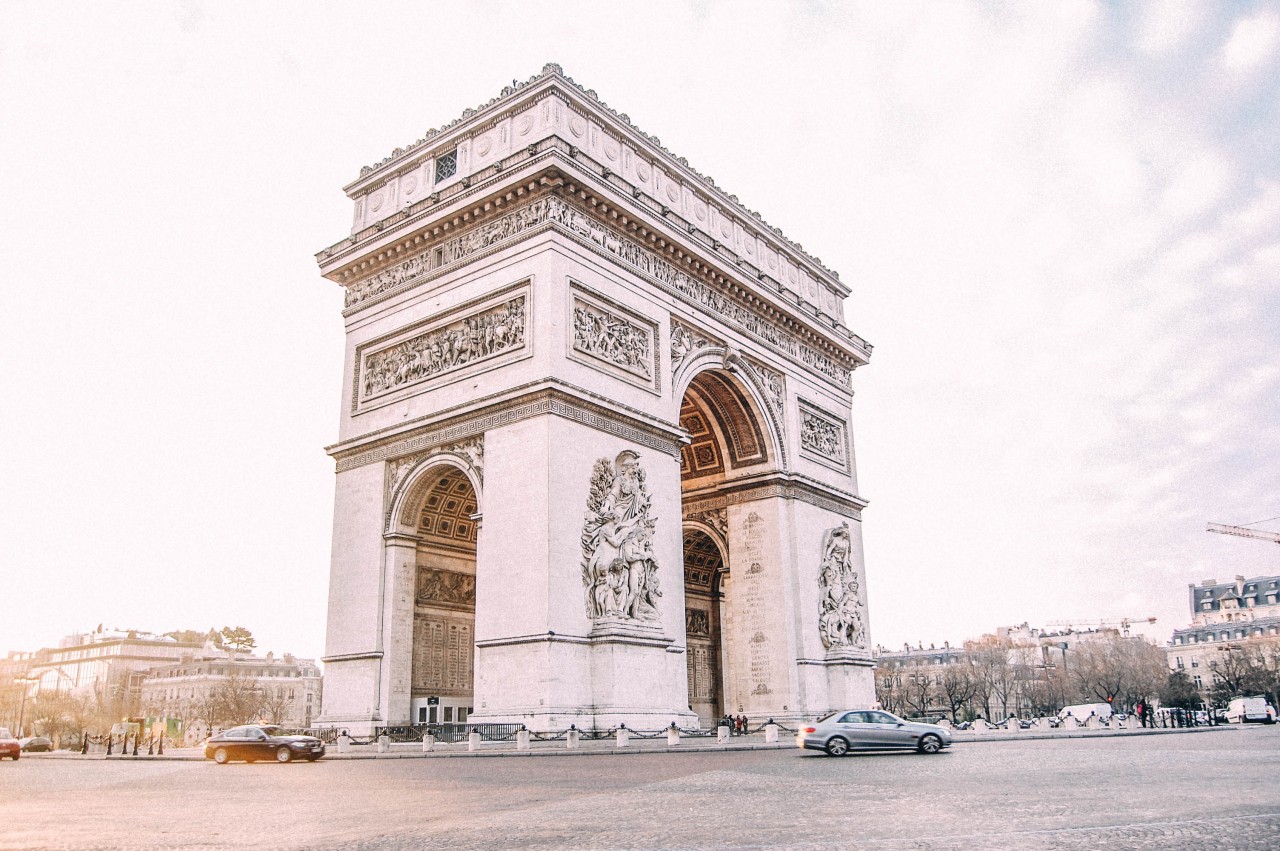
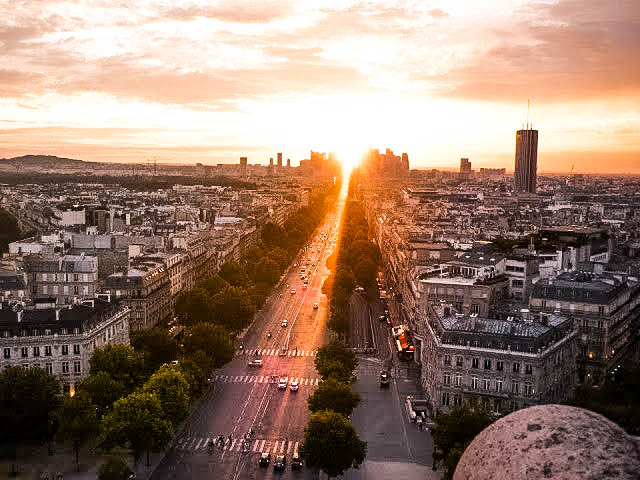
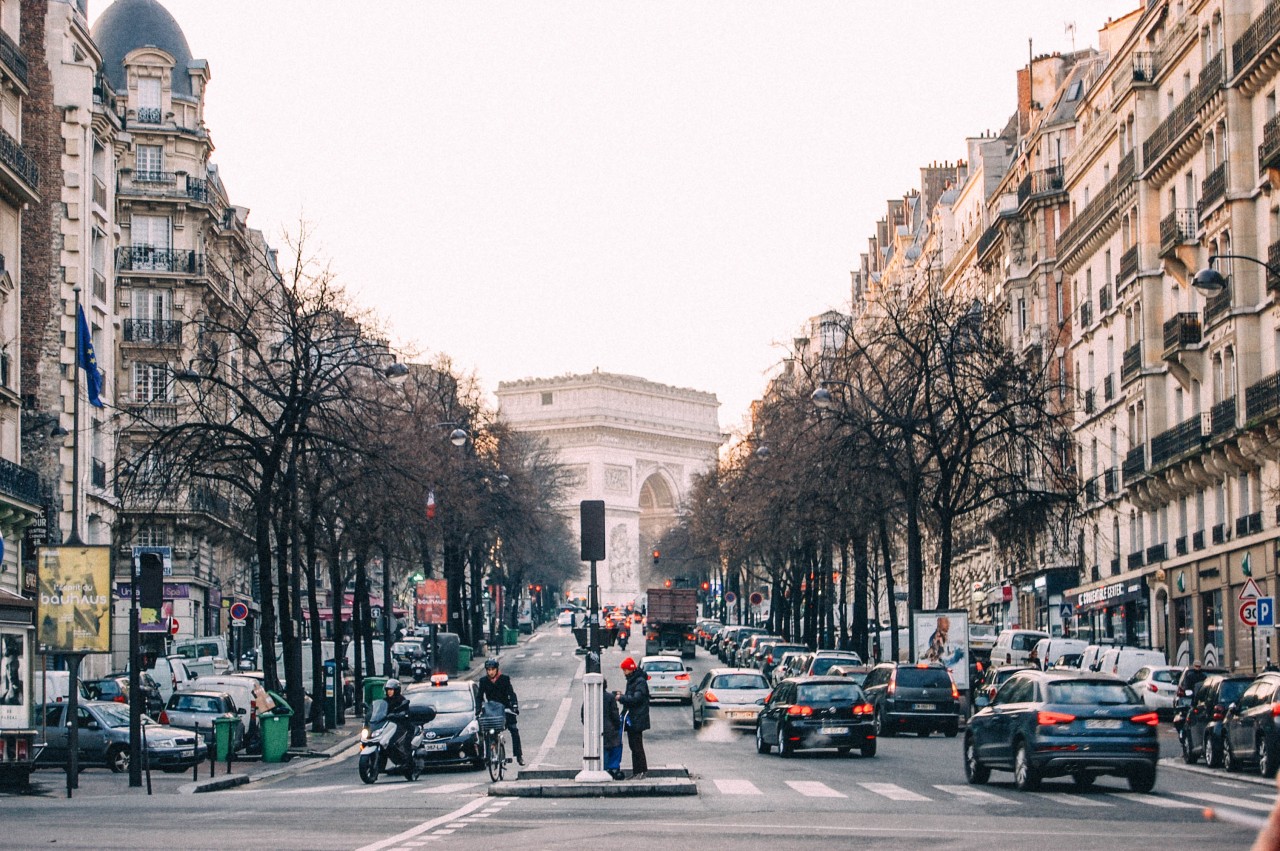
The first stage of the itinerary focuses on the 19th-century transformation of Paris. The Eiffel Tower, originally constructed for the 1889 World’s Fair, serves as the primary anchor point. Standing at 330 meters, the iron lattice structure remains the tallest building in Paris and a symbol of industrial progress. Travelers are advised to utilize the Trocadéro gardens for panoramic views before proceeding to the Arc de Triomphe. Commissioned by Napoleon in 1806, the Arc stands at the center of the Place Charles de Gaulle, where twelve grand avenues converge.
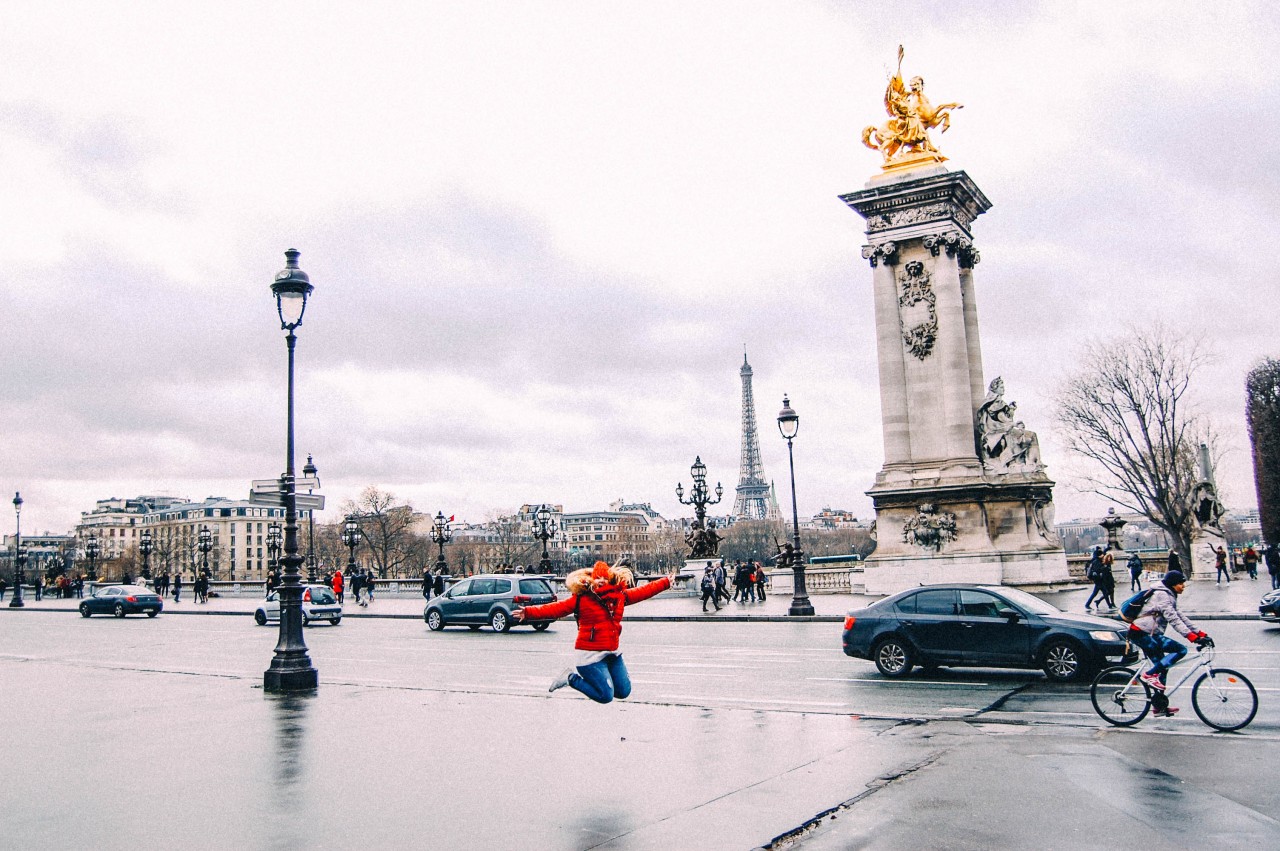
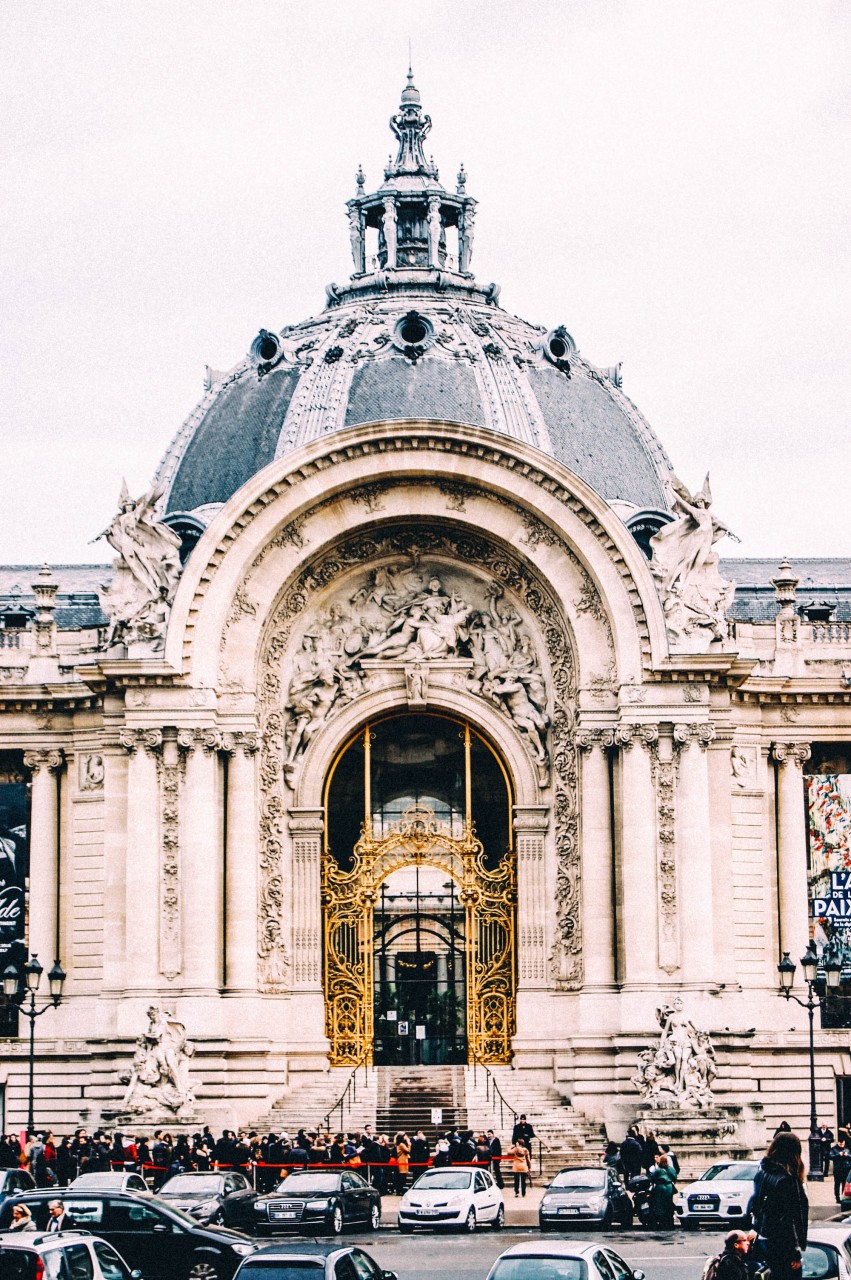
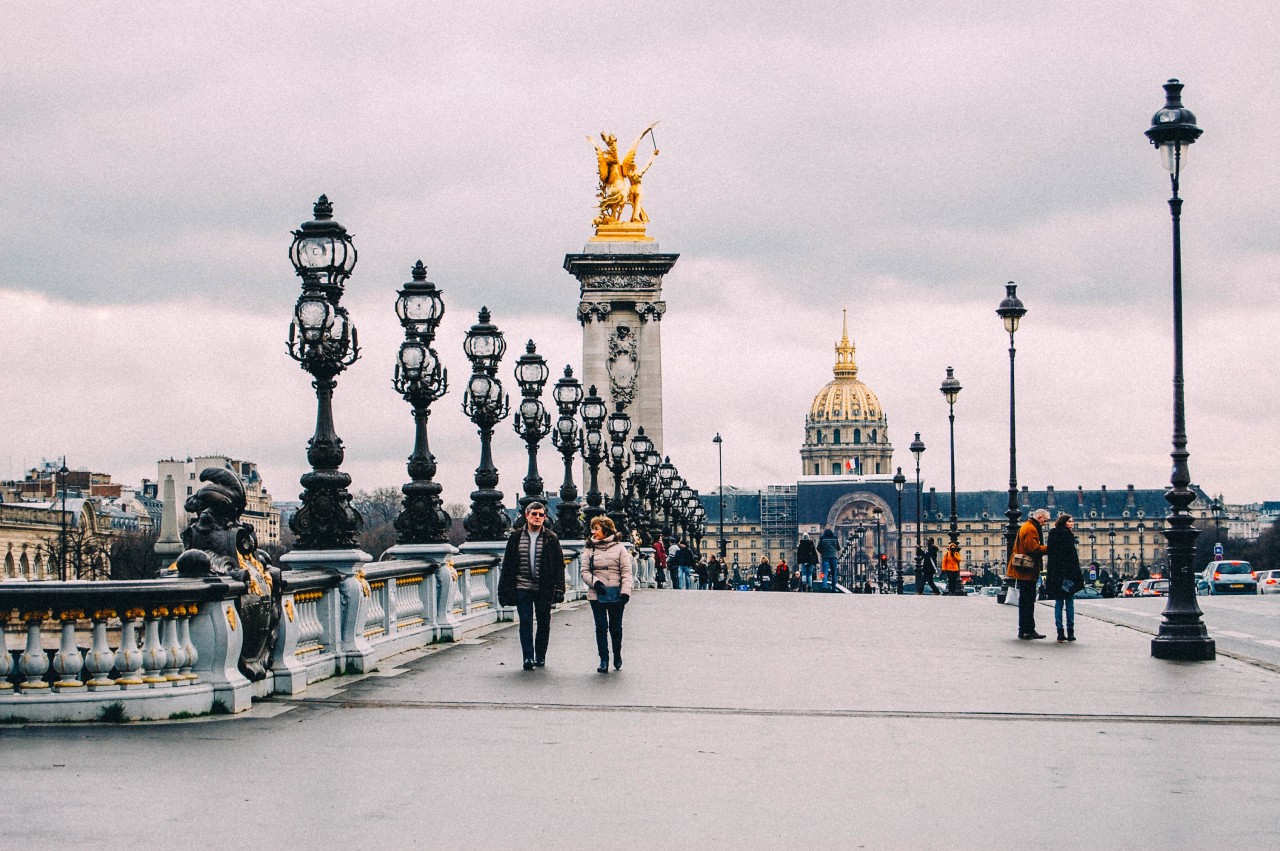
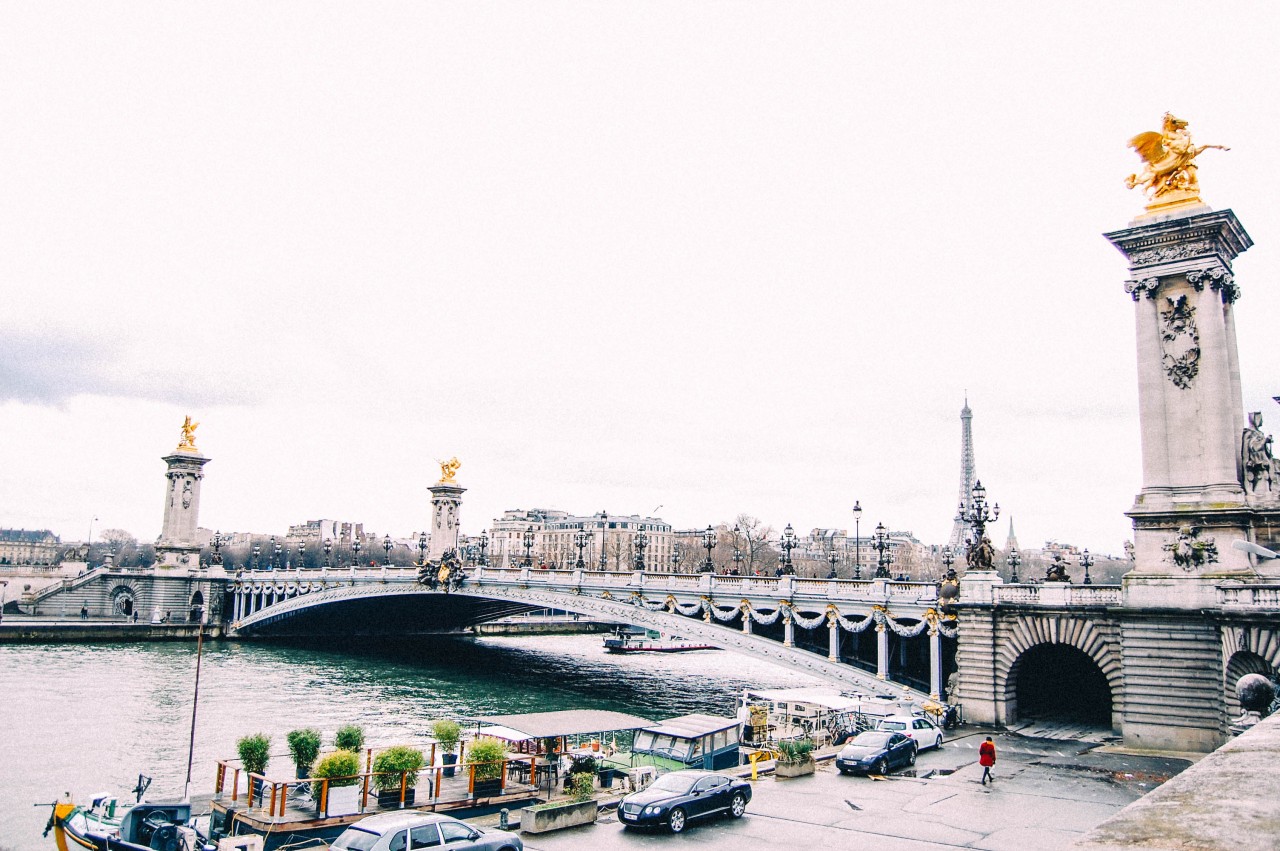
The afternoon transitions to the Grand Palais and Petit Palais, structures characterized by their Beaux-Arts architecture and glass domes. These sites, located near the Pont Alexandre III—often cited as the city’s most ornate bridge—provide a gateway to the museum district. The Musée d’Orsay, housed in a former railway station, offers a critical look at Impressionist and Post-Impressionist works (1848–1914), serving as a chronological bridge between the classical collections of the Louvre and the modernism of the Centre Pompidou.
Day Two: Historical Foundations and the Latin Quarter
The second day is dedicated to the city’s medieval and ecclesiastical history. Located on the Île de la Cité, the Cathédrale Notre-Dame de Paris remains a focal point of Gothic architecture, even as restoration efforts continue following the 2019 fire. Nearby, the Sainte-Chapelle offers a masterclass in 13th-century stained glass, with fifteen panels depicting 1,113 scenes from biblical history.
Moving south into the Left Bank, the Latin Quarter (5th Arrondissement) provides a look into the city’s intellectual heritage, anchored by the Sorbonne University. The Panthéon, originally a church dedicated to St. Genevieve, now serves as a secular mausoleum for France’s most distinguished citizens, including Victor Hugo and Marie Curie. This historical immersion concludes with the Luxembourg Gardens, a 23-hectare park commissioned by Marie de’ Medici in 1612, which serves as a prime example of French formal garden design.
Day Three: Artistic Heritage and Northern Enclaves
The focus shifts to the 18th Arrondissement, specifically the hilltop district of Montmartre. Historically an independent village, Montmartre became an artistic hub in the late 19th century, hosting luminaries such as Picasso and Van Gogh. The Basilique du Sacré-Cœur, situated at the city’s highest natural point, offers a distinct white travertine facade that dominates the northern skyline.
The itinerary then moves toward the Grands Boulevards to examine the city’s commercial history. The Galeries Lafayette, with its Neo-Byzantine glass dome, represents the pinnacle of Parisian retail culture. To conclude the day, the Père Lachaise Cemetery provides a quiet reflection on the city’s cultural icons; it is the most visited necropolis in the world, containing the remains of figures such as Oscar Wilde and Edith Piaf.
Day Four: The Royal Extension to Versailles
A comprehensive visit to Paris necessitates a departure from the city center to the Palace of Versailles. Located 20 kilometers southwest of Paris, the estate was the seat of political power from 1682 until the French Revolution in 1789. The palace, a UNESCO World Heritage site, spans 800 hectares and includes the Hall of Mirrors, the Royal Apartments, and the expansive Gardens of Versailles. The site requires a full day of dedication to appreciate the scale of absolute monarchy and its impact on French landscape architecture.
Day Five: Modern Luxury and the Louvre
The final day returns to the 1st Arrondissement, starting with the Tuileries Garden and the Rue de Rivoli. This area highlights the intersection of royal history and modern high-end commerce. The Palais Garnier (Opéra National de Paris) stands as a monument to the Second Empire’s opulence. The culmination of the trip is the Musée du Louvre. As the world’s largest art museum, it houses approximately 35,000 objects, including the Mona Lisa and the Venus de Milo. Strategic planning is required for the Louvre, as its 72,735 square meters of exhibition space cannot be viewed in a single session.
Cultural and Economic Context of the Parisian Museum System
The Parisian museum system is not merely a collection of artifacts but a significant driver of the national economy. The Louvre alone reported nearly 8 million visitors in 2023, contributing to the billions of euros in tourism revenue that support the French service sector. The "Paris Pass" system represents a successful municipal strategy to distribute tourist traffic across lesser-known sites, such as the Rodin Museum and the Musée de l’Orangerie.
Furthermore, the city’s approach to art is increasingly focused on accessibility. The Rodin Museum, for instance, utilizes its outdoor gardens to display sculptures like "The Thinker," allowing for a more serene and spacious interaction with art compared to the crowded halls of the major galleries. This trend toward "slow tourism" is a direct response to the over-tourism challenges faced by major European capitals.
Gastronomy as a Cultural Pillar
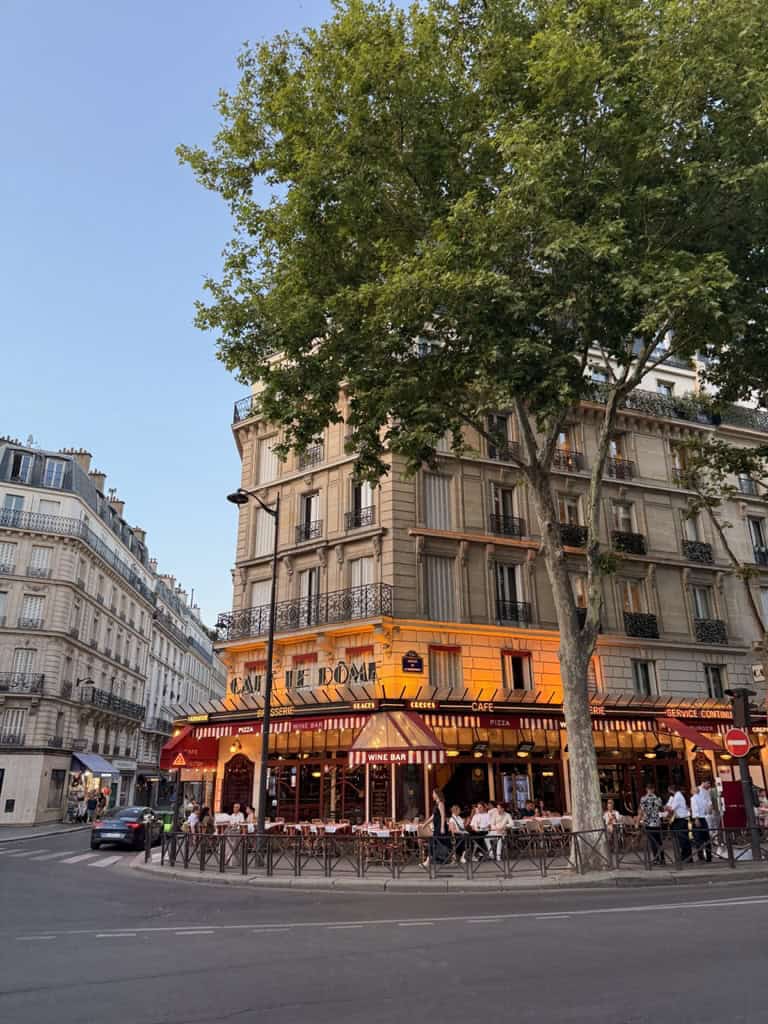
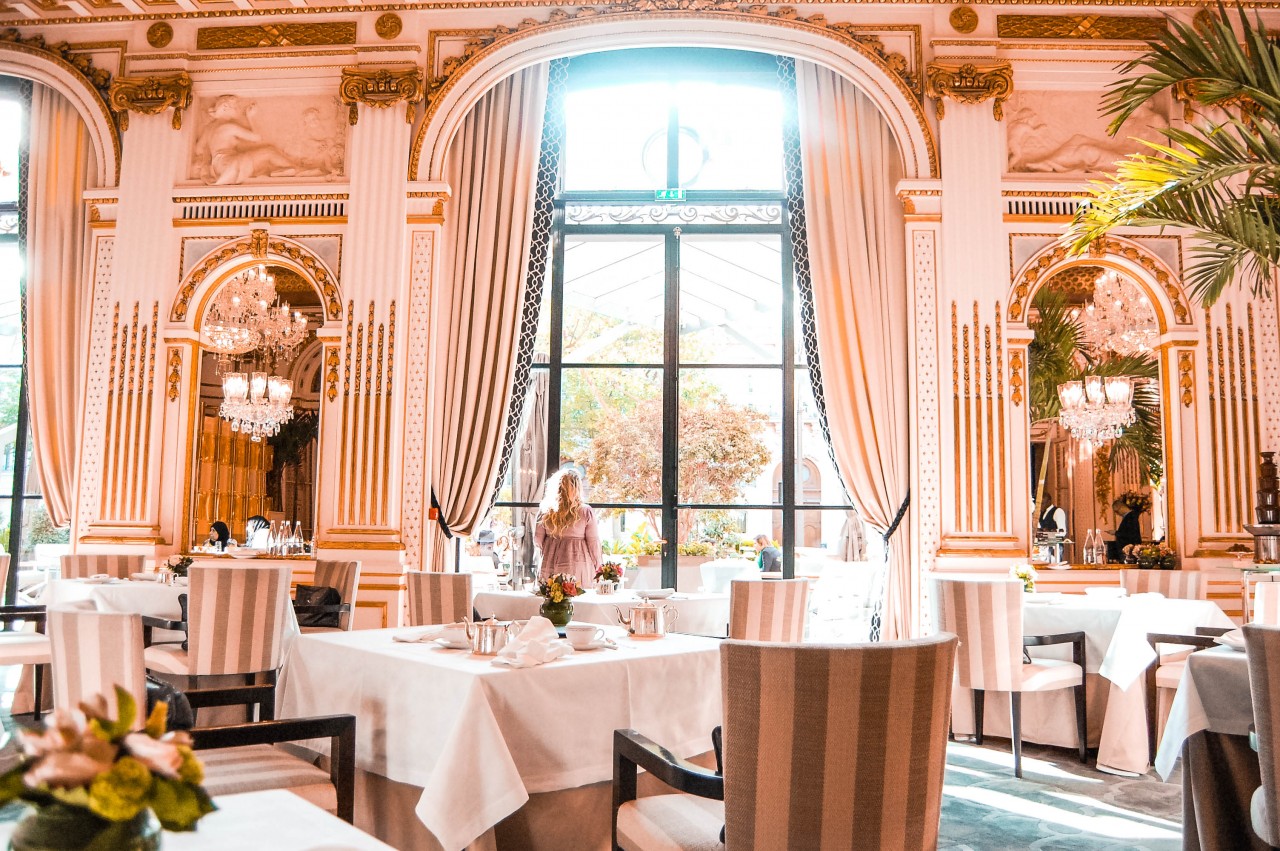
French cuisine was recognized by UNESCO in 2010 as an "intangible cultural heritage of humanity." In Paris, this heritage is experienced through a tiered system ranging from the traditional boulangerie to the Michelin-starred establishment. The culinary landscape is currently undergoing a shift toward "bistronomy"—a movement that combines high-quality, chef-driven menus with the more relaxed atmosphere of a neighborhood bistro. Notable examples like Comptoir de La Gastronomie illustrate the city’s ability to modernize traditional ingredients like foie gras and truffles for a contemporary audience.
The city’s coffee and pastry culture also remains a vital social fabric. Establishments like Angelina, famous for its African-sourced hot chocolate, and Café de Flore, a historic haunt for existentialist philosophers, serve as "third places" where the social life of the city unfolds.
Broader Impact and Future Outlook
As Paris prepares for the long-term impact of the 2024 Olympic Games, the city is undergoing significant environmental and structural transformations. Initiatives to make the Seine swimmable and the expansion of the "Plan Vélo" (cycling plan) are redefining how tourists and locals interact with the urban environment. The rise of river cruising along the Seine also offers a new dimension to French tourism, allowing travelers to connect the capital with the historical regions of Normandy and Provence.
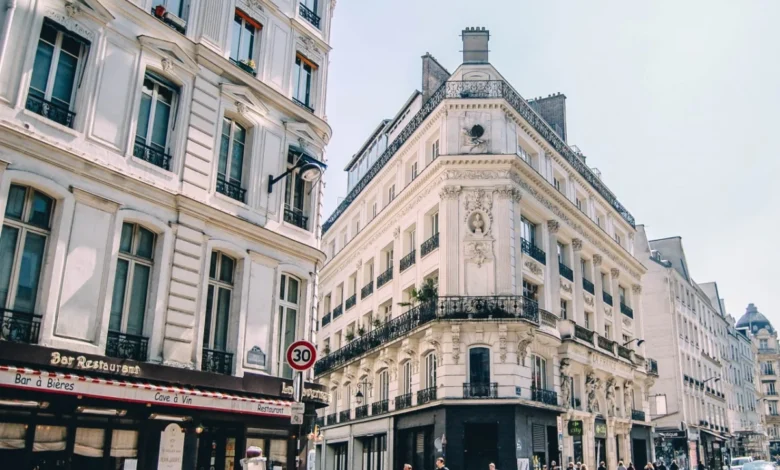
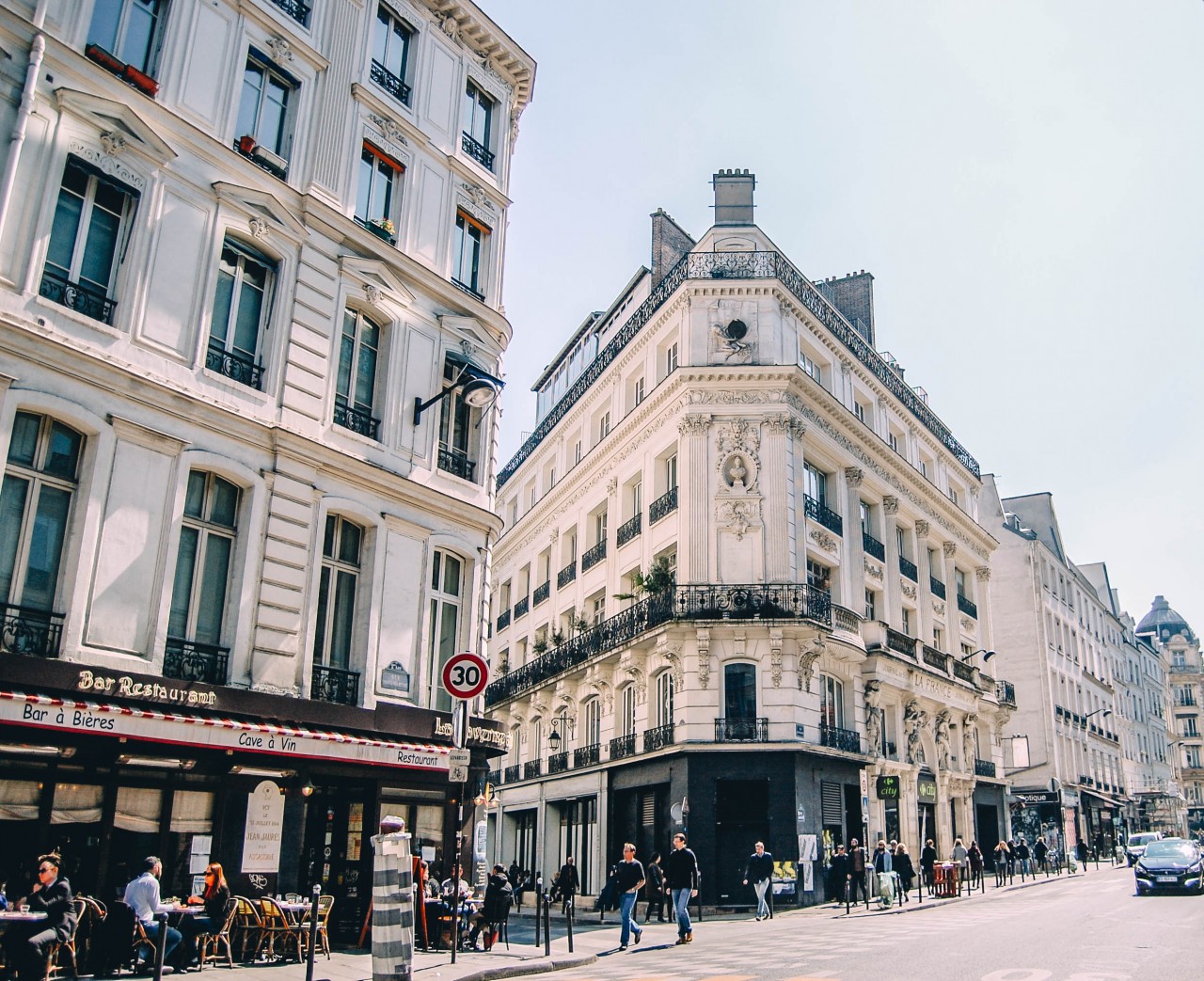
Paris remains a city of layers, where Roman ruins sit beneath medieval streets, which in turn are framed by Haussmann’s 19th-century boulevards. For the traveler, a disciplined five-day approach provides the necessary structure to navigate these layers, ensuring that the visit is not merely a checklist of monuments, but a comprehensive study of a city that continues to shape the global cultural imagination. Through careful logistical planning and an appreciation for the city’s historical chronology, visitors can experience the "magic" of Paris as a tangible, well-organized reality.