Community-Led Tourism Transforms Himalayan Villages: Village Ways Pioneers Sustainable Development in Northern India

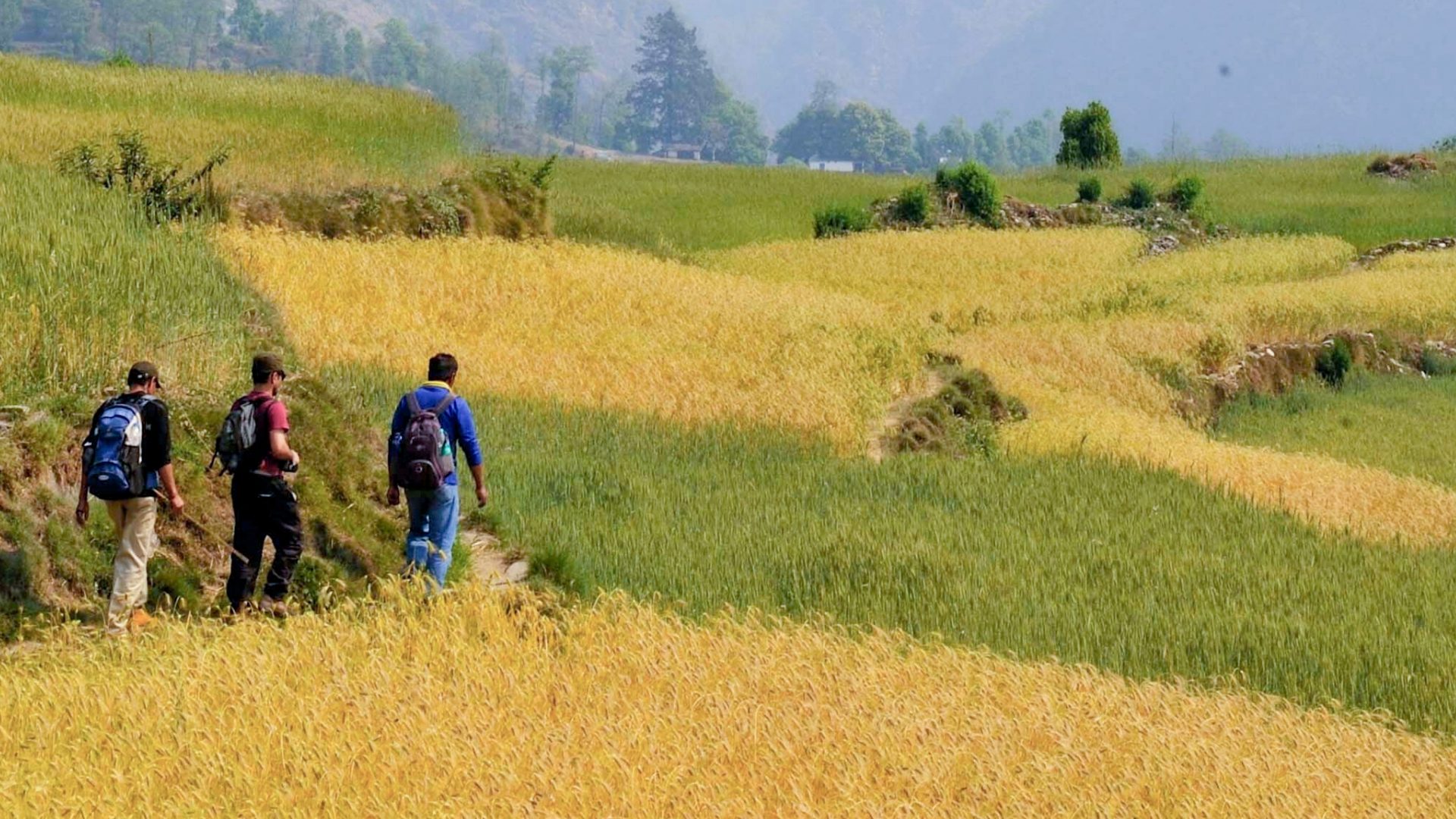
The transformative potential of travel, when harnessed for genuine good, is vividly illustrated in the remote reaches of northern India. Here, a pioneering social enterprise named Village Ways has forged a sustainable model of walking holidays, directly channeling tourism revenue back into rural communities. This innovative profit-share system not only creates vital employment opportunities but also actively preserves the unique cultural heritage, traditional way of life, and pristine natural environment of the Himalayan foothills. Richard Franks embarked on a slow-paced journey through this landscape, observing firsthand how this initiative has revitalized communities and offered a compelling blueprint for responsible tourism.
The Genesis of a Movement: Village Ways’ Unique Model
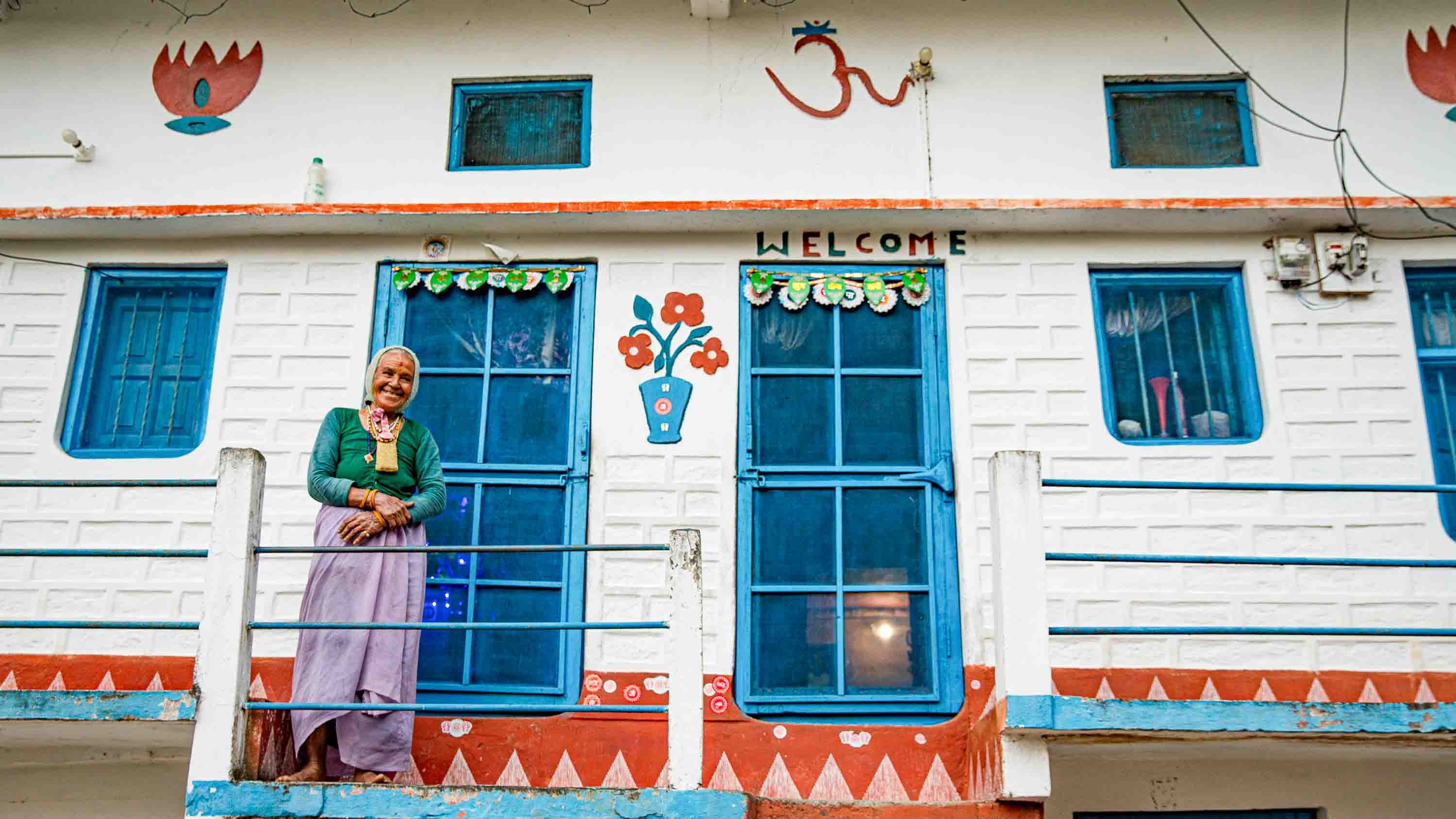
Founded in 2005 by the visionary husband-and-wife duo, Himanshu and Manisha Pande, Village Ways emerged from a deep understanding of the challenges faced by India’s rural communities, particularly in mountainous regions. Decades of economic disparity and limited opportunities have driven a significant exodus of younger generations from villages to urban centers in search of livelihoods, leading to depopulation, the erosion of cultural practices, and the neglect of ancestral lands. Village Ways sought to reverse this trend by demonstrating that sustainable, community-owned tourism could provide a viable economic alternative.

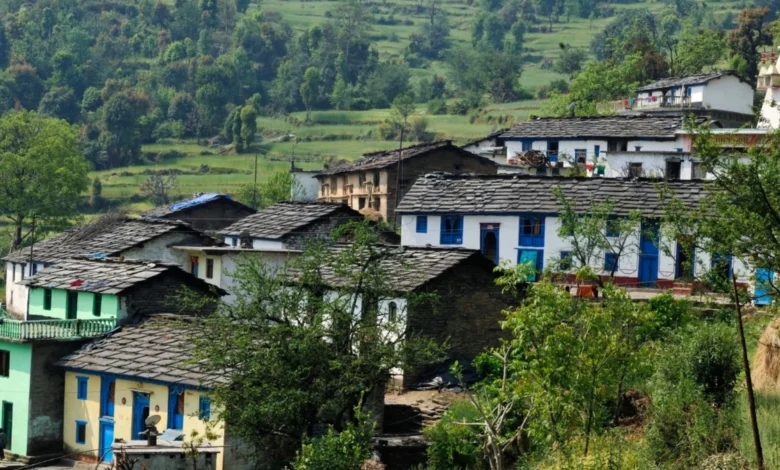
Their model is deceptively simple yet profoundly effective: intimate guesthouses are built, owned, and maintained entirely by local villagers. These aren’t hotels in the conventional sense but rather extensions of village homes, offering an authentic immersion into rural life. All profits generated from these stays are not siphoned off by external operators but are equitably distributed across the community through a Village Tourism Committee. This committee ensures fair decision-making and an equal split of income, with at least one member from each participating household. This direct financial benefit provides a tangible incentive for villagers to invest in their guesthouses, maintain their cultural traditions, and protect their natural surroundings. The focus on small-group travel, typically no more than five or six guests at a time, further minimizes environmental impact and prevents the negative consequences of overtourism, a growing concern in many popular destinations worldwide. Currently, this successful model has expanded to encompass approximately 30 villages across six Indian states, showcasing its replicability and broad potential.
An Immersive Experience in the Kumaon Region
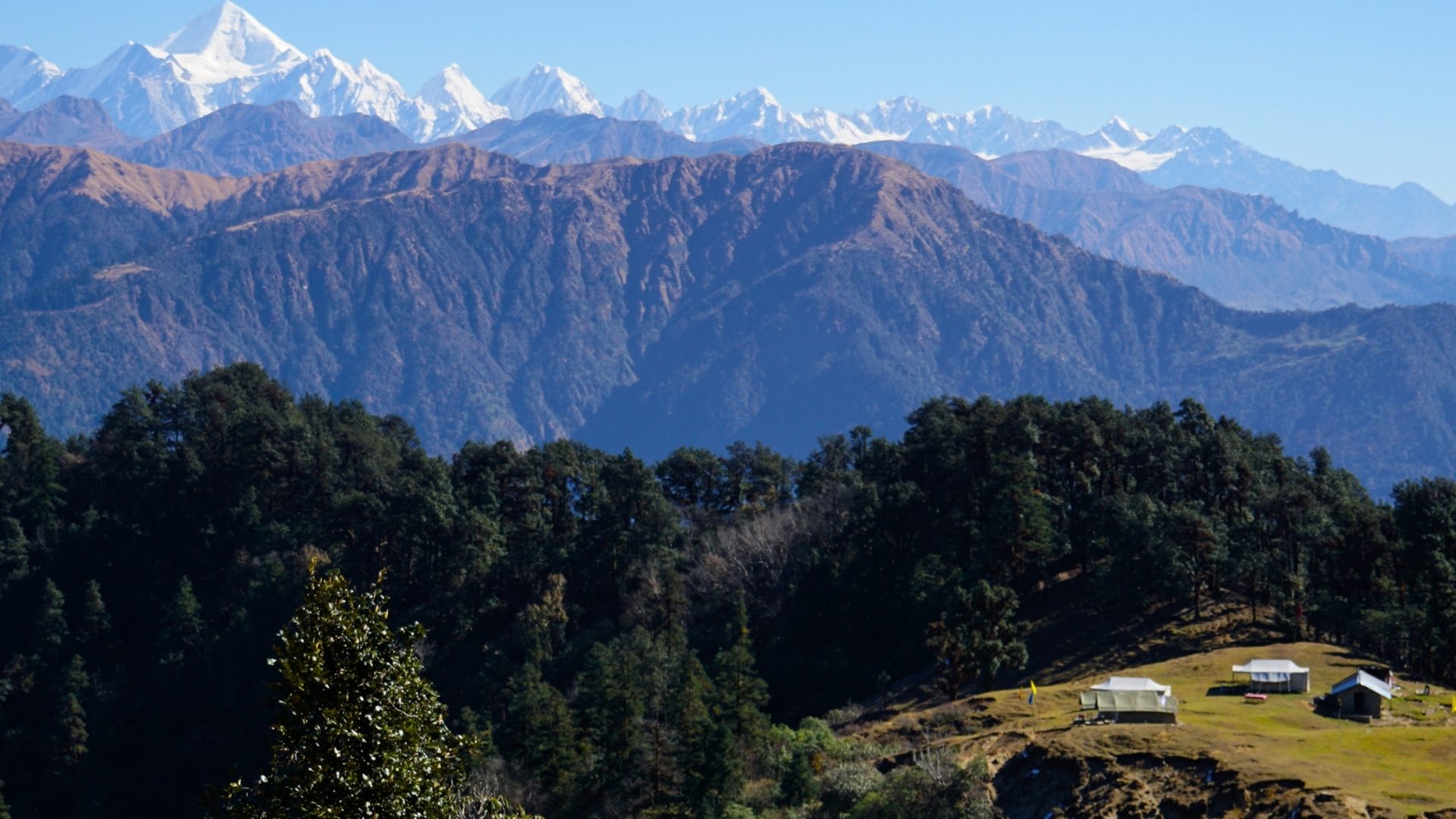
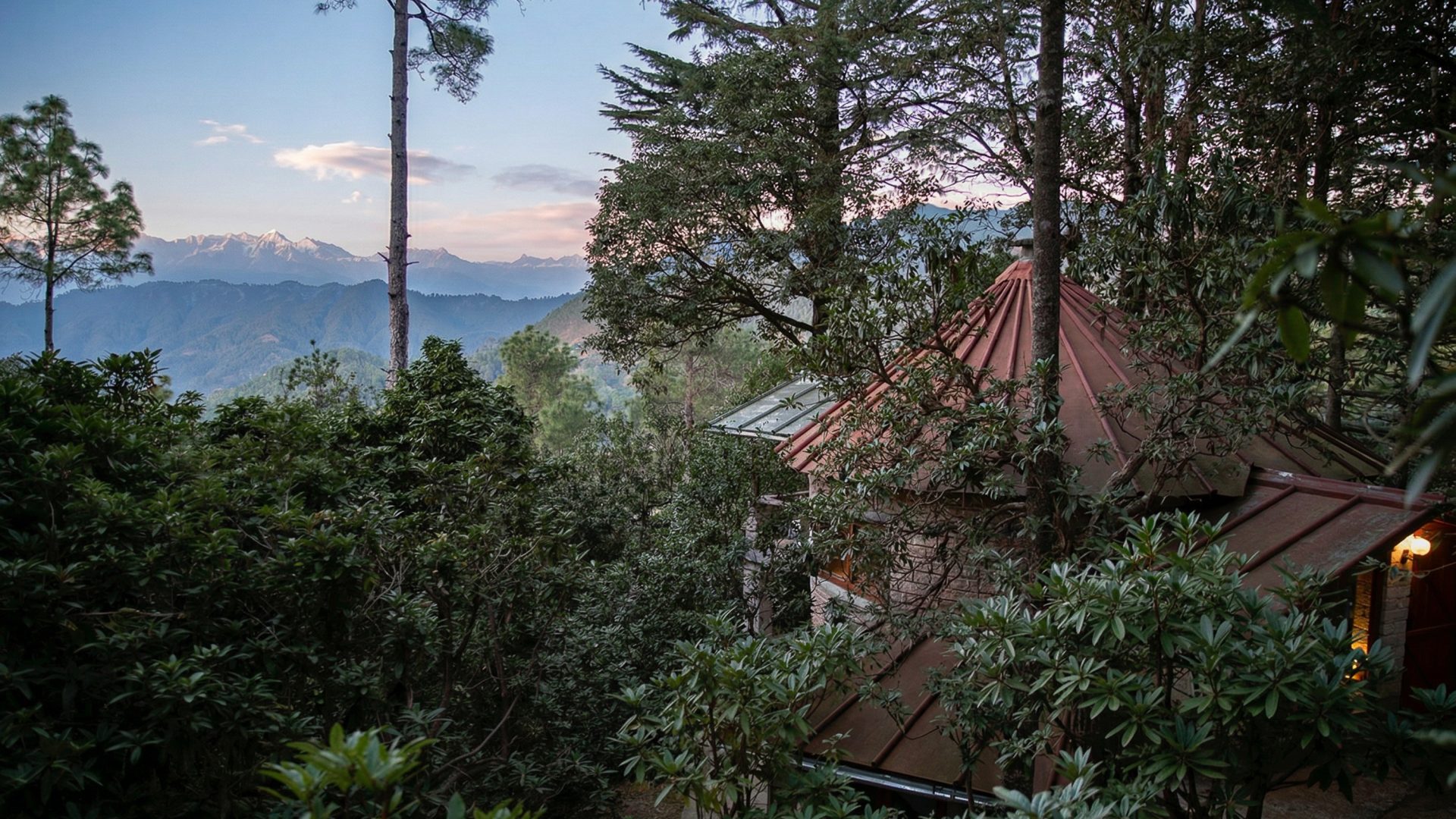
Richard Franks’ recent journey provided a firsthand account of the Village Ways experience, specifically on the "Khali in Kumaon" walking holiday in Uttarakhand’s Kumaon region, bordering China and Nepal. His arrival coincided with Diwali, the Hindu festival of lights, offering an immediate immersion into local culture. He recounted the evening sky at dusk, a "candyfloss" canvas swirling with firecracker smoke, silhouetting the "jagged hazy peaks" of the Himalayas in a deep orange glow. Inside a village-built guesthouse in Kathdhara, he participated in lighting candles and offering prayers to Lakshmi, the goddess of wealth and prosperity, before a communal thali dinner. The meal, featuring local specialties like daal, warm roti, aloo gobi (spiced potato and cauliflower), and bhang ki – a nutty, tangy chutney made from local hemp seeds blended with coriander and lime juice – underscored the authentic, farm-to-table nature of the experience.
The trip commenced and concluded with an overnight stay at the sprawling Khali Estate, a historic hotel nestled within the Binsar Wildlife Sanctuary. Mornings here set a deliberately slow pace, starting with chai on the deck as the first light illuminated the Himalayas. A hearty vegetarian breakfast of flaky paratha, hard-boiled eggs, and various chutneys provided ample fuel for the multi-day hike ahead. The journey itself unfolded along ancient footpaths, connecting villages like Kathdhara and Gonap, with further opportunities to explore Risal, Satri, and Dalar. These slow hikes, guided by local experts, are central to the Village Ways philosophy, allowing guests to truly absorb the landscape and its rhythm.
Historical Roots and Environmental Stewardship
Khali Estate, the gateway to many Village Ways treks, boasts a rich history stretching back over 150 years. It was originally constructed by General Sir Henry Ramsay, the British Commissioner for Kumaon during the 19th century. Serving from 1856 to 1884, a tenure significantly longer than the typical five-year average for British officials, Ramsay earned the local moniker "King of Kumaon" for his efforts in building local infrastructure, including roads, hospitals, and schools. While acknowledging the broader, often uncomfortable, colonial context, Himanshu Pande emphasized their desire to "build on his good work by ensuring that everyone living in the five villages close by—Kathdhara, Gonap, Satri, Risal and Dalar—has employment and can be self-sufficient, without needing to leave their traditional homes." The estate also holds historical significance as a temporary ashram for Mahatma Gandhi in 1929, further embedding it in India’s national narrative.
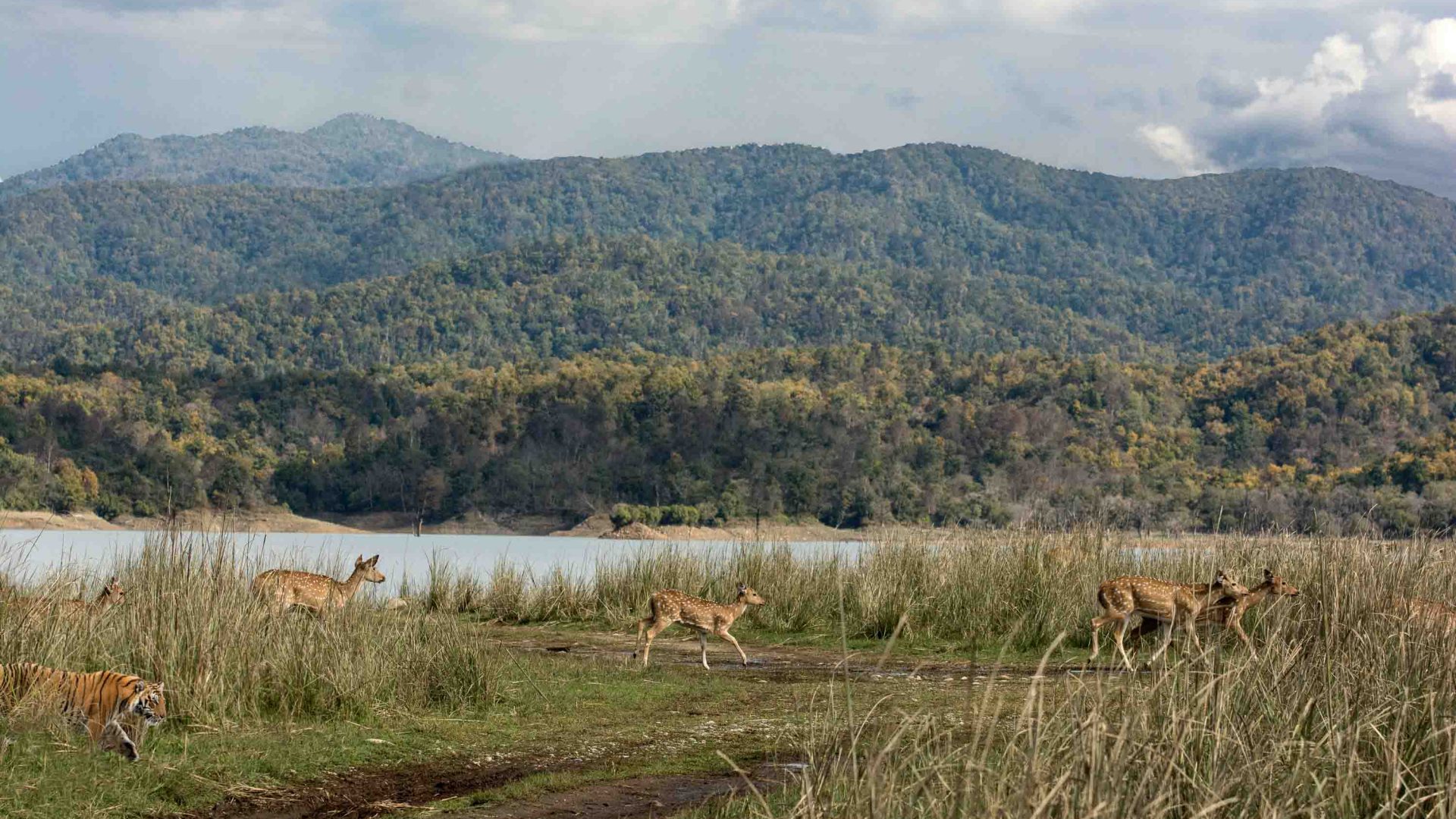
The region’s natural splendor is protected within the Binsar Wildlife Sanctuary, a 45-square-mile (116-square-kilometer) reserve established in 1988. Dedicated to safeguarding its crucial broad-leaved oak forests, the sanctuary is a biodiversity hotspot. It is home to over 200 bird species, including vibrant green parakeets and spike-tufted bulbuls, as well as a variety of mammals such as leopards, barking deer, wild boar, and langurs. During his hikes, Franks, guided by Deepak Joshi, encountered signs of this rich wildlife, including fresh leopard scat, porcupine quills, and wild boar footprints. Joshi, a senior guide trainer with over 20 years of experience, expertly pointed out native flora, from the fiery red flowers of ginger and turmeric plants to the waxy green leaves of the Rhododendron Arboreum, Uttarakhand’s state tree, whose flowers are renowned for making "great tea." This close encounter with nature highlights how Village Ways’ low-impact tourism actively supports the conservation efforts of such vital ecosystems, providing economic justification for their preservation.
Reversing Rural Migration: A Socio-Economic Impact
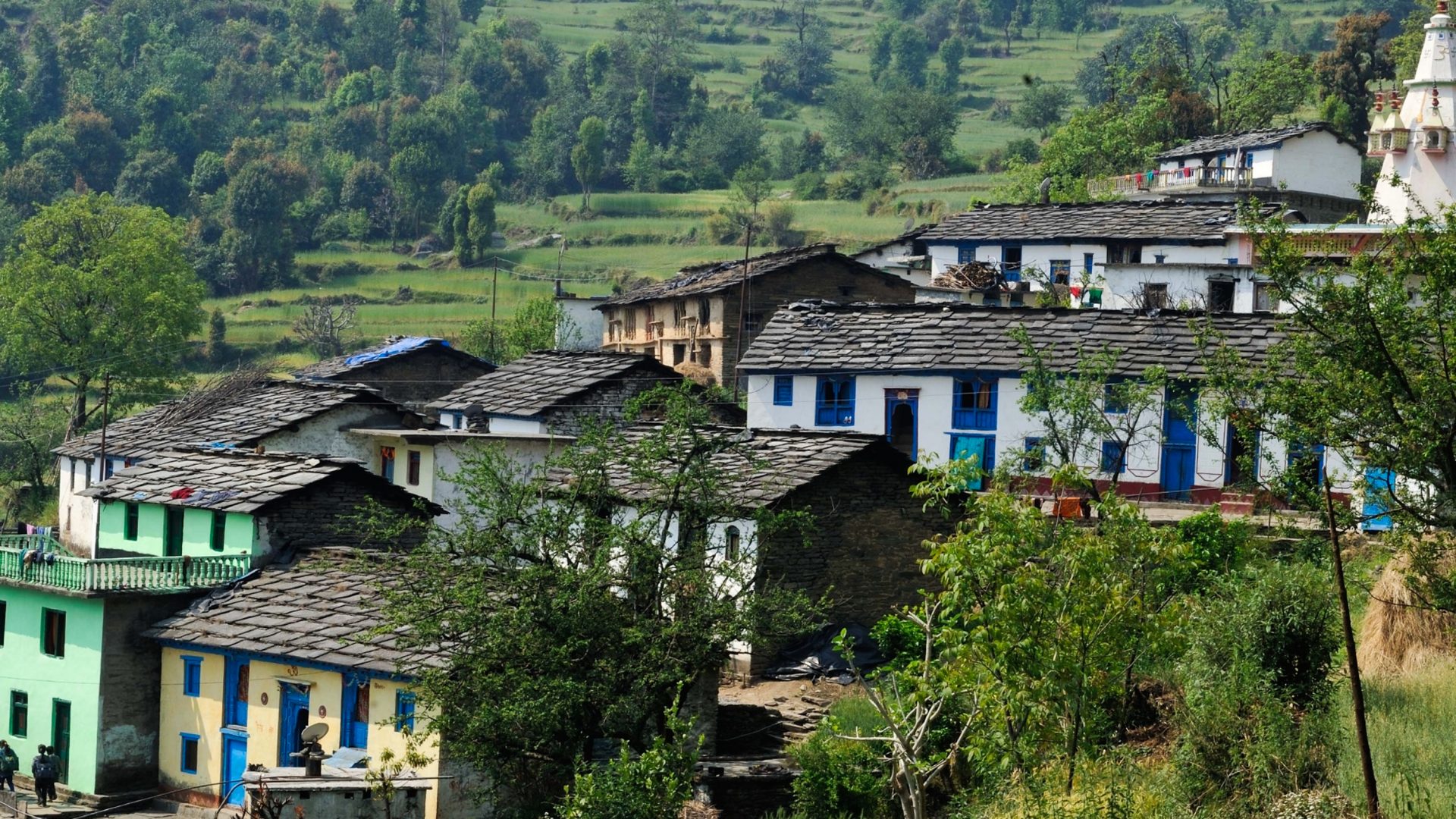
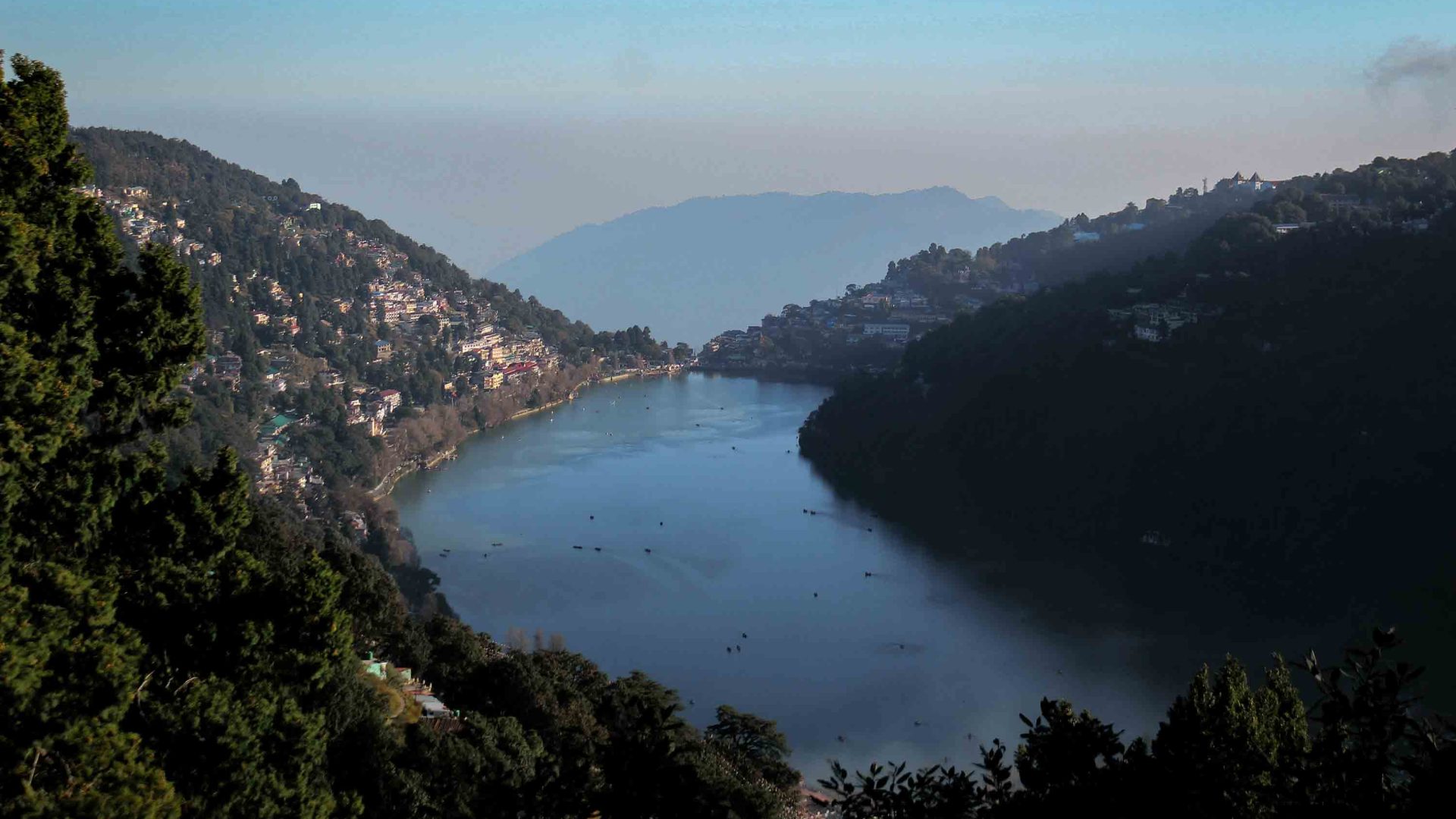
One of Village Ways’ most profound impacts is its success in combating rural depopulation. India, like many developing nations, faces significant internal migration from rural areas to burgeoning cities, driven by the search for better economic prospects. This migration often leads to the abandonment of ancestral homes, the loss of traditional knowledge, and a decline in cultural vibrancy. Deepak Joshi, who joined Village Ways in 2005, recounted the stark reality: "There are just 22 families living here [Kathdhara]… In other nearby villages, such as Gonap, there are seven families there now, but only three families remained in 2003 before Village Ways began. They wanted to leave, but income from the project has actually allowed them to stay."
This testimony underscores the critical role of the profit-share model in providing sustainable livelihoods. By training villagers as guides, hosts, and service providers, Village Ways creates local employment opportunities that allow families to remain in their homes and maintain their traditional way of life. The enterprise also provides essential training in areas such as safety, sanitation, and waste management, equipping villagers with skills that benefit the entire community. Notably, Village Ways champions gender equality in employment, boasting an almost even split of 49% women to 51% men among its 470 members. Franks observed female guesthouse hosts actively involved in carrying luggage between villages, a task often combined with gathering grass for livestock, illustrating the integrated nature of village life and tourism work. The pandemic, surprisingly, brought an additional shift, with some younger people returning to rural life as urban opportunities became uncertain, finding new employment prospects through Village Ways.
The Human Element: Hospitality and Connection
The warmth and generosity of Himalayan hospitality are a cornerstone of the Village Ways experience. Franks noted that it was "impossible to walk by any home without being welcomed inside." Deepak Joshi playfully remarked, "We have pakora waiting," a promise often fulfilled with fresh pakora and chai at each guesthouse. Conversations with locals, translated by Joshi, revealed a simple yet profound connection to their land and traditions. One 75-year-old villager in Kathdhara shared, "We live a simple life. Everything we need to eat is grown locally, there is no internet, and other than the number of people living here, not much has changed." Yet, he also acknowledged the past struggle with migration, noting that "at least 70 people lived here when I was growing up, but people move to cities to find work." The joy of the villagers at seeing tourists was palpable, a genuine expression of renewed hope.
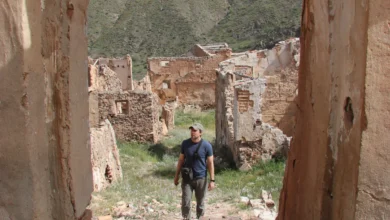
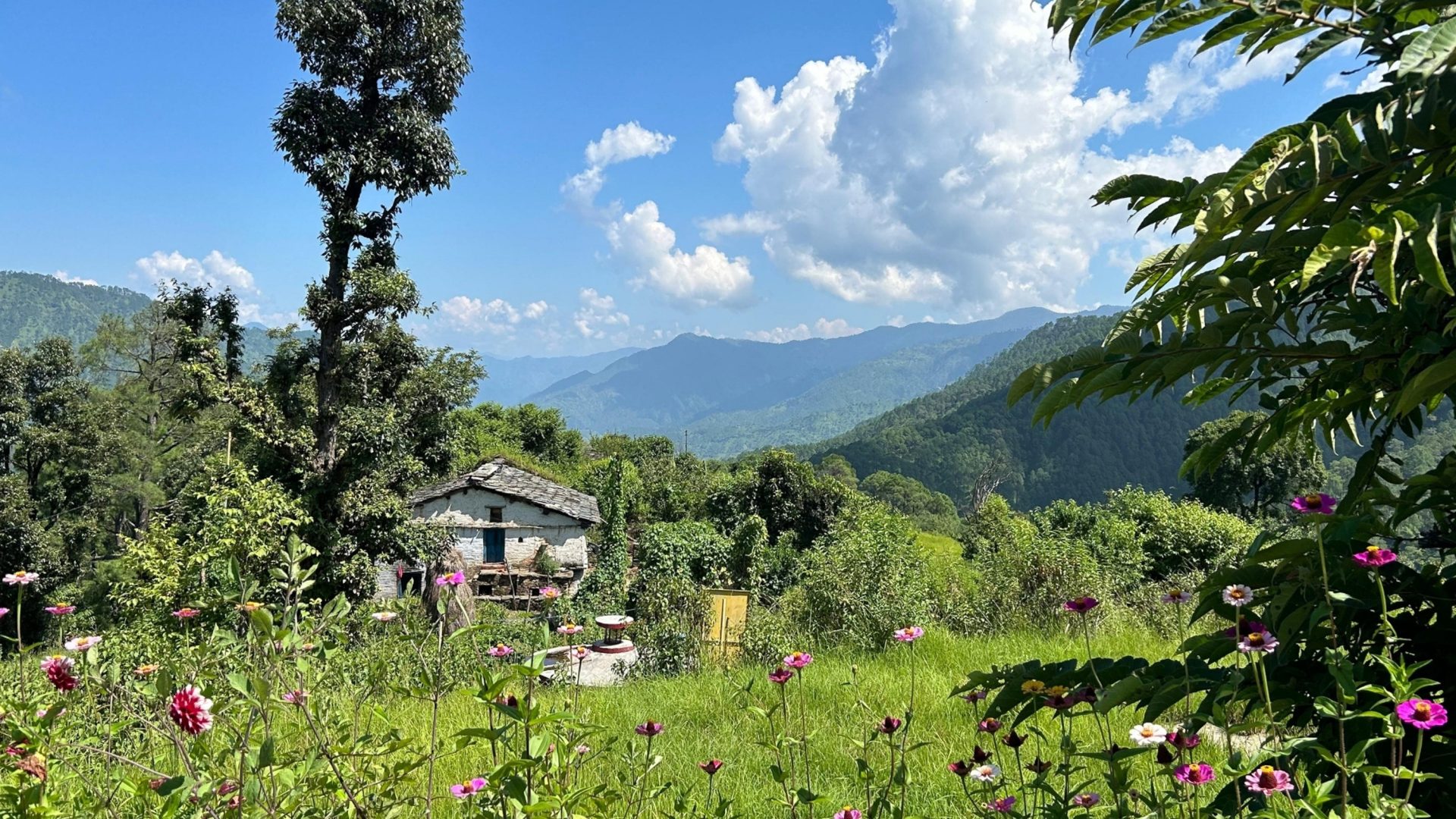
Franks’ journey took him from the relative bustle of Kathdhara to the quieter, more remote Gonap, where "only a handful of homes remain, some now stone ruins after villagers left for work in cities." Here, amidst the endless hills, the Gonap guesthouse felt "on the edge of the world." The serene isolation offered a moment for reflection, sinking into a book, Think Like a Mountain, whose cover strikingly mirrored the surrounding landscape, before drifting off to sleep cradled by silence. Even amidst this tranquility, nature asserted itself, with Eurasian griffon pairs circling overhead and the ever-present knowledge of leopards patrolling the forests at night, reinforcing the wild beauty of the region.
Looking Ahead: A Model for Authentic and Regenerative Travel
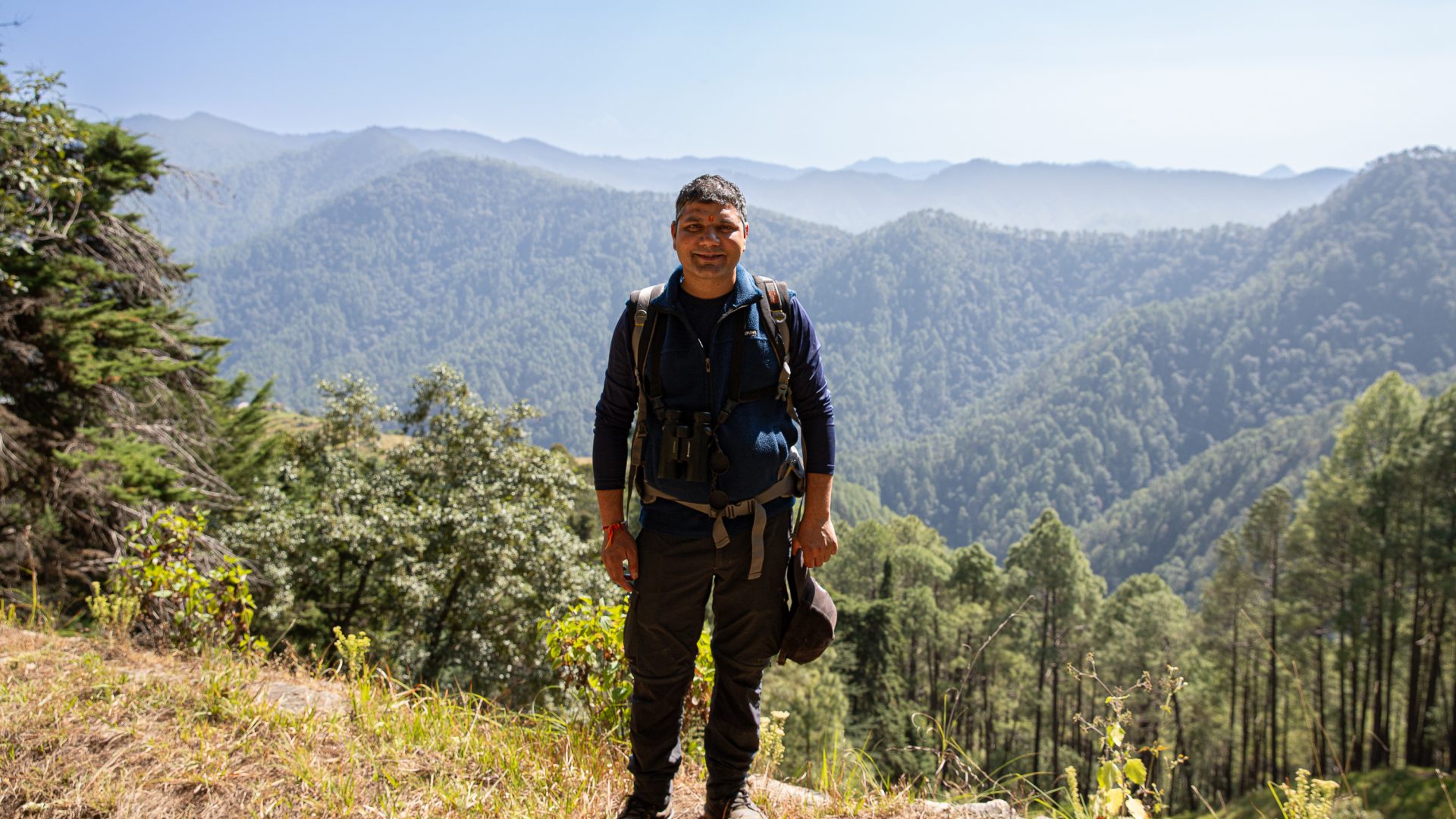
The final day of Franks’ trek included a steep ascent to Zero Point, the highest vantage point in the Binsar Wildlife Sanctuary, at 7,913 feet (2,411 meters) above sea level. Despite clouds obscuring what should have been a panoramic view of the Nepalese Himalayas, the journey itself, with Joshi pointing out diverse birdlife, underscored the richness of the experience. Franks reflected, "I suppose not every mountain moment goes your way," a poignant metaphor for the unpredictable yet rewarding path of community development.
The journey concluded with a celebratory afternoon at Khali Estate, marking two significant milestones: 150 years since the estate’s founding and 20 years of Village Ways’ operations. Villagers from across the region gathered, selling local crafts—from Nepalese sheep wool jumpers to hemp clothing—and schoolchildren performed traditional dances, creating a vibrant atmosphere of communal pride. Manisha Pande encapsulated the essence of their mission: "We want our walking holidays to be authentic experiences, so it’s important to celebrate these anniversaries with the people who make it happen. After all, a village is nothing without its people."
Village Ways stands as a powerful testament to the fact that travel can be a catalyst for good, a force that genuinely empowers communities, preserves cultural heritage, and protects fragile ecosystems. By prioritizing local ownership, fair profit-sharing, and low-impact tourism, it offers a compelling model for regenerative travel that not only enriches the lives of visitors but, more importantly, sustains and strengthens the very communities they come to experience. In an era where responsible tourism is increasingly critical, Village Ways illuminates a path forward, demonstrating how conscious travel choices can lead to tangible, positive change in the world’s most vulnerable and beautiful places.