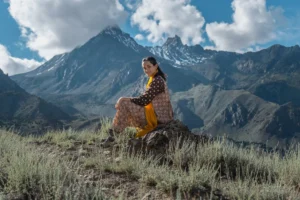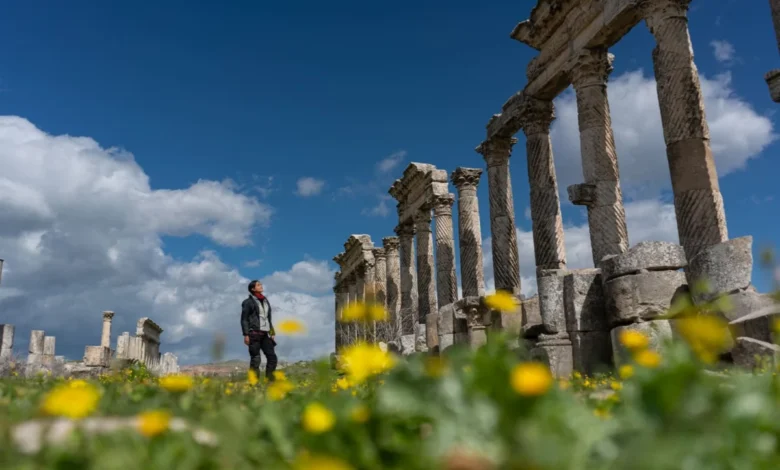
Syria’s ancient landscapes, vibrant culture, and resilient people offer a compelling, albeit complex, travel experience. While the nation continues to grapple with the aftermath of a protracted civil war and an ongoing economic crisis, it remains a destination for those seeking to understand a country at a historical crossroads, provided they approach it with respect and an open mind. This journey, marked by both profound beauty and stark reminders of conflict, highlights a nation striving to reclaim its heritage and welcome visitors back.
The allure of Syria for intrepid travelers lies in its unparalleled historical depth and unique cultural tapestry. Imagine traversing the ancient, sun-drenched streets of Palmyra, a UNESCO World Heritage site, with an almost exclusive experience, a stark contrast to the throngs of tourists who once marveled at its grandeur. Picture yourself in Damascus, the world’s oldest continuously inhabited city, sharing a moment over a cold beer with locals in a secluded courtyard café, a testament to the enduring spirit of hospitality. Envision climbing the ramparts of a Crusader castle, with the Mediterranean Sea stretching out before you as the sun dips below the horizon, painting the sky in hues of orange and purple. These are not hypothetical scenarios but tangible experiences that underscore the enduring appeal of Syria as a travel destination.
However, these evocative scenes are juxtaposed with palpable reminders of the nation’s recent history. Bullet-riddled facades of Roman architecture stand as silent witnesses to past conflicts. Abandoned hotels, once bustling with life, now bear the scars of destruction, with no vacancies to be found. The pervasive issue of electrical blackouts, often attributed to external geopolitical factors, including the continued presence of U.S. military forces in oil-rich areas of the country, serves as a constant undercurrent to daily life. These elements paint a picture of a nation navigating a delicate balance between its rich past and a challenging present.
The Evolving Landscape of Syrian Tourism
For years, headlines have painted a grim picture of Syria, leading many to believe that travel to the country is an impossibility. Yet, the reality on the ground suggests a different narrative. Syria is not a desolate wasteland, nor has it been entirely razed by conflict or natural disasters. Prior to the outbreak of war in 2011, Syria was a popular tourist destination, attracting millions of visitors annually and generating billions of dollars in revenue. The country’s infrastructure and understanding of tourism, though impacted, are not entirely lost. The Syrian tourism industry is actively seeking to revive itself, signaling a readiness to welcome international visitors once again.
Navigating travel to Syria today is distinct from visiting more conventionally "off-the-beaten-track" destinations. While countries like Afghanistan or Pakistan might present a different set of logistical and safety considerations, Syria has a pre-existing framework for tourism, albeit one that has been significantly reshaped by recent events. The key requirement for foreign tourists is accompaniment by a government-approved tour guide or a registered tour company. This measure, implemented to ensure visitor safety and streamline entry, facilitates a more structured and supported travel experience.
This regulatory framework is precisely how travelers can engage with the country’s rich heritage. Companies like Syrian Guides, a Damascus-based organization, are instrumental in this process. Comprised of passionate individuals like Rami, Mary, and Bashar, the company is dedicated to rebuilding their nation’s image and economy through tourism. Their commitment extends to showcasing the possibility and safety of visiting Syria, aiming to dispel lingering fears and misconceptions. Their efforts underscore a national desire to move beyond the shadow of conflict and re-engage with the global community.
Experiencing Syria: Beyond the Headlines
The experience of traveling through Syria today is one that often surpasses expectations, even for those who have undertaken journeys to other challenging destinations. The narrative presented in global news media, while often highlighting destruction, rarely captures the full spectrum of life that persists. Millions of Syrians continue to live, work, and build their lives amidst the ongoing challenges.
Damascus, in particular, reveals a city of hidden beauty and vibrant life. Behind unassuming doorways lie traditional guesthouses with tranquil courtyards, adorned with the scent of orange blossoms and the soothing sound of gurgling fountains. The streets are dotted with modern cafés where individuals from all walks of life gather, sharing conversation and enjoying shisha. This urban dynamism coexists with the profound historical significance of the city, a place where ancient castles and Roman colonnades can be explored in near solitude. The ability to enjoy a glass of wine amidst olive groves, or to wander through ancient streets while the melodic call to prayer echoes, encapsulates Syria’s multifaceted character. It is a land where diverse customs, religions, and cultures converge, a living testament to its historical position as a vital crossroads.
The coastal regions offer a different, yet equally captivating, experience. The opportunity to ride a motorcycle along ancient routes, with the sea breeze and the echoes of history as companions, provides a unique perspective on the country’s geographical diversity. Visiting sites like the ancient Phoenician ruins of Amrit, with their distinctive phallic temple remnants, offers a tangible connection to millennia of human history, an experience amplified by the absence of mass tourism.
The Shadow of Conflict and Geopolitical Realities
Despite the moments of tranquility and cultural immersion, the omnipresent reality of conflict cannot be ignored. Syria remains a complex geopolitical arena, a battleground for a civil war that has evolved into a proxy conflict involving regional and international powers. The rivalries between nations and factions cast a long shadow over the country’s inherent beauty. Witnessing young shepherds guiding their flocks through fields dotted with the skeletal remains of homes destroyed by crossfire is a poignant reminder of the human cost of war.
While bustling shisha cafes and vibrant bars in cities like Damascus and Aleppo offer glimpses of normalcy and resilience, the journeys between these urban centers can be stark. Travel after sunset is often undertaken in complete darkness, a consequence of widespread power outages and the abandonment of many villages due to violence and military occupation. This duality—the coexistence of vibrant urban life and the lingering effects of conflict—defines the contemporary Syrian travel experience. Travelers can find comfortable accommodations and organized tourist services, but they must also confront the uncomfortable truth of a nation still grappling with the profound repercussions of war and economic hardship.
Navigating Safety and Perceptions
The question of safety is paramount for anyone considering travel to Syria. While the notion of visiting a country perceived as a war zone may evoke apprehension, a closer examination of the security situation reveals a more nuanced reality. For the vast majority of foreign visitors, Syria is safer than many might initially assume.
The ongoing conflict in Gaza, while a separate and deeply concerning humanitarian crisis, has had localized impacts on Syria. Strikes have primarily targeted locations associated with military or political entities linked to Iran, rather than areas frequented by casual tourists. Incidents such as missile strikes on airport runways in Aleppo and Damascus, aimed at disrupting supply chains, underscore the strategic nature of such attacks rather than indiscriminate violence against civilian populations.
Statistically, the risk of being directly affected by an attack remains low. In fact, the everyday risks associated with navigating traffic in a busy city during peak hours might present a statistically greater danger than being caught in an aerial strike. This perspective, while sobering, highlights the targeted nature of certain military actions and the relative safety enjoyed by most travelers within designated tourist areas and during organized excursions. A more in-depth analysis of safety protocols and specific regional considerations is crucial for any potential visitor.
Ethical Considerations for Travelers
The decision to travel to Syria is not solely a logistical one; it carries significant ethical weight. Motivations for visiting are diverse and can range from a deep-seated interest in the country’s rich history and culture to forging connections with the Syrian diaspora or supporting a nation’s struggling tourism sector. Curiosity about life in countries affected by conflict is also a valid driver for exploration.
However, it is imperative to approach Syria with a consciousness that transcends mere spectacle. Travelers should refrain from visiting with the sole intention of gawking at destroyed buildings, engaging in "rubble tourism," or creating sensationalized content about "surviving" in a militarized state. Such attitudes trivialize the profound challenges faced by Syrians as they embark on a long and arduous process of rebuilding their lives and their country. Syria does not need to be treated as a dark tourism playground; there is a critical distinction between acknowledging the reality of war and glorifying or centering it. The impact of such voyeuristic tourism on a population striving for normalcy and recovery is detrimental.
For those who approach Syria with genuine respect, curiosity, and a willingness to learn, the country offers an unparalleled experience. The warmth and hospitality of the Syrian people are renowned, and visitors are encouraged to reciprocate this by being mindful of their privilege. The ability to travel recreationally to a country whose own citizens struggle with displacement and rebuilding is a significant advantage. Visitors have a responsibility to engage respectfully, listen attentively, and learn from the experiences of the local population.
Ultimately, for the curious traveler who seeks to understand Syria’s magic, its struggles, and the intricate tapestry that binds them, the recommendation is clear: undertake the journey. By engaging with the country thoughtfully and responsibly, travelers can contribute positively to its recovery and gain a profound appreciation for its enduring spirit.
Transparency Note: This travel experience was facilitated through a partnership with Syrian Guides. The author maintains that partnerships are only pursued with organizations that align with ethical travel principles and provide genuinely positive experiences. Syrian Guides, though a young company, comprises experienced professionals dedicated to showcasing Syria’s potential and ensuring a safe, enriching journey for visitors. Their commitment to rebuilding their country through tourism is commendable, and their organization is highly recommended for those seeking to explore Syria. Further reviews and contact information can be found on their website, www.syrianguides.com, and on TripAdvisor.