The annual tradition of European Christmas markets, historically known as Christkindlmärkte or Weihnachtsmarkt, remains one of the continent’s most significant cultural and economic events during the winter season. These markets, which trace their origins back to the late Middle Ages, have evolved from essential winter supply fairs into sprawling seasonal festivals that define the holiday atmosphere across Germany, France, Austria, Switzerland, and beyond. As the 2025 season approaches, municipalities across Europe are preparing for an influx of millions of international tourists, signaling a robust recovery and continued growth in the seasonal travel sector.
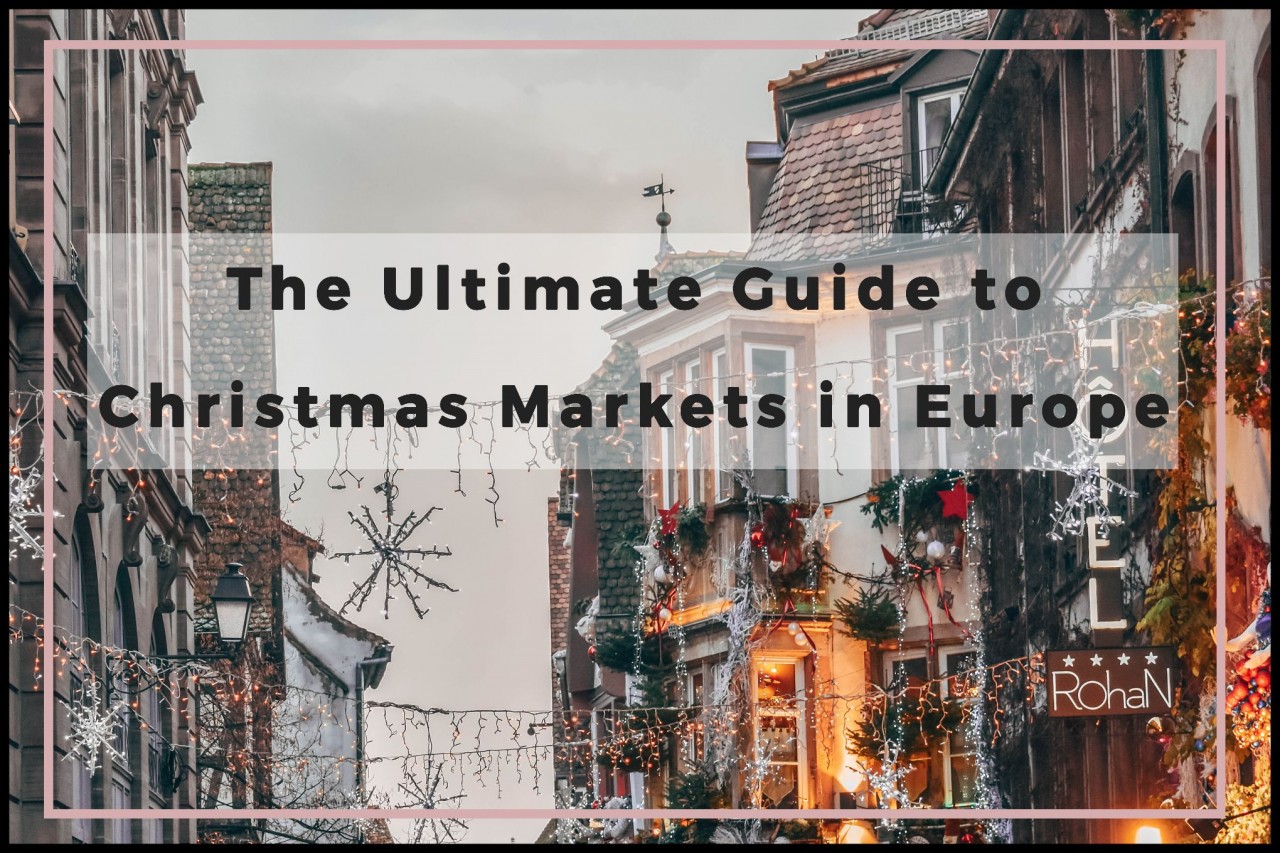
The Historical Evolution of the European Winter Market
The chronology of the Christmas market is a testament to European civic history. While many modern visitors view these markets as purely festive attractions, their roots are deeply pragmatic. Historical records indicate that the precursor to the modern market was the December market in Vienna, Austria, established in 1296 after Duke Albrecht I granted shopkeepers the right to hold a "Krippenmarkt" to provide the citizenry with supplies for the harsh winter months.
By 1310, Munich, Germany, had established its own version, then referred to as a "Winter Market." However, the first "official" Christmas market—distinguished by its specific focus on the Nativity and the feast of St. Nicholas—is widely considered to be Dresden’s Striezelmarkt, founded in 1434. Over the subsequent centuries, these gatherings moved from purely functional trade events to cultural hallmarks. During the Reformation, the name often shifted to Christkindlmarkt (Christ Child Market) to reflect the shift in gift-giving traditions. Today, these markets represent a multi-billion euro industry that sustains local artisans and preserves traditional culinary practices.
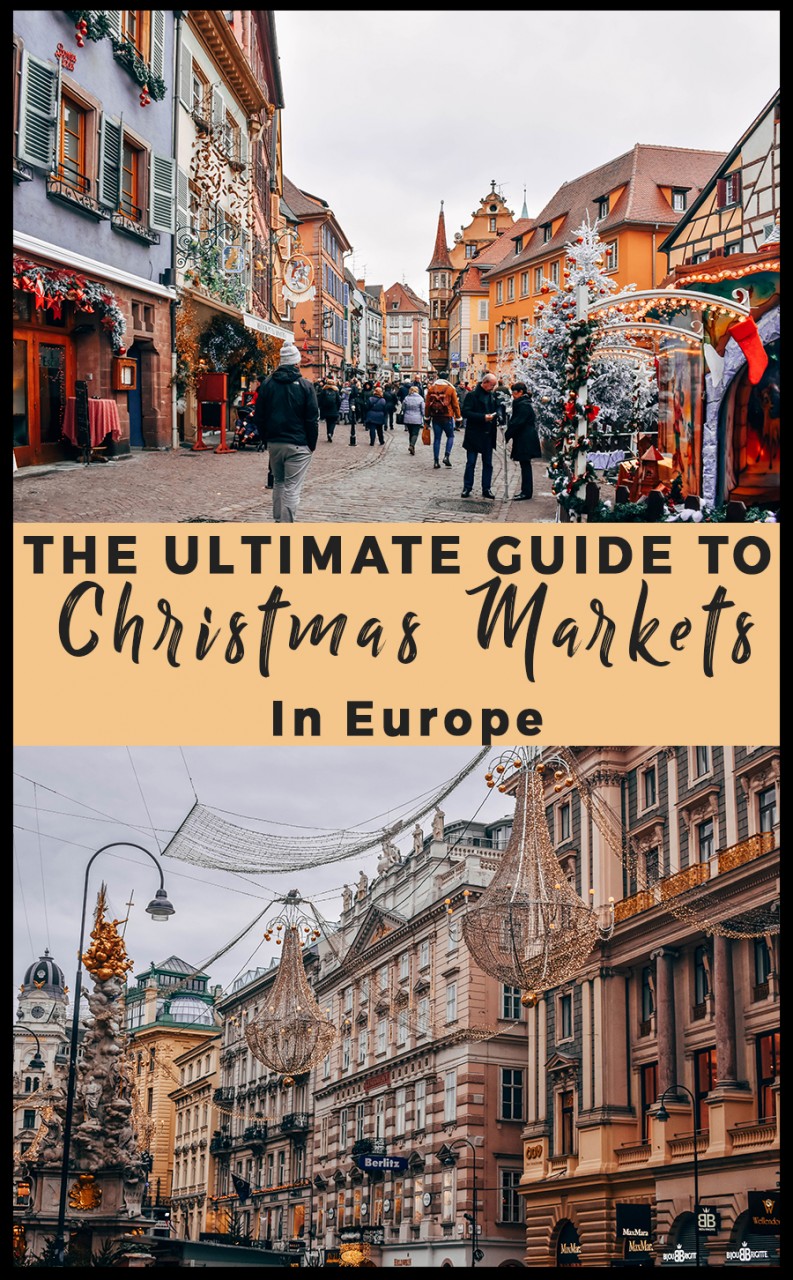
Germany: The Heartland of the Weihnachtsmarkt
Germany is widely regarded as the spiritual home of the Christmas market, boasting over 2,500 individual markets ranging from small village gatherings to massive metropolitan events. The German tradition is characterized by a commitment to historical authenticity, with strict regulations often governing the types of goods sold to ensure they remain traditional and locally sourced.
Nuremberg and the Tradition of the Christkind
Nuremberg’s Christkindlesmarkt is perhaps the most famous in the world. It is centered on the Christkind, a young woman chosen every two years to represent the holiday spirit. This market is a significant economic driver for the region, known for its strict adherence to quality. Vendors are prohibited from selling mass-produced plastic toys, focusing instead on handmade wooden crafts and the city’s famous gingerbread, or Lebkuchen.
Munich and the Bavarian Influence
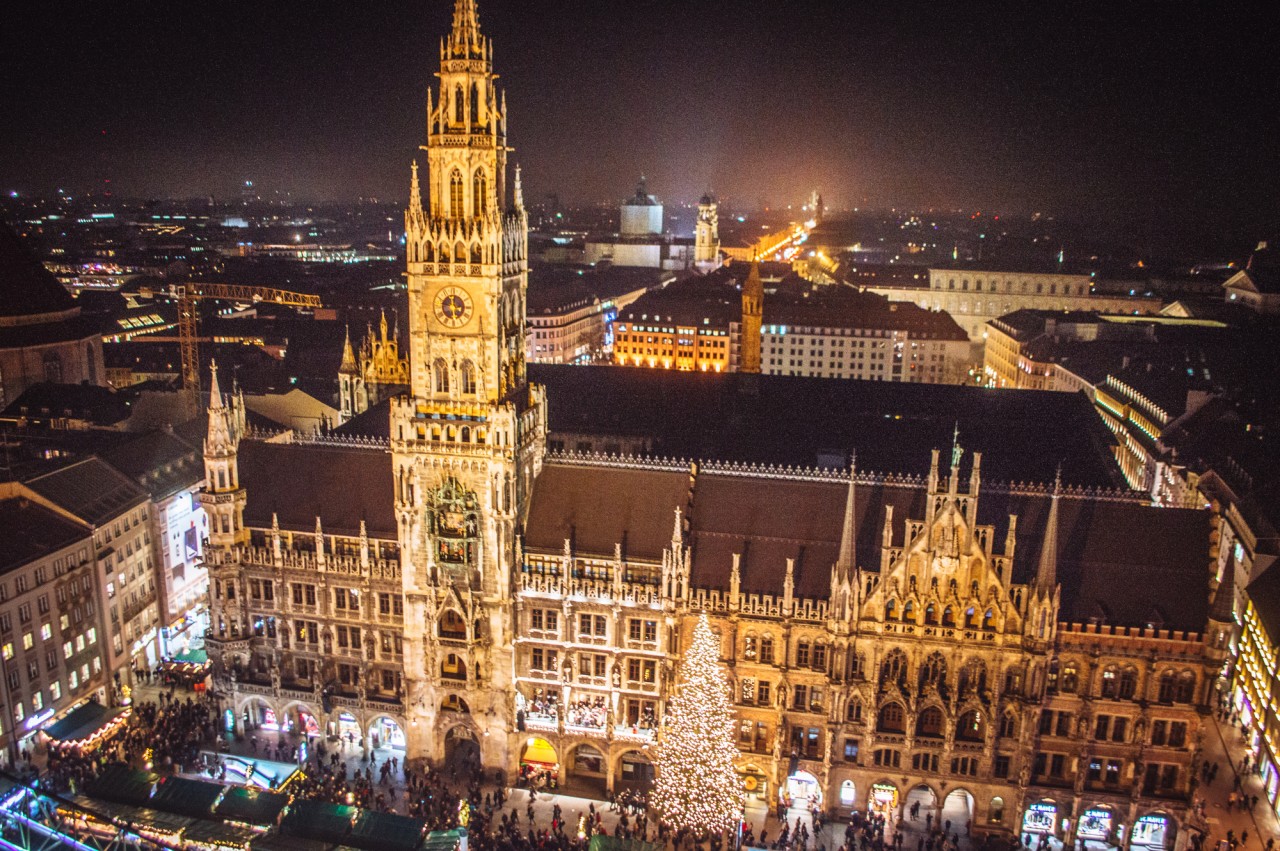
Munich offers a diverse array of markets, including the traditional market at Marienplatz and more specialized versions, such as the "Pink Christmas" market in the Glockenbachviertel, which caters to the LGBTQ+ community and their allies. Bavarian markets are notable for their unique culinary offerings, such as Maroni (roasted chestnuts) and Dampfnudeln (sweet steamed dumplings).
Heidelberg and the Medieval Aesthetic
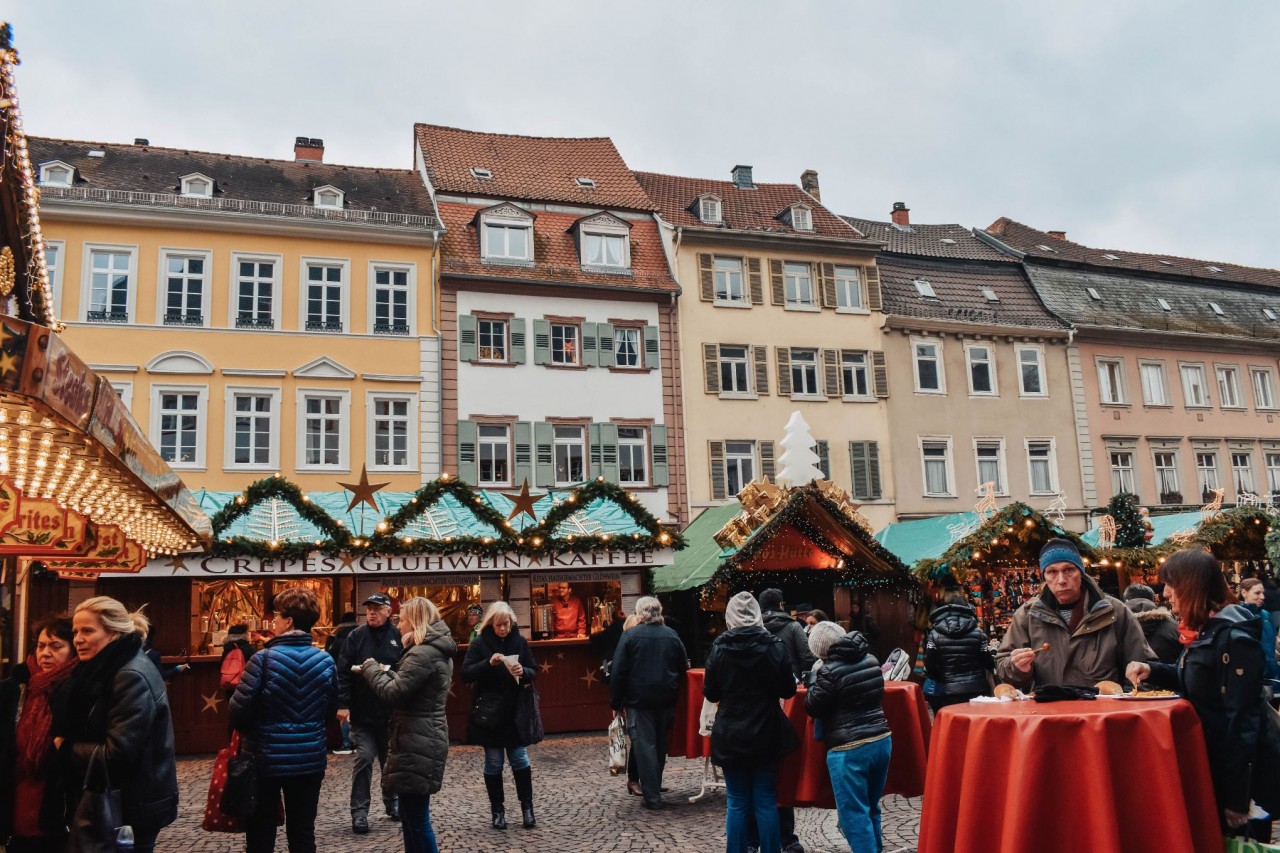
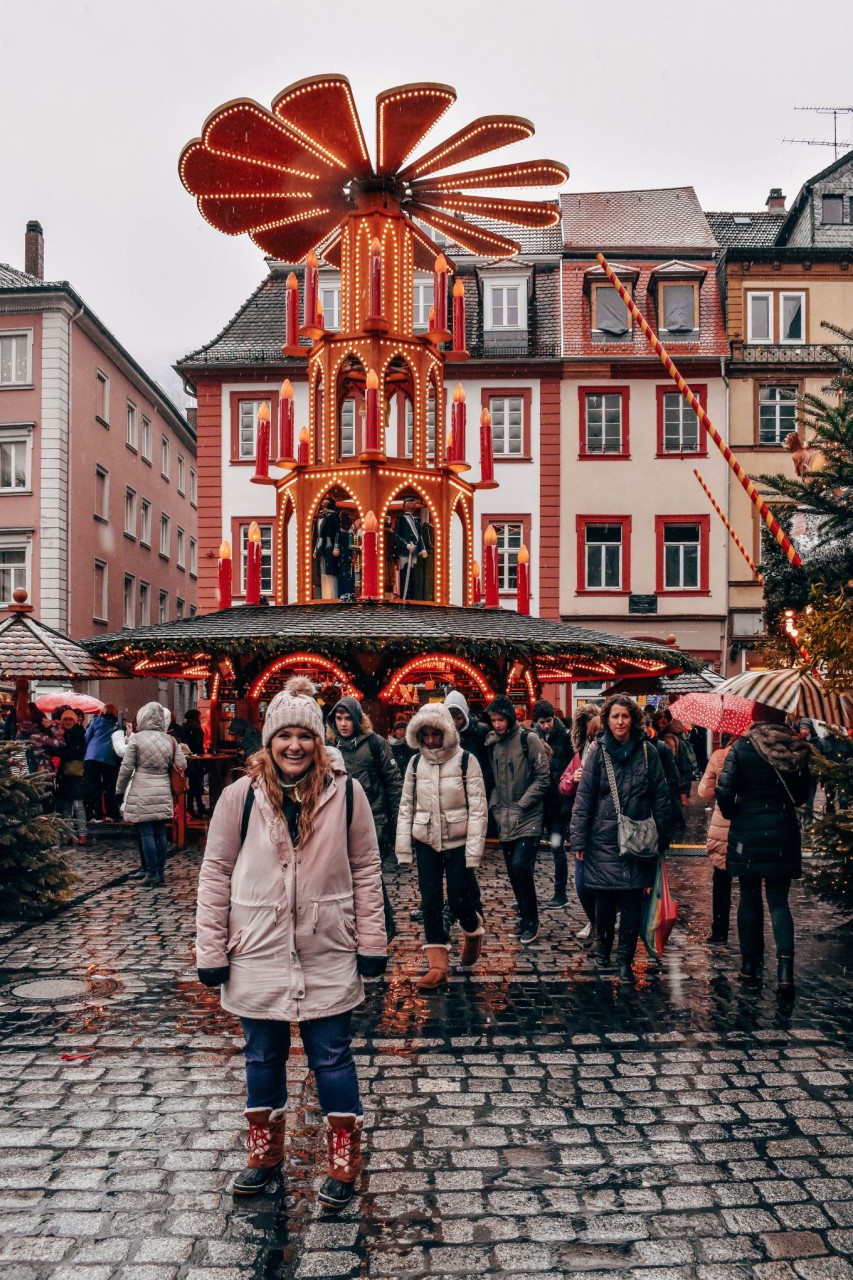
In the university city of Heidelberg, the markets are integrated into the city’s pedestrian-only Hauptstrasse. The setting, overlooked by the ruins of Heidelberg Castle, provides a medieval backdrop that attracts nearly 1.5 million visitors annually. Travel analysts note that Heidelberg’s layout allows for a better flow of pedestrian traffic compared to more centralized city square markets.
The Alsace Region: France’s Capital of Christmas
In eastern France, the Alsace region provides a unique blend of French and German traditions. Because the region has historically shifted between the two nations, its Christmas markets exhibit a hybrid cultural identity that is unique in Europe.
Strasbourg: The Capital of Christmas
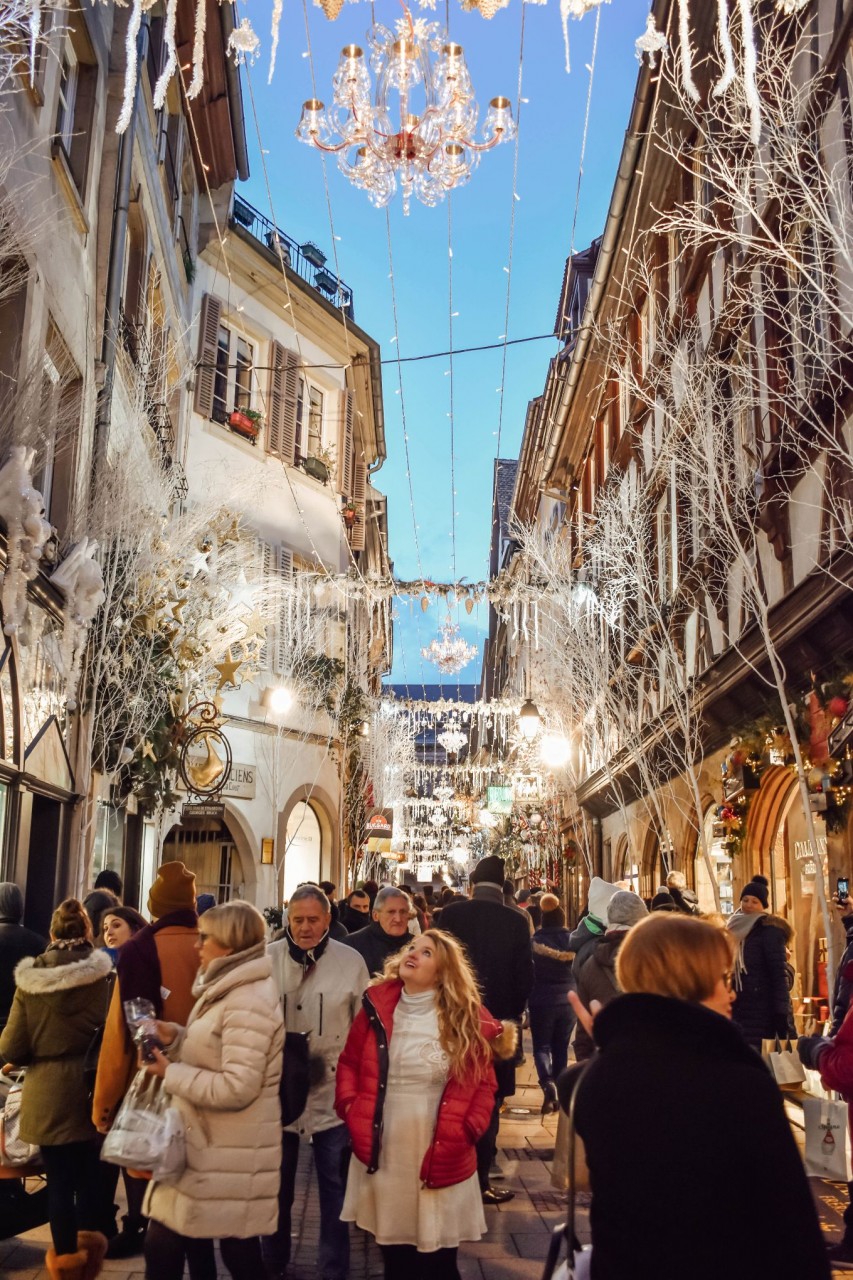
Strasbourg has hosted its Christkindelsmärik since 1570, making it the oldest in France. The city brands itself as the "Capital of Christmas," a title supported by the scale of its decorations. The centerpiece is the Grand Sapin (Great Christmas Tree) in Place Kléber, which must be at least 30 meters tall. Local tourism boards report that Strasbourg’s markets are a primary factor in the city’s winter hotel occupancy rates, which often reach 95% in December.
Colmar: The Gingerbread Village
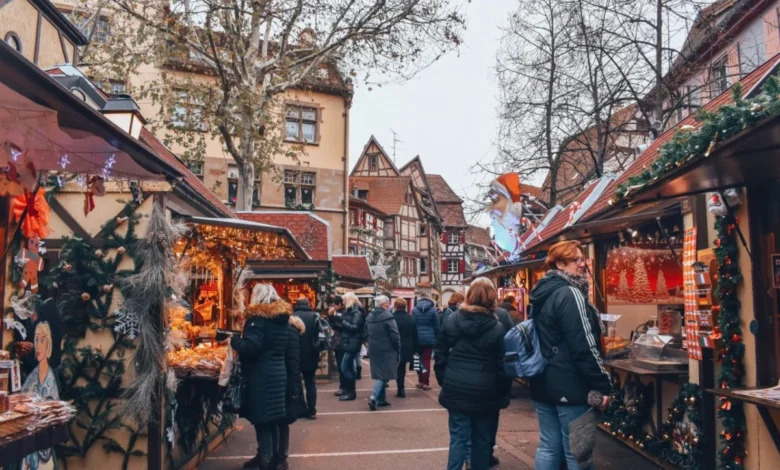
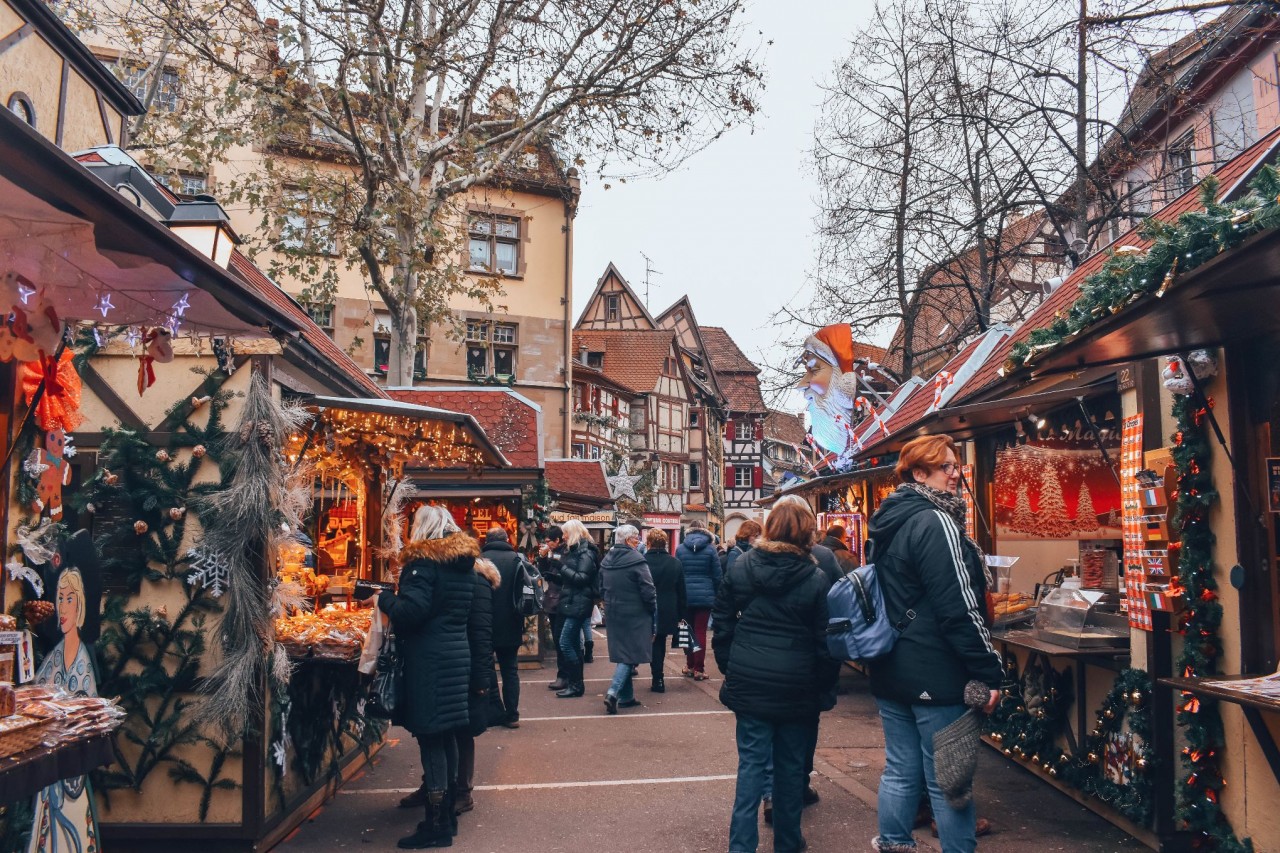
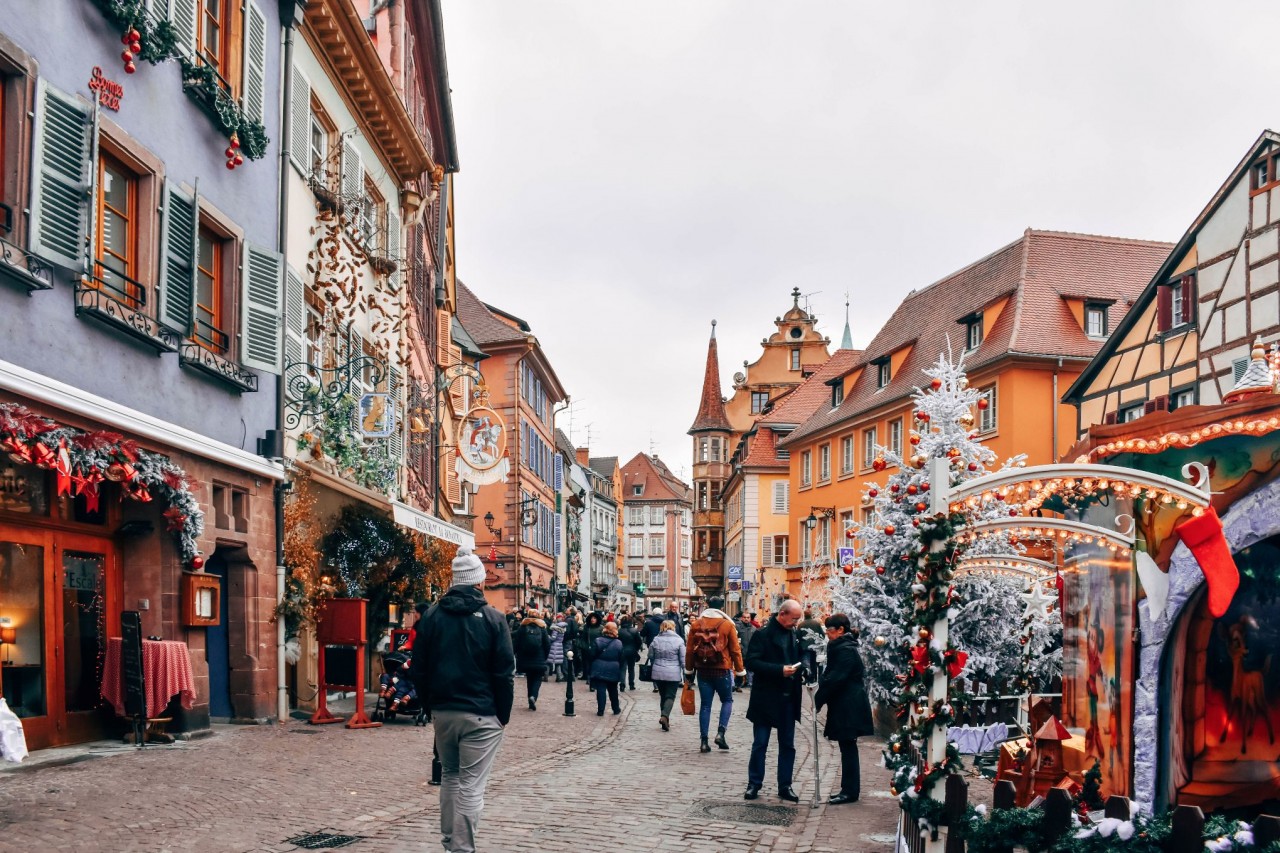
Colmar is frequently cited by travel journalists as the most aesthetic market in Europe. The town’s preserved half-timbered houses are decorated with elaborate displays, including lights, ornaments, and even plush toys. Colmar features six distinct markets in its historic center, each with a specific theme, such as the children’s market in Little Venice or the craft market in the Koïfhus.
Switzerland: Alpine Luxury and Artisan Crafts
Swiss Christmas markets often emphasize high-quality artisan goods and the country’s world-renowned dairy products. The markets in Basel, Zurich, and Lucerne are integrated into the stunning Alpine geography, often situated along lakesides or within historic rail stations.
Basel and Zurich
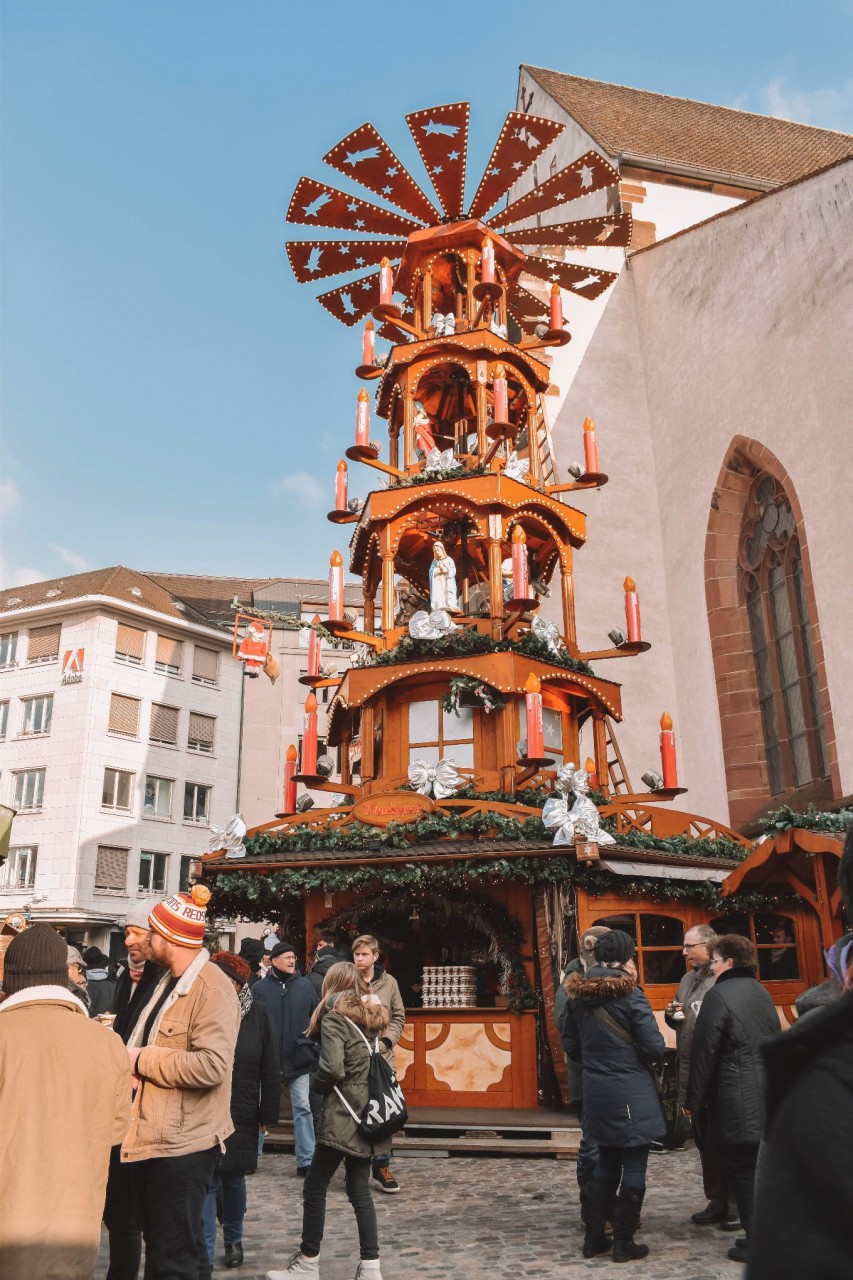
Basel is consistently voted as one of the most beautiful markets in Switzerland, with over 150 stalls spread across Barfüsserplatz and Münsterplatz. In Zurich, the "Wienachtsdorf" at Sechseläutenplatz near the Opera House is a modern favorite, while the indoor market at the Zurich Main Station features a massive Christmas tree decorated with thousands of Swarovski crystals, highlighting the intersection of tradition and luxury.
Austria: Imperial Opulence and Romanticism
Austria’s markets are defined by their imperial settings. In Vienna, the markets are situated in front of grand palaces and city halls, providing a sense of scale and opulence that differs from the rustic charm of German markets.
The Viennese Market System
Vienna operates more than a dozen major markets simultaneously. The "Vienna Christmas Dream" at Rathausplatz (City Hall) includes an extensive ice-skating trail and light installations. Markets at the Schönbrunn and Belvedere Palaces utilize the Baroque architecture to create a romantic atmosphere that is a staple of Austrian winter tourism.
Economic Impact and Local Infrastructure
The economic impact of Christmas markets on European municipalities is profound. According to data from the German Tourism Association (DTV), Christmas markets in Germany alone attract approximately 160 million visits per year, generating between 3 and 5 billion euros in direct revenue.
The "Pfand" System: A Model of Sustainability
One of the most distinctive logistical features of these markets is the Pfand (deposit) system. When purchasing beverages like Glühwein (mulled wine), customers pay a small deposit—usually 2 to 5 euros—for the ceramic mug. This system serves two purposes: it reduces the use of disposable plastics and provides a revenue stream through souvenir sales, as many visitors choose to keep the decorative, dated mugs rather than return them for the deposit.
Logistics and Crowd Management
For the 2025 season, officials are emphasizing crowd management. Popular markets are encouraging "weekday tourism" to alleviate the congestion seen on Saturdays and Sundays. Analysts recommend visiting on Mondays or Tuesdays to experience the markets with shorter wait times for food and artisan stalls. Furthermore, the reliance on cash remains a notable feature; despite increasing digitization, many small-scale vendors at European markets only accept physical currency.
Culinary Traditions and Cultural Preservation
Christmas markets serve as vital repositories for regional culinary heritage. The food sold is often specific to the locality, preserving recipes that date back centuries.
- Bratwurst and Rostbratwurst: Grilled sausages are a staple across Central Europe, with each city claiming its own "authentic" recipe.
- Kartoffelpuffer: These fried potato pancakes, often served with applesauce or garlic dip, are a significant vegetarian staple of the markets.
- Schokokuss: A popular dessert consisting of marshmallow fluff covered in chocolate, representing the lighter, confectionary side of market food.
- Lebkuchen: Traditional German gingerbread, particularly the Nürnberger Lebkuchen, is a protected geographical indication under EU law, meaning it can only be produced within the city limits of Nuremberg.
Broader Implications: Tourism and Global Trends
The continued success of European Christmas markets has led to the export of the concept globally, with "German-style" markets appearing in major cities in North America and Asia. However, travel industry experts argue that the original European markets remain peerless due to their integration into the historic urban fabric of the host cities.
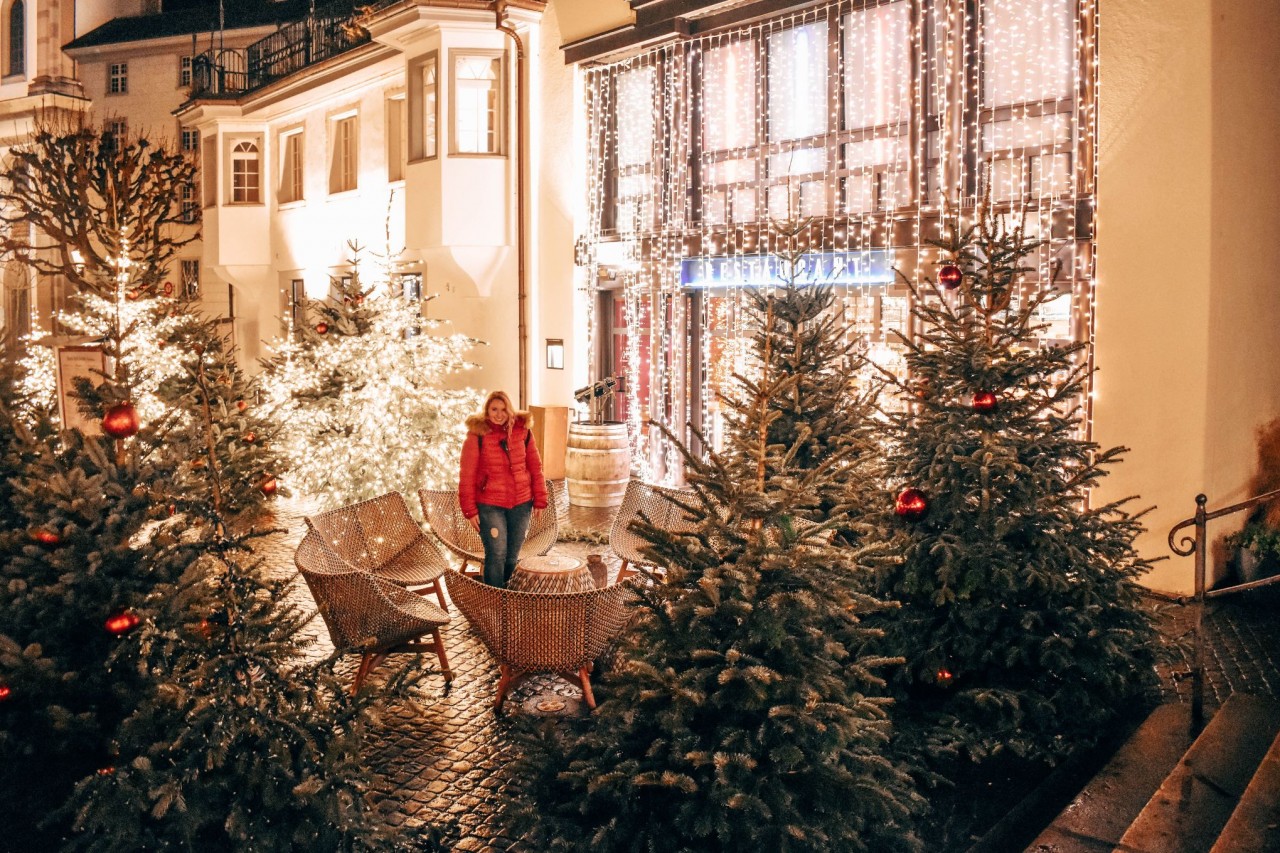
From a sociological perspective, these markets provide a "third space" for community gathering during the darkest months of the year. They facilitate social cohesion and provide a platform for local craftsmen to compete with global e-commerce. As sustainability becomes a greater priority, many markets are transitioning to LED lighting and banning non-recyclable materials, ensuring that these centuries-old traditions can continue in an environmentally conscious era.
Conclusion: A Season of Enduring Appeal
The 2025 European Christmas market season represents a intersection of history, commerce, and festive tradition. Whether it is the rustic stalls of the Black Forest, the imperial squares of Vienna, or the fairy-tale streets of the Alsace, these markets continue to be a primary driver of winter travel. For the modern traveler, they offer more than just shopping; they provide a sensory connection to Europe’s medieval past and a vibrant display of its contemporary cultural resilience. For the local economies, they are an indispensable pillar of the annual fiscal calendar, proving that the magic of the holiday season is also a serious business.