Europe undergoes a profound transformation during the winter months, shifting from the bustling, sun-drenched corridors of summer to a serene, crystalline landscape that offers unique economic and cultural advantages for travelers. Data from various European tourism boards indicate that the period between November and March—often classified as the low or shoulder season—consistently yields a 20% to 40% reduction in average accommodation costs and significantly lower foot traffic at major landmarks. Beyond the fiscal incentives, this season provides access to a specific cultural cadence, characterized by centuries-old festive traditions, regional culinary celebrations, and specialized winter sports infrastructure.
The Economic and Cultural Shift of the European Off-Season
The strategic decision to visit Europe during the winter is increasingly supported by travel analysts who highlight the "crowd-free" phenomenon. Major capitals that typically suffer from over-tourism during the summer months, such as London, Paris, and Prague, experience a marked decrease in wait times for museums, galleries, and transit systems. This shift allows for a more authentic engagement with local populations and heritage sites. Furthermore, the European Union’s commitment to preserving historical town centers ensures that the architectural integrity of these destinations remains a focal point, amplified by seasonal lighting and public gatherings that emphasize regional identity.
Alpine Centers and High-Altitude Tourism
The European Alps represent the continent’s premier winter hub, serving as a vital economic engine for nations including Switzerland, France, and Austria.
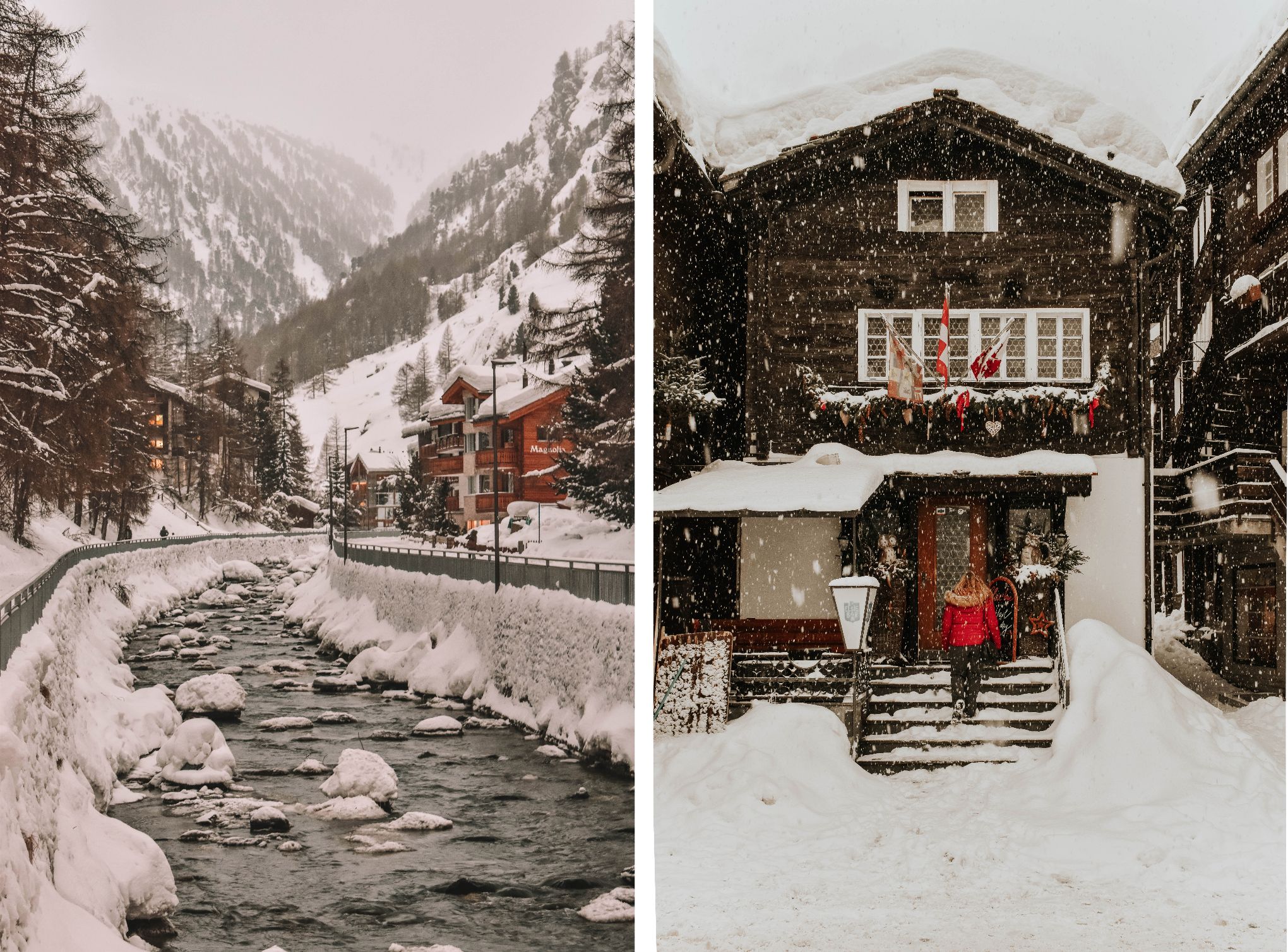
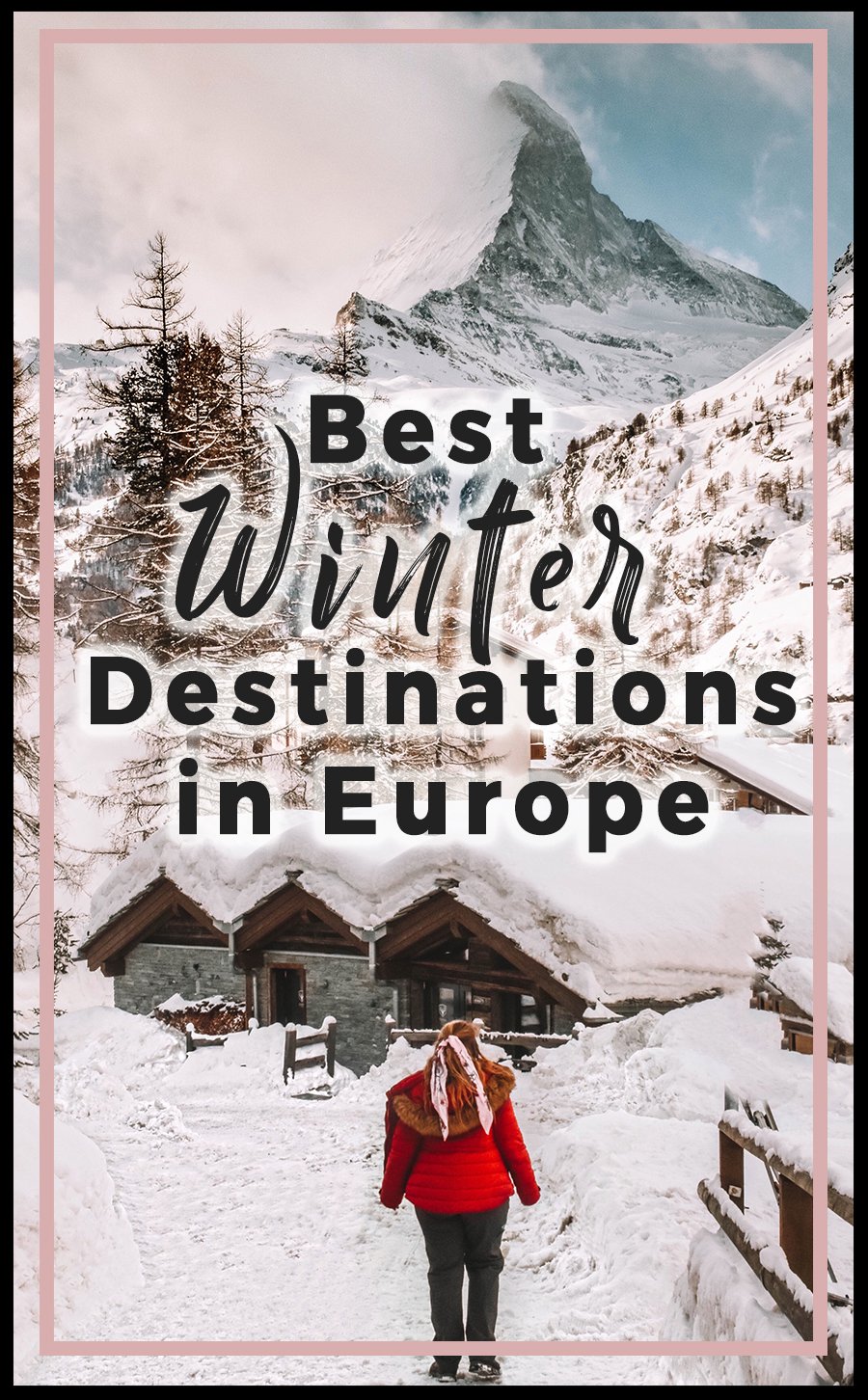
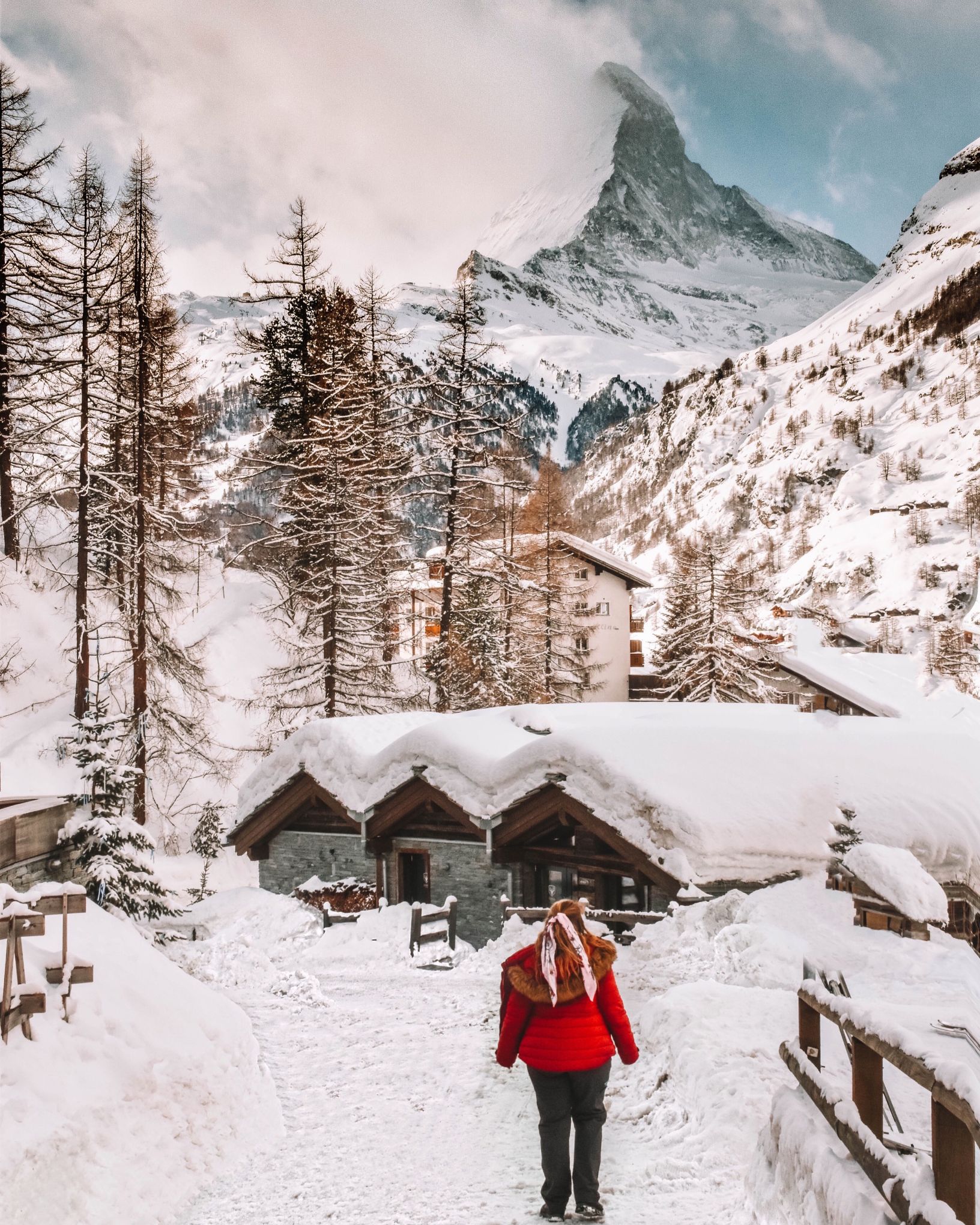
Zermatt, Switzerland, stands as a prime example of sustainable, high-altitude tourism. Situated at the base of the Matterhorn, the town operates under a strict policy of vehicular restriction, maintaining air quality and a tranquil atmosphere. Analysis of the Swiss tourism sector shows that Zermatt maintains a consistent influx of visitors through early spring due to its high-altitude glacier skiing, which remains viable even when lower-elevation resorts suffer from reduced snowfall.
In France, the town of Chamonix, located at the foot of Mont Blanc, serves as a dual-purpose destination. It caters both to elite athletes and cultural tourists interested in the historical development of mountaineering. The region’s infrastructure—developed significantly following the 1924 Winter Olympics—continues to influence modern standards for mountain safety and hospitality.
The Evolution of European Christmas Markets
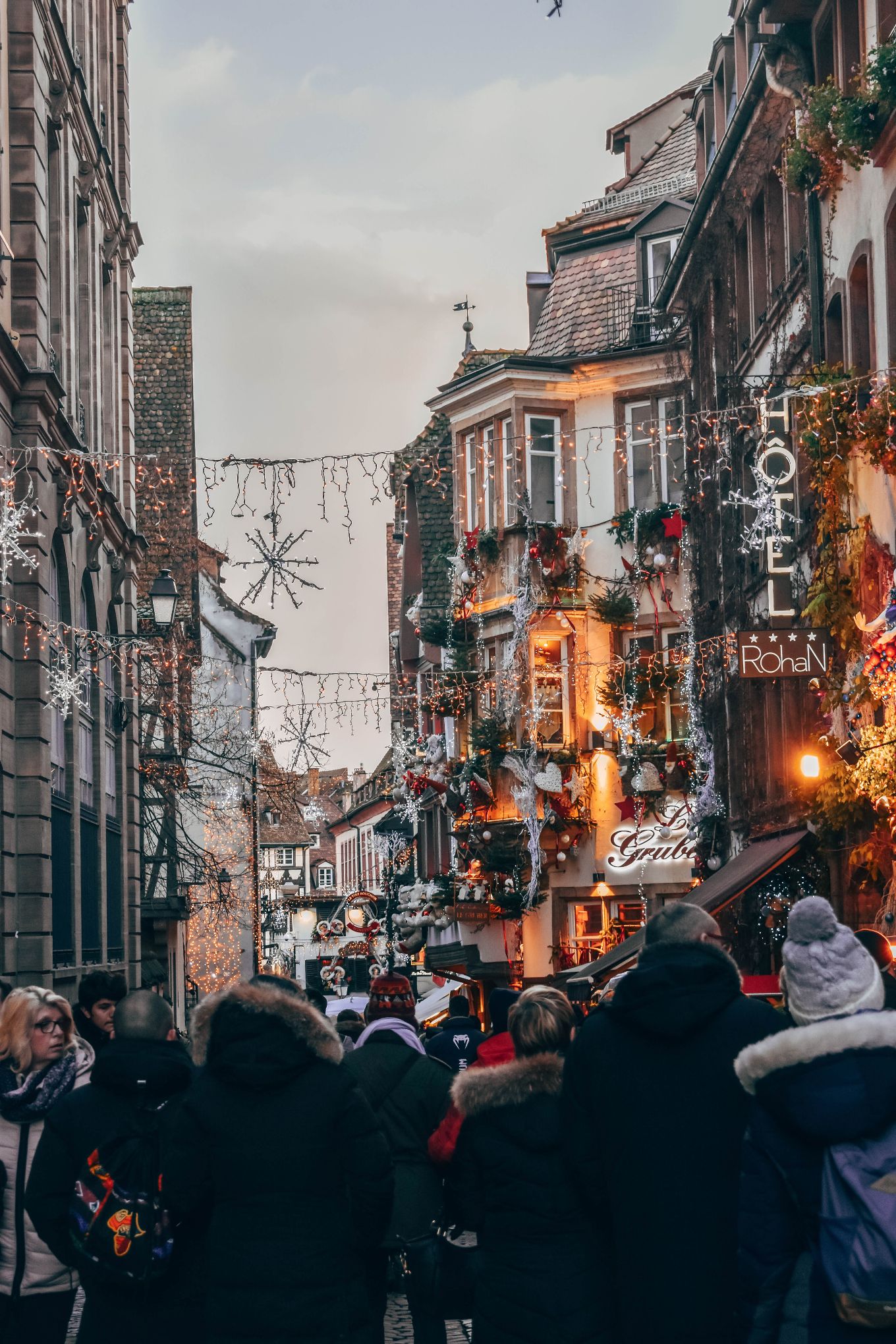
The tradition of the Christmas market, or Christkindlmarkt, is a foundational element of the Central European winter experience. Originating in the Late Middle Ages, these markets were designed to provide townsfolk with provisions for the long winter months.
Strasbourg, France, often cited as the "Capital of Christmas," hosts one of the oldest markets in Europe, dating back to 1570. The economic impact of this single event is substantial, with the city council estimating that the market generates millions of euros in local revenue annually. The integration of German and French traditions in the Alsace region offers a unique case study in European cultural synthesis.
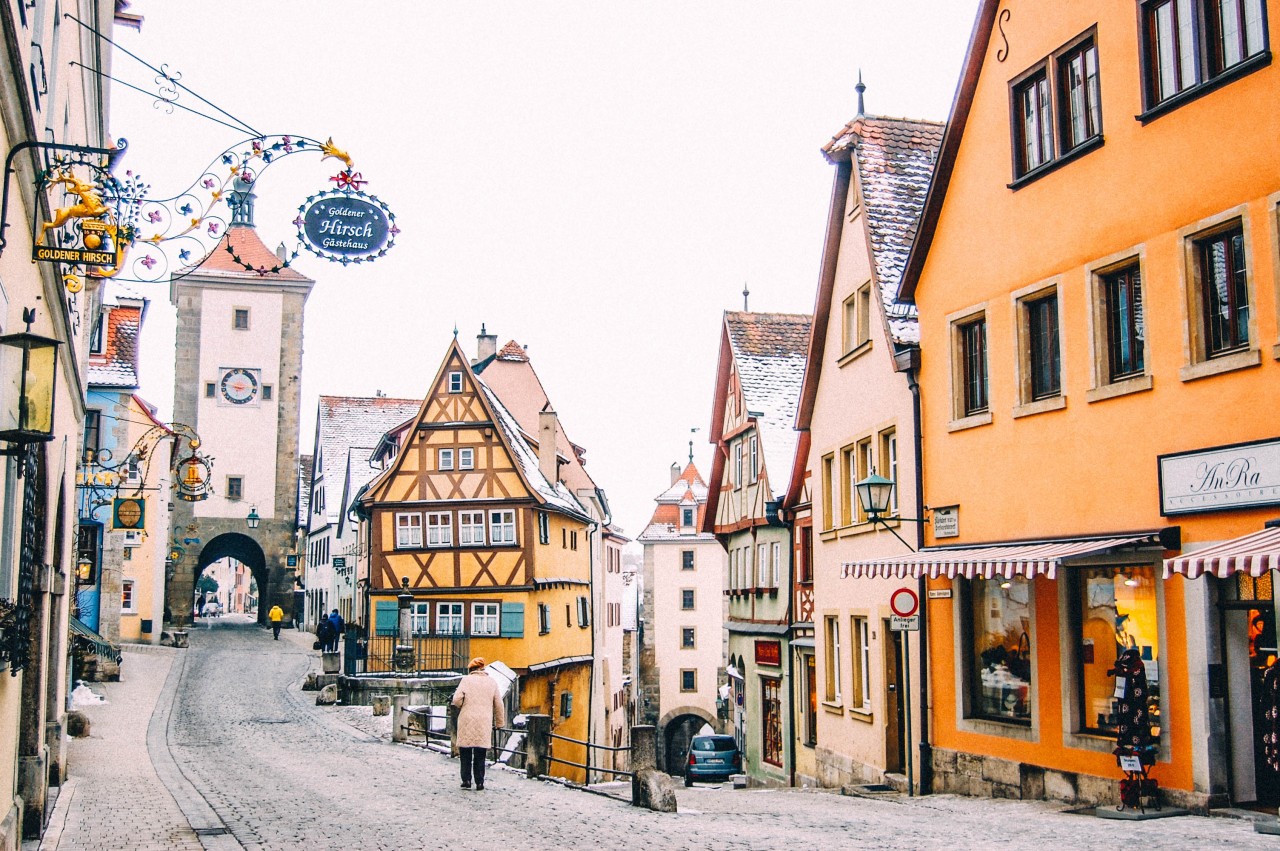
Similarly, Rothenburg ob der Tauber in Germany provides a preserved medieval environment that offers historical context to the evolution of these markets. The existence of the German Christmas Museum in the town underscores the commitment to documenting and maintaining these traditions as protected intangible cultural heritage.
Diverse Regional Experiences: From the Arctic Circle to the Mediterranean
While alpine regions dominate the winter narrative, Northern and Southern Europe offer distinct environmental contrasts.
Rovaniemi, Finland, serves as a primary example of specialized winter tourism. Located within the Arctic Circle, the city has leveraged its geography to become a global hub for "winter magic" tourism. Data from Finnish tourism authorities indicates a surge in interest in Northern Lights-focused travel, which now supports a robust ecosystem of specialized lodging, such as glass igloos, and animal-based excursions like husky sledding.

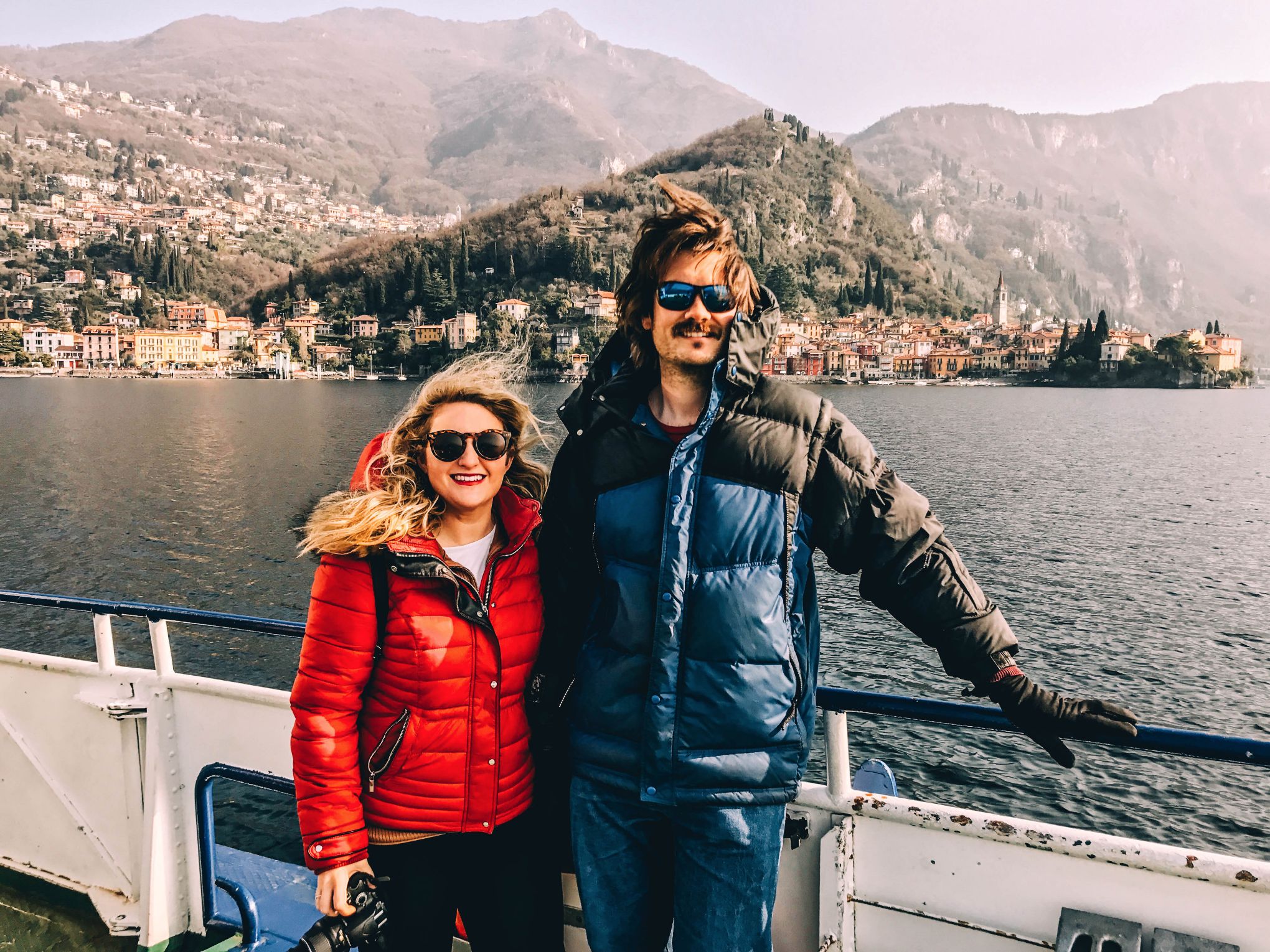
Conversely, regions like Lake Como, Italy, represent the "warm-winter" alternative. While the northern lakes are traditionally associated with summer, the winter months offer a different demographic of traveler—those seeking wine-tourism, local gastronomy, and a quiet, contemplative atmosphere. The local authorities in the Lake Como area have recently introduced light-based festivals from December to January to stimulate off-season visitation, a tactic that has successfully increased hotel occupancy rates by an estimated 15% during the traditionally stagnant period of early January.

The Role of Urban Centers in Seasonal Tourism
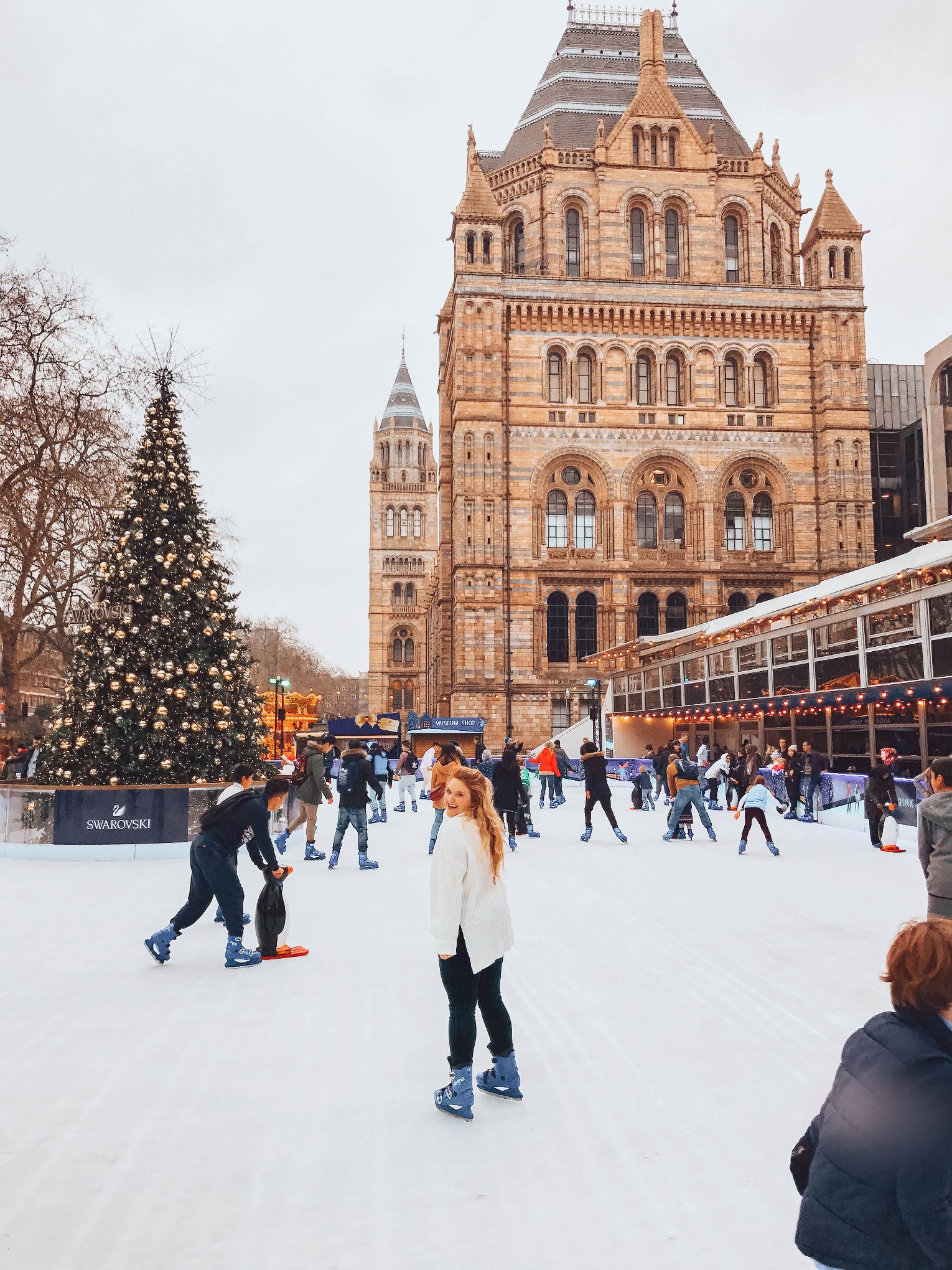
Major cities like London and Copenhagen have adapted their urban planning to facilitate winter tourism. London’s Hyde Park Winter Wonderland is a significant logistical operation that transforms public green space into a massive commercial and entertainment zone. The event’s success demonstrates the importance of large-scale public-private partnerships in managing winter crowds.
In Copenhagen, the concept of hygge has been successfully marketed as a global tourism product. The Danish capital utilizes its "Wondercool" cultural festival in February to counteract the dark, cold months by hosting events in unconventional spaces. This strategy of "culture-led regeneration" has allowed Copenhagen to maintain high visitor satisfaction scores despite the challenging weather conditions.
Implications for Future Travel Trends
The trend toward "slow travel" in Europe—characterized by longer stays and deeper engagement with local communities—is expected to gain momentum. As the climate changes, the stability of snow-reliant resorts in the Alps and the Arctic remains a subject of ongoing analysis. Experts suggest that destinations are diversifying their offerings to include year-round cultural activities to mitigate the risk of fluctuating snowfall.
The broader implication for European tourism is a move toward a more balanced, year-round model. By promoting winter destinations, national tourism boards are attempting to alleviate the environmental and social pressures of over-tourism in the summer.
Summary of Key Destinations
- Zermatt, Switzerland: A benchmark for car-free, high-altitude tourism and sustainable mountain management.
- Strasbourg, France: A hub for historical Christmas traditions with a significant economic footprint.
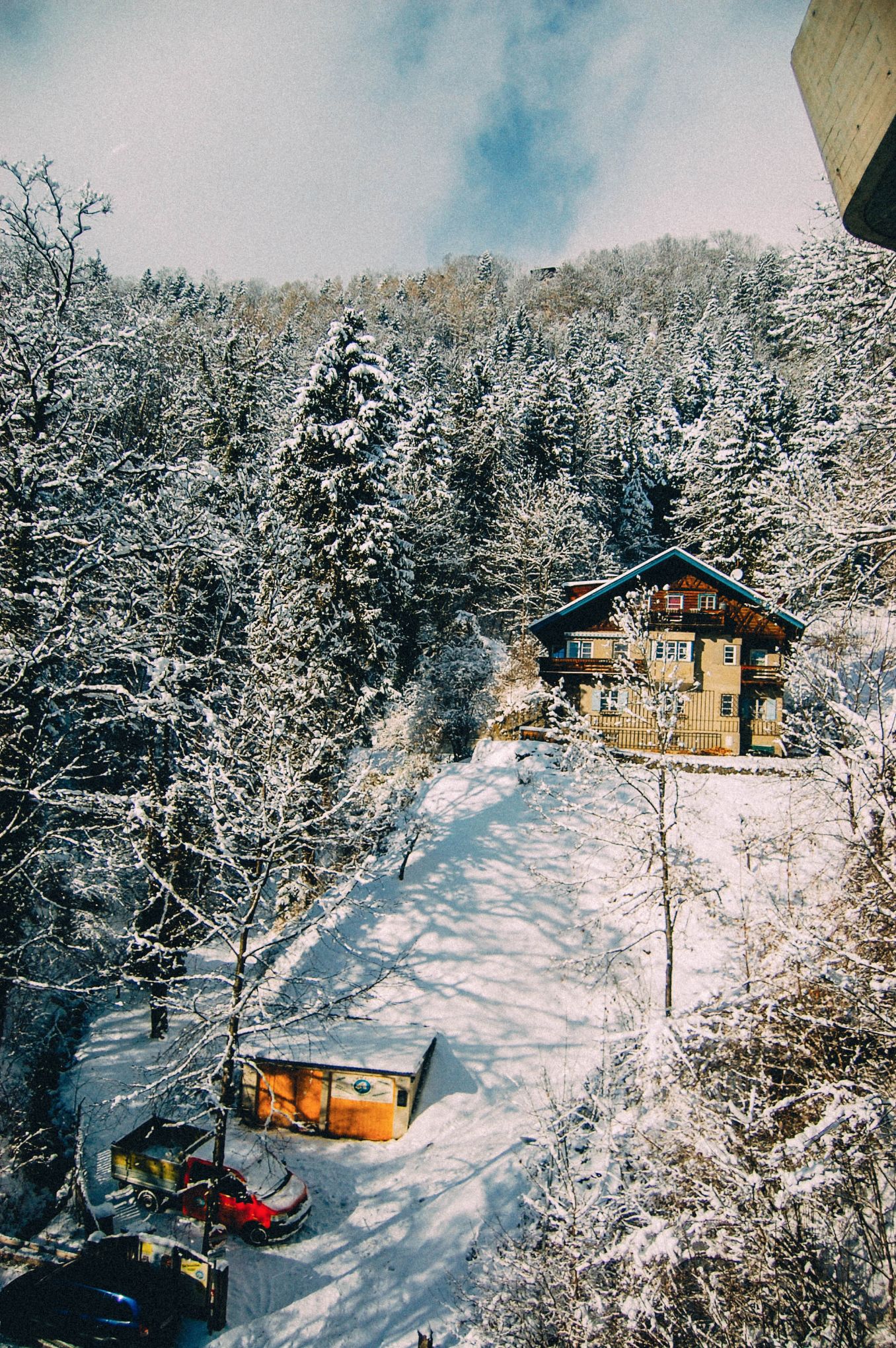
- The Austrian Alps (Wilder Kaiser): A region focusing on the preservation of traditional Alpine lifestyles and landscape.
- Lake Como, Italy: A strategic example of how Mediterranean regions use seasonal events to boost off-peak tourism.
- Rothenburg ob der Tauber, Germany: A site of cultural preservation, offering an authentic look at medieval winter traditions.
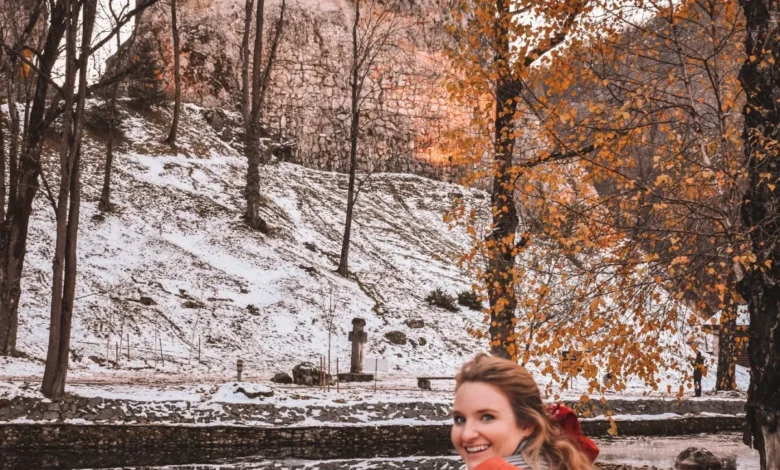
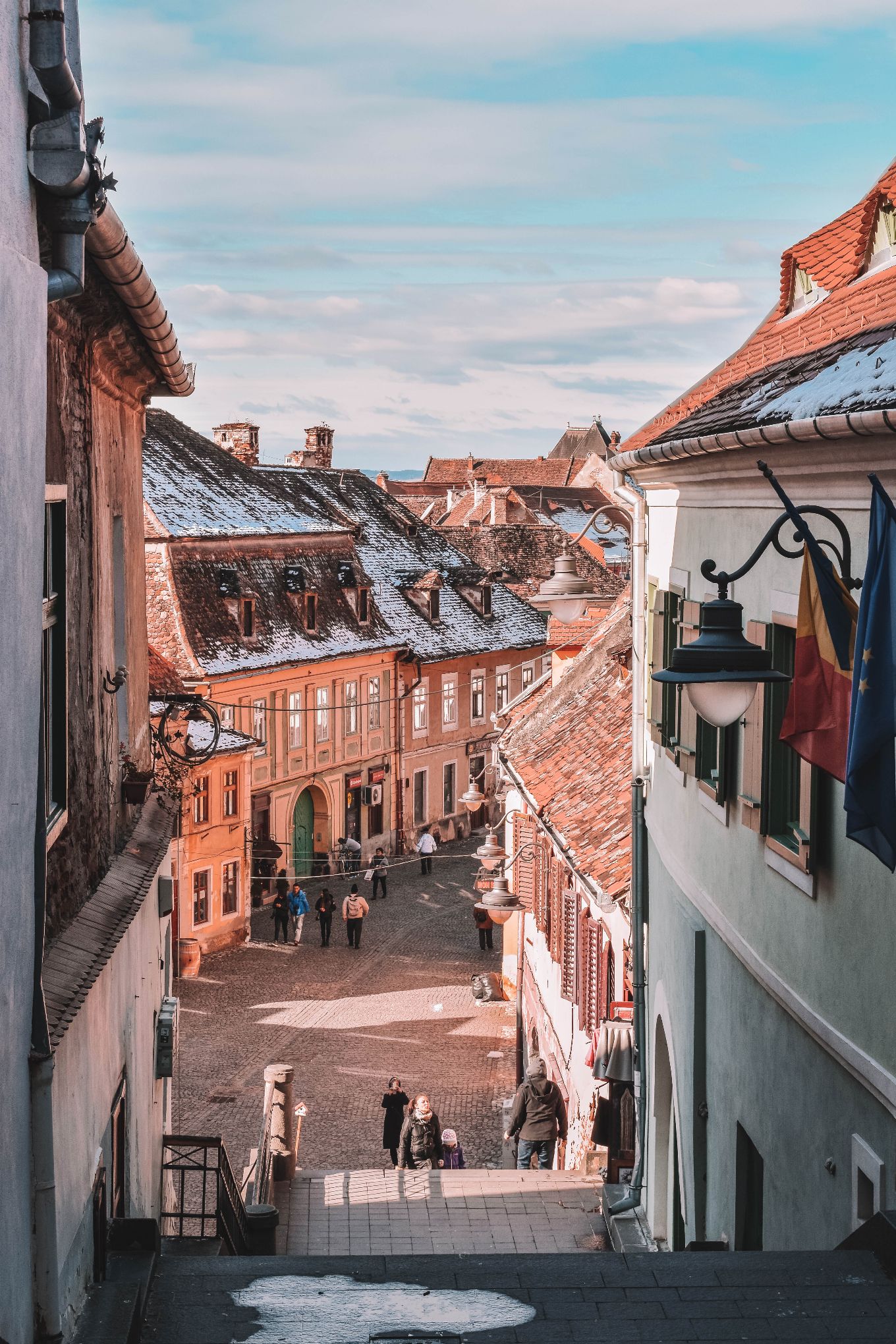
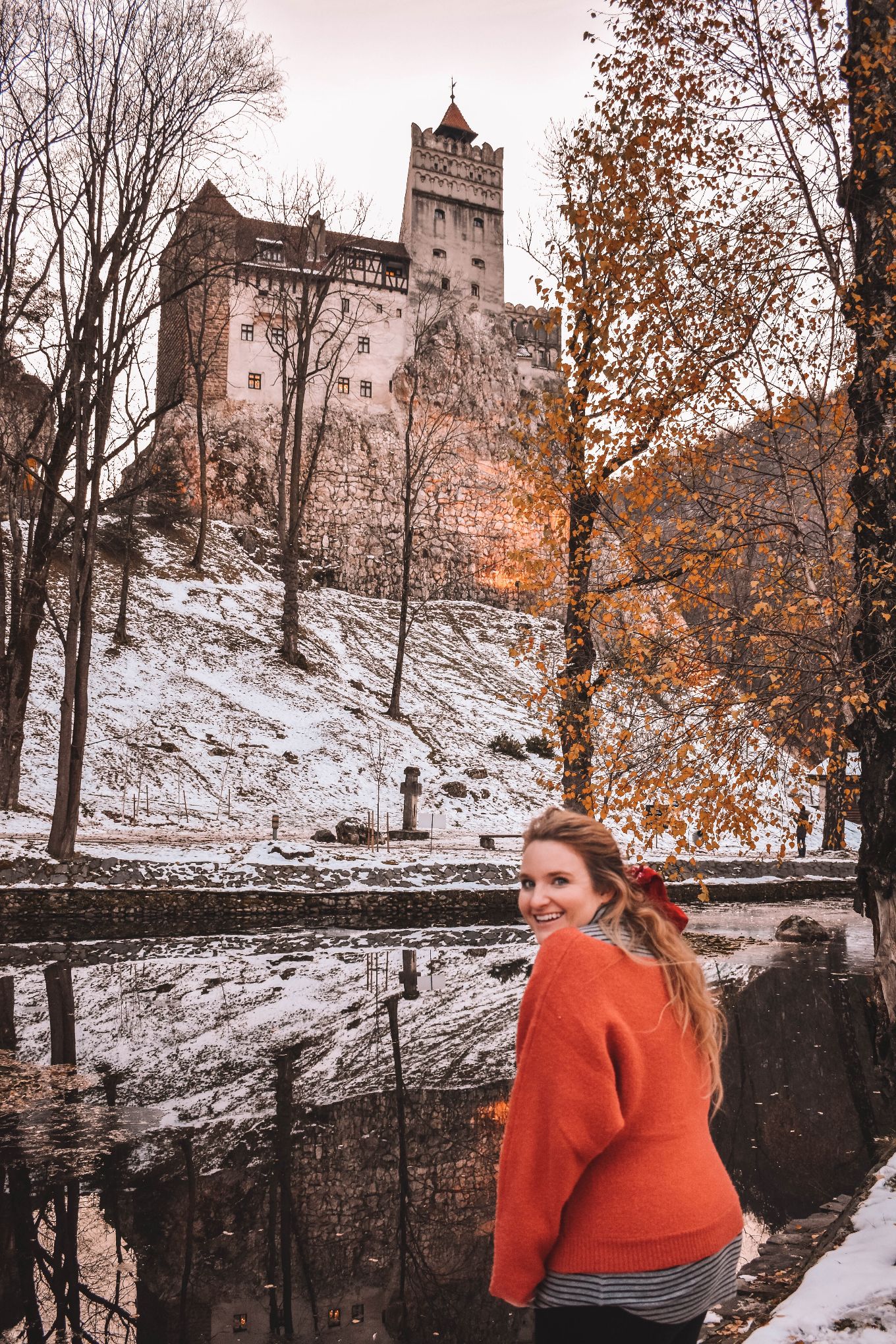
- Transylvania, Romania: A growing market for heritage and landscape-based tourism, leveraging folklore and history.
- Iceland: A leader in geothermal tourism, capitalizing on unique geological features to attract visitors during the shoulder season.
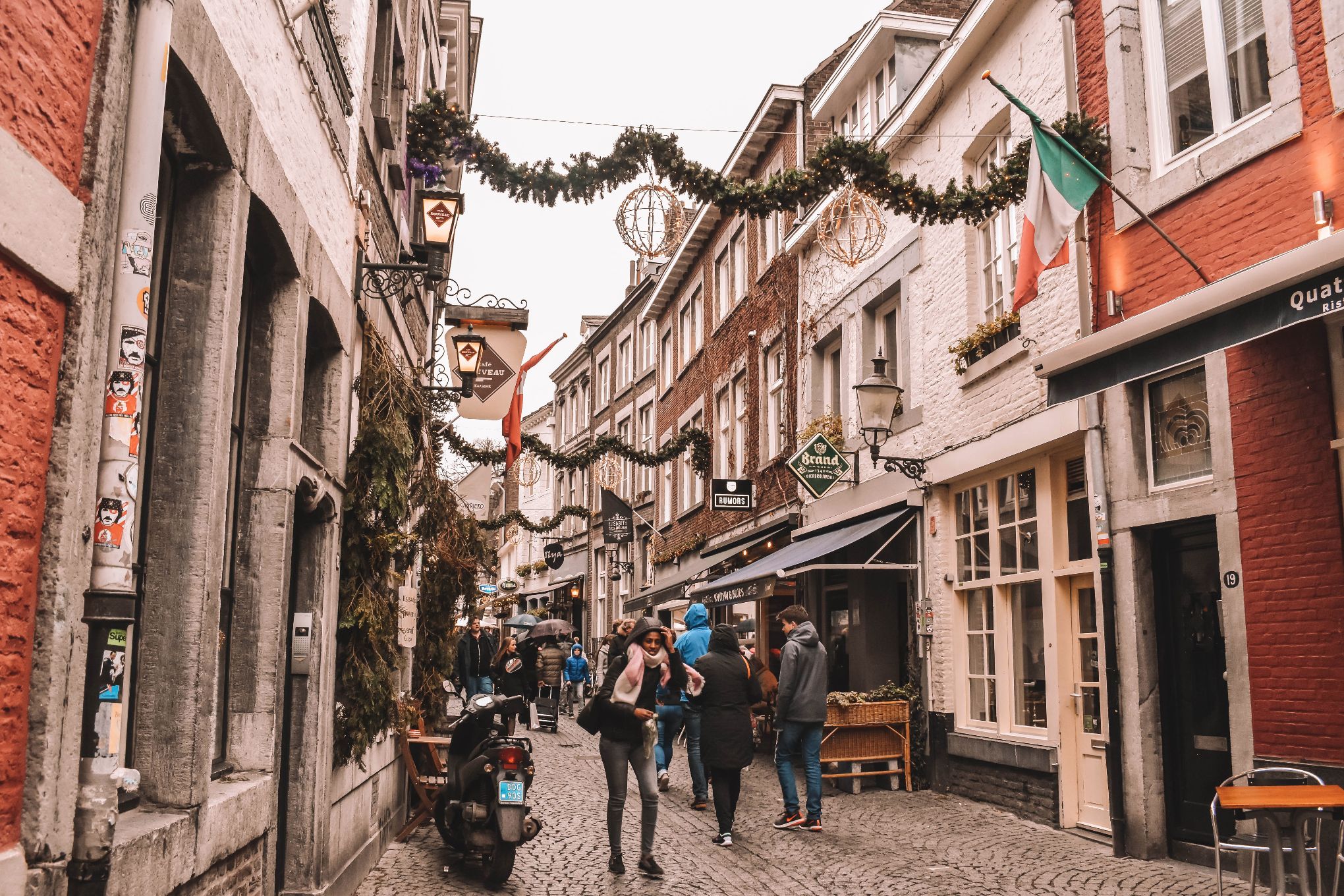
- Maastricht, The Netherlands: A destination that utilizes its history and proximity to neighboring countries to create a multi-national urban experience.
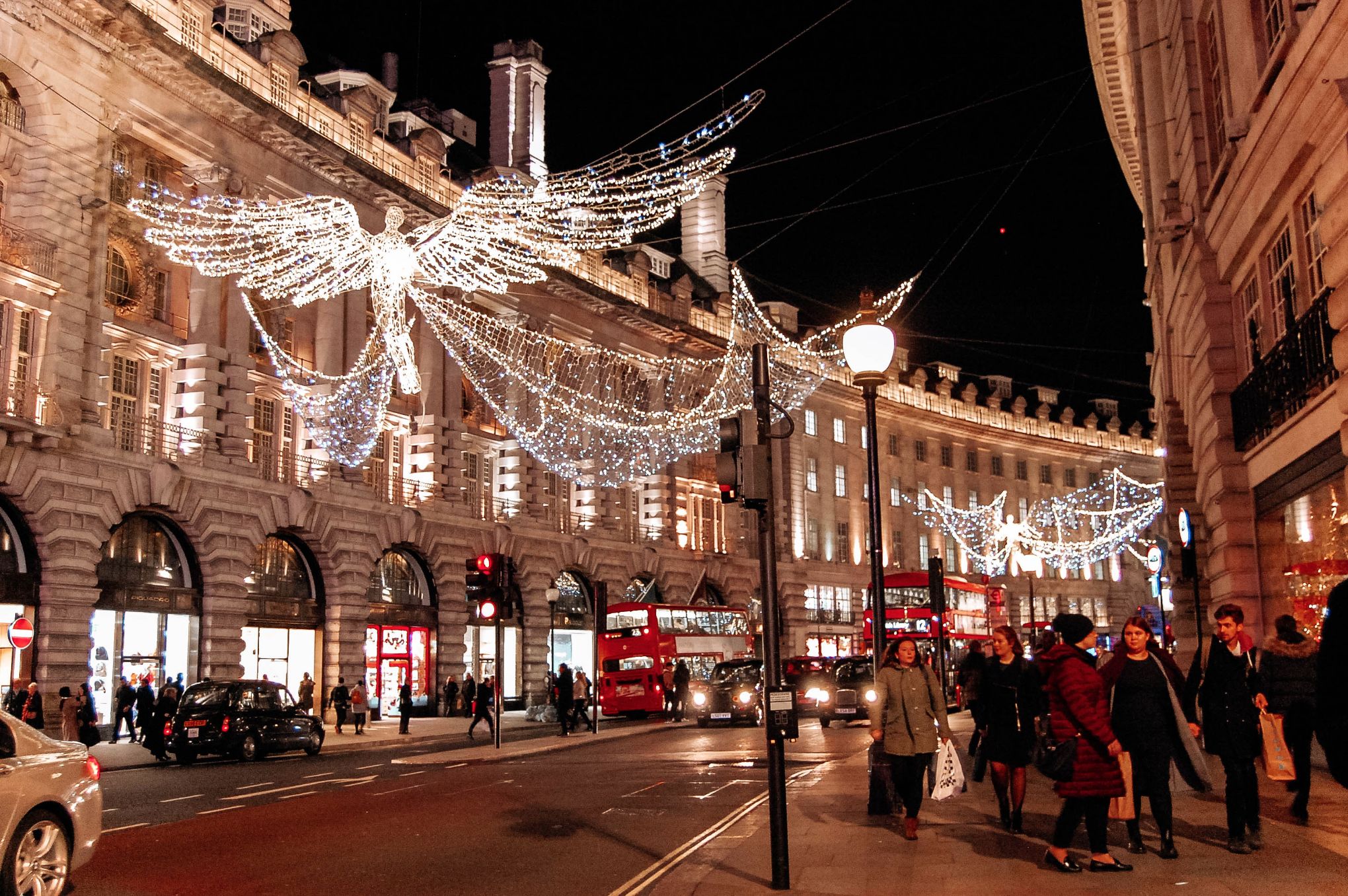
- London, England: A city that integrates large-scale seasonal infrastructure to maintain its status as a top-tier global destination throughout the year.
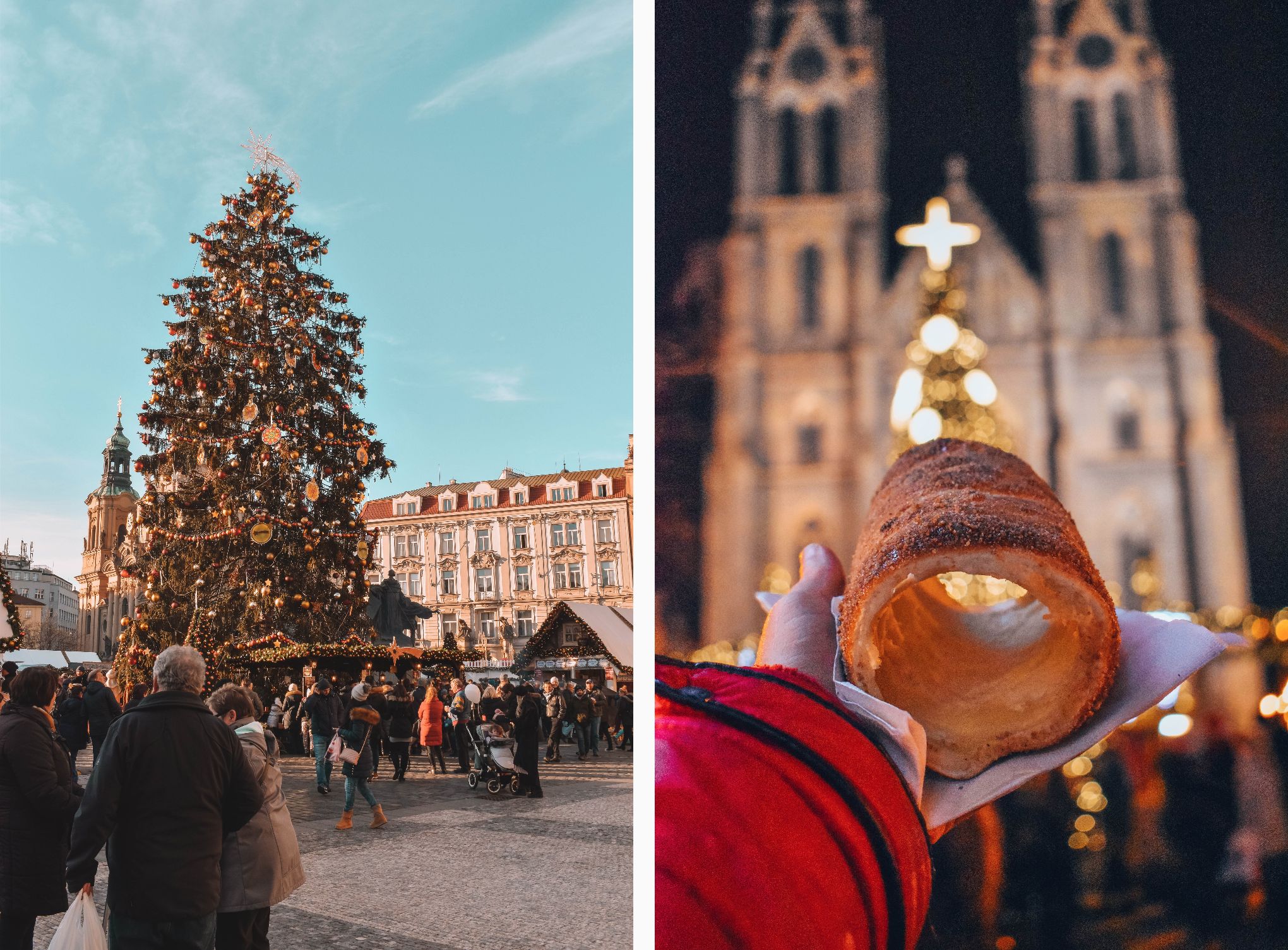
- Prague, Czech Republic: A classic European capital that successfully utilizes its architectural heritage to frame winter tourism.
- Lucerne, Switzerland: A secondary hub that complements larger Alpine centers with intimate, culture-focused experiences.
- Copenhagen, Denmark: A case study in using cultural programming and lifestyle branding to promote winter travel.
- The Black Forest, Germany: A destination focusing on natural landscape and fairy-tale-inspired tourism.
- Rovaniemi, Finland: A primary example of niche, geography-based tourism in the Arctic.
- Chamonix, France: An elite destination balancing sporting excellence with cultural and gastronomic tourism.
The European winter experience is no longer a niche pursuit. It has matured into a sophisticated, multi-faceted sector of the travel industry that balances the preservation of historical customs with the logistical demands of modern global tourism. Travelers planning a winter excursion to the continent are encouraged to monitor local event calendars and seasonal transit updates, as these resources provide the most accurate information for navigating the unique landscape of the European off-season.