California’s Vast and Untamed Mohave National Monuments: A Guide to Exploring the Sand to Snow, Mojave Trails, and Castle Mountains

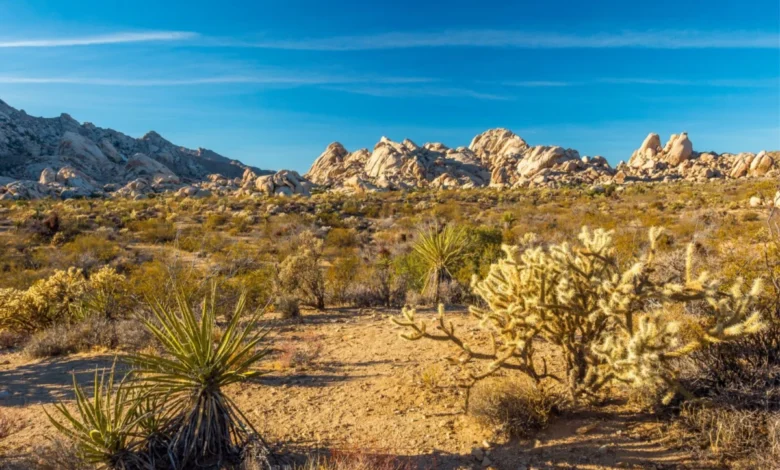
The three California national monuments in the Mohave—Sand to Snow, Mojave Trails, and Castle Mountains—represent some of the most expansive and arid protected lands in the United States. Despite their breathtaking, rugged beauty, they remain among the least-visited national monuments. This relative obscurity makes a road trip connecting these three sites an exceptional way to experience California’s Golden State outside the peak summer heat, though it is certainly still possible, albeit considerably warmer, during those months. All three monuments offer free admission, established trails, and basic facilities, providing accessible entry points into the unique desert environment. However, visitors must be prepared for the characteristic challenges of the desert: rugged terrain and the need for careful navigation. This guide outlines how to plan an unforgettable road trip through the stunning, yet demanding, landscapes of these newly designated protected areas.
Roadtripping the New California National Monuments: A Journey East
Embarking on a road trip to these Mohave treasures from Los Angeles involves an eastward trajectory on Interstate 10, followed by a northerly turn onto Highway 38 near Redlands. This initial drive typically takes approximately two and a half hours to reach the vicinity of the Sand to Snow National Monument. It is crucial to note that travel times within the monument boundaries themselves can be significantly longer due to unpaved roads and the rugged nature of the terrain. For travelers seeking more extensive lodging options and additional outdoor recreational opportunities, consider extending your journey to include nearby destinations such as Joshua Tree National Park or the mountain communities surrounding Big Bear Lake. These areas offer a wider array of amenities and can serve as excellent staging points for exploring the more remote national monuments.
From the Big Bear Lake region or the general vicinity of Joshua Tree, the drive to Mojave Trails National Monument is estimated to take around three hours. The route typically involves heading towards Twentynine Palms and then proceeding north on Amboy Road, leading to the unincorporated community of Amboy. The monument’s boundaries lie just beyond this historic Route 66 outpost. For those planning an early start to explore Mojave Trails, securing lodging in an Airbnb near Joshua Tree National Park the night before can be a practical option, or alternatively, camping closer to the monument’s entry points offers a more immersive desert experience.
The journey to Castle Mountains National Monument requires a further drive, predominantly north via US-95, for approximately two and a half hours. This route will involve crossing into Nevada before re-entering California to access the monument. Due to the limited infrastructure and accommodation options within the immediate vicinity of Castle Mountains, camping is the most viable lodging choice. Those seeking more conventional amenities will need to travel further north to Las Vegas.
Sand to Snow National Monument: Where Desert Meets Alpine
Situated furthest south among California’s new desert national monuments, the Sand to Snow National Monument, spanning an impressive 154,000 acres, offers a remarkable ecological transition. Its name aptly describes its diverse landscape, encompassing both the arid Sonoran Desert and the cooler reaches of the San Bernardino National Forest. This unique juxtaposition creates a rich tapestry of ecosystems and biodiversity.
Within the monument’s boundaries lie 30 miles of the iconic Pacific Crest Trail (PCT), providing opportunities for both day hikes and multi-day backpacking expeditions. For the truly adventurous, the San Bernardino Peak Trail presents an exceptionally challenging yet profoundly rewarding trek. This 16-mile round-trip hike ascends over 4,000 feet, offering panoramic vistas of San Gorgonio Mountain, the highest peak in Southern California. The trail is typically accessible during the summer and early fall. In years with significant snowfall, cross-country skiing within the San Gorgonio Mountains, a part of the monument, becomes a possibility. For those preferring less strenuous exploration, the 0.7-mile Marsh Trail and the 11-mile Morongo Canyon Trail offer accessible routes for hiking or snowshoeing. Birdwatchers will find Sand to Snow a paradise, with over 240 species of migratory birds documented within its diverse habitats, making it a prime location for avian observation.
Mojave Trails National Monument: Embracing the Vastness of the Contiguous United States
The Mojave Trails National Monument is a colossal protected area, covering an astonishing 1.6 million acres, making it the largest national monument in the contiguous United States. Its designation has significantly impacted nearby communities, with the town of Twentynine Palms, located approximately 50 minutes to the south, actively embracing its role as a gateway to this immense natural preserve. The town has spearheaded efforts to promote tourism and highlight the monument’s significance, recognizing the economic benefits derived from its designation.
Jessica Dacey, Director of Communications at the Mojave Desert Land Trust, articulated the profound local pride associated with this designation. "The town of 29 Palms recently voted to become an official gateway to Mojave Trails National Monument," Dacey stated. "To the town’s citizens, it’s a source of great pride that they are home to the biggest national monument in the contiguous 48 states. Over the last five years, tourism to the California desert region has steadily grown, and there has been a direct economic benefit for gateway communities like 29 Palms. There is a growing recognition of the importance of preserving these places." This sentiment underscores the synergistic relationship developing between the monument and its neighboring communities, fostering both conservation and economic development.
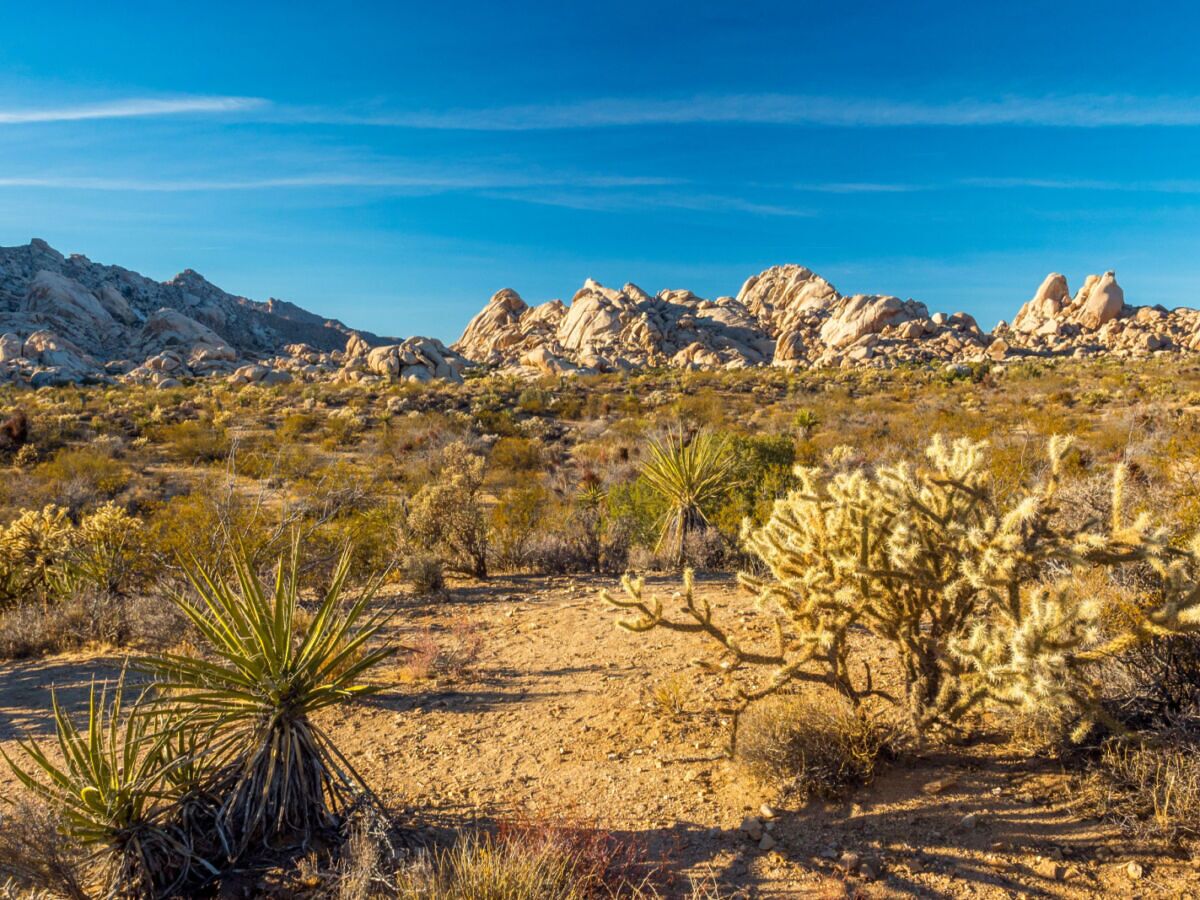
The monument offers abundant opportunities for exploration on foot, embodying the quintessential desert hiking experience of the western United States. Managed by the Bureau of Land Management (BLM), Mojave Trails is characterized by its dry yet breathtaking landscapes and year-round trail accessibility. The area teems with wildlife, including coyotes, jackrabbits, and the iconic roadrunner, adding an element of wild discovery to any visit.
A recommended introduction to the monument’s geological wonders is the three-mile round-trip hike to Amboy Crater, a relatively young volcanic cinder cone. For a more immersive experience, venturing into the Bigelow Cholla Garden Wilderness to explore Afton Canyon provides expansive desert sky views and dramatic rock formations. Along these trails, visitors may encounter ancient fossils, a popular geological artifact within the monument. The U.S. Department of the Interior offers informational videos detailing the appropriate methods and locations for fossil hunting, emphasizing responsible collection practices.
Castle Mountains National Monument: Solitude and Botanical Riches
Castle Mountains National Monument, situated in close proximity to the Mojave National Preserve, shares the distinctive Joshua Tree forests characteristic of the region, reminiscent of its more famous neighbor, Joshua Tree National Park. A significant part of the monument’s allure lies in its profound sense of remoteness and undeveloped nature. It lacks visitor centers, official maps, and formal facilities, requiring visitors to be entirely self-sufficient. The primary infrastructure consists of a rough dirt road, making driving the main mode of exploration. While designated trails are absent, visitors are permitted to explore on foot throughout the monument, exercising caution due to potential hazards such as cacti, scorpions, and dense brush.
During drives or hikes, keep an observant eye out for wildlife, including majestic bighorn sheep and soaring golden eagles. The early spring months bring a vibrant display of wildflower blooms, transforming the arid landscape with bursts of color. It is imperative to remember that Castle Mountains offers truly undeveloped terrain, with no cell service. Visitors must carry all necessary supplies, including ample water, food, and provisions for unexpected situations, as there are no services available along the routes.
In exchange for its lack of amenities, Castle Mountains provides an unparalleled opportunity for solitude and immersion in the desert’s natural soundscapes and exceptionally dark night skies. The 2017 presidential proclamation establishing the monument highlighted these attributes: "The remoteness of the Castle Mountains area offers visitors the chance to experience the solitude of the desert and its increasingly rare natural soundscapes and dark night skies. The area’s native desert grassland is a hotspot of botanical diversity. The unique plant assemblage includes 28 species of native grasses, about half of which are rare, including burrograss and false buffalograss." This rich botanical diversity, with a significant portion of its native grasses being rare species, underscores the ecological importance of this remote sanctuary.
Preparing for the California Desert Monuments: Essential Guidelines
Regardless of which of these remarkable California national monuments you choose to explore, a fundamental preparedness for solitude is paramount. Visitors must carry an ample supply of water, non-perishable food, and appropriate clothing, including layers for the significant temperature fluctuations between day and night in the desert. Sturdy hiking boots are essential for navigating the rugged terrain. Furthermore, investing in a reliable GPS mapping application, such as AllTrails, is highly recommended. Given the limited to non-existent cell service in most areas of these monuments, downloading maps in advance is crucial for safe navigation.
All three of these newly designated California national monuments offer free admission, eliminating the need for park passes. In lieu of these fees, visitors are strongly encouraged to consider donating to the organizations that played a pivotal role in advocating for and securing their protection. The Mojave Desert Land Trust, for instance, relies on donations to acquire and safeguard land and promote responsible recreational practices. This trust actively organizes an annual cleanup day in the area during September. Another vital organization to support is the Wildlands Conservancy, which was instrumental in lobbying the Obama Administration to establish these three protected sites.
Ultimately, one of the most impactful ways to support the California desert monuments is by visiting them responsibly. Adhering to Leave No Trace principles ensures that these pristine environments remain preserved for future generations. By planning thoughtfully and embracing the spirit of adventure, a journey through these Mohave national monuments promises an unforgettable encounter with the raw, untamed beauty of the California desert.