The Greening of the Global Music Festival Industry Balancing Economic Prosperity with Environmental Stewardship

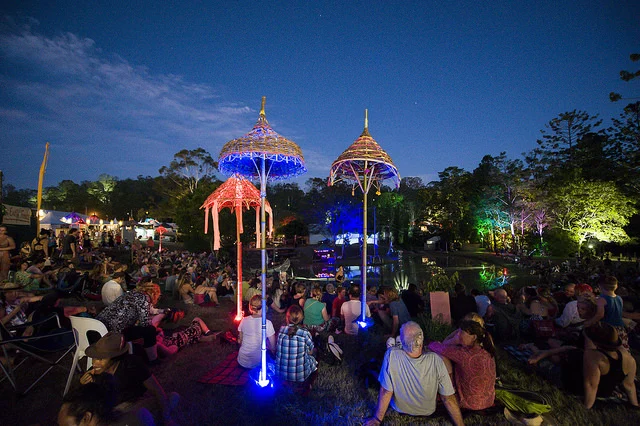
The global music festival industry has undergone a radical transformation over the past two decades, evolving from niche counter-cultural gatherings into a multibillion-dollar pillar of the international entertainment economy. Synonymous with the peak of summer, these events draw millions of live music aficionados who undertake significant journeys to witness their favorite artists perform. While these festivals generate substantial revenue for organizers and provide a vital economic stimulus to host communities, they also leave behind a significant environmental footprint. As the industry continues to scale, the challenge of reconciling massive logistical operations with sustainable practices has become a central focus for stakeholders ranging from local governments to environmental NGOs.
Between 1999 and 2009, the North American concert industry experienced a period of unprecedented growth, with profits jumping by approximately 40%. Annual live music revenues during this decade surged from $1.5 billion to $4.6 billion, signaling a shift in consumer behavior toward experiential spending. By 2017, this upward trajectory reached a new milestone when Coachella, held in Indio, California, became the first recurring music festival to gross more than $100 million in a single year. The economic ripple effects of such events are profound. For instance, the Firefly Music Festival in Delaware was projected to have injected more than $12 million into the local economy during its inaugural year alone. These "shindigs" serve as critical lifelines for rural areas, supporting local hospitality, retail, and transportation sectors. However, this economic windfall is increasingly scrutinized through the lens of ecological impact.
The Environmental Cost of Large-Scale Gatherings
Despite their economic benefits, music festivals face a persistent struggle to achieve true environmental sustainability. Data from the United Kingdom illustrates the scale of the problem: festivals in the UK are responsible for an estimated 21,800 tons of carbon emissions annually. This figure, however, represents only a fraction of the total impact. According to Powerful Thinking, an organization dedicated to reducing the environmental footprint of festivals, the carbon emissions generated by the travel of artists and attendees can be four times higher than the emissions produced on-site. Furthermore, British festivals generate approximately 26,000 tons of waste every year, with recycling rates struggling to exceed 32%.
The waste management crisis at festivals is often visible in the aftermath of the events, where fields once filled with music are left littered with plastic, food waste, and abandoned camping equipment. In response, a growing number of organizers are implementing sophisticated waste-reduction strategies. Lyndsey Harvey, the regional Public Relations manager for England’s Larmer Tree Festival, emphasizes that preserving the aesthetic and ecological integrity of the venue is a primary motivator. The festival works in close coordination with local councils to ensure all recyclable materials are processed, while non-recyclable waste is baled for waste-to-energy production, effectively ensuring that nothing is sent to a landfill. This holistic approach extends to creative workshops, where leaders are encouraged to use recycled materials, and unclaimed lost property is donated to charitable organizations.

Innovations in Waste Mitigation and Recycling
In Scotland, the HebCeltfest has seen significant success through its "Recycle and Reward" scheme. Launched in 2013, the initiative was designed to incentivize attendees to participate in the cleanup process. While the program has faced logistical hurdles, staff members report a measurable reduction in landfill waste. One of the most effective interventions at HebCeltfest has been the introduction of reusable "ecocups." This transition has been popular with festival-goers and has led to a dramatic reduction in site litter, with organizers noting that the volume of waste filling the grounds decreased almost instantly upon the program’s implementation.
San Francisco’s Outside Lands Festival has adopted a different but equally effective method for curbing plastic pollution. By providing free water stations for guests who bring their own refillable bottles, the festival prevented more than 50,000 plastic water bottles from entering the waste stream in a single year. Beyond plastics, organizers are also addressing the issue of food security and waste. The Larmer Tree Festival partners with the Trussell Trust, encouraging attendees to donate nonperishable food items to special containers. These items are then redistributed through food banks, turning potential waste into a community resource.
The Transportation Paradox and Carbon Emissions
While on-site waste management is a visible challenge, the most significant hurdle to sustainability occurs far beyond the festival gates. Transportation to and from venues typically accounts for 80% of a festival’s total carbon emissions. The inherent nature of these events—requiring vast, open spaces for stages and camping—often necessitates rural locations. These "out in the bush" settings are rarely served by robust public transport networks, leaving attendees with little choice but to travel by private vehicle.
A survey of festival-goers revealed that 66% prefer traveling by car, often due to the logistical difficulty of transporting camping gear on buses or trains. This issue is particularly acute for the Woodford Folk Festival in Australia, which attracts over 132,000 attendees to the Sunshine Coast hinterlands. Corrina McGowan, the festival’s business development manager, admits that shifting attendees toward greener transport has been difficult. She notes that while car-pooling has improved among day-trippers, the lack of practical public transport options for campers remains a significant barrier.
To mitigate these effects, some festivals are experimenting with creative incentives. Pickathon, located near Portland, Oregon, operates a free bicycle parking lot and a shuttle service, which together accommodate roughly 25% of the festival’s attendees. In California, the Lightning in a Bottle festival implements a "solo driver" fee of $30 for parking, while vehicles with multiple passengers park for free. Attendees are also given the option to purchase carbon credits to offset their travel. In England, the Shambala Festival takes an even more proactive stance by subsidizing coach travel from several major cities. Sustainability manager Henry Taylor explains that 20% of ticket sales are allocated to support coach travel, a cost the organization views as a necessary investment in reducing the event’s overall impact. Shambala also partners with car-sharing websites and cycling groups to offer tiered ticketing for those who arrive via low-carbon transport.
Sustainable Infrastructure and Community Integration
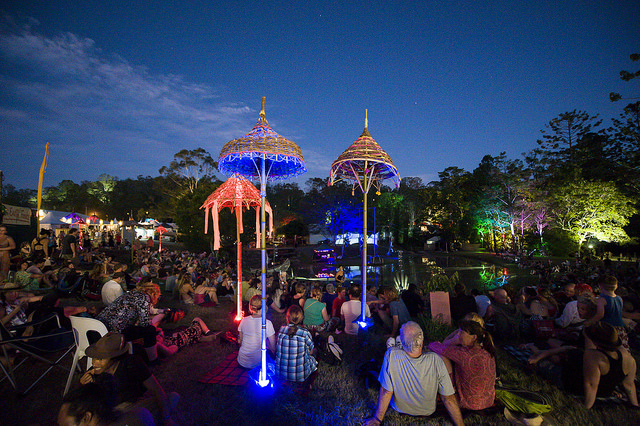
The integration of renewable energy and community-led conservation projects represents the next frontier for green festivals. The Woodford Folk Festival has successfully fostered a sense of community ownership through its "Forest Woodfordia" project. Attendees sponsor endemic rainforest trees and plants, then return to the site to plant them. To date, approximately 110,000 trees have been planted, transforming the festival grounds and creating a lasting ecological legacy.
Technological advancements have also allowed festivals to transition away from diesel generators. The Finger Lakes Grassroots Festival in New York has utilized government support from Tompkins County to implement solar-powered lighting and a self-powered trailer for phone charging. Internationally, the Oyafestivalen in Norway features a stage powered entirely by solar energy, while Portugal’s Boom Festival utilizes four dedicated solar stations. Perhaps the most innovative use of natural resources is found at Iceland’s Secret Solstice; by scheduling the event during the summer solstice, the festival utilizes the 24-hour "midnight sun" to minimize the need for artificial lighting, significantly reducing energy consumption.
The Role of Dietary Choices in Sustainability
Food production is another major contributor to the carbon footprint of large events. Shambala Festival made headlines by transitioning to a completely meat-free menu. Despite initial concerns regarding attendee reactions, Henry Taylor reports that the feedback was overwhelmingly positive, largely due to the high standards and diversity of the vegetarian and vegan options provided by traders. The festival also hosts the "Garden of Feeden," a venue dedicated to discussions and workshops on farming, ethics, industry waste, and communal cooking. This educational component empowers attendees to make more sustainable choices in their daily lives, extending the festival’s impact beyond the weekend of the event.
Actionable Steps for the Conscious Festival-Goer
While organizers bear the responsibility for systemic changes, individual behavior remains a critical component of a festival’s environmental success. Environmental experts highlight several key areas where attendees can make a difference:
- Tent Preservation: One of the most significant waste issues is the abandonment of tents. In 2016, over 5,000 tents were left at the Glastonbury Festival. Contrary to popular belief, most of these are not collected by charities but end up in landfills. Attendees are urged to invest in high-quality gear and take it home.
- Refillable Containers: Bringing a reusable water bottle is the simplest way to eliminate single-use plastics. Many modern festivals now provide high-quality filtered water for free.
- Waste Hierarchy: Bringing reusable utensils and containers for food can drastically reduce the volume of packaging waste generated at vendor stalls.
- Food Waste Awareness: Food waste is the world’s third-largest contributor to greenhouse gas emissions. When organic matter rots in a landfill, it produces methane, a gas significantly more potent than carbon dioxide. Attendees should be mindful of portion sizes and use designated composting bins where available.
The transition toward sustainable music festivals is a complex, ongoing process that requires cooperation between organizers, local governments, and the public. As the industry continues to grow, the success of these events will increasingly be measured not just by their gross revenue or the caliber of their lineups, but by their ability to exist in harmony with the environments they inhabit. Through technological innovation, community engagement, and a shift in attendee culture, the music festival industry is slowly but surely moving toward a greener future.