Navigating the Photography and Video Show: Essential Insights for Exhibitors and Visitors Alike

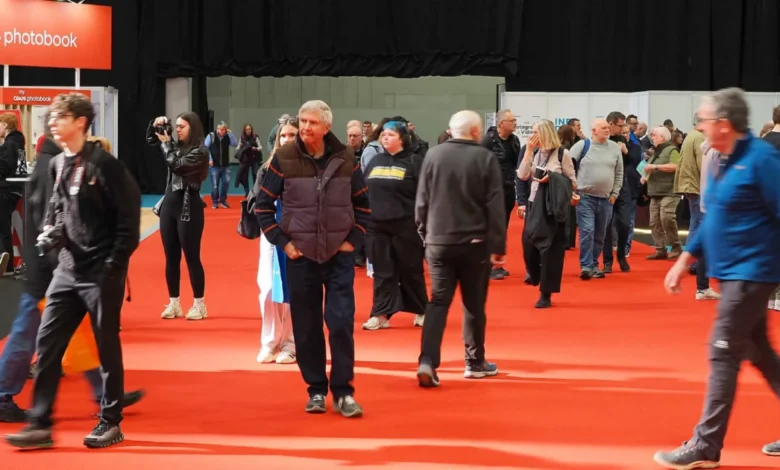
The Photography and Video Show (TPS), held at the expansive National Exhibition Centre (NEC) in Birmingham, England, presents a significant annual gathering for the photographic and videographic industry. Spanning 440 acres, the NEC, the UK’s largest exhibition venue, plays host to this event, attracting a diverse array of manufacturers, retailers, and enthusiasts. This report offers a comprehensive guide, drawing from recent observations at TPS, to help both those exhibiting their wares and those attending as visitors maximize their experience and derive the most value from the show.
The Immersive Nature of Trade Shows: Preparing for Sensory Overload
Trade fairs like TPS are inherently high-energy environments. The sheer volume of activity, the constant buzz of conversation, and the visual stimulation from numerous displays can be overwhelming. For many photographers, accustomed to quieter, more focused creative spaces, the initial hours at such an event can be particularly draining. This sensory intensity, however, is precisely what makes these events valuable. They offer an unparalleled opportunity to engage directly with new technology, industry trends, and a vibrant community.
Strategic Planning for Energy Management: Recognizing the potential for fatigue is the first step in effective preparation. For attendees traveling from afar, considering an overnight stay in proximity to the venue can significantly alleviate travel-related exhaustion. The NEC’s accessibility via air and rail services also presents viable alternatives for those seeking to minimize travel stress and maximize time spent on the show floor. Exhibitors, conversely, must ensure their teams are well-rested and prepared for prolonged periods of engagement and customer interaction.
Pre-Show Due Diligence: Research as a Cornerstone of Success
The adage "knowledge is power" holds particularly true for attendees of photography trade shows. Whether the objective is to make a significant purchase or simply to stay abreast of industry advancements, thorough pre-show research is paramount.
For Visitors: Informed Decision-Making and Unforeseen Discoveries
Targeted Exploration: Before arriving, visitors should consult the list of exhibitors and identify key companies or product categories of interest. Proactively reaching out to potential exhibitors in advance, perhaps even securing a named point of contact, can facilitate a more personalized and efficient experience on-site. This allows for targeted discussions about specific products or solutions.
However, the show floor is also a place for serendipitous discovery. While pre-planning is beneficial, attendees should remain open to exploring beyond their initial list. The dynamic nature of trade shows means that unexpected innovations or compelling offers can emerge, potentially leading to a reassessment of initial intentions. One anecdote from a recent TPS highlighted a visitor who, despite having a specific purchase in mind, discovered a superior alternative later in the day, leading to a revised buying decision. This underscores the importance of a flexible approach.
For Exhibitors: Strategic Engagement and Product Showcase
Exhibitors should leverage pre-show marketing to generate interest and schedule meetings with key distributors, retailers, and potential clients. Providing clear information about their booth location and product demonstrations can attract targeted traffic. Understanding the demographics and interests of expected attendees allows exhibitors to tailor their messaging and staffing accordingly.
The Evolving Landscape of Innovation: Assessing Value Beyond the Annual Cycle
A recurring observation at photography trade shows is the cyclical nature of product development. While the latest models are always a draw, the degree of differentiation from previous iterations can sometimes be marginal.
Recognizing Stagnation and Identifying True Advancements
The "Déjà Vu" Effect: For attendees who regularly visit the same shows, a sense of déjà vu can set in. The fundamental layout of the exhibition, and even the presentation of many stands, may appear remarkably similar to previous years. This observation is not a dismissal of the event’s value but rather a call for critical assessment.
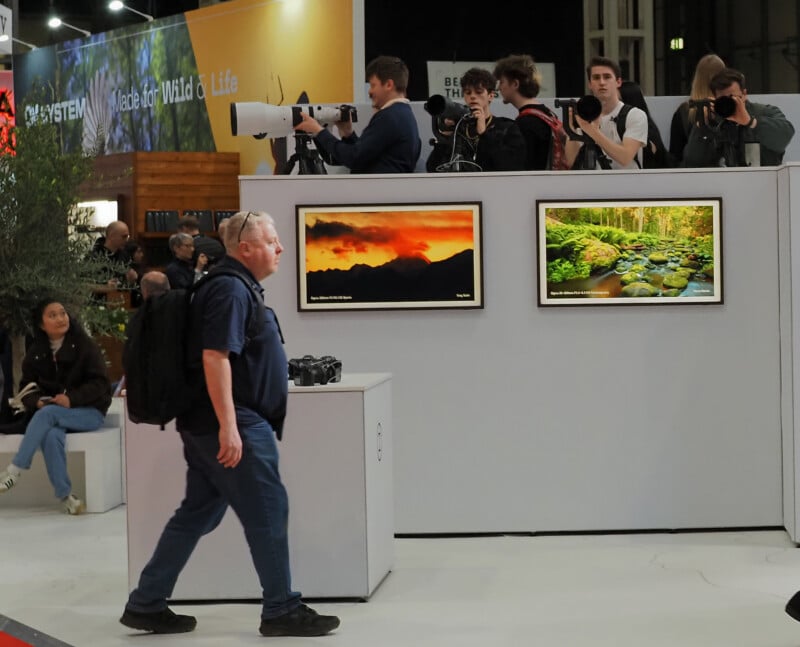
Focusing on Genuine Innovation: While cameras may continue to exhibit similar ergonomic challenges or accessory manufacturers might persist in producing a range of quality levels, discerning attendees can still find value. The presence of new models from major manufacturers offers a tangible opportunity to interact with cutting-edge technology. However, a deeper dive into the offerings can reveal whether the perceived advancements justify the investment or the cost of attendance. For some, attending every single year might not be necessary if the incremental changes are minimal. Instead, a biennial or triennial attendance schedule might be more prudent for those seeking significant technological leaps.
Implications for Exhibitors: Demonstrating Distinctive Value
Exhibitors must continually strive to differentiate their offerings. Simply showcasing the latest iteration of existing products may not be enough to capture the attention of discerning attendees. Highlighting unique features, demonstrating innovative applications, and providing compelling comparative data against competitors can help cut through the noise. The challenge for exhibitors is to clearly articulate what makes their product or service truly stand out in a crowded marketplace.
Beyond the Mainstream: Discovering Niche Innovations and Small Businesses
The allure of large, prominent brands at trade shows is undeniable. Their expansive booths and recognizable logos often draw significant crowds. However, focusing solely on these established players can mean missing out on some of the most exciting and innovative developments.
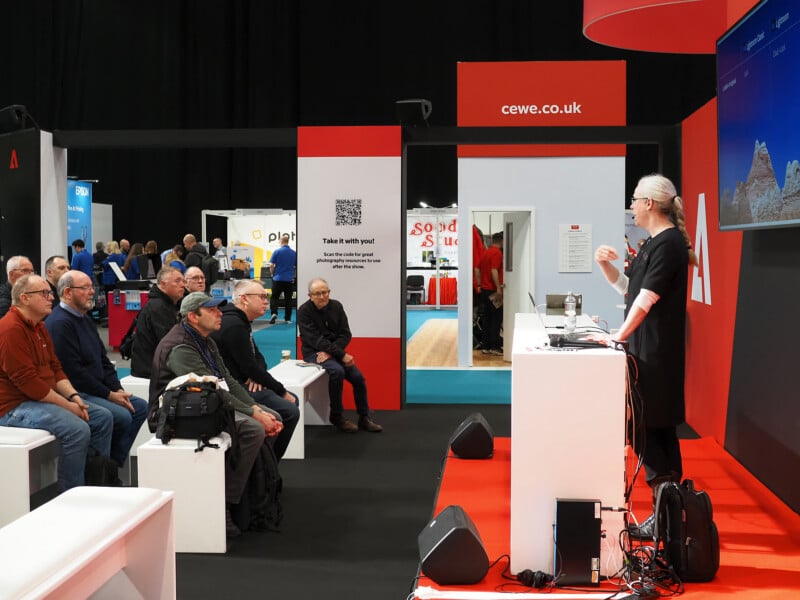
The Power of the Undiscovered
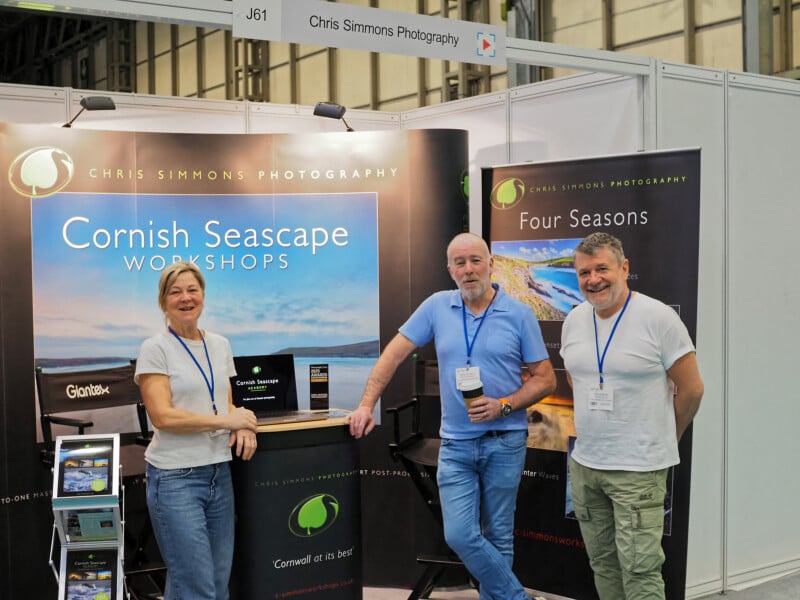
Shining a Light on Small Enterprises: The author’s experience at TPS revealed that the most captivating stalls were often those operated by small businesses. These entities frequently showcase products that are genuinely novel, offering unique solutions or approaches that set them apart from larger, more homogenous brands. These smaller exhibitors often provide a more intimate and informative interaction, with staff who possess deep product knowledge and a genuine passion for their craft.
A Counterpoint to Mass-Produced Offerings: The article notes the ubiquity of mass-produced, often lower-quality accessories alongside high-end gear from top brands. While readily available in retail environments, these items are also prevalent at trade shows. By actively seeking out smaller, specialized exhibitors, attendees can discover niche products and artisanal craftsmanship that might otherwise remain overlooked. This also provides an opportunity to support independent businesses within the photographic ecosystem.
Strategic Importance for Small Businesses
For small businesses, trade shows represent a crucial platform for visibility and growth. Their ability to connect with a targeted audience, gain feedback, and forge new partnerships can be transformative. Exhibitors in this category should focus on creating an engaging and informative booth experience that highlights their unique selling propositions.
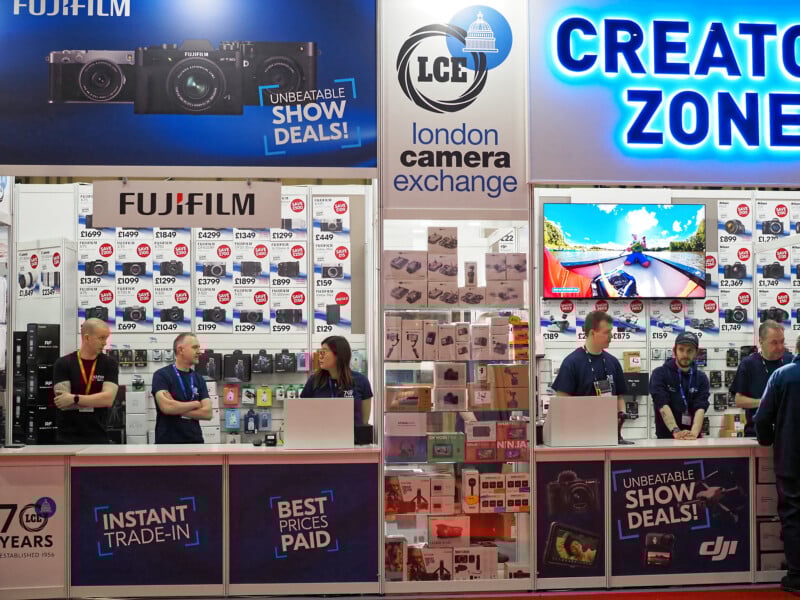
The Shifting Global Dynamics: The Ascendancy of Chinese Manufacturing
A significant and observable trend at recent photography trade shows, including TPS, is the substantial increase in the presence of Chinese manufacturers. This shift reflects a broader evolution in global manufacturing and supply chains within the photographic industry.
The Growing Footprint of Chinese Brands
From Niche to Mainstream: While established Chinese brands like Godox, Viltrox, and Neewer have been consistent presences for years, the recent shows have seen a proliferation of lesser-known companies entering the market. Brands ranging from Accsoon and Xencelabs to Yololiv and Zitay now represent a significant portion of the exhibitor base. This expansion indicates a growing confidence and capability within China’s manufacturing sector to produce a wide spectrum of photographic equipment.
Competitive Pricing and Quality: The article rightly points out that this trend is not driven by a desire for market dominance alone, but by the production of high-quality gear at competitive price points. This influx of Chinese-manufactured products has demonstrably benefited consumers by increasing choice and driving down prices across various equipment categories. Furthermore, the manufacturing base of several major camera brands also resides in China, underscoring the country’s integral role in the global supply chain.
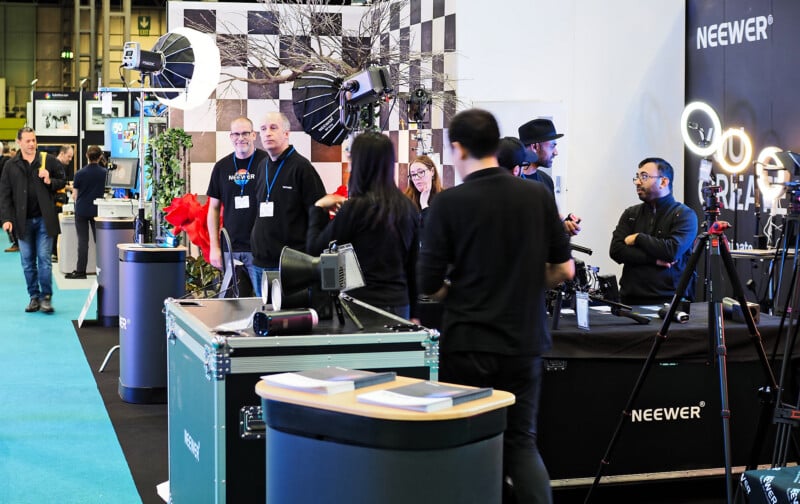
Implications for Industry and Consumers
The rise of Chinese manufacturers signifies a democratizing force within the photographic industry. It has lowered the barrier to entry for aspiring photographers and content creators by making advanced technology more accessible. For established brands, it presents both a challenge and an opportunity to innovate and maintain their competitive edge. Exhibitors should be prepared to discuss the provenance of their products and highlight the quality control measures in place.
Strategic Booth Presence: Brand Representation and Engagement Strategies
The effectiveness of an exhibitor’s presence at a trade show can be significantly influenced by the brands that choose to participate and the manner in which they engage with attendees.
The Impact of Brand Absence and Presence
Strategic Decisions by Major Players: The absence of certain prominent brands, such as DJI, 7Artisans, K&F Concept, SmallRig, Leica, and DxO, from TPS was noted. This absence may reflect a strategic decision by these companies, perhaps indicating a belief that their resources are better allocated to direct marketing, online sales, or other promotional channels. The concept of "Fear of Missing Out" (FOMO) might be a factor, but these companies may have concluded that their participation at this specific event does not yield a sufficient return on investment.
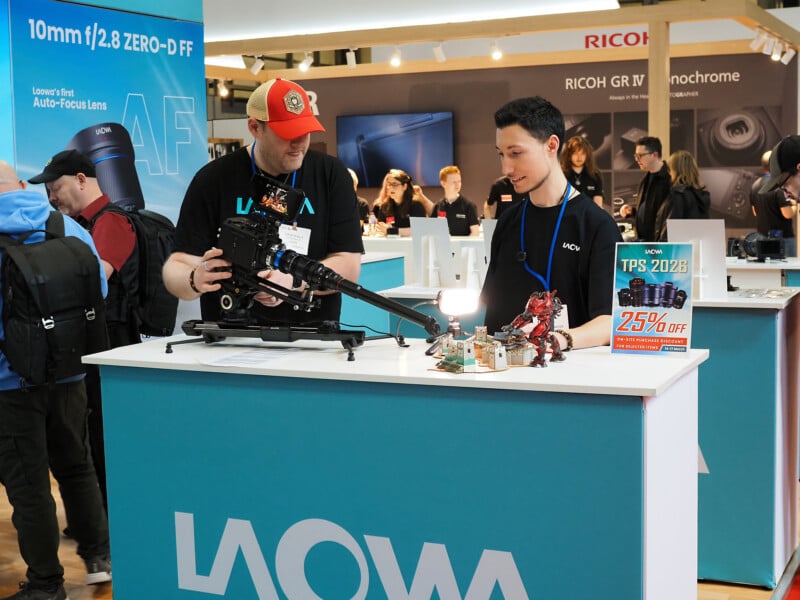
Leveraging Brand Engagement: For brands that are present, the author suggests a proactive approach: attendees are encouraged to engage with them on social media and share their experiences. This offers a tangible benefit to the exhibitor through increased publicity. For exhibitors, fostering positive interactions can translate into brand loyalty and future business.
Exhibitor Engagement: The Spectrum of Enthusiasm
The attitude and approach of exhibitors can profoundly impact the visitor experience. Observations at TPS revealed a notable disparity in engagement levels.
Differentiating Approaches to Customer Interaction
The Eager vs. The Indifferent: A common observation was that smaller businesses and camera manufacturers generally exhibited a strong eagerness to engage with the public. Their staff were often proactive in initiating conversations and demonstrating their products. Conversely, some larger brands were perceived as less approachable. Attendees reported instances of staff making little effort to interact, even when approached directly.
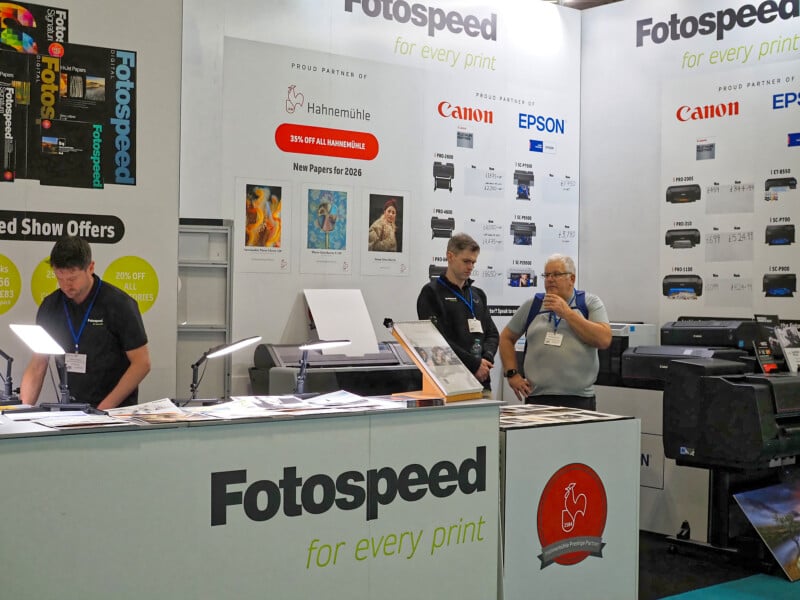
The Role of Distributors and Passion: In some cases, accessory brands were represented by local distributors rather than their own employees. This sometimes resulted in a less enthusiastic or knowledgeable presentation of the products. The author posits that this lack of enthusiasm might stem from the repetitive nature of attending these events year after year, leading to a degree of "event fatigue." However, this does not excuse a lack of engagement, especially when attendees actively attempt to connect.
The Importance of Genuine Passion
The author’s personal positive experiences with brands they regularly interact with, whose staff demonstrated genuine enthusiasm and product knowledge, underscore a crucial point: consistent, positive engagement is vital for maintaining customer loyalty. These interactions reinforce the value proposition of the brand and foster goodwill.
Lessons for Exhibitors
The varying attitudes highlight a clear lesson for exhibitors: the human element is critical. Even in a technology-driven industry, personal connection and genuine passion for products can be a powerful differentiator. While acknowledging the challenges of extensive networking for introverted individuals, a lack of basic enthusiasm for one’s own offerings is a missed opportunity.
Practical Considerations for Attendees: Comfort and Logistics
Beyond the commercial aspects, practical considerations play a significant role in ensuring a comfortable and productive trade show experience.
Dressing for Success and Comfort
Temperature Fluctuations: The disparity between the outside ambient temperature and the climate-controlled environment of a large exhibition hall can be significant. Attendees should plan their attire accordingly, opting for layers that can be added or removed as needed. The author’s experience of being dressed for chilly spring air only to overheat indoors serves as a cautionary tale.
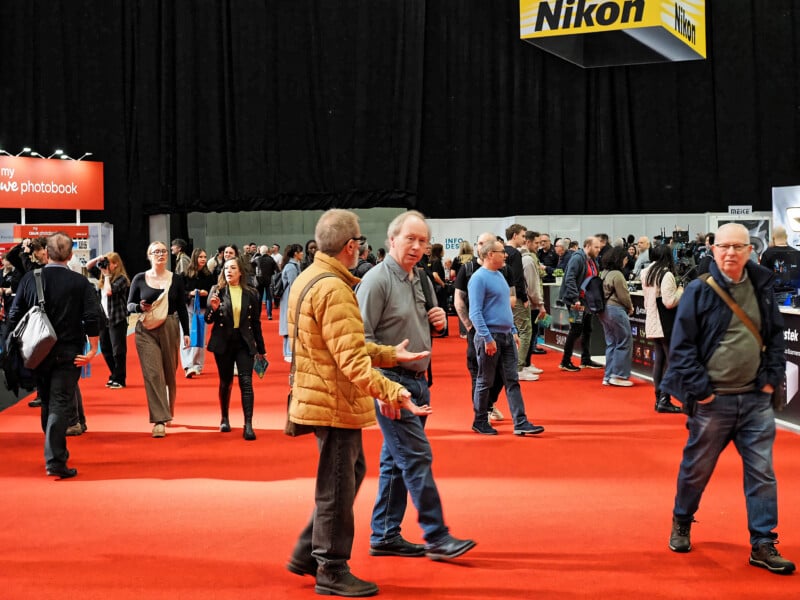
Footwear is Key: Comfortable footwear is non-negotiable. The extensive walking required to navigate large venues like the NEC can quickly lead to discomfort and fatigue if not properly addressed. The author’s preference for running shoes proved effective, while an exhibitor in dress shoes experienced significant discomfort.
Navigating the Venue: Transportation and Parking
Getting to and from the venue, and within it, requires strategic planning.
Transportation and Parking Costs
Parking Expenses: Parking at large exhibition centers can be notably expensive. The author’s experience of parking fees being nine times higher than in their local town highlights this issue. Exploring alternatives, such as leaving a car at a hotel and utilizing taxis, might prove more economical.
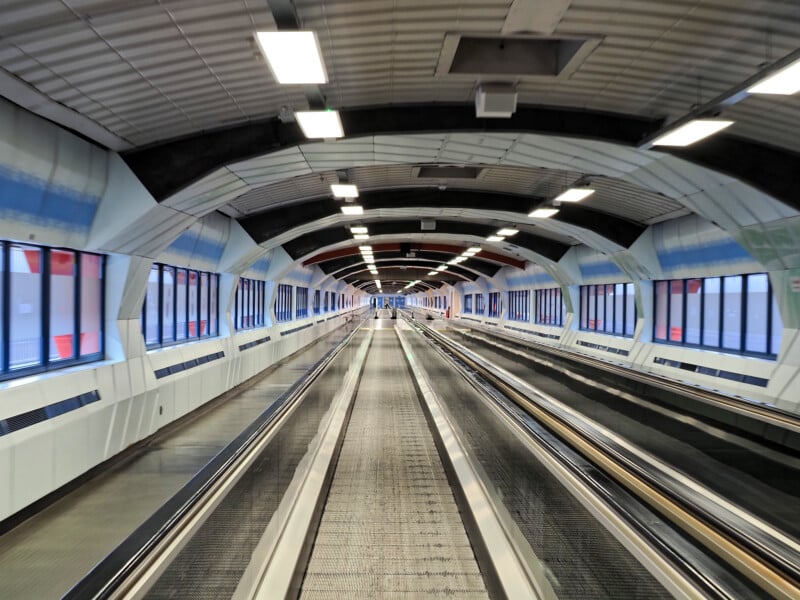
Internal Navigation: Within the NEC, while walking is often necessary, the presence of travelators can ease the journey between halls, making navigation somewhat more manageable.
Essential Gear and Sustenance
The Value of a Bag: Attendees are strongly advised to bring a bag, preferably a backpack. This is invaluable for collecting brochures, promotional items, and any purchased merchandise, as well as for storing personal items like jackets. The initial influx of freebies can quickly become cumbersome without a suitable carrying solution.
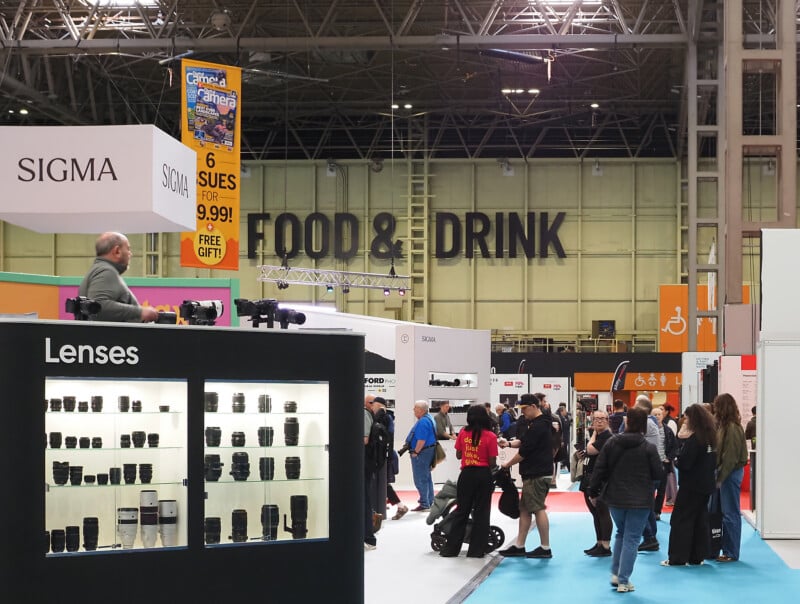
Food and Drink Considerations: On-site food and beverage options at trade shows are often characterized by high prices and variable quality due to a captive audience. Attendees who are not staying at hotels that offer meal packages should consider bringing their own snacks and drinks if permitted, or factor in the cost of on-site purchases.
Strategic Exploration and Information Gathering
Pre-Show Planning and On-Site Navigation: While exhibitor lists and venue maps are typically provided, navigating the show floor can still present challenges. Poorly numbered stands or exhibitors failing to display their numbers can make locating specific businesses difficult. Attendees should be prepared for some degree of exploration and potentially use signage strategically.
The Power of Knowledge Sharing: Talks and Seminars
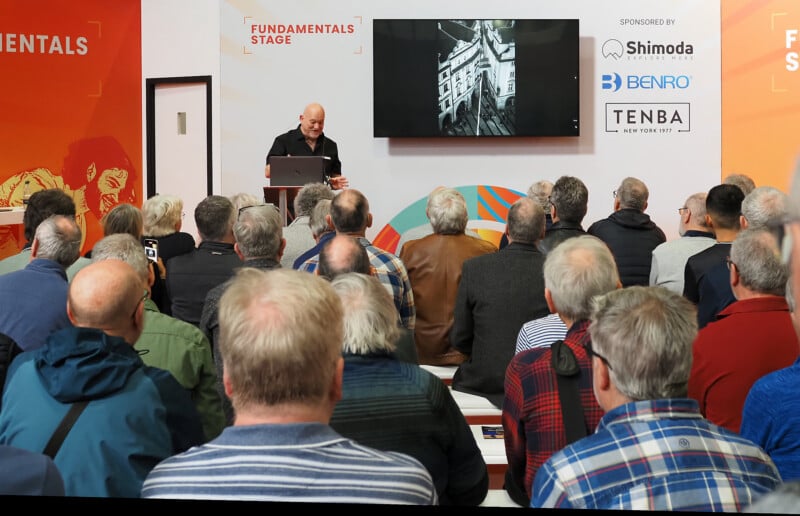
Trade shows often feature a robust schedule of talks, seminars, and workshops presented by industry professionals.
Maximizing Learning Opportunities
Booking and Attending Talks: Pre-booking premium talks is often recommended, as popular sessions can fill up quickly. Free talks can also offer valuable insights and inspiration. The author’s strategy of attending talks by specialists outside their own genre highlights a method for gaining diverse perspectives and discovering transferable ideas. This cross-pollination of knowledge can be a significant benefit of attending these events.
Timing Your Visits: Strategic Flow of the Show
Avoiding Peak Crowds: The author suggests visiting camera brand stands in the afternoon, particularly towards the end of the show. Mornings often see a rush towards these high-profile exhibitors. Utilizing the less crowded periods allows for more focused attention on other stands and potentially better access to products. The final day of the show is typically the quietest, offering a more relaxed browsing experience.
Charitable Engagement and Personal Connection
Supporting Causes: Trade shows often provide a platform for charitable organizations to raise awareness and funds. Attendees interested in supporting causes aligned with their values should research these organizations in advance. The example of a charity focused on Orangutan protection in Borneo illustrates the diverse range of causes that may be present.
The Camera as a Tool for Engagement: Attendees are encouraged to bring their cameras. These events offer practical opportunities to test equipment, experiment with studio lighting setups, and evaluate lenses in real-world (or simulated) conditions. This hands-on experience is invaluable for making informed purchasing decisions.
Financial Prudence: Budgeting and Deal Evaluation
Setting a Budget: Before attending, setting a clear budget is essential. While trade shows often feature attractive deals, it’s prudent to research prices beforehand and compare offers from different manufacturers. This prevents impulse purchases and ensures that any acquired deals are genuinely advantageous.
The Ultimate Goal: Enjoyment and Networking
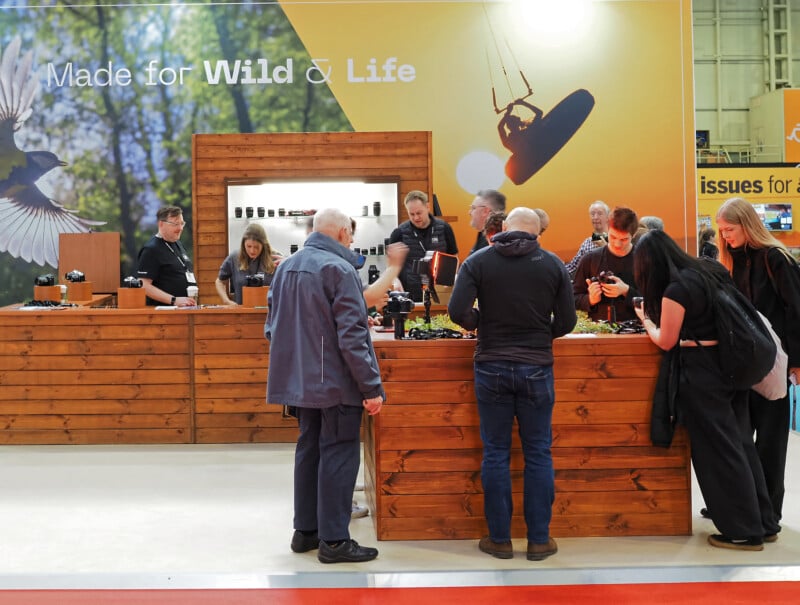
Fostering Connections: Ultimately, trade shows are designed to be engaging and enjoyable events. Photographers, by nature, are often passionate and friendly individuals. Striking up conversations with fellow attendees can lead to unexpected insights, new friendships, and valuable professional connections. The shared passion for the craft creates a natural common ground for interaction.
Related posts: