Ramadan, the ninth month of the Islamic calendar, represents a profound period of fasting, prayer, reflection, and community for Muslims worldwide. In 2026, this sacred month is anticipated to commence around February 17th or 18th and conclude approximately on March 19th or 20th. This timing places Ramadan squarely within Morocco’s highly sought-after spring season, a period traditionally favored by international travelers drawn to the country’s temperate climate, blooming landscapes, and vibrant cultural festivals. While some visitors might initially perceive Ramadan as a period of potential inconvenience, an informed approach reveals it as a uniquely enriching opportunity to experience Moroccan culture and spirituality at its most authentic and vibrant. Far from being a deterrent, this holy month can offer a deeper, more intimate connection with the local way of life, showcasing traditions that remain largely unseen during other times of the year.
Understanding Ramadan: The Holy Month’s Essence
Ramadan is one of the Five Pillars of Islam, a foundational practice that mandates a strict daily fast from dawn until sunset. This fast, known as sawm, encompasses not only food and drink but also abstention from smoking, chewing gum, and any actions considered ill-tempered or gossipy. The spiritual essence of Ramadan extends beyond mere physical deprivation; it is a time for introspection, purification of the soul, and cultivating a heightened sense of empathy for those less fortunate. Muslims are encouraged to dedicate themselves more intensely to prayer, charitable acts (zakat), and the reading of the Quran. This period fosters self-discipline, gratitude, and a communal spirit, as families and communities come together to break their fast and share meals.
The Islamic calendar, being lunar, dictates that Ramadan shifts approximately 10 to 11 days earlier each year when observed against the Gregorian calendar. This annual progression means that Ramadan cycles through all seasons over a 33-year period. In 2026, its occurrence during late winter and early spring in Morocco means slightly shorter fasting days compared to summer, but temperatures, particularly in the south, can still be warm, adding an extra layer of challenge for those observing the fast. The precise start and end dates of Ramadan are determined by the sighting of the crescent moon, which can lead to minor variations of a day or two, even within the same country, underscoring the deep connection to astronomical observations in Islamic tradition.
The Daily Rhythm of Fasting and Reflection
For Moroccans observing Ramadan in 2026, the daily routine will revolve around the twin pillars of suhoor and iftar. Suhoor, the pre-dawn meal, is consumed before the first light of day, typically around 5:00 AM, to sustain individuals through the fasting hours. This meal is often light but nourishing, comprising foods like bread, eggs, fruit, and yogurt. The day then proceeds with work, prayers, and daily activities, all while abstaining from sustenance. The breaking of the fast, iftar (or ftour in Moroccan Darija), occurs precisely at sunset, heralded by the haunting call to prayer (adhan) from mosques and, in many cities, the ceremonial boom of a cannon. In 2026, this momentous event will generally take place around 7:00 PM, though the exact timing shifts daily with the sun’s position.
Following iftar, which is often a lavish spread shared with family and friends, many Muslims gather at mosques for special evening prayers known as tarawih. These extended congregational prayers are a hallmark of Ramadan evenings, providing a deep spiritual experience that resonates throughout the community. For travelers, observing the peaceful procession of families heading to mosques and the vibrant social gatherings that characterize iftar offers a unique insight into Moroccan piety and communal solidarity. The atmosphere transforms from the quiet introspection of the day to a lively, joyous celebration of breaking the fast and reconnecting with loved ones.
Morocco’s Distinctive Ramadan Atmosphere
Visiting Morocco during Ramadan offers a palpable sense of cultural immersion unmatched at other times. The nation’s typically bustling streets and markets adopt a different rhythm. During the day, there’s a quieter, more subdued energy as people conserve their strength. However, as sunset approaches, a collective anticipation builds. Markets teem with activity as families procure ingredients for the evening feast, and the air fills with the aroma of freshly baked bread and simmering harira soup.
The iftar experience itself is a highlight. Moroccan ftour is a culinary event, typically featuring a rich, hearty lentil and chickpea soup (harira), dates, sweet pastries like chebakia, fresh juices, and often Moroccan mint tea. Many mosques set up tables to provide iftar meals to the needy, and witnessing this communal generosity is a moving experience. For travelers, being invited to share iftar with a local family or participating in a special ftour offering at a riad or restaurant can be one of the most memorable aspects of their trip, providing an intimate glimpse into Moroccan hospitality and tradition. The evenings come alive with families strolling, friends gathering in cafes, and the vibrant hum of conversation extending late into the night. Special foods, unavailable during other months, become ubiquitous, adding to the unique culinary landscape. This includes a variety of rich sweets and savory delights crafted specifically for the fasting period.
Navigating Logistics: What Travelers Need to Know

While culturally rich, a Ramadan visit does require travelers to be aware of certain practical adjustments. These shifts are generally minor but necessitate some flexibility and planning.
Adjusted Business Hours and Public Services: A significant change for travelers in 2026 will be Morocco’s temporary shift to Greenwich Mean Time (GMT) during Ramadan, departing from its usual GMT+1. This adjustment is made to shorten the fasting day slightly and accommodate prayer times. While government offices and banks typically operate on reduced hours, opening later in the morning and closing earlier in the afternoon, shops and souks often follow a similar pattern, sometimes closing completely for a few hours before iftar and reopening later in the evening. Major tourist attractions, museums, and historical sites may also operate on shorter schedules, often closing by late afternoon. It is advisable for travelers to confirm opening hours in advance or plan their sightseeing for the mornings. Patience is key, as service might be slower than usual due to the fasting schedule.
Dining During Ramadan: Options and Etiquette: Non-Muslim travelers are not expected to fast, and many restaurants, particularly in major tourist cities like Marrakesh, Fez, and Essaouira, will remain open during the day to cater to visitors. Upscale hotels and larger resorts are also reliable for daytime dining. However, it is considered respectful to avoid eating, drinking, or smoking overtly in public places outside of designated establishments during fasting hours. Opting to eat inside restaurants or your accommodation demonstrates cultural sensitivity. The evening dining schedule also shifts. While ftour is the immediate meal after sunset, a traditional Moroccan "supper" often doesn’t commence until 2-3 hours after ftour, giving locals time for prayers and social gatherings. Travelers seeking a full evening meal should plan accordingly, perhaps enjoying a lighter ftour and then a later dinner, or treating ftour as their main evening meal.
Alcohol Availability: A Temporary Shift: During Ramadan, the sale and consumption of alcohol become significantly restricted. Liquor stores are legally required to close for the entire month. While some high-end hotels and international restaurants in major cities may continue to serve alcohol discreetly, it is generally much harder to find. Travelers who prefer to enjoy alcoholic beverages should adjust their expectations and be prepared for limited options. This temporary reduction in alcohol availability is another reflection of the month’s spiritual focus and should be respected by visitors.
Transportation Considerations: Trains and Beyond: Public transportation services, including trains, generally continue to operate, but with some modifications. For instance, the cafeteria car on Morocco’s high-speed Al Boraq train may be closed, and catering services on older train lines will likely be suspended. First-class lounges at train stations may also have limited amenities, with coffee and juice selections reduced, though water is usually available upon request. Travelers embarking on train or long-distance bus journeys should plan to bring their own snacks and beverages, consuming them discreetly out of respect for fasting passengers. Taxi drivers, often fasting themselves, might be more prone to fatigue, especially later in the day.
Traveler Etiquette: Respecting Local Customs

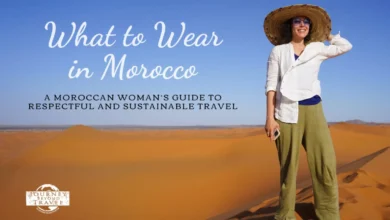
Beyond the logistical adjustments, respectful behavior is paramount. Non-Muslims are not expected to fast, but observing local customs enhances the travel experience and fosters positive interactions. Dressing modestly, particularly when visiting religious sites or in more conservative areas, is always advisable but becomes even more pertinent during Ramadan. For women, this typically means covering shoulders and knees. Learning a few basic Arabic phrases, such as "Ramadan Kareem" (meaning "Generous Ramadan" or "Happy Ramadan"), can go a long way in showing goodwill and appreciation for the local culture. A simple "Eid Mubarak" (Blessed Eid) on the occasion of Eid al-Fitr, the festival marking the end of Ramadan, will also be warmly received.
Crucially, patience and understanding are virtues during Ramadan. Moroccans fasting for long hours, especially while working, may experience fatigue, dehydration, or irritability, particularly in the hours leading up to iftar. Traffic congestion often peaks just before sunset as people rush home to break their fast. Maintaining a calm demeanor, offering a kind word, and being understanding of potential delays or slower service can significantly improve interactions. Locals generally go out of their way to be hospitable, but awareness of their physical state is a mark of respect.
Embracing the Experience: Special Moments for Visitors
For the culturally curious, Ramadan in Morocco offers a wealth of unique experiences. Beyond the evening iftar atmosphere, visitors can explore the special markets that spring up, selling specific Ramadan delicacies. The nightly tarawih prayers, while not open to non-Muslims for participation, can be observed from outside mosques, offering a powerful sensory experience of collective devotion. Many riads and guesthouses offer special ftour meals for their guests, providing a cozy and authentic way to experience the breaking of the fast.
Engaging with local guides or hosts during this time can lead to invitations to family iftars, an unparalleled opportunity for cultural exchange. Witnessing the transformation of public spaces from the quiet day to the celebratory night, the emphasis on family bonds, and the pervasive spirit of charity provides a profound understanding of Moroccan values and Islamic practice. The end of Ramadan is marked by Eid al-Fitr, a joyous festival of feasting, gift-giving, and family visits. While this can mean some business closures for a few days, it also offers a chance to see Morocco in full celebratory swing, further enriching the travel narrative.
Official Perspectives and Tourism Adaptations

The Moroccan Ministry of Tourism actively promotes the country as a year-round destination, including during Ramadan. Official statements often emphasize that Morocco remains welcoming and fully operational for tourists, with adaptations in place to ensure a comfortable visit while respecting local customs. Local tourism agencies, such as Journey Beyond Travel, play a crucial role in preparing visitors, offering detailed advice and tailoring itineraries to account for Ramadan-specific changes. These agencies highlight the unique cultural immersion as a key benefit, framing Ramadan not as an obstacle but as a distinctive draw for travelers seeking authentic experiences. Feedback from past travelers frequently underscores the memorable nature of a Ramadan visit, often citing the warmth of local hospitality and the unique cultural insights gained.
Broader Impact: Cultural Exchange and Economic Dynamics
Ramadan’s overlap with Morocco’s spring high season in 2026 presents an interesting dynamic. While some businesses might experience a dip in daytime revenue due to reduced activity, the evening economy often flourishes with increased demand for iftar provisions, special sweets, and late-night social gatherings. The tourism sector, while adapting to shorter hours and alcohol restrictions, continues to contribute significantly, with many travelers deliberately choosing this period for its cultural depth. This creates a fascinating interplay between traditional religious observance and the demands of modern tourism. More broadly, Ramadan travel fosters invaluable cultural exchange, breaking down stereotypes and building bridges of understanding between visitors and the Moroccan people. Tourists gain a firsthand appreciation for Islamic practices, while locals have the opportunity to share their traditions and hospitality.
Planning Your Journey: Key Recommendations for 2026
For those contemplating a trip to Morocco during Ramadan in 2026, thorough planning is essential.
- Book Accommodations with Dining Options: Choose hotels or riads that offer in-house dining options for both breakfast and dinner, ensuring convenient access to meals. Many will also offer special ftour experiences.
- Pack Snacks and Water: Especially for daytime excursions or long journeys, having personal supplies of water and non-perishable snacks is prudent, to be consumed discreetly.
- Adjust Your Schedule: Embrace the altered rhythm. Plan active sightseeing for mornings and early afternoons, allowing for quieter periods before iftar and enjoying the vibrant evenings.
- Embrace Cultural Sensitivity: Dress modestly, be mindful of public eating/drinking, and practice patience and understanding. A simple "Ramadan Kareem" can open doors to warmer interactions.
- Seek Local Insights: Utilize local guides or tour operators who are knowledgeable about Ramadan-specific considerations. They can offer invaluable advice and facilitate unique cultural experiences.
In conclusion, while Ramadan brings about certain adjustments to daily life in Morocco, it concurrently unveils a truly special facet of the country’s culture and spirituality. For the discerning traveler in 2026, a visit during this holy month promises not just a journey through picturesque landscapes and historic cities, but a profound immersion into the heart of Moroccan tradition, hospitality, and faith. It is an opportunity to witness a nation united in devotion, to partake in unique culinary traditions, and to experience a rhythm of life that is both ancient and deeply moving, ultimately offering a culturally rich and unforgettable spring adventure.