Golden Bay New Zealand: A Comprehensive Analysis of Geography Tourism and Regional Development in the South Island’s Remote North

Golden Bay, situated at the northwestern tip of New Zealand’s South Island, represents a unique intersection of ecological significance, remote tourism, and a resilient local economy. Historically isolated by the formidable Takaka Hill, the region has developed a distinct socio-cultural identity often characterized by a slower pace of life and a commitment to independent, sustainable living. As a gateway to the Kahurangi National Park and the Abel Tasman National Park, Golden Bay serves as a critical hub for New Zealand’s "Great Walks" infrastructure while maintaining a lifestyle reminiscent of the country’s mid-to-late 20th-century agrarian roots.
Geographic Overview and Infrastructure Challenges
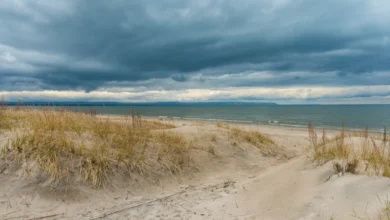
Golden Bay is a shallow, high-energy bay shaped like a crescent, stretching from the northern reaches of the Abel Tasman National Park to the 26-kilometer-long sandspit known as Farewell Spit (Onetahua). The region is defined by its dramatic limestone landscapes, expansive coastal dunes, and the high-altitude pass of State Highway 60, colloquially known as Takaka Hill.
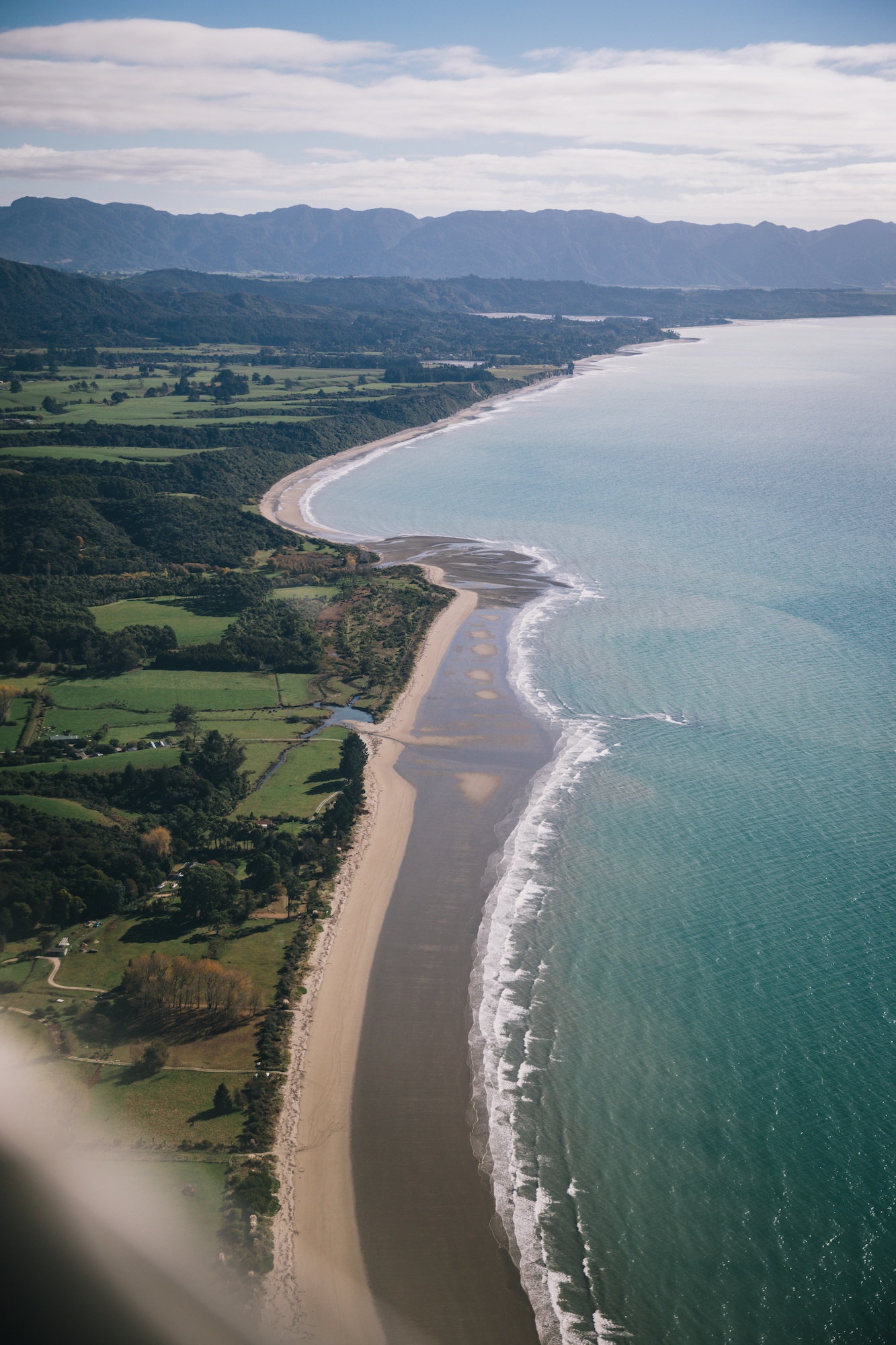
State Highway 60 remains the only road access into the bay, rising to an elevation of 791 meters. The road is notorious for its steep gradients and over 250 sharp corners, making it a logistical bottleneck for the region. The vulnerability of this transit link was highlighted in 2018 following the catastrophic damage caused by Cyclone Gita. The subsequent repair efforts lasted approximately four years, involving complex engineering to stabilize the hillsides. This isolation has historically protected the bay from the rapid commercialization seen in other South Island tourist hubs like Queenstown or Wanaka, preserving a market dominated by "honesty box" fruit stands and independent growers.
To mitigate the challenges of road travel, regional aviation has become a vital component of the local economy. Golden Bay Air provides essential connectivity between Takaka, Wellington, and Karamea. These small-scale flight operations facilitate the movement of hikers completing the Heaphy Track, a 78.4-kilometer Great Walk that concludes in the Kohaihai area. By utilizing air transport, the region effectively bridges the gap between the West Coast and the Tasman district, reducing what would otherwise be a multi-day journey by road to a 30-minute flight.
The Heaphy Track and the Adventure Economy
The Heaphy Track is one of New Zealand’s premier multi-day hiking routes, attracting thousands of domestic and international visitors annually. The track’s eastern terminus is located at Brown Hut in the Aorere Valley, approximately 28 kilometers from Takaka. The economic impact of the Heaphy Track on Golden Bay is substantial, supporting a network of shuttle services, car rentals, and hospitality providers.
The logistics of completing the track often require specialized services, as the start and end points are separated by a ten-hour drive despite being geographically close. This has fostered a niche market for "relocation" services and air shuttles. For many visitors, the conclusion of the four-day trek serves as the beginning of a multi-day residency in Golden Bay, where the warmer, sub-tropical climate of the north provides a stark contrast to the alpine conditions of the Southern Alps.

Environmental Conservation and the Farewell Spit "Whale Trap"
Farewell Spit is a Ramsar-recognized wetland of international importance, serving as a critical habitat for over 90 species of birds. However, it is also internationally recognized for a more somber phenomenon: mass whale strandings. The spit’s unique geography—a long, thin protrusion of sand with a very gentle slope and massive tidal fluctuations—is theorized to interfere with the echolocation of marine mammals, particularly pilot whales.

In 2017, the region experienced one of its most significant environmental crises when more than 400 pilot whales stranded on the spit. Such events necessitate a massive coordinated response from the Department of Conservation (DOC) and the volunteer organization Project Jonah. These strandings have shaped the local community’s relationship with the ocean, fostering a culture of marine conservation and rapid-response volunteerism. The psychological and social impact of these events on the local population is profound, often leading to a heightened focus on marine biology and environmental advocacy in regional policy.
Natural Landmarks and Water Purity
Golden Bay is home to some of the most significant freshwater resources in the Southern Hemisphere. Te Waikoropupū Springs, located near Takaka, are the largest cold-water springs in New Zealand. The springs are a taonga (treasure) to the local Māori iwi (tribes) and are legally protected under a Water Conservation Order.
Scientific measurements have confirmed that the water visibility at Te Waikoropupū Springs reaches up to 81 meters, a level of clarity that is second only to the sub-glacial waters of Antarctica. The springs discharge approximately 14,000 liters of water per second from a deep vent in the limestone, maintaining a constant temperature of 11.7 degrees Celsius. Due to their cultural and ecological sensitivity, all forms of contact with the water are strictly prohibited, and visitors must adhere to rigorous biosecurity measures to prevent the introduction of invasive species like didymo.
Other significant geological features include:
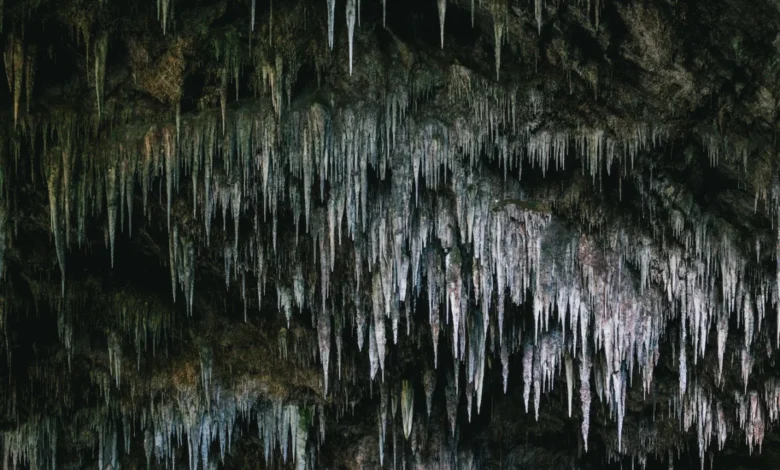
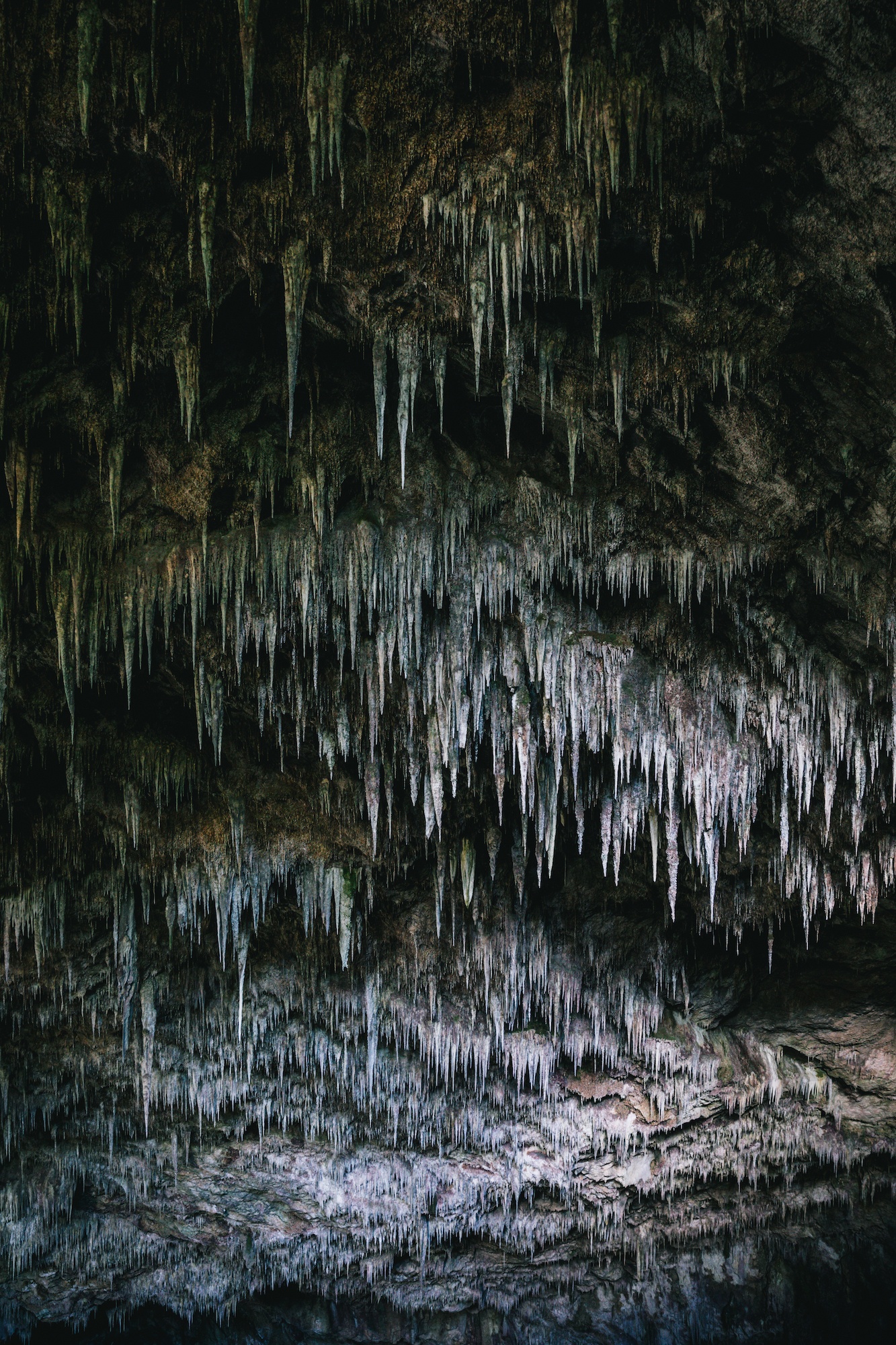
- Rawhiti Caves: Located in the Dry Creek Valley, these caves feature one of the most diverse arrays of stalactites in New Zealand. The entrance is a massive limestone archway where the unique "phytokarst" formations grow toward the light.
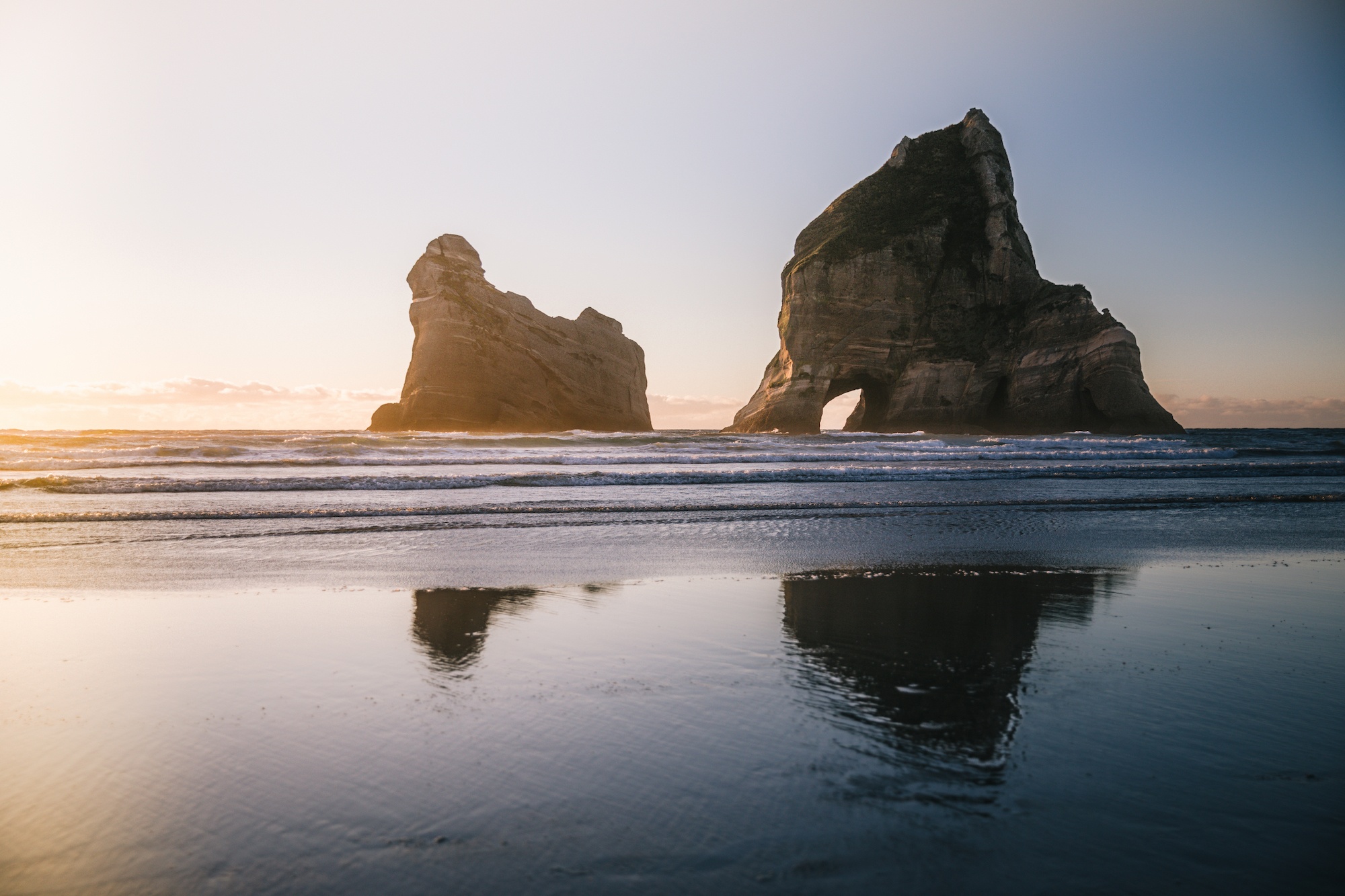
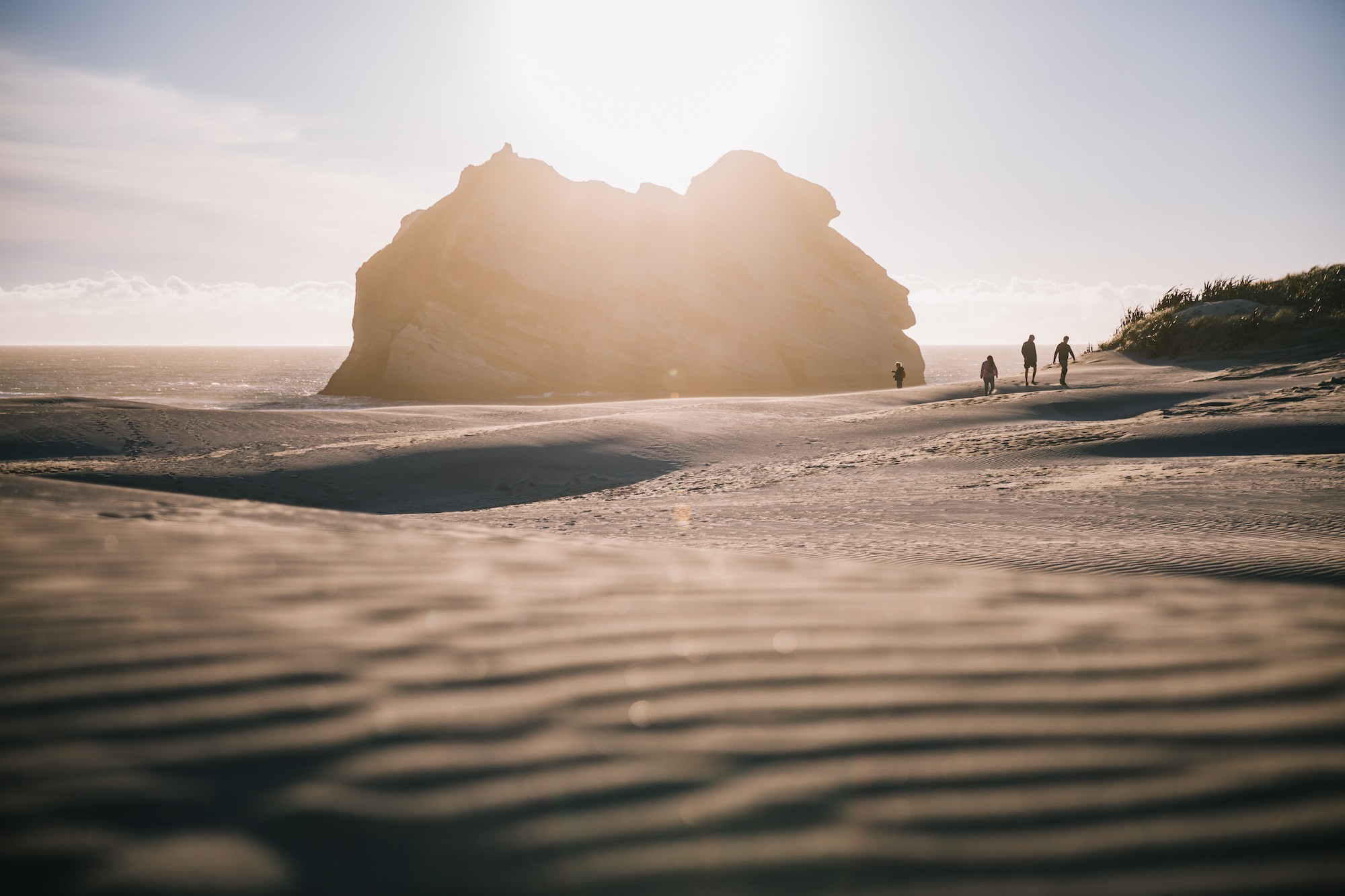
- Wharariki Beach: Situated at the northernmost point of the South Island, this beach is characterized by its massive sea stacks and the Archway Islands. It is a significant site for New Zealand fur seal breeding, with pups often found in tide pools during the autumn months.
Socio-Economic Trends and Sustainable Tourism
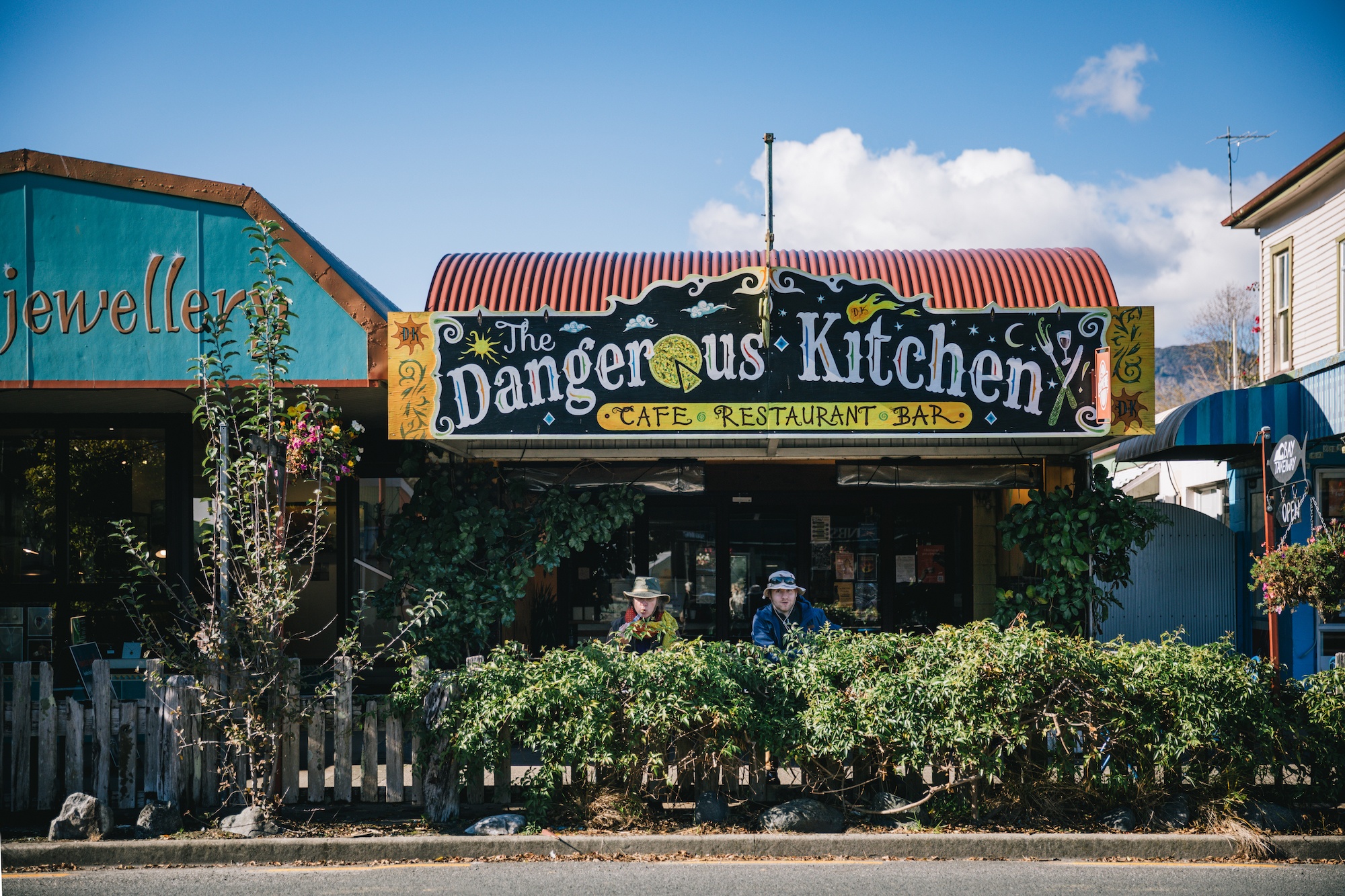
The "hippie" reputation of Takaka and Golden Bay is a reflection of a socio-economic shift that began in the 1970s when the region became a haven for alternative lifestylers and organic farmers. Today, this heritage manifests in a robust local food economy. The region is a leader in the production of organic hops, artisanal cheeses, and "green-lipped" mussels, which are a staple of the local culinary scene.

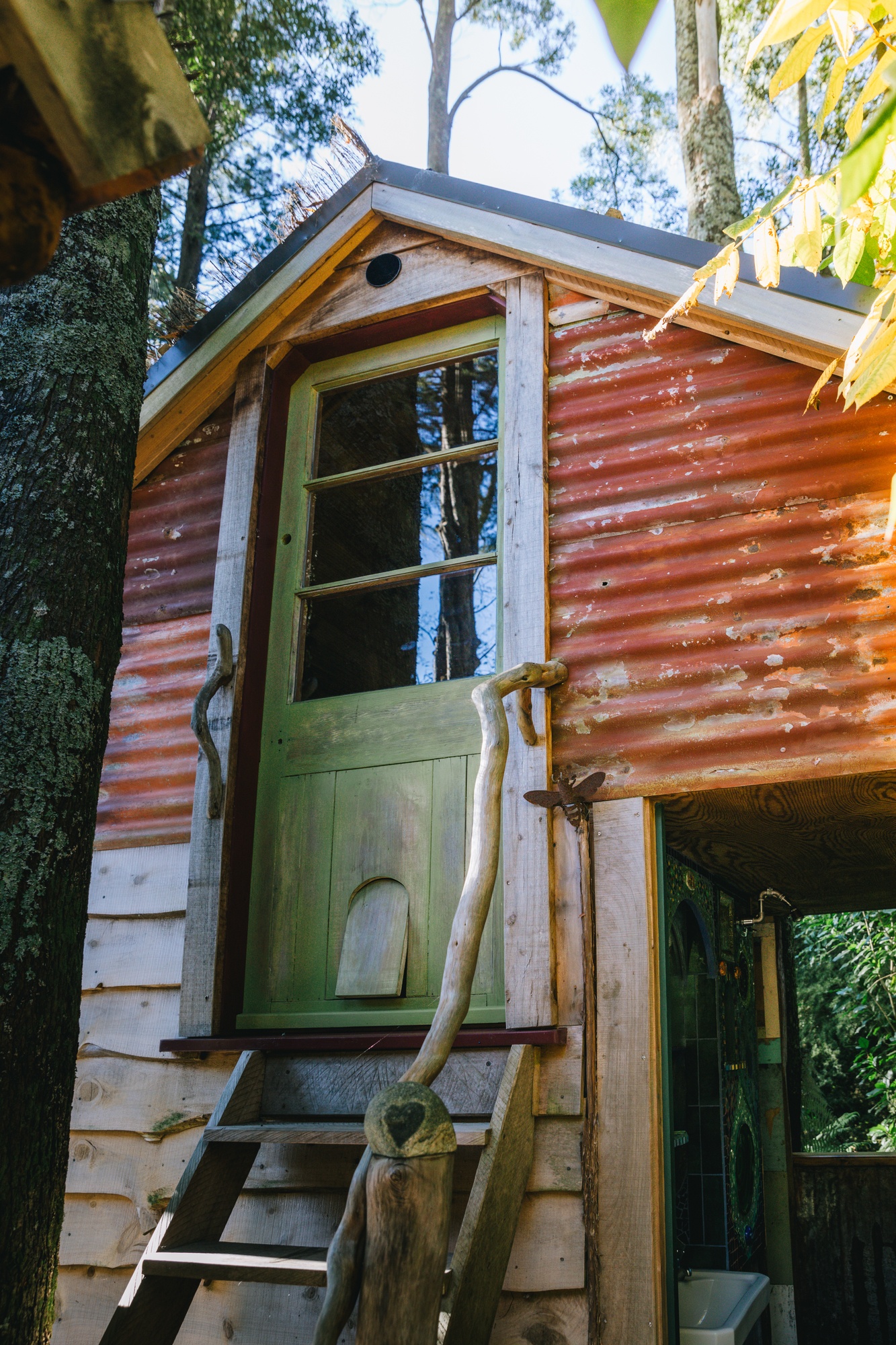
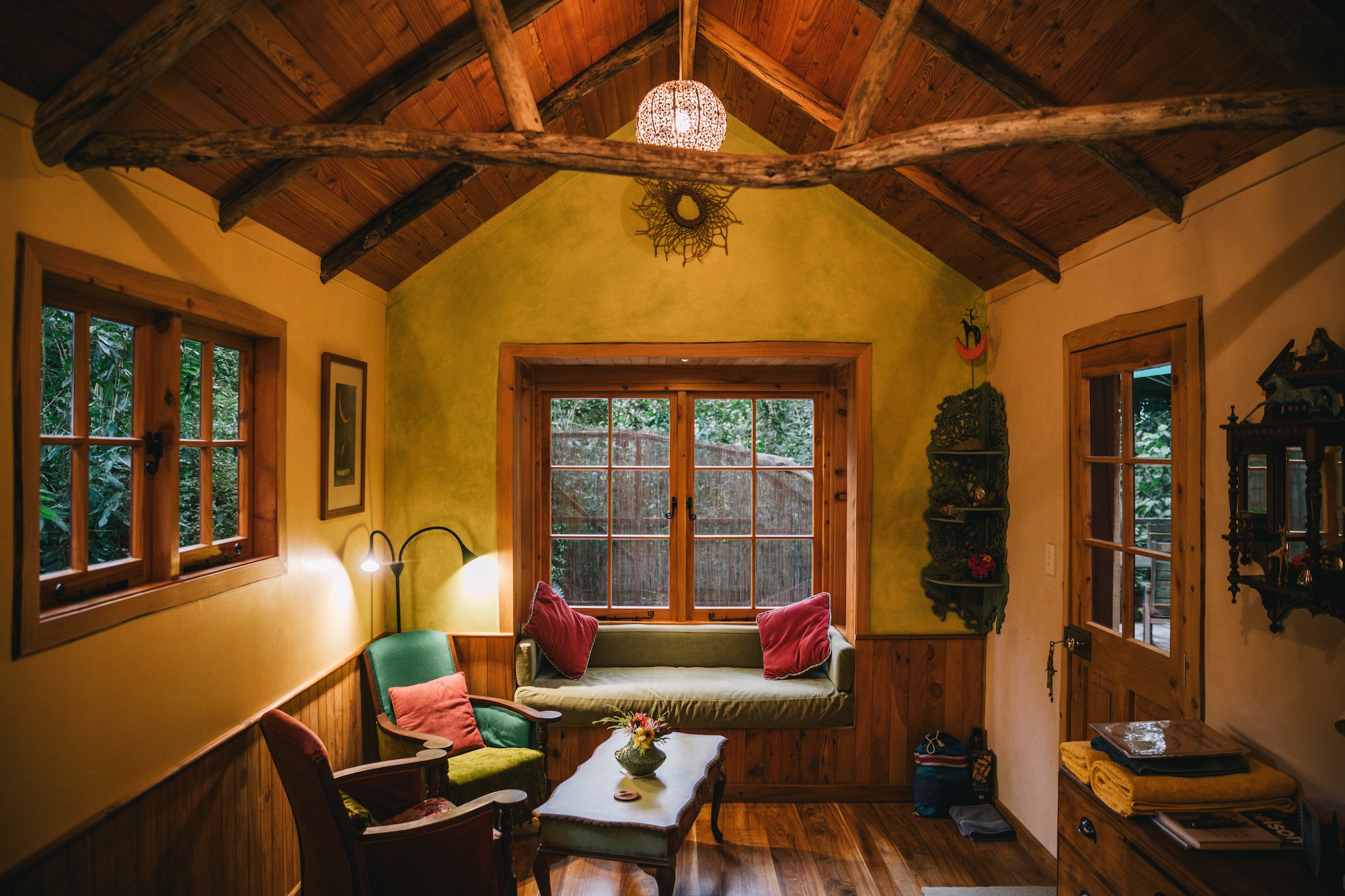
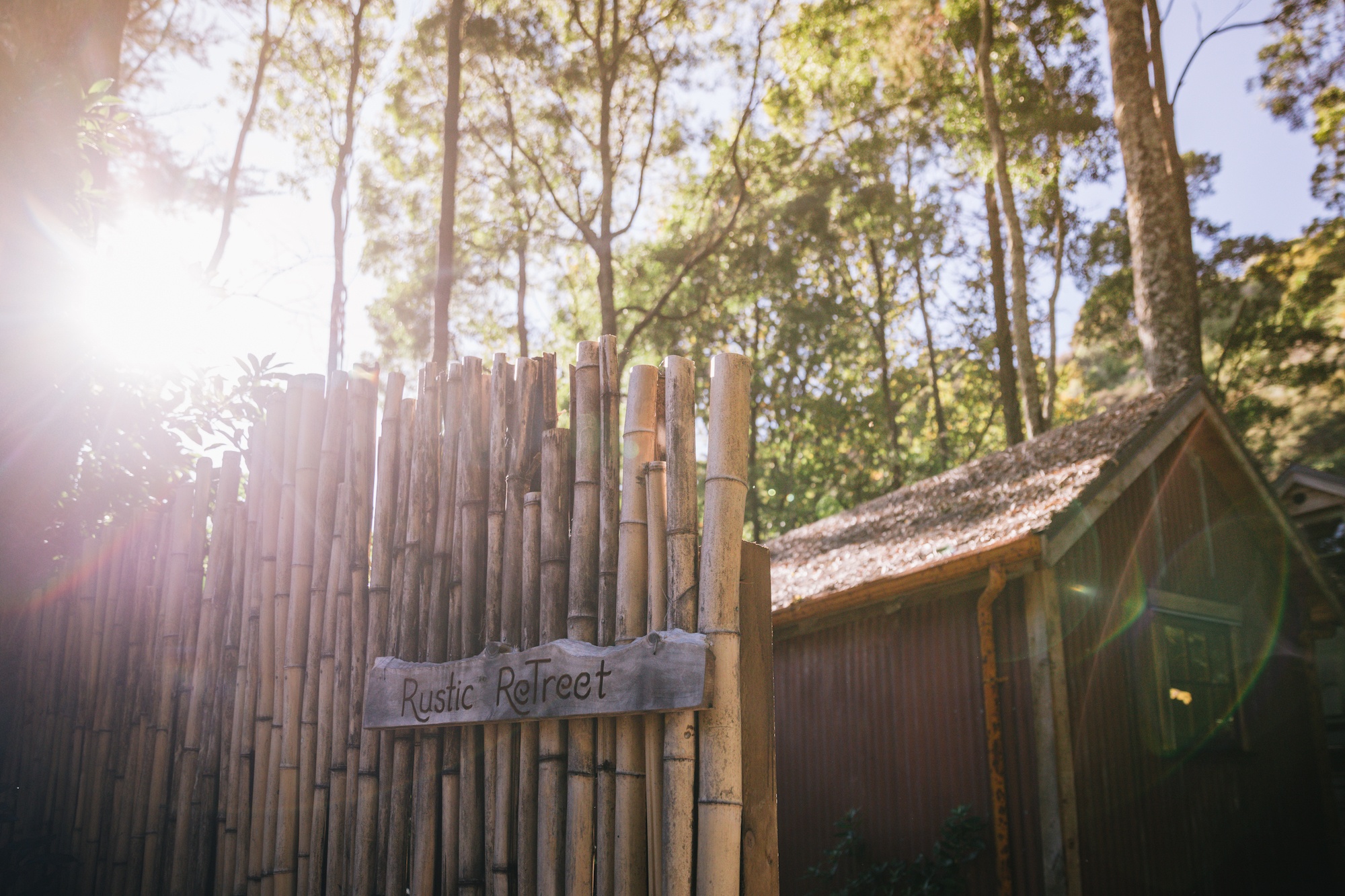
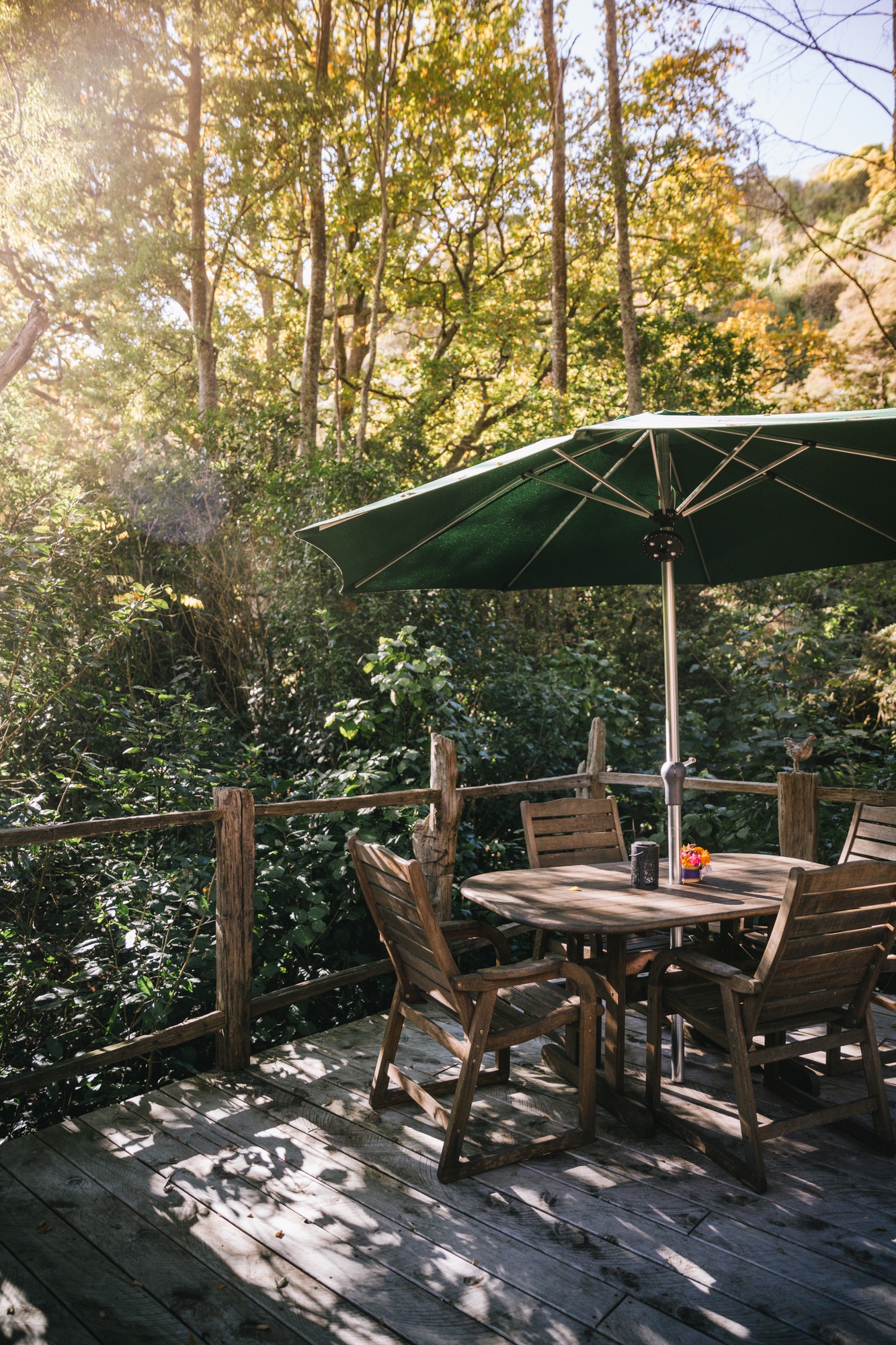
Hospitality in the region has evolved to include "glamping" and eco-tourism, catering to a demographic of travelers seeking privacy and environmental connectivity. Facilities such as the Rustic ReTreet, built using timber milled on-site and repurposed materials, exemplify the local commitment to sustainable development. This shift toward high-value, low-impact tourism is a strategic response to the physical limitations of the region’s infrastructure.
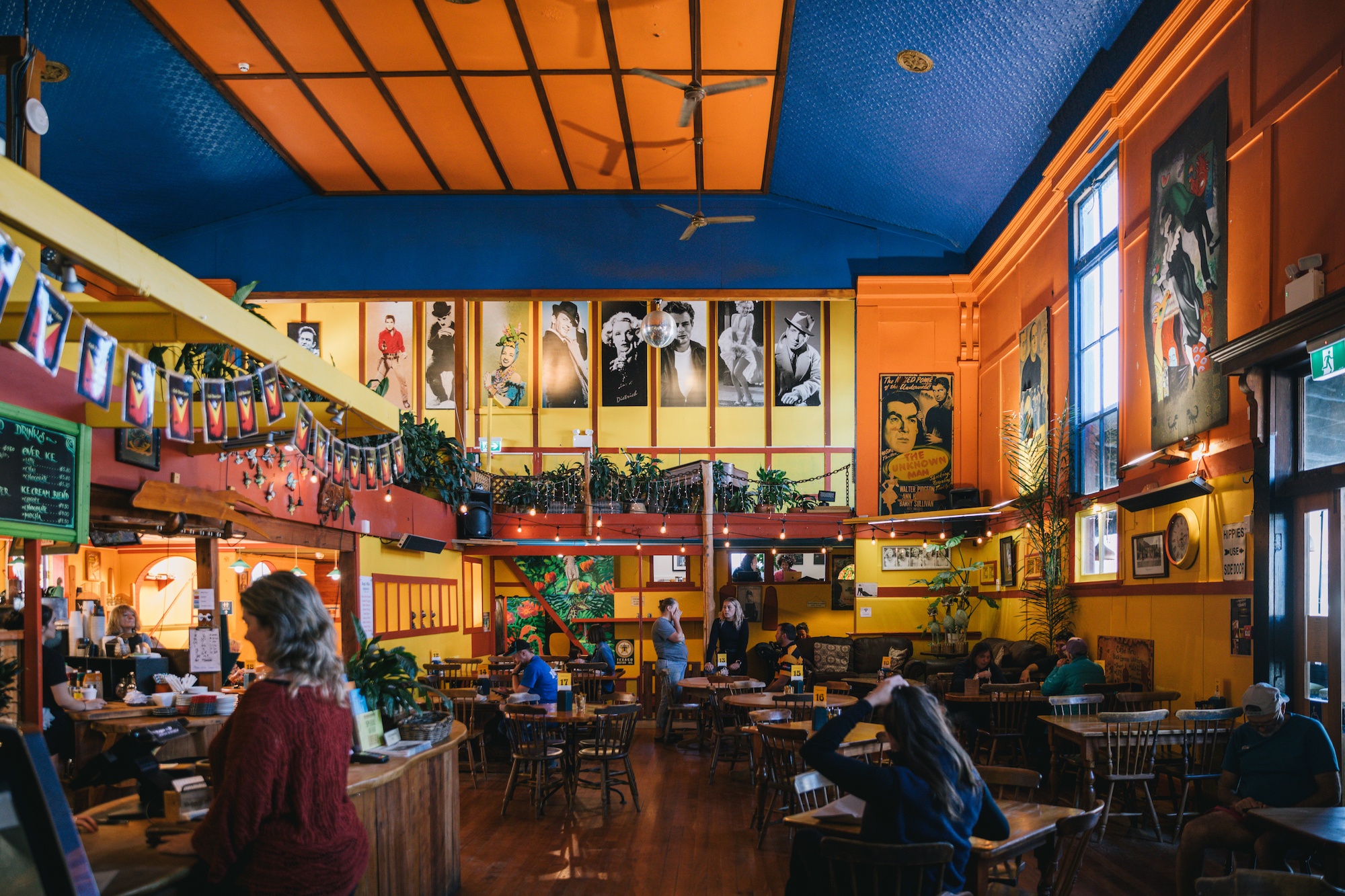
The Mussel Inn, a legendary establishment in Onekaka, serves as a cultural anchor for the bay. Functioning as a brewery, restaurant, and music venue, it embodies the region’s self-sufficient ethos, brewing its own beers and ciders on-site using local ingredients.
Chronology of a Regional Recovery and Growth
- Pre-2018: Golden Bay experiences steady growth in tourism linked to the Great Walks, though infrastructure remains aged.
- February 2018: Cyclone Gita causes massive landslides on Takaka Hill, severing road access and forcing the community to rely on sea and air links for essential supplies.
- 2018–2022: A period of prolonged roadworks and one-way traffic management on SH60. The local economy pivots toward more localized services and air-based tourism logistics.
- 2023–Present: Following the completion of major road repairs, the region sees a resurgence in domestic travel. Golden Bay Air expands its services to cater to the increasing demand for "fly-in" hiking experiences.
Broader Implications and Future Outlook
The future of Golden Bay is intrinsically linked to its ability to balance environmental preservation with economic accessibility. As climate change increases the frequency of extreme weather events, the vulnerability of Takaka Hill remains a primary concern for regional planners. There are ongoing discussions regarding the diversification of transport links, including the potential for more robust sea-ferry options to connect the bay with Nelson.
Furthermore, the protection of Te Waikoropupū Springs and the management of Farewell Spit will remain central to New Zealand’s national conservation strategy. The region’s ability to maintain its "retro" appeal—characterized by safety, community trust, and a lack of corporate commercialization—is its greatest asset in a global tourism market increasingly dominated by homogenized experiences. For the residents of Golden Bay, the "hill" is not just a geographic barrier; it is a filter that ensures the region remains a sanctuary for those who value nature over convenience.