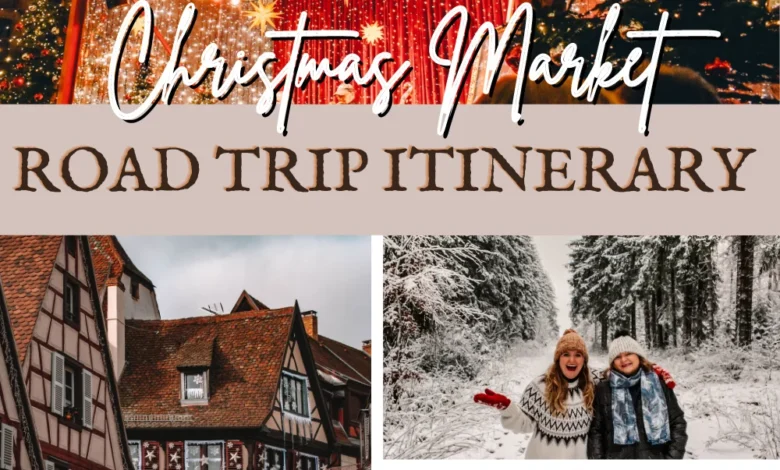
The tradition of the European Christmas market, or Christkindlmarkt, represents one of the continent’s most significant seasonal economic and cultural drivers, particularly within the German-speaking world and the Alsace region of France. Spanning approximately 1,000 miles and 11 days, a comprehensive road trip through these markets offers a deep dive into the historical, culinary, and social fabric of Western Europe during the Advent season. This itinerary, beginning and ending in Frankfurt, Germany, connects high-traffic urban centers with smaller medieval villages, providing a cross-section of the diverse ways the holiday season is celebrated across national borders.
Historical Context and Economic Significance
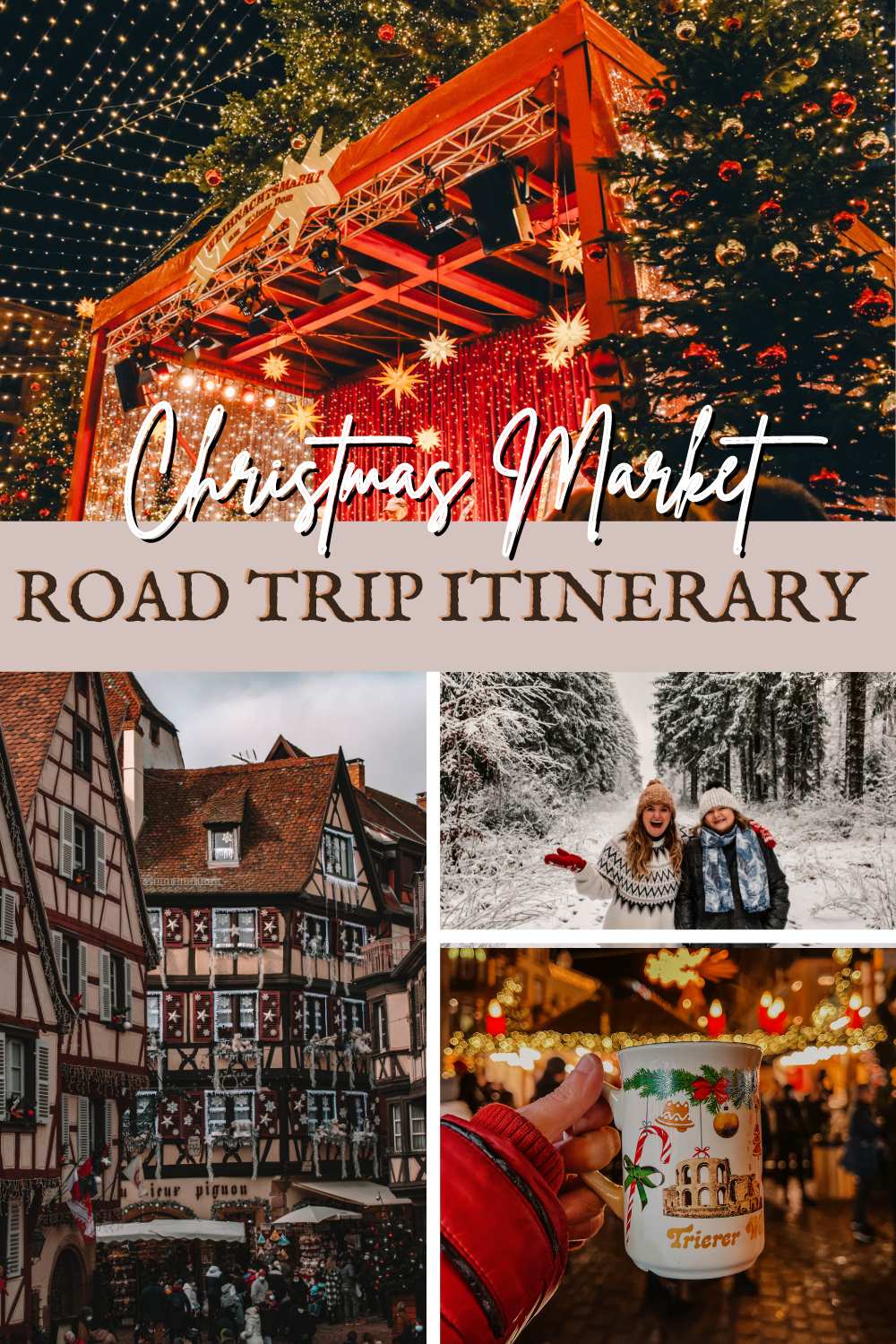
The origins of Christmas markets can be traced back to the Late Middle Ages. The December Market in Vienna (1298) and the Striezelmarkt in Dresden (1434) are often cited as the earliest examples. Originally, these gatherings served a practical purpose: providing citizens with a central location to purchase meat, winter supplies, and household goods to survive the colder months. Over centuries, these markets evolved into festive social hubs, emphasizing local craftsmanship, regional gastronomy, and community spirit.
In the modern era, Christmas markets are vital to the tourism industry. For instance, the markets in Cologne alone attract approximately four million visitors annually. According to data from the German Tourism Board, the economic impact of the country’s 2,500+ markets exceeds several billion euros, supporting thousands of seasonal jobs in the hospitality and retail sectors. In France, the "Strasbourg Capital of Christmas" event generates an estimated €250 million for the local economy in just five weeks.
Logistical Framework: Automotive vs. Riverine Travel
While the European river cruise remains a popular method for visiting Christmas markets along the Rhine and Danube, automotive travel offers distinct advantages in terms of flexibility and access to rural areas. A rental car allows travelers to visit smaller villages such as Monschau or Eguisheim, which are often inaccessible to large cruise vessels.
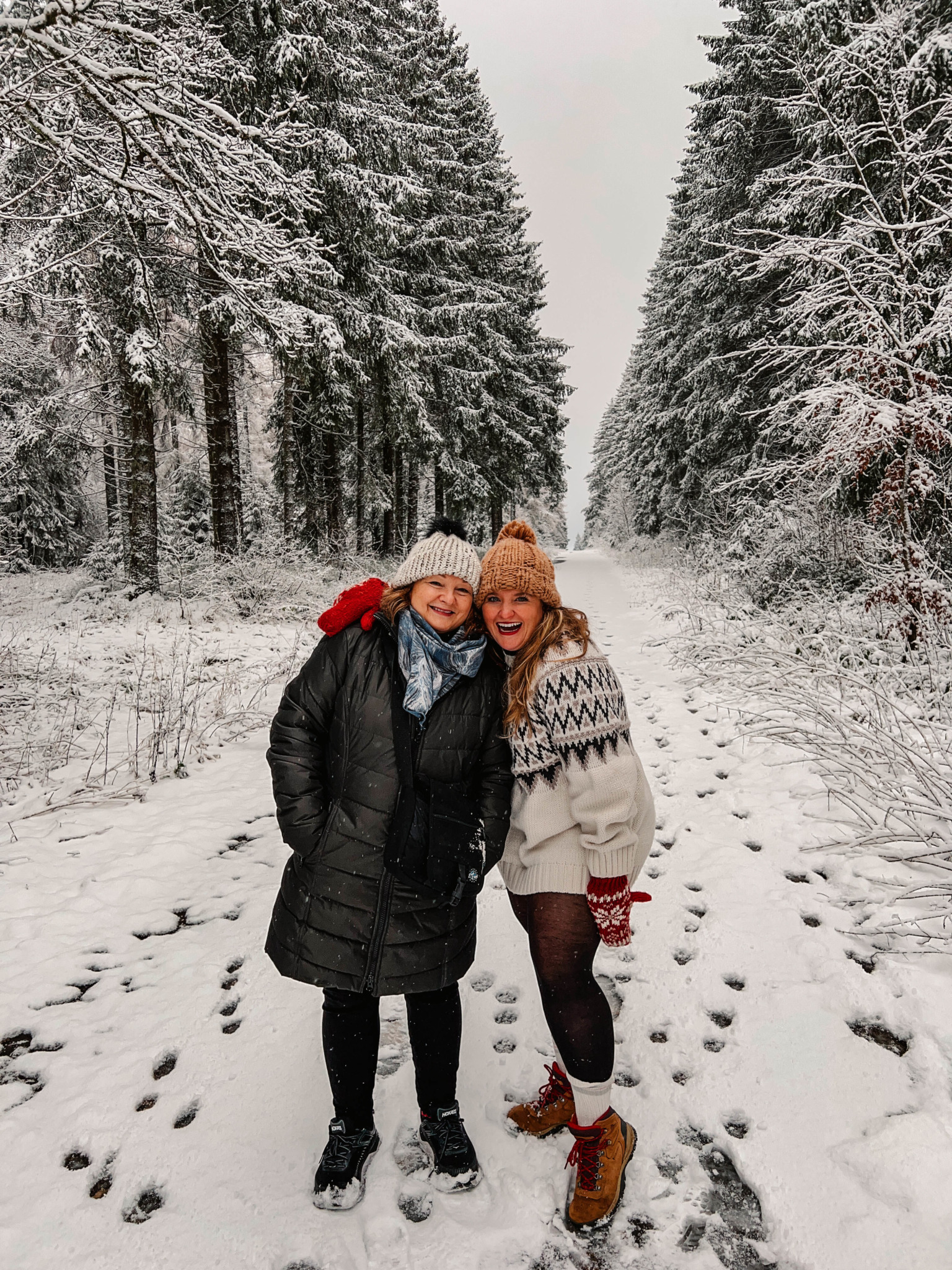
Logistics for a 10-to-11-day journey typically involve flying into a major hub like Frankfurt International Airport (FRA). Data suggests that a mid-range budget for such a trip ranges between $5,750 and $7,000 for two people, covering international flights, budget-to-mid-tier accommodations, car rentals, and daily expenditures.

Chronology of the 11-Day Itinerary
Phase I: The Rhineland and the Eifel (Days 1–4)
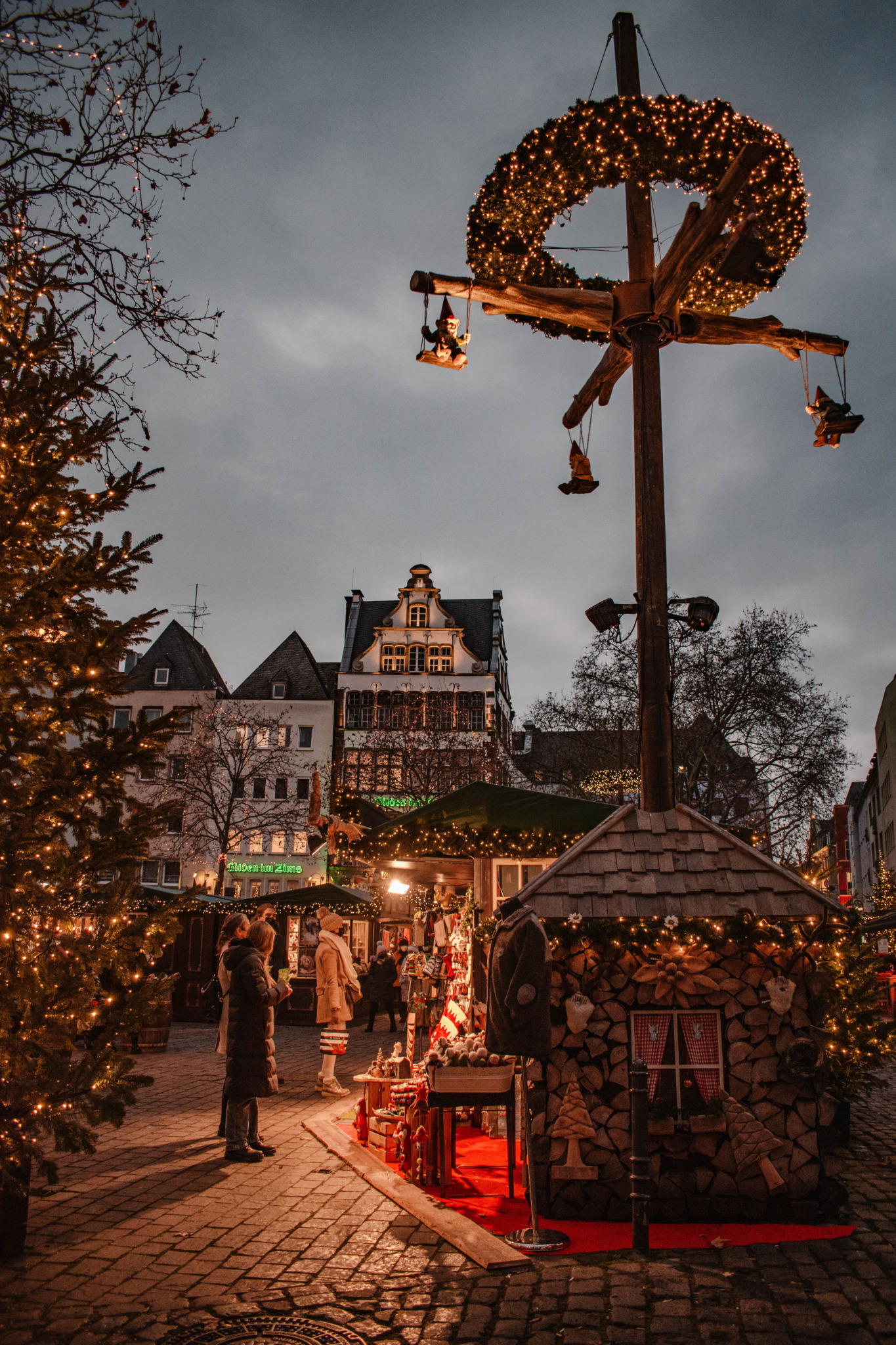
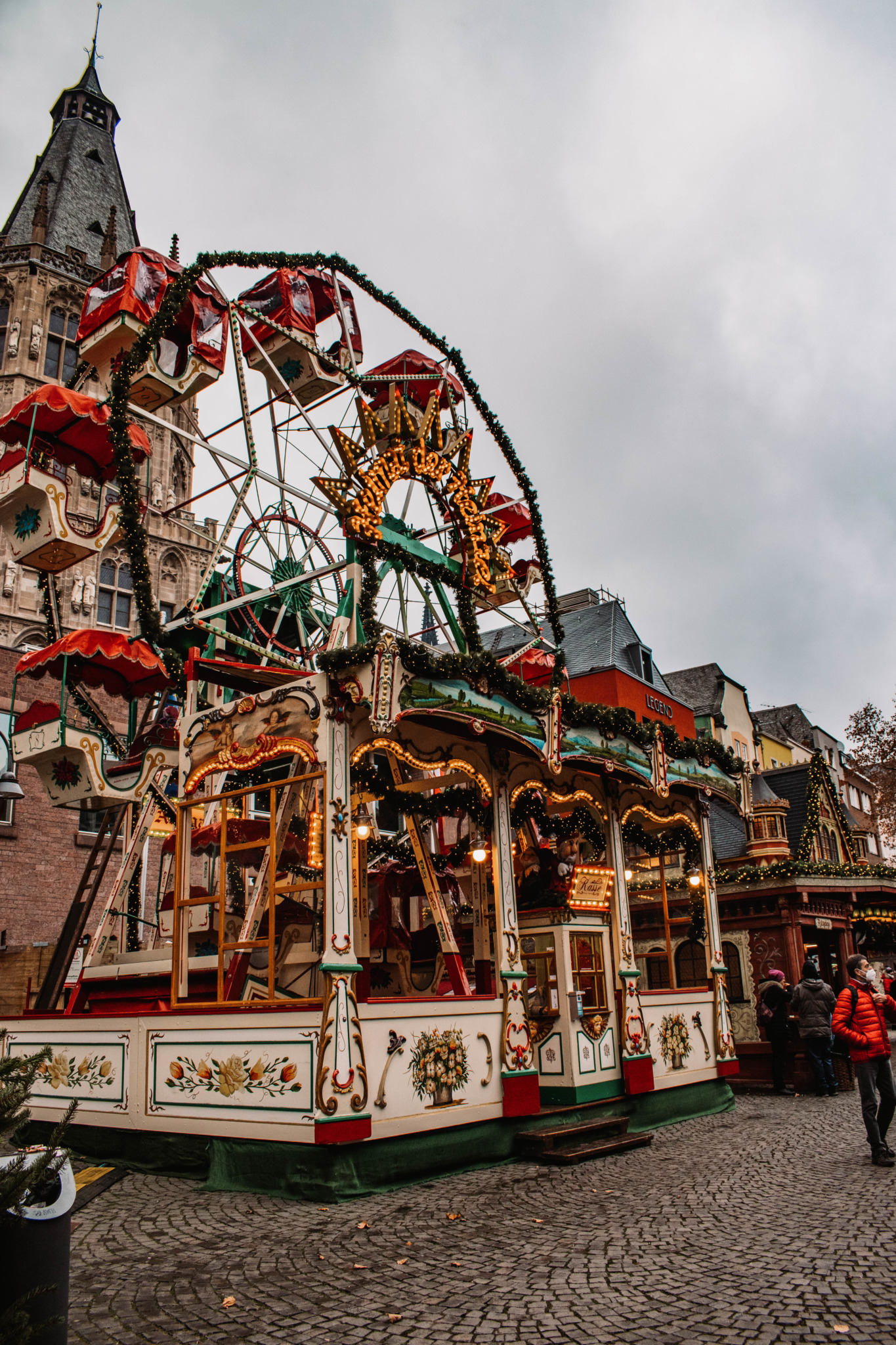
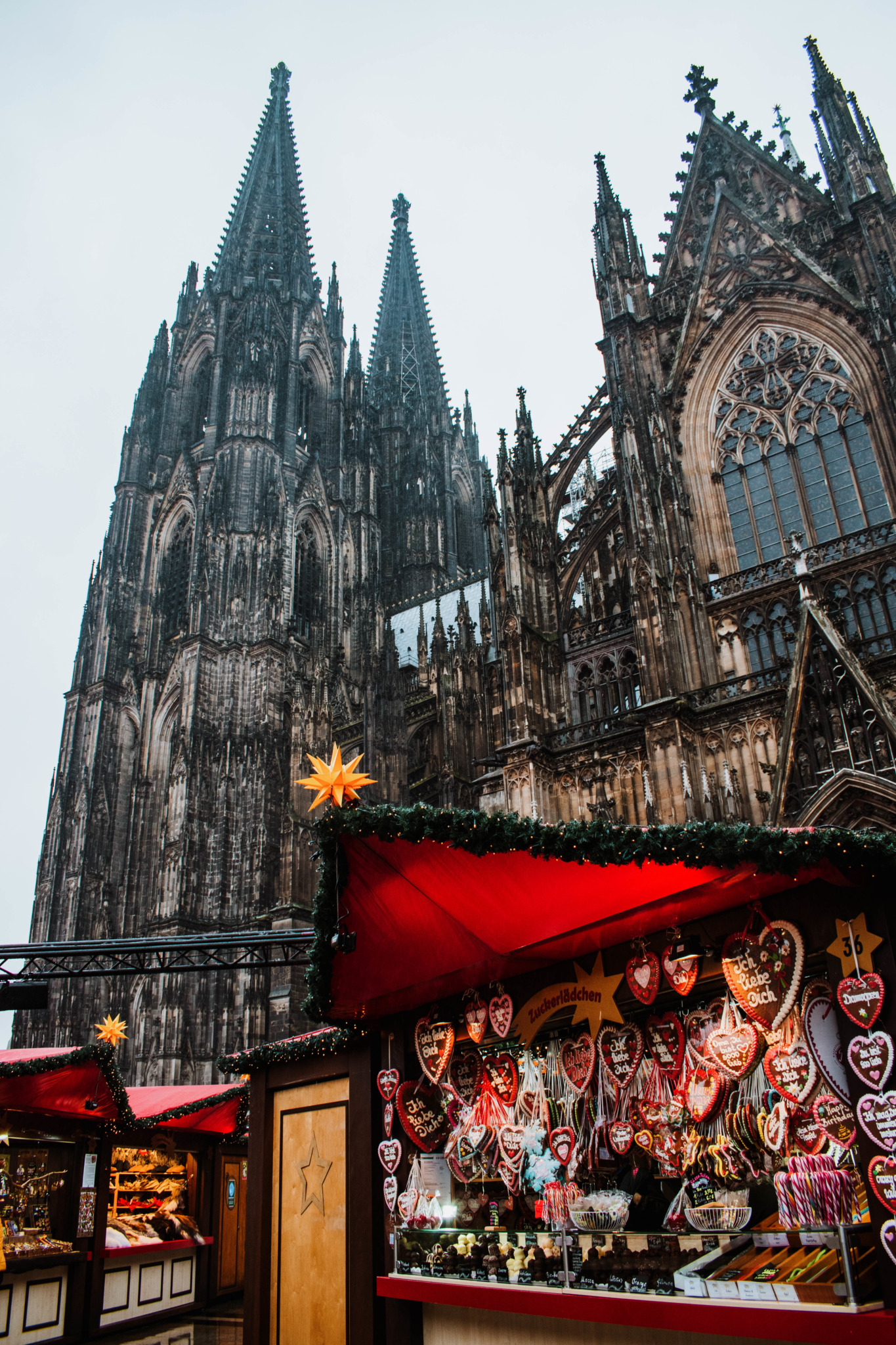
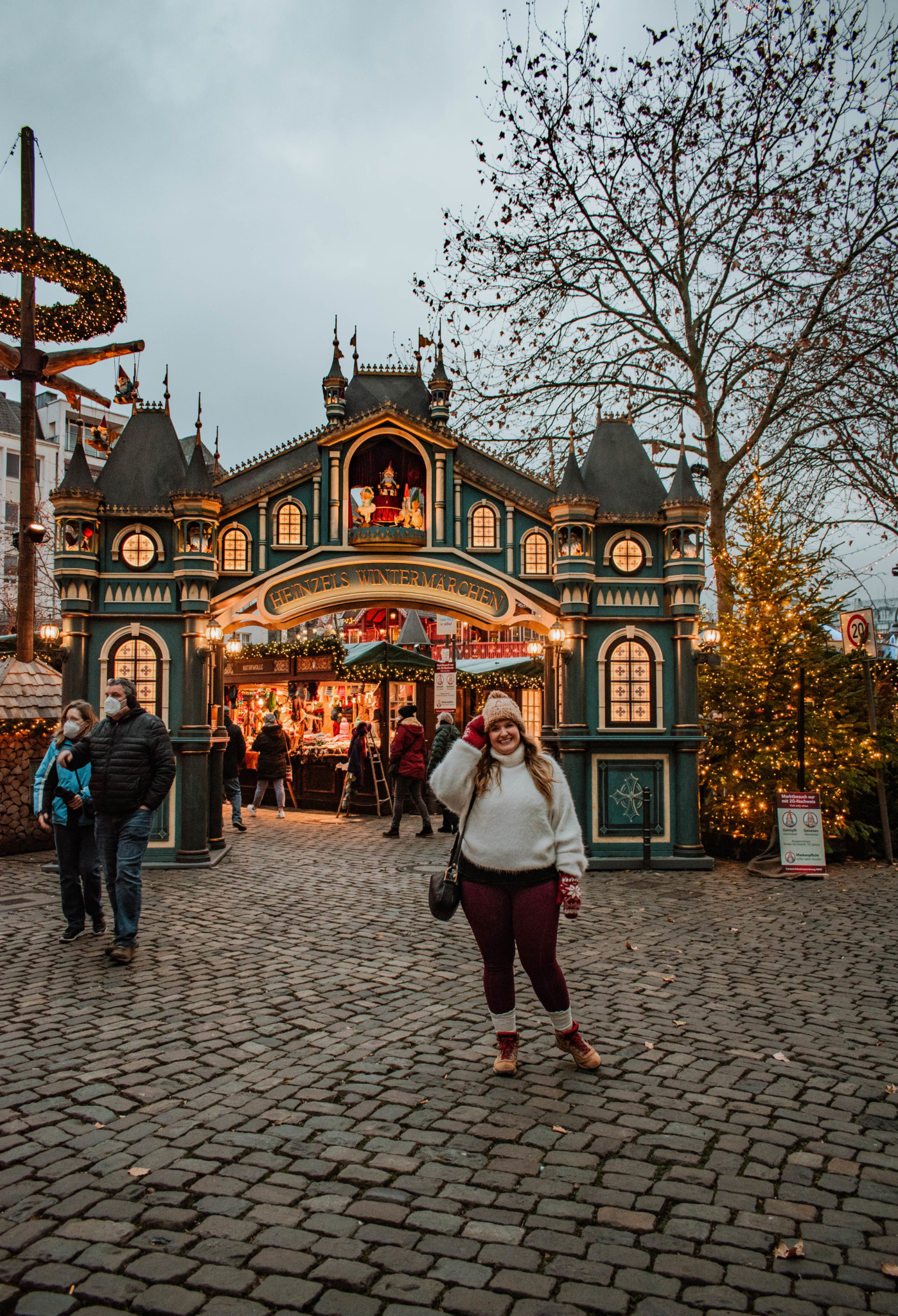
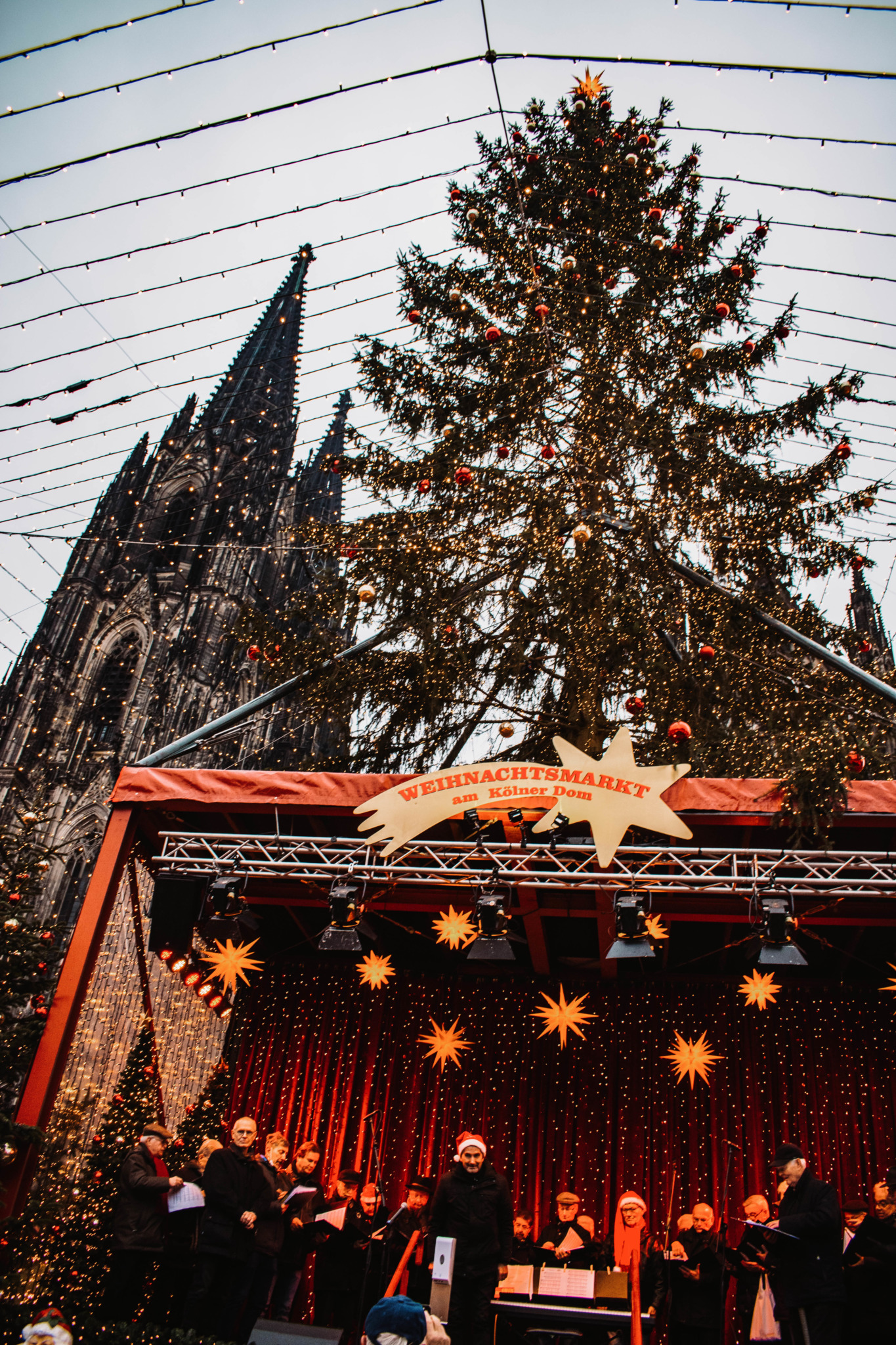
The journey commences in Cologne, located approximately two hours northwest of Frankfurt. Cologne is home to several distinct markets, the most prominent being the Cathedral Christmas Market (Weihnachtsmarkt am Dom). Set against the backdrop of the UNESCO-listed Gothic cathedral, this market features a 25-meter Nordmann fir tree and over 150 wooden pavilions. Other notable locations include the Angel Market at Neumarkt and Heinzel’s Winter Fairytale in the Old Town, which features a large-scale ice skating rink.
From Cologne, the route moves west to Aachen. Known as the city of Charlemagne, Aachen’s market is situated around the Aachen Cathedral and the historic City Hall. The city is famous for "Aachener Printen," a unique type of gingerbread that has been protected by a designated geographical indication (PGI) since 1997.
The itinerary then pivots toward the Eifel region to visit Monschau. This town is characterized by its well-preserved half-timbered houses and its position along the Rur River. The Monschau market is highly regarded for its traditional atmosphere, emphasizing local Eifel crafts rather than mass-produced goods.
Phase II: The Moselle and Entering France (Days 4–6)
Travelers proceed to Trier, the oldest city in Germany. The Trier Christmas Market is held in the medieval Main Market (Hauptmarkt) and in front of the Trier Cathedral. The city’s Roman heritage, including the Porta Nigra, provides a unique historical juxtaposition to the festive stalls.
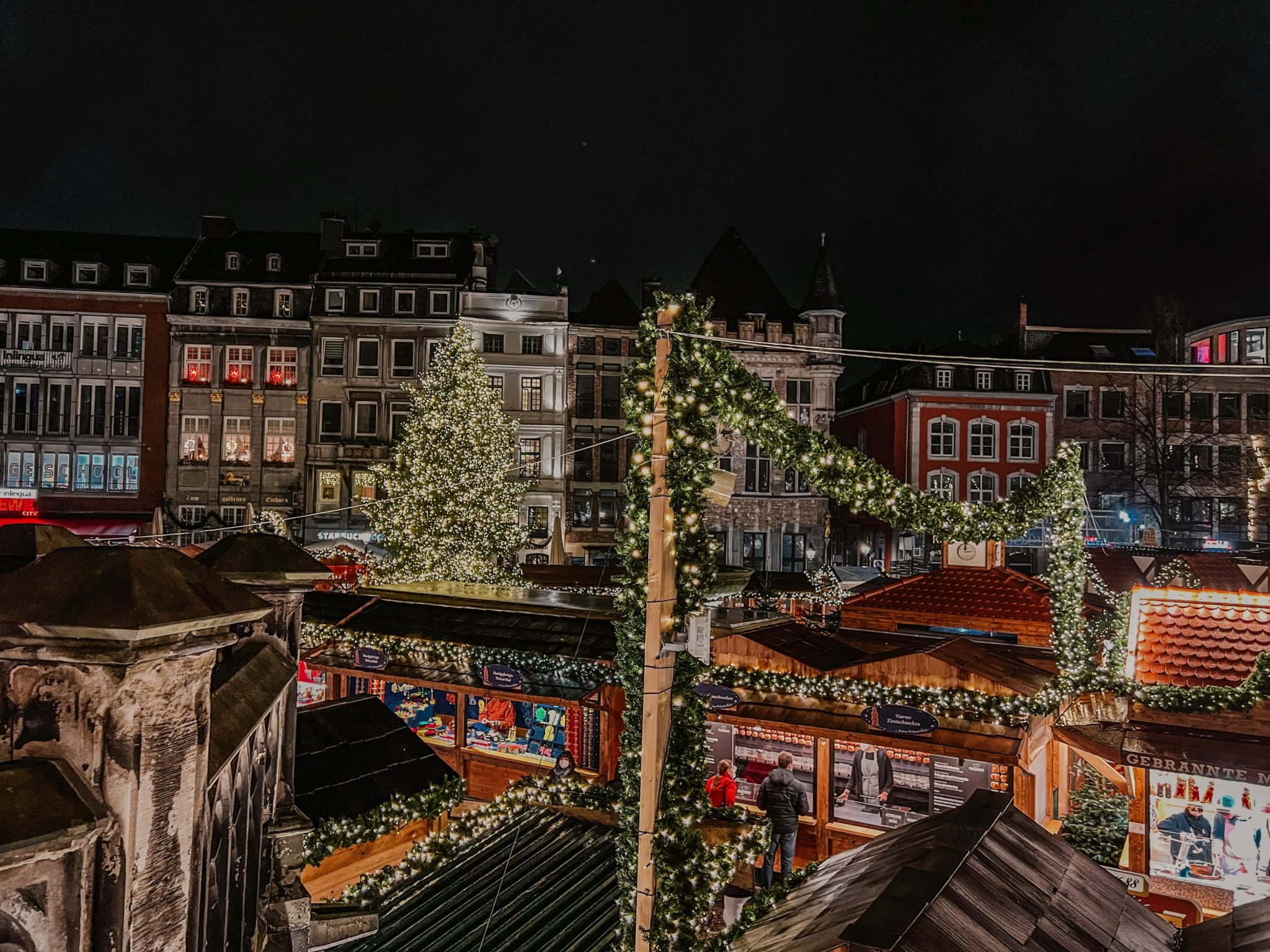
Crossing the border into France, the first major stop is Metz. The city has gained recognition for its innovative "Sentiers des Lanternes" (Path of Lanterns), a light display featuring hundreds of illuminated characters. The Metz markets are distributed across several squares, including Place Saint-Louis and Place de la République, where a traditional Christmas pyramid is a central fixture.
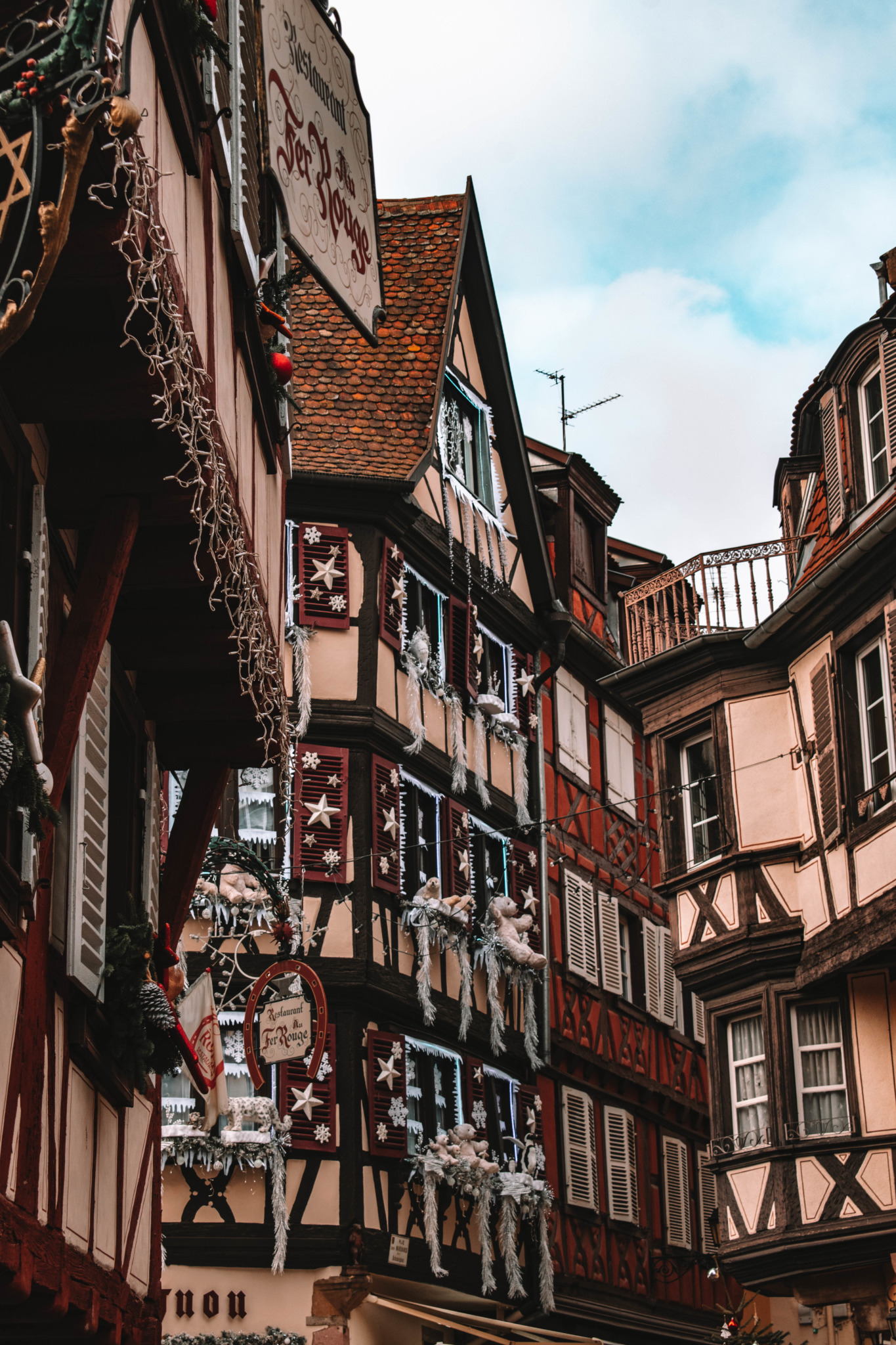
Phase III: The Alsatian Fairytale (Days 6–9)
The route continues into the Alsace region, which is arguably the global epicenter of Christmas market culture due to its blended Franco-German heritage.
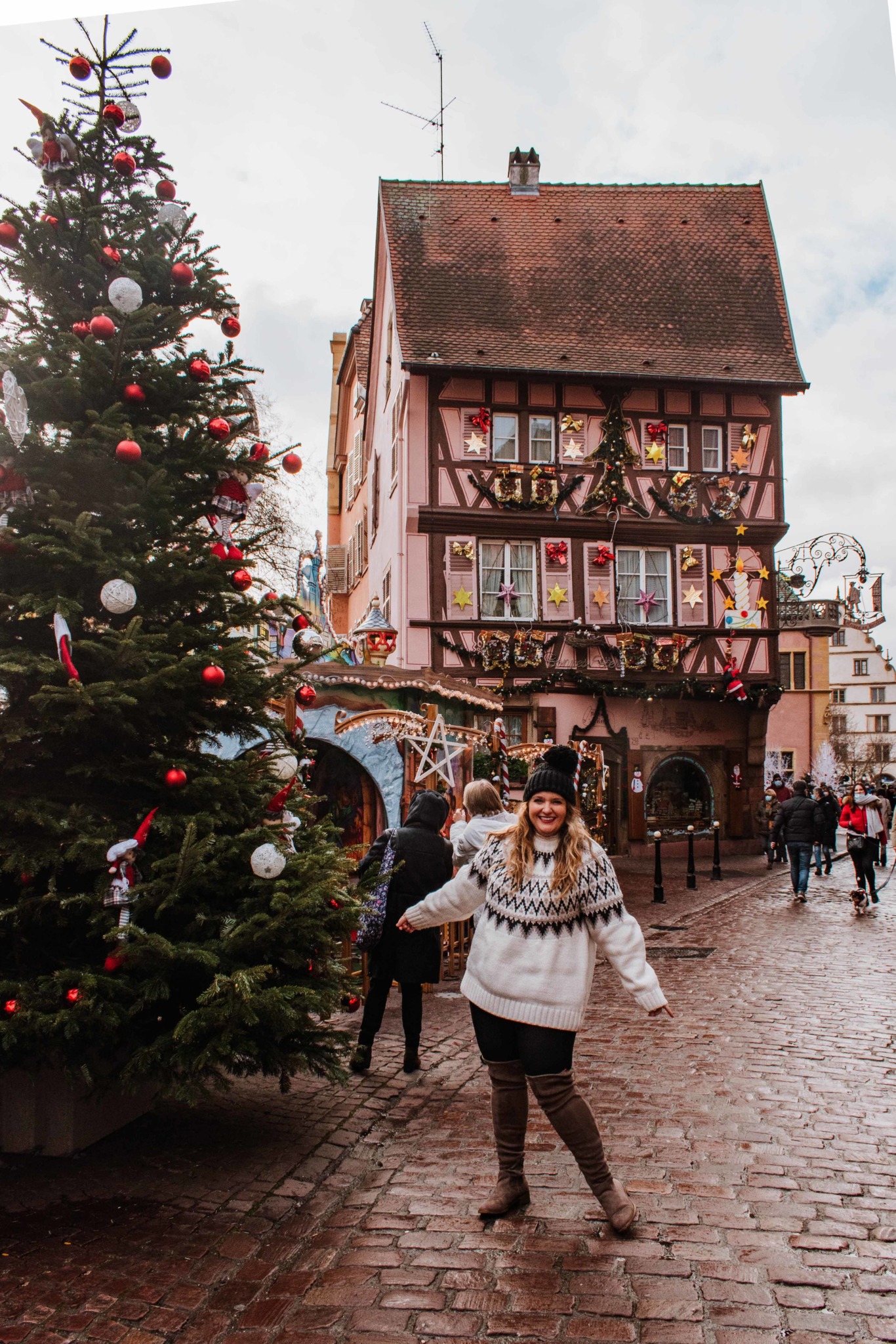
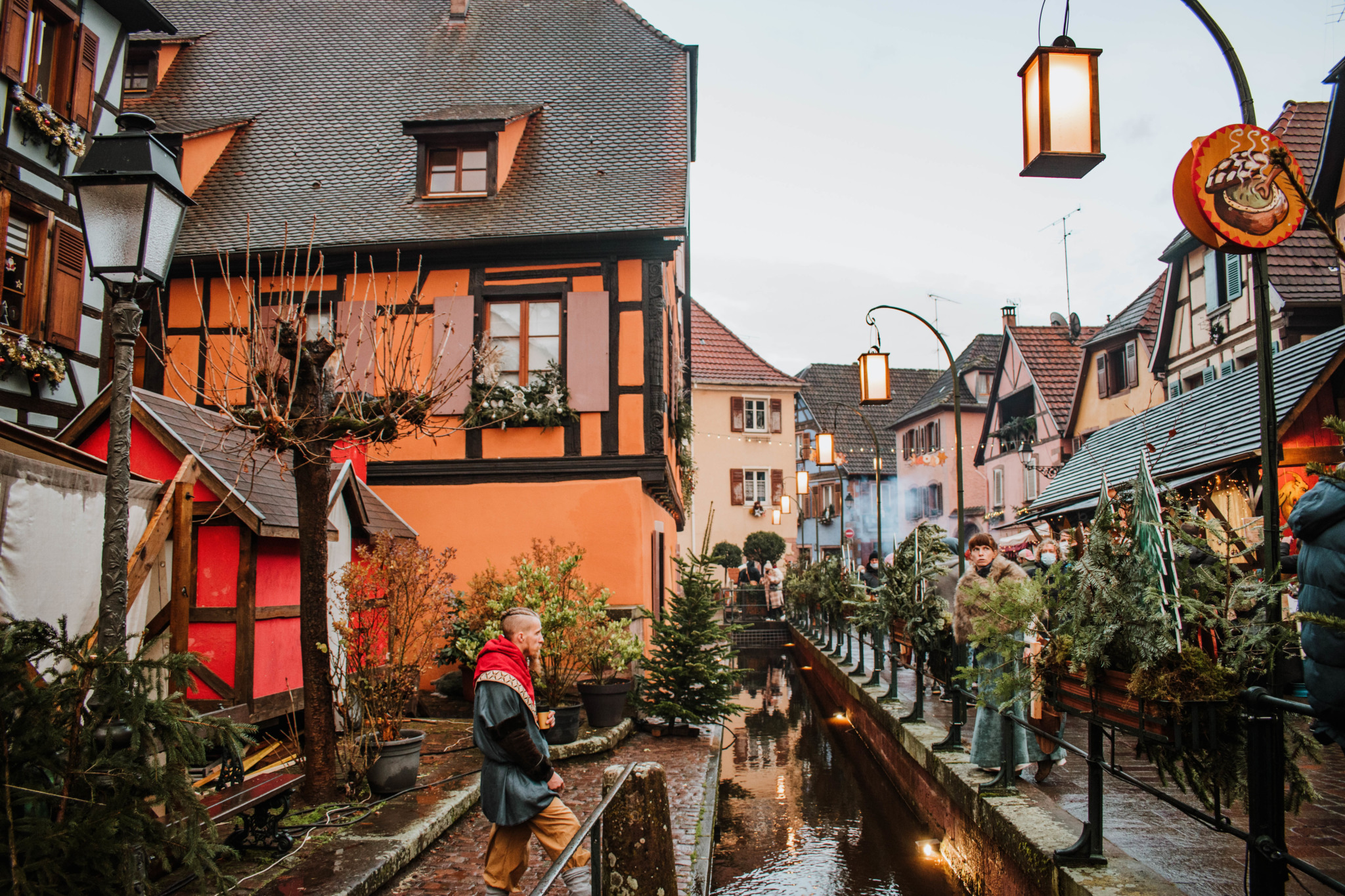
- Ribeauvillé: This town hosts a specialized Medieval Christmas Market, typically held only during the first two weekends of December. It features costumed performers, fire-roasted meats, and street entertainment that replicates a 15th-century atmosphere.
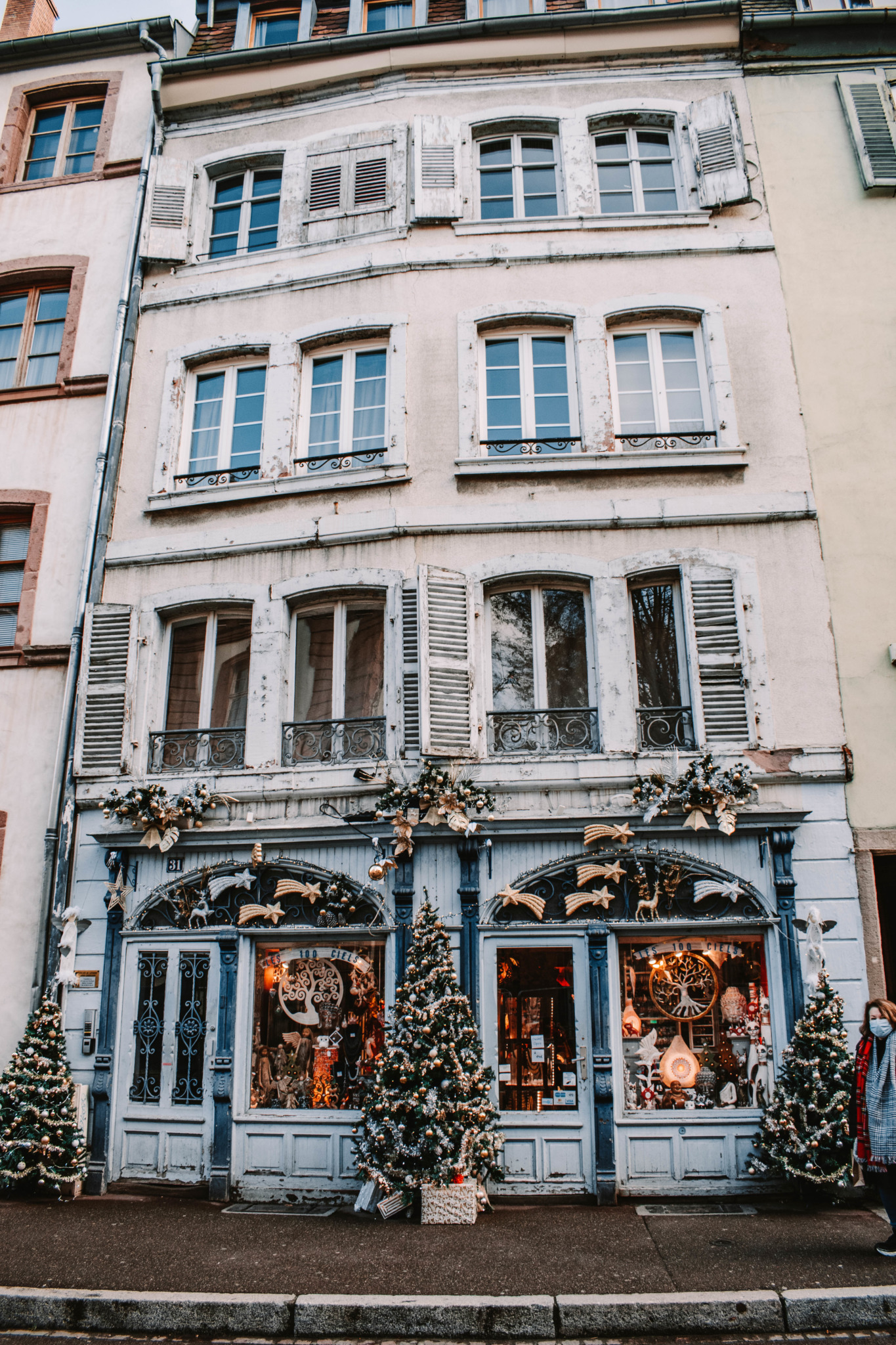
- Kayersberg and Eguisheim: These smaller villages focus on authentic Alsatian products. Eguisheim, often cited as one of the most beautiful villages in France, offers a circular layout that provides an intimate market experience.
- Colmar: Colmar features six distinct markets within its historic center. The "Petite Venise" district is particularly noted for its children’s market. Colmar’s architectural preservation makes it a primary destination for experiential tourism.
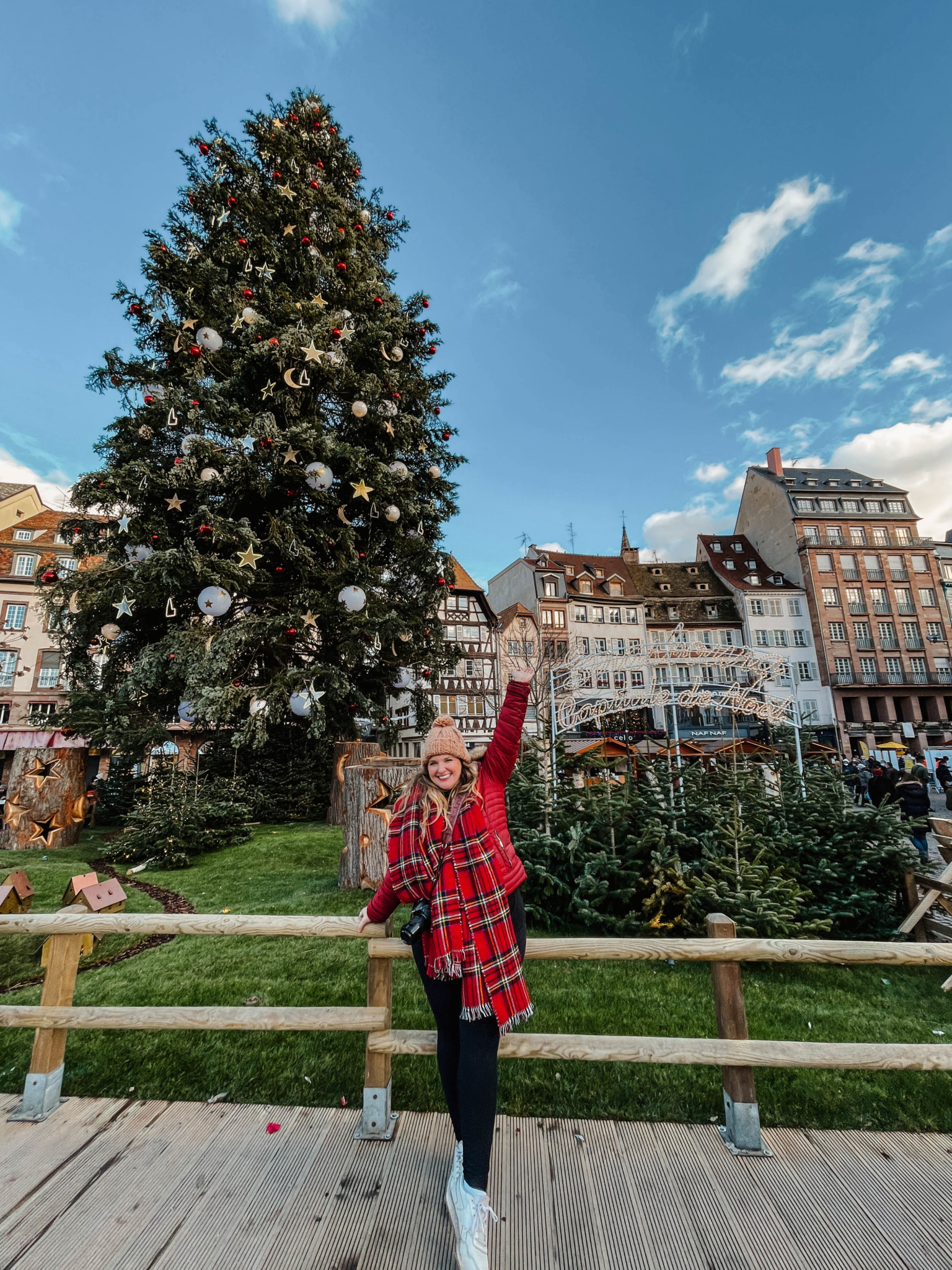
- Strasbourg: As the "Capitale de Noël," Strasbourg hosts the oldest Christmas market in France, dating back to 1570 (the Christkindelsmärik). The Great Christmas Tree at Place Kléber is a central symbol of the event, and the city’s lights are considered among the most elaborate in Europe.
Phase IV: The Black Forest and Return (Days 9–11)
The final leg of the journey returns to Germany, beginning with Baden-Baden. This spa town offers a sophisticated market experience near the Kurhaus. The proximity to the Black Forest allows for side excursions into higher altitudes, where snow-covered landscapes are more frequent.
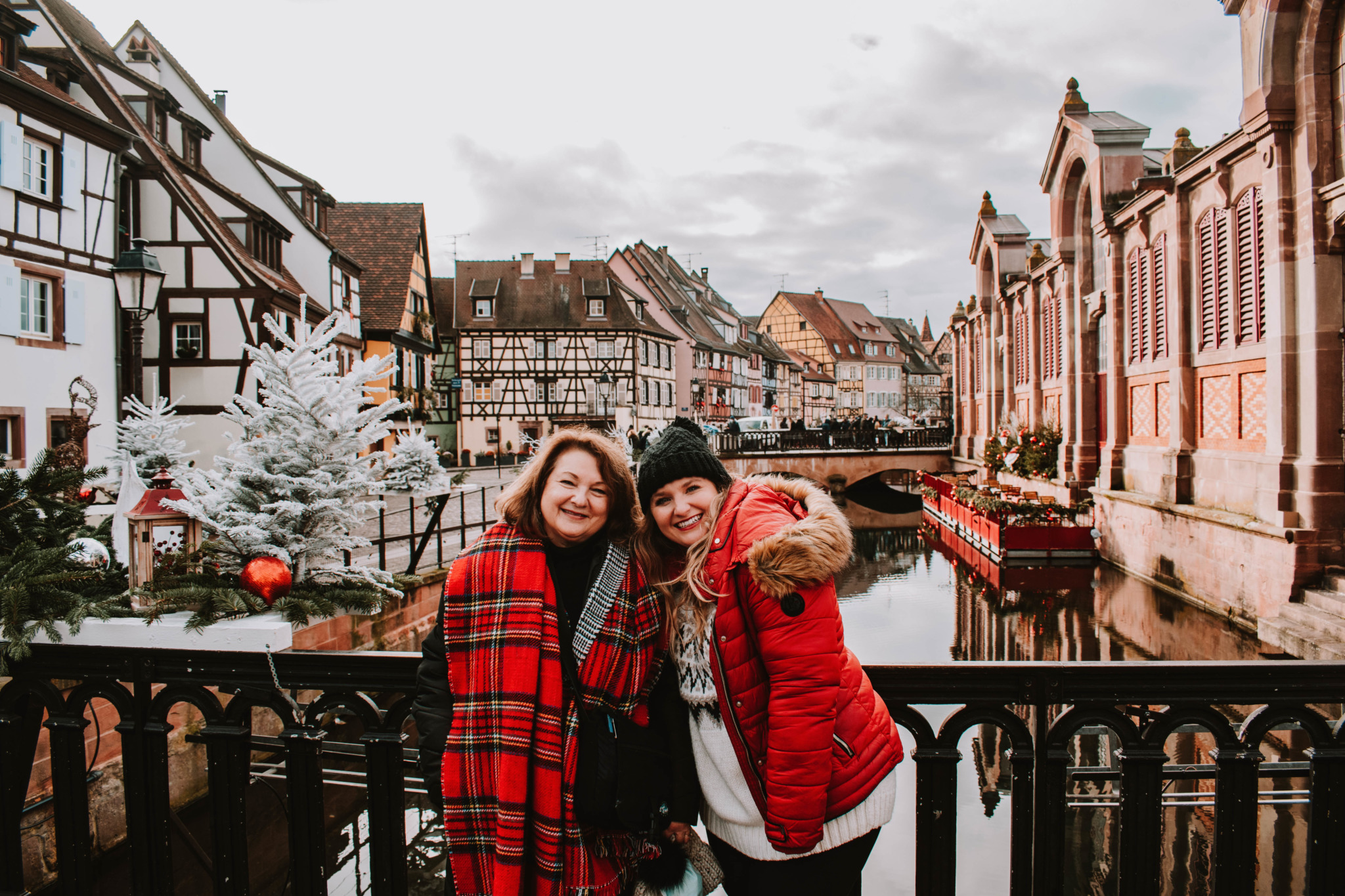
The trip concludes with visits to Heidelberg and Frankfurt. Heidelberg’s market is spread along the Hauptstraße, one of the longest pedestrian zones in Europe, with the ruins of Heidelberg Castle overlooking the festivities. Finally, the Frankfurt Christmas Market, centered in the Römerberg and Paulsplatz, provides a grand finale with its massive Christmas tree and historic carousel before travelers depart from Frankfurt Airport.
Supporting Data: Costs and Resource Allocation
Travelers should expect the following cost distribution for a high-season European road trip:
- Aviation: Roundtrip flights from North American hubs to Frankfurt typically range from $800 to $1,200 during the December peak.
- Lodging: Accommodations in budget-to-mid-range chains (e.g., Ibis, B&B Hotels, Holiday Inn Express) average $180 per night. Booking 6–9 months in advance is recommended to secure central locations.
- Ground Transportation: Car rentals average $70–$80 per day. Travelers must account for French highway tolls (péages) and urban parking fees, which can add $15–$30 daily.
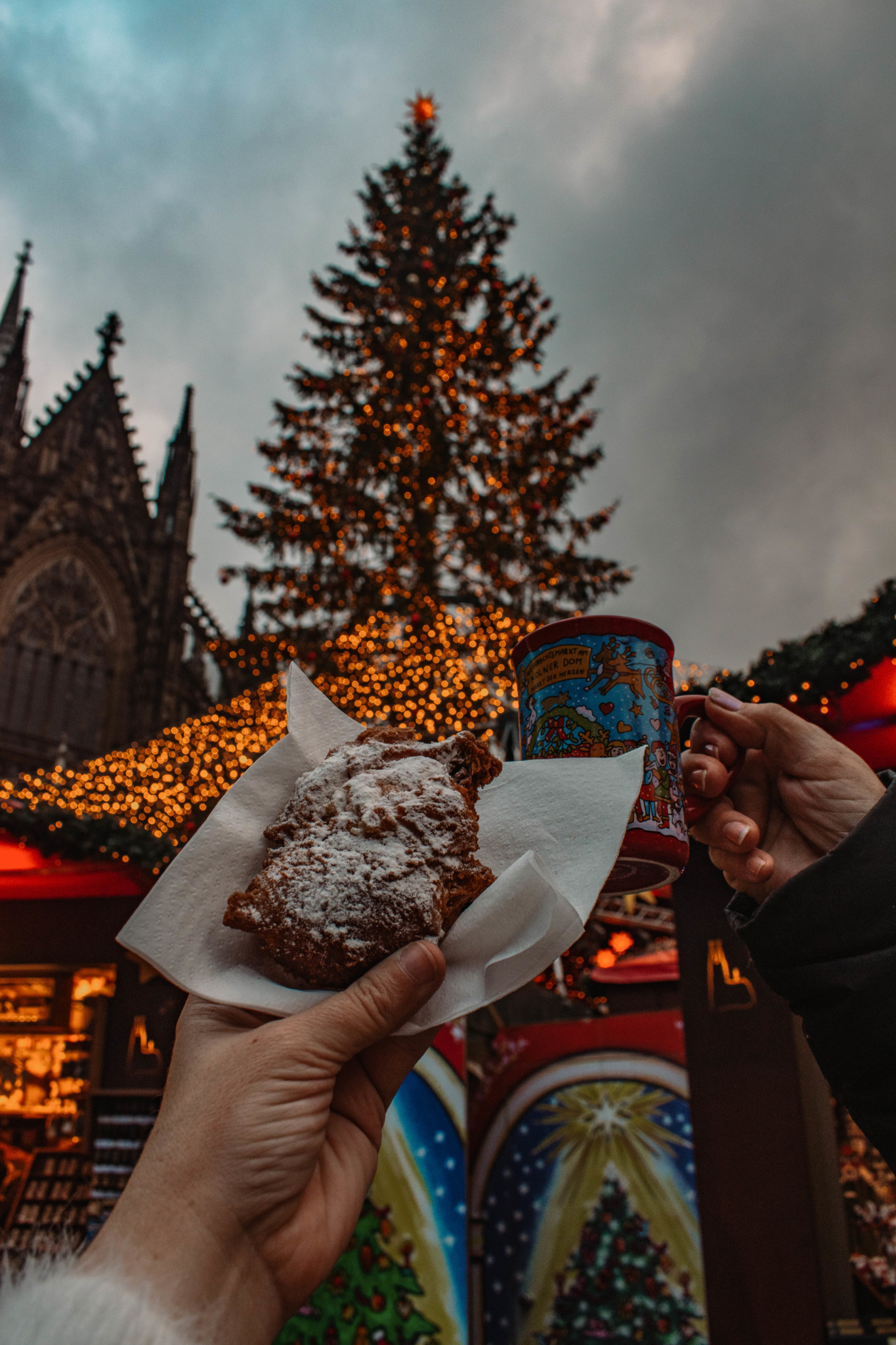
- Daily Expenditures: Food and beverage costs at markets are relatively accessible. A standard meal of a bratwurst and Glühwein (mulled wine) costs approximately €10–€15.
Analysis of Tourism Trends and Environmental Impact
The "Christmas Market Road Trip" reflects a growing trend in "slow travel" and "experiential tourism." Travelers are increasingly seeking authentic regional identities rather than generic holiday celebrations. This has led to a resurgence in the popularity of smaller markets like Ribeauvillé, which offer unique thematic experiences.
However, the surge in seasonal tourism presents challenges. Municipalities are under increasing pressure to manage "overtourism" in narrow medieval streets. In Strasbourg, security measures and crowd control are significant annual operations. Furthermore, there is a rising focus on sustainability. Many markets have transitioned to LED lighting to reduce energy consumption and have implemented deposit systems (Pfand) for reusable ceramic mugs to eliminate single-use plastic waste.
Conclusion and Strategic Implications
A road trip through the Christmas markets of Germany and France is more than a leisure activity; it is an engagement with a centuries-old tradition that continues to adapt to the modern world. By connecting major metropolitan centers with rural outposts, this itinerary provides a comprehensive understanding of the cultural synergy between these two nations. For the traveler, the success of the journey depends on flexibility—particularly in the face of winter weather—and a willingness to explore beyond the primary tourist corridors. As these markets continue to evolve, they remain a testament to the enduring appeal of communal celebration and regional heritage in a globalized society.