The Philosophical Shift Toward Transformative Travel
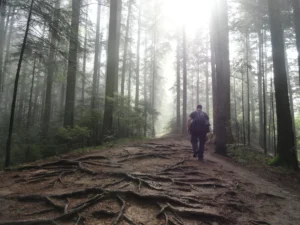
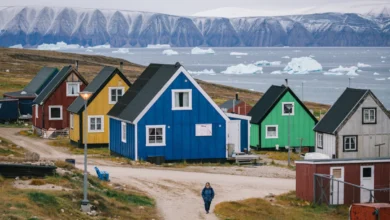
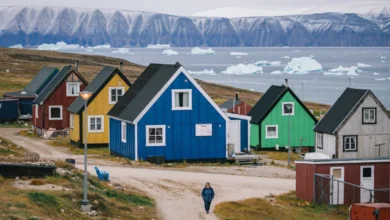
The modern traveler’s desire for authenticity is often anchored in the belief that a destination is defined more by its people than by its monuments. During an expedition to the High Arctic with Adventure Canada, Whit Fraser, the noted author of True North Rising, articulated this sentiment by stating that the value of travel is not measured by the miles covered, but by the people encountered. This perspective aligns with the rise of "Transformative Travel," a concept where the primary goal is a change in the traveler’s perspective or self-understanding through engagement with the "other."
While iconic structures like the Eiffel Tower or the Colosseum provide a visual historical record, they often fail to convey the contemporary realities of a nation. To understand the current climate of a country—its politics, culinary habits, and social challenges—travelers are increasingly turning to grassroots interactions. This shift is supported by data from the travel industry, which indicates that experiential travel is growing at a faster rate than traditional leisure travel. According to a 2023 report by Grand View Research, the global experiential travel market is expected to expand at a compound annual growth rate (CAGR) of 6.8% through 2030, driven by a demand for "authentic" and "off-the-beaten-path" experiences.
A Chronology of the Evolution of Cultural Engagement
The history of travel has moved through several distinct phases, leading to the current emphasis on local connection.
- The Grand Tour Era (17th–19th Century): Travel was an educational rite of passage for the European elite, focused on classical art and history, often mediated by private tutors.
- The Rise of Mass Tourism (1950s–1990s): The democratization of flight led to the "checklist" era of tourism. The focus was on efficiency, seeing as many landmarks as possible, and staying in standardized international hotels that offered a "bubble" of familiarity.
- The Digital and Sharing Economy (2000s–2015): The advent of platforms like Airbnb and Couchsurfing began to break down the walls between tourists and residents, allowing travelers to stay in local neighborhoods.
- The Age of Authenticity (2016–Present): Travelers now seek "radical localism." This involves not just staying in a local area, but participating in the local economy, learning indigenous skills, and engaging in "slow travel" that prioritizes depth over breadth.
Strategic Frameworks for Local Connection
To achieve a deeper understanding of a culture, travel experts and sociologists suggest several structured approaches. These methods allow travelers to bypass the "tourist gaze" and enter the authentic social spheres of a destination.
1. The Global Greeter Network and Volunteerism
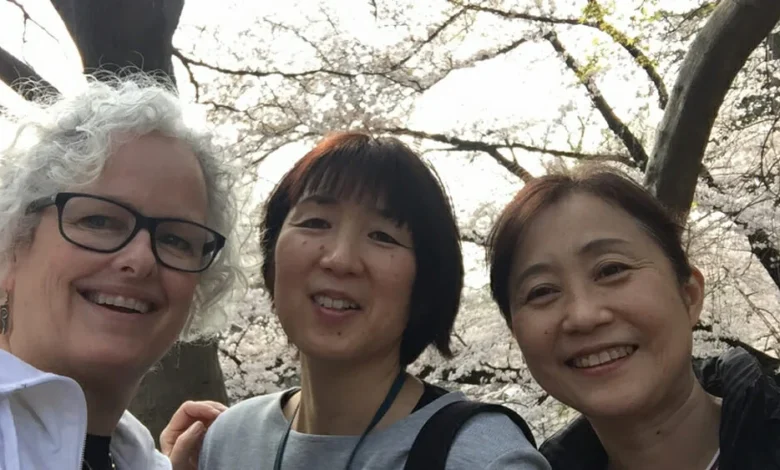
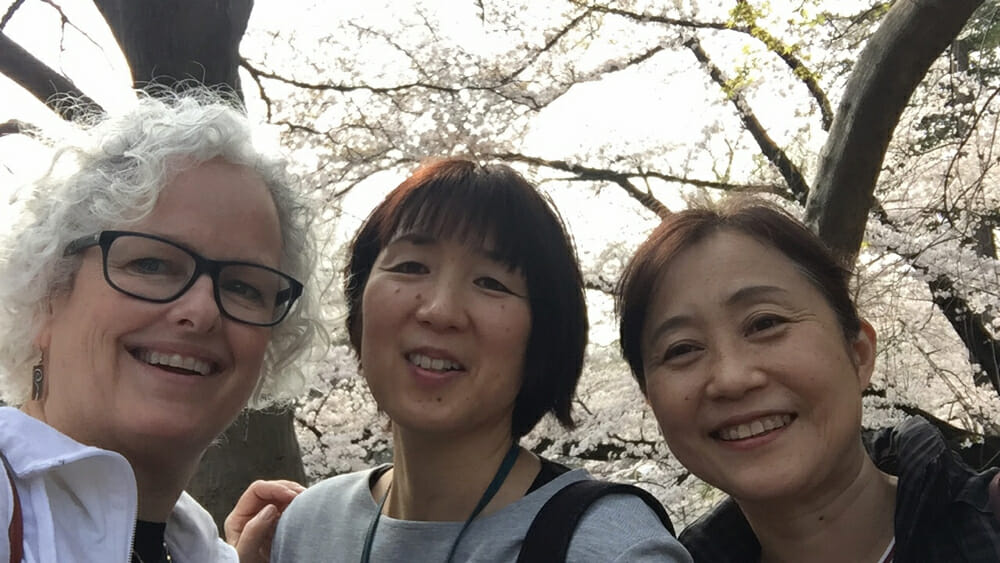
The Global Greeter Network, which began in New York in 1992, has expanded to dozens of cities worldwide, including Tokyo and Paris. Unlike professional tour guides, "greeters" are volunteers who show visitors their city from a personal, non-commercial perspective. This interaction provides insights into neighborhood life that are rarely found in guidebooks. In Tokyo, for instance, a greeter might explain the subtle social etiquette of a local ward, while in Paris, they might highlight the significance of a neighborhood bakery to the local community.
2. Gastronomy as a Social Bridge
Food is perhaps the most accessible entry point into a culture. Beyond visiting restaurants, travelers are now engaging in "social dining" through platforms like Eatwith or BeMyGuest. These services facilitate dinners in private homes, where the conversation is as vital as the meal. Data from the World Food Travel Association suggests that 80% of travelers believe that food helps them understand the local culture, and nearly half seek out cooking classes or market tours to deepen that connection.
3. Community-Based Tourism (CBT)
Community-Based Tourism ensures that the economic benefits of travel stay within the local population. This often involves staying in family-run guesthouses or participating in tours led by indigenous cooperatives. In regions like the Arctic or rural British Columbia, CBT allows travelers to learn about land stewardship and oral histories directly from the people who have inhabited the land for generations.
4. Navigating the "Third Space"
Sociologist Ray Oldenburg coined the term "third space" to describe locations like coffee shops, libraries, and parks that are neither work nor home. For a traveler, spending time in these spaces without a set agenda allows for organic interactions. Observing how locals interact in a grocery store or a public square provides a factual basis for understanding the cost of living, social hierarchies, and daily stressors of a population.
Supporting Data: The Impact of Local Engagement
The benefits of connecting with locals extend beyond personal enrichment; there are significant socio-economic implications. A study by the United Nations World Tourism Organization (UNWTO) highlights that for every $100 spent by a tourist in a developing country, only about $5 actually stays in the local economy if they use international chains and tour operators. Conversely, when travelers engage directly with local vendors and residents, that "leakage" is significantly reduced, fostering sustainable development.
Furthermore, solo travel—a demographic particularly prone to seeking local connection—is on the rise. Internal data from various travel platforms shows a 40% increase in solo traveler bookings over the last three years. Solo travelers are statistically more likely to engage with locals because they lack the "social safety net" of a companion, forcing them to interact with their surroundings to navigate and find community.
Professional Analysis of Implications
The shift toward local connection carries profound implications for the future of the travel industry and global diplomacy. From a sociological standpoint, these interactions serve as a form of "citizen diplomacy." When individuals from different cultures share a meal or a conversation, it reduces stereotypes and fosters a more nuanced understanding of global issues.
However, this trend also presents challenges. The "commodification of authenticity" is a growing concern, where local experiences are staged for tourists, potentially eroding the very culture the traveler seeks to experience. Experts suggest that for these connections to be ethical and effective, they must be based on mutual respect and a genuine exchange of value, rather than a consumer-led "extraction" of culture.
Industry analysts also note that as travelers seek deeper connections, the role of the traditional travel agent is evolving into that of a "travel curator" or "experience designer." These professionals are now tasked with vetting local connections and ensuring that the interactions are both safe for the traveler and beneficial for the host community.
Broader Cultural Impact and Future Outlook
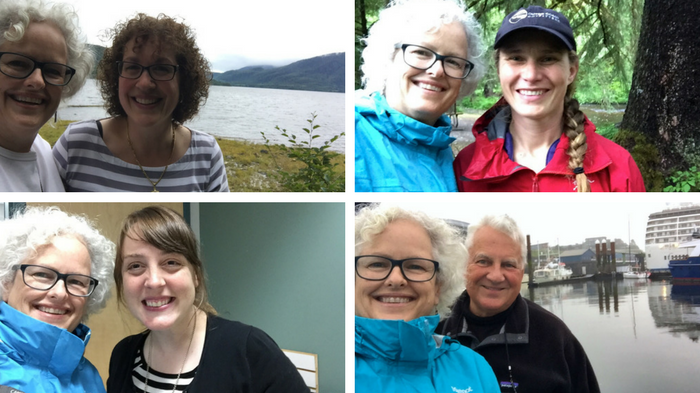
As the world becomes more digitally connected yet socially fragmented, the physical act of traveling to meet someone "different" takes on a new level of importance. The move beyond sightseeing is ultimately a move toward empathy. By understanding the challenges and strengths of a community in Prince Rupert, British Columbia, or the daily rituals of a resident in Tokyo, travelers become better-informed global citizens.
The future of travel appears to be heading toward "Net Positive Tourism," where the goal is for the traveler to leave a destination better than they found it. This is only possible through deep connection. Whether it is through camping alongside local families, attending a neighborhood festival, or simply engaging in a conversation at a local market, these interactions provide the context that makes travel meaningful. As the global landscape continues to change, the "people met" will remain the most enduring and accurate map of the world.