While the summer season presents challenges such as increased costs and higher crowd density, strategic destination selection allows solo travelers to maximize the benefits of favorable weather while mitigating the downsides of peak-season tourism. This report examines the optimal destinations for summer solo travel, categorized by month and theme, and analyzes the logistical and cultural factors that contribute to a successful solo excursion.
The Strategic Shift in Solo Travel Demographics
Data from the travel sector indicates that solo travel is no longer restricted to younger "backpacking" demographics. A significant surge has been noted among travelers aged 50 and older, particularly women, who seek curated experiences that prioritize safety, comfort, and cultural immersion. This shift has prompted many destinations to adapt their offerings, providing better infrastructure for single travelers and reducing the "single supplement" fees that have historically burdened this group.
For the solo traveler, summer represents a period of maximum accessibility. Long daylight hours in the northern hemisphere facilitate safer exploration and more time for outdoor activities. However, the economic implications of traveling during the high season necessitate advanced planning. Average airfare and accommodation prices typically rise by 20% to 40% between June and August compared to the shoulder seasons of spring and autumn.
June: Cultural Heritage and Natural Spectacles
June serves as a transitional month, offering the benefits of summer weather before the full impact of school-holiday crowds. It is characterized by significant cultural festivals and unique biological events.
The Gaelic Traditions of Atlantic Canada
In Prince Edward Island (PEI), Canada, June marks the beginning of the "Ceilidh" season. These traditional Gaelic social gatherings, featuring folk music and dancing, provide an organic environment for solo travelers to integrate with local communities. The Chaisson Trio’s weekly events at the historic Stanley Bridge Hall are a cornerstone of this tradition. Beyond the music, PEI’s connection to the literary legacy of Anne of Green Gables attracts a consistent stream of solo travelers interested in heritage tourism.
Literary Immersion in Wales
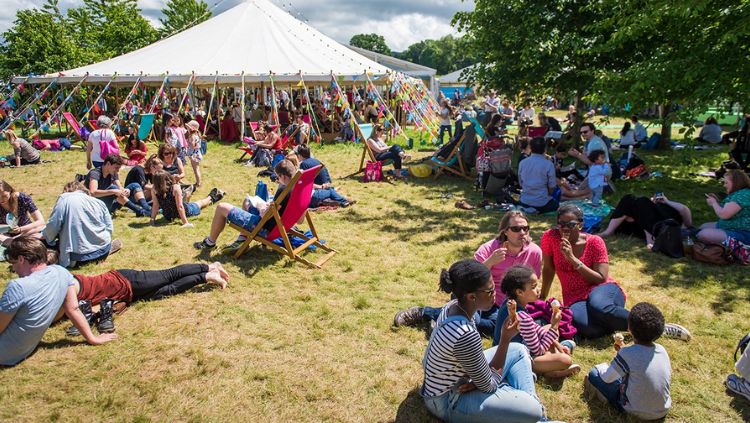
The Hay Festival, held in Hay-on-Wye, Wales, from late May through early June, remains a premier destination for intellectual solo travel. Often referred to as the "Woodstock of the Mind," the festival brings together Nobel Prize-winning authors, policymakers, and scientists. For the solo traveler, the event’s structure—composed of individual talks and workshops—is inherently conducive to solitary attendance, while the shared interest in literature fosters easy social interaction.
The Summer Solstice in France
On June 21, the Fête de la Musique transforms France into a nationwide concert hall. This state-sponsored initiative encourages musicians to perform in public spaces, from major boulevards in Paris to the cobblestone streets of small villages. The event provides a unique opportunity for solo travelers to experience French urban life without the pressure of formal itineraries.
Biological Phenomena in East Africa
In the southern hemisphere, June marks the start of the Great Wildebeest Migration between Tanzania’s Serengeti and Kenya’s Masai Mara. Over 1.5 million wildebeest, accompanied by hundreds of thousands of zebras and gazelles, move north in search of greener pastures. This event is recognized as one of the Seven Wonders of the Natural World. For solo travelers, many safari operators now offer specialized "joiner" packages that allow individuals to book a spot in a shared vehicle, reducing costs and providing a built-in social group.
July: Managing the Peak Season and Heat
As temperatures rise and crowds intensify in July, strategic travelers often look toward northern latitudes or coastal regions where the climate remains temperate.
Music and Nature in the American Midwest
Milwaukee, Wisconsin, hosts Summerfest, which holds the title for the world’s largest music festival by attendance. Spanning three weekends in June and July, the festival features over 800 acts across 12 stages. Following the festival, many solo travelers head north to the Door Peninsula, a region often compared to the Cape Cod of the Midwest, offering quiet coastal landscapes and hiking opportunities.
Coastal Exploration in Southwest England
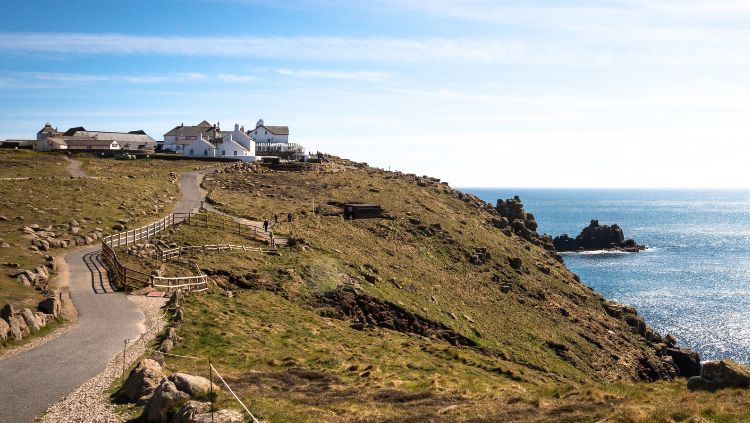
Cornwall, England, becomes a primary destination in July. The South West Coast Path, covering 630 miles of coastline, offers solo travelers a structured yet flexible way to explore the region’s cliffs and beaches. Cultural hubs like the Tate St. Ives provide indoor alternatives, while local agricultural events, such as the Stithians Show, offer insight into the region’s rural economy and traditions.

The "Midnight Sun" of Iceland
Iceland experiences nearly 24 hours of daylight in July, a phenomenon known as the Midnight Sun. This provides solo travelers with an unprecedented level of flexibility and safety, as hiking and sightseeing can be conducted at any hour. While the peak season brings higher prices to Reykjavik, the ability to rent a vehicle and navigate the Ring Road independently remains a high priority for solo adventurers. Statistics from the Icelandic Tourist Board show a steady increase in solo female travelers, cited largely due to the country’s consistently high safety rankings.
August: Culinary Festivals and Seasonal Transitions
August represents the final peak of the summer season, often characterized by harvest festivals and a shift in travel toward the southern hemisphere.
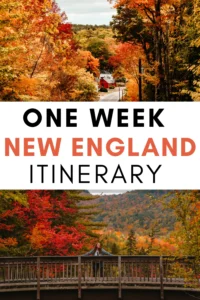
Gastronomic Tourism in New England
The Maine Lobster Festival in Rockland, Maine, occurs during the first week of August. Celebrating the state’s primary maritime industry, the festival serves as a focal point for solo travelers interested in culinary tourism. The event supports the local economy, which relies heavily on the lobster industry, valued at over $700 million annually to the state of Maine.
Cultural Preservation in the American West
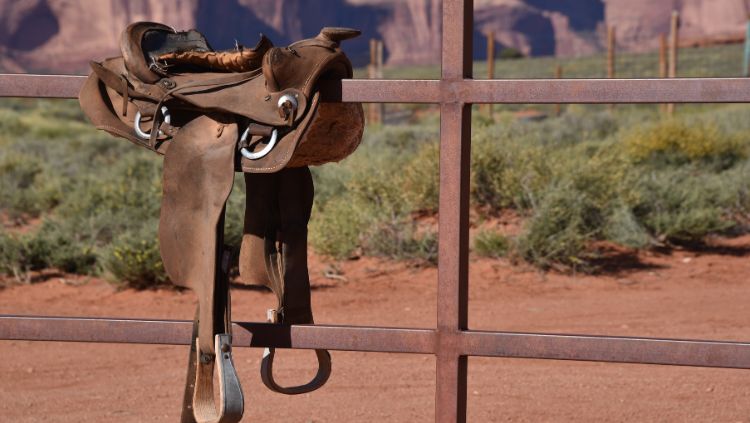
The Arizona Cowboy Poets Gathering in Prescott provides a unique look at the preservation of oral traditions. Unlike more commercialized festivals, this event focuses on working cowboys and ranchers who share their history through poetry and song. It offers a distinct cultural experience for solo travelers interested in the history of the American West.
Acadian Identity in New Brunswick
The Festival Acadien de Caraquet in New Brunswick, Canada, culminates on August 15 with the "Tintamarre." This event, where participants march through the streets making as much noise as possible, is a symbolic assertion of Acadian presence and resilience. For the solo traveler, the festival is a deep dive into a specific cultural identity that is often overlooked in broader North American narratives.
Floral Tourism in Japan
In Hokkaido, Japan, the fields of Furano and Nakafurano reach their peak bloom in early August. Farm Tomita, a major lavender and flower plantation, attracts international visitors for its meticulously landscaped displays. Japan remains a top-tier destination for solo travelers due to its exceptional public transportation and the cultural acceptance of dining and traveling alone.
The Australian Winter Advantage
For those seeking to avoid the northern summer heat, August is an ideal time to visit Australia. As it is late winter/early spring in the southern hemisphere, temperatures in cities like Sydney and Melbourne are mild. This "off-peak" timing can result in significantly lower prices for flights and accommodation, making an otherwise expensive destination more accessible for those on a solo budget.
Broader Impact and Logistical Implications
The rise in summer solo travel has broader implications for urban planning and the global economy. Cities that are popular for solo "city breaks," such as New York, London, and Paris, have seen a rise in "micro-hotels" and hostels that offer high-end amenities for single occupants.
Economic and Environmental Considerations
Solo travelers contribute significantly to local economies, often spending more per capita on dining and local experiences than those traveling in large groups. However, the concentration of travel in the summer months puts pressure on local infrastructure. Environmental analysts suggest that the "slow travel" movement—where solo travelers stay longer in one location rather than hopping between cities—may help mitigate the carbon footprint associated with peak-season tourism.
Safety and Technology
The proliferation of travel technology has fundamentally changed the solo experience. Real-time GPS, translation apps, and solo-travel-specific social platforms have reduced the risks associated with navigating unfamiliar territories alone. Governments in major tourism hubs have also responded by increasing visible security and improving lighting in tourist districts to accommodate the growing number of independent explorers.
As the travel industry continues to evolve, the summer months will likely remain the most popular time for solo excursions. By focusing on cultural festivals, natural phenomena, and strategic geographic shifts, solo travelers can continue to find unique opportunities for exploration and connection in an increasingly accessible world.